Asia
Inner Mongolia
"The horizon here doesn't end. It just keeps giving."
A Chinese autonomous region where the steppe rolls to every horizon, yurts dot the grassland, and you suddenly understand why nomadic life was never a choice but a logic.

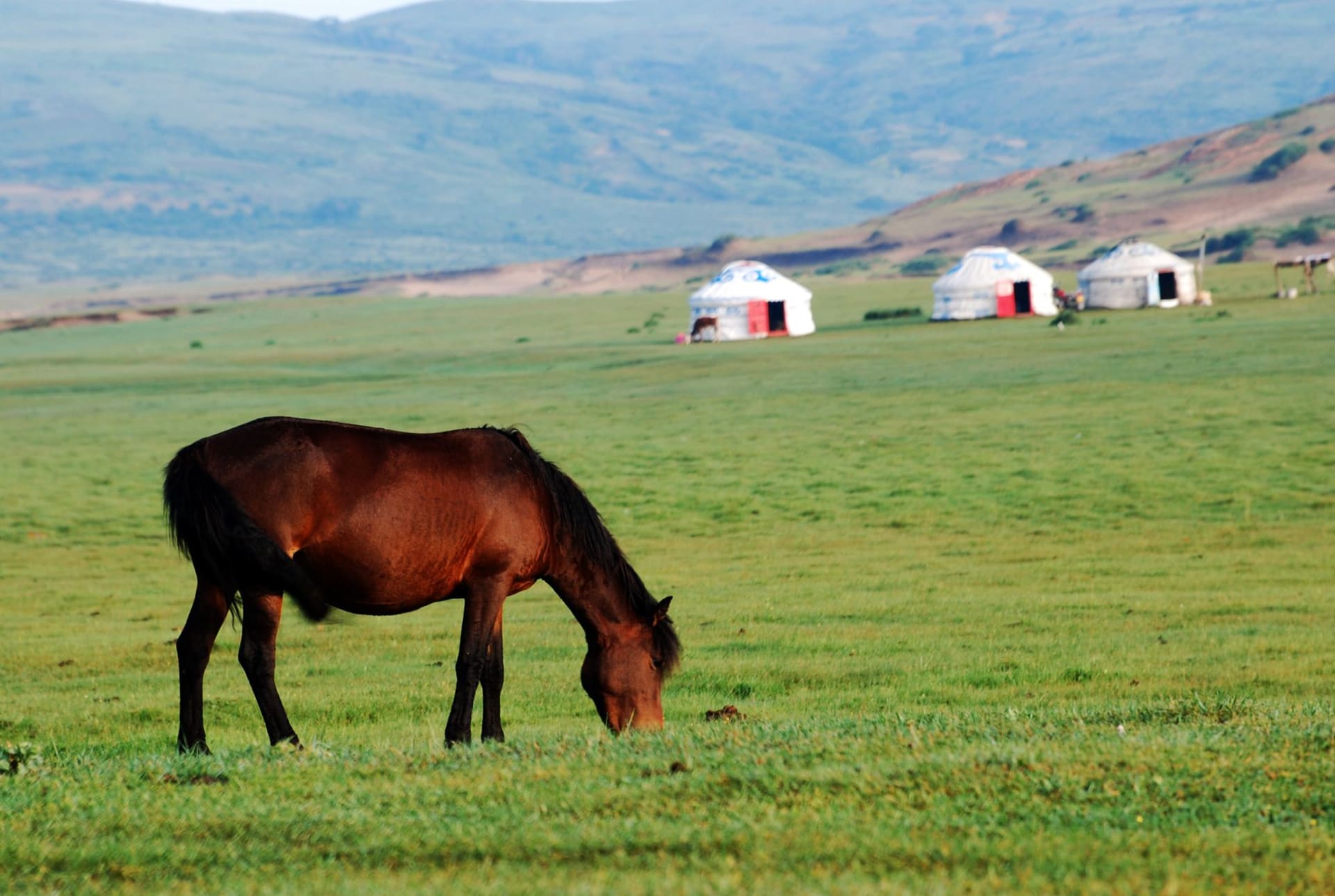
I crossed into Inner Mongolia on an overnight train from Beijing and spent most of the journey with my forehead against the window, watching the landscape unroll in the dark. By the time I woke up, the suburbs had dissolved entirely. There were no suburbs anymore. Just grass, and a sky so wide it felt structural, like it was holding something up. I’d been living in Mexico for long enough that open space had become theoretical — something you drive through on the way to somewhere else. Here, the open space was the destination.
Most people who know Inner Mongolia at all think of Hohhot, the capital, as a gateway they pass through on the way to grassland camps. That instinct is not wrong, but Hohhot deserves a full day: the Dazhao temple complex where Mongolian monks still conduct ceremonies, the old city street called Zhongshan Road lined with Muslim-run restaurants serving hand-pulled noodles and lamb ribs so fatty they coat your fingers by the second bite. From there, the grassland camps begin two to three hours north by car. The Hulunbuir steppe in the northeast — near the border with Mongolia and Russia — is the one that rewired me. The grass there in summer is so intensely green it looks oversaturated, like a filter someone forgot to remove. You can ride horses out until the camp disappears behind a fold in the land and there is nothing in every direction except sky and the sound of wind moving over short grass. I ate shǎo kǎo at a family’s fire that night — skewers of cumin-spiced mutton charred at the edges — and drank baijiu from a ceramic cup small enough that the ceremony of refilling it became part of the conversation.
The Ordos plateau in the south offers a different register entirely: the Kubuqi Desert edges in from the west, sand dunes pressing up against irrigated farmland in a way that looks like a mistake but isn’t. The town of Dongsheng has a kind of unguarded energy — not built for tourism, genuinely surprised to see a Frenchman asking about milk tea — and the Genghis Khan Mausoleum nearby is architecturally strange and historically contested but worth seeing for the way local visitors move through it with something between reverence and celebration.
When to go: Late June through August for the grassland at its greenest — this is when the Naadam-style festivals run and the yurt camps are fully operational. September is golden and less crowded, the light dropping low across the steppe in the late afternoon. Avoid December through March unless you have a specific reason to confront -20°C winds with nowhere to shelter.
What most guides get wrong: They treat Inner Mongolia as a theme park version of Mongolia — a shortcut for travelers who can’t get a visa or afford the flight. That misses the point entirely. Inner Mongolia is its own place, with its own hybrid identity: Chinese bureaucracy and Mongolian herding culture coexisting under the same flag, the menus mixing Beijing-style dumplings with hand-pulled noodles and dried curd, the architecture cycling between Soviet-era blocks and painted wooden ger designs. The tension between those two worlds is not a flaw. It is exactly what makes the place worth paying attention to.
Explore
Places in Inner Mongolia
 inner-mongolia
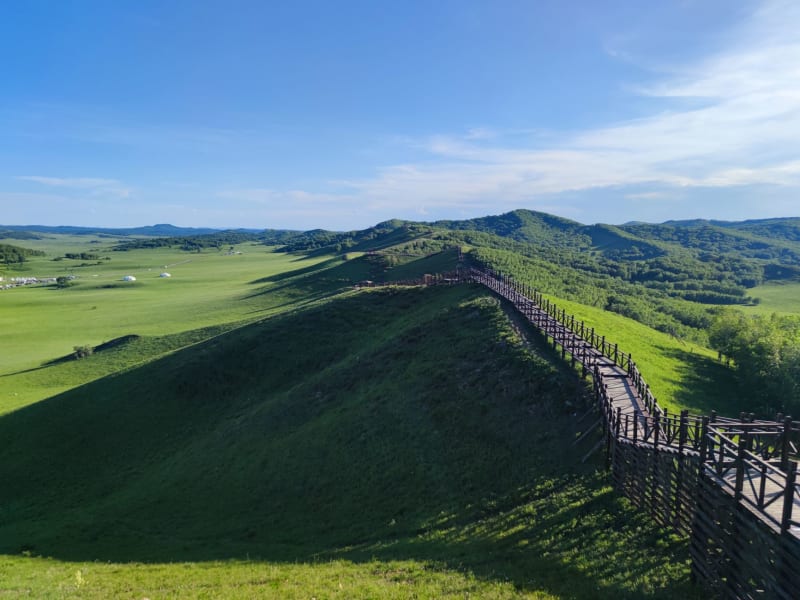
 Arxan
A volcanic landscape in the northeast where hot springs steam beside larch forests and crater lakes hold a stillness that feels almost ceremonial.
Explore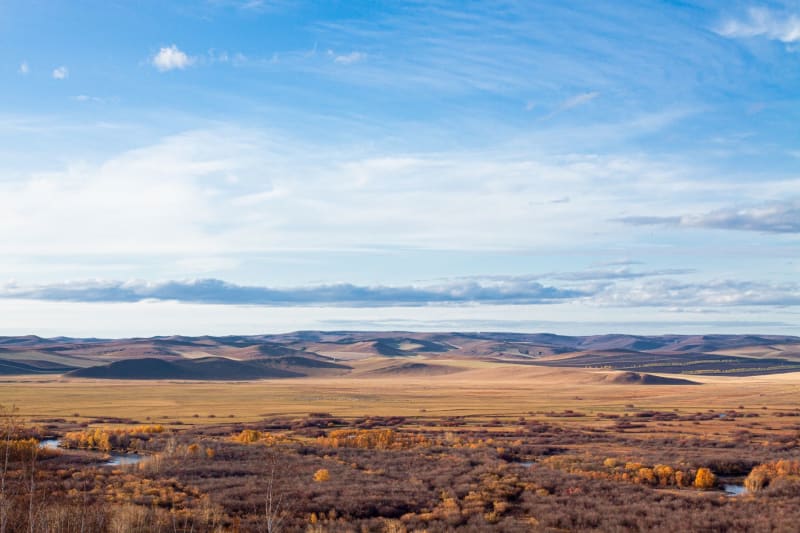 inner-mongolia
 Badain Jaran Desert
Some of the world's tallest stationary dunes rise 500 metres here, with freshwater lakes pooled impossibly at their feet.
Explore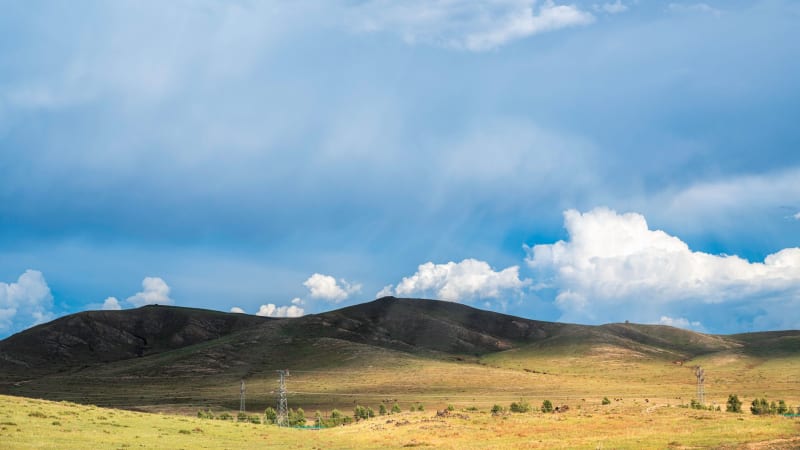 inner-mongolia
 Baotou
Inner Mongolia's largest city earns your patience by hiding one of the region's finest Buddhist monasteries just west of its steel mills.
Explore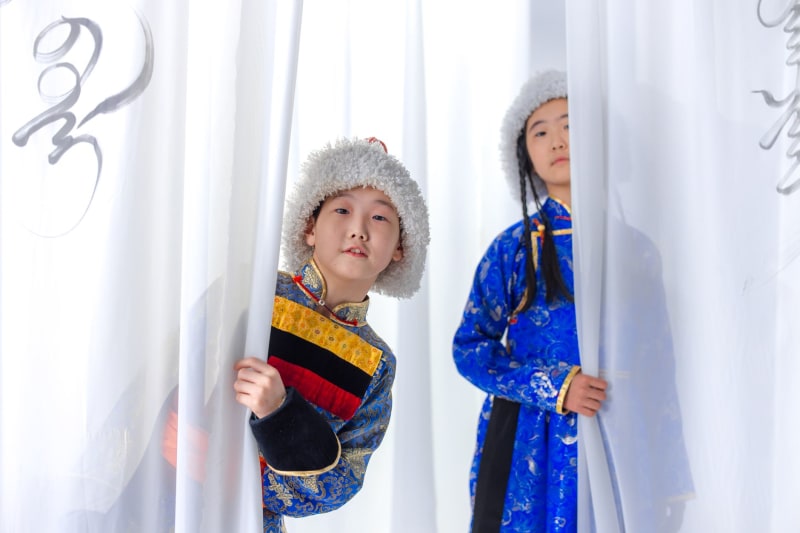 inner-mongolia
 Ejin Banner
A remote corner of western Inner Mongolia where ten million poplars turn gold each October in one of Asia's great overlooked seasonal spectacles.
Explore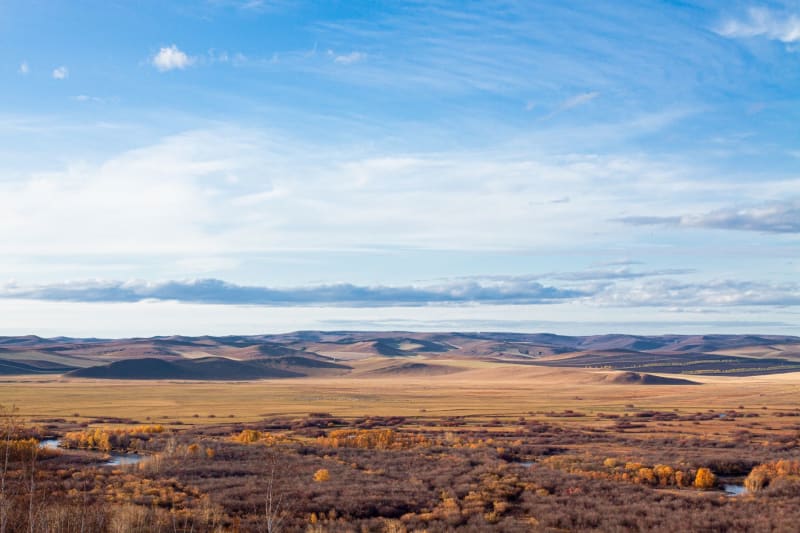 inner-mongolia
 Gegentala Grassland
The closest grassland camp experience to Hohhot, where Mongolian families host evenings of music, mutton, and milk vodka under a sky that earns its reputation.
Explore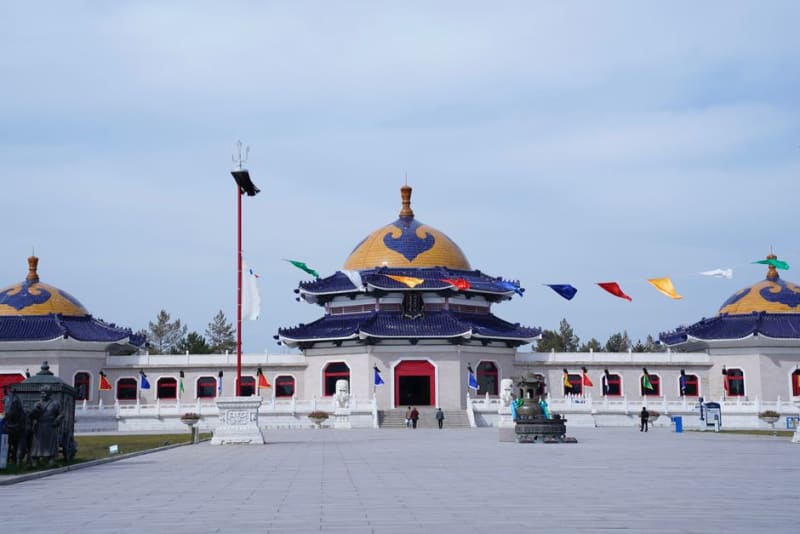 inner-mongolia
 Genghis Khan Mausoleum
A white-domed memorial on the Ordos grasslands where Mongols have honored their Khan's spirit for eight centuries.
Explore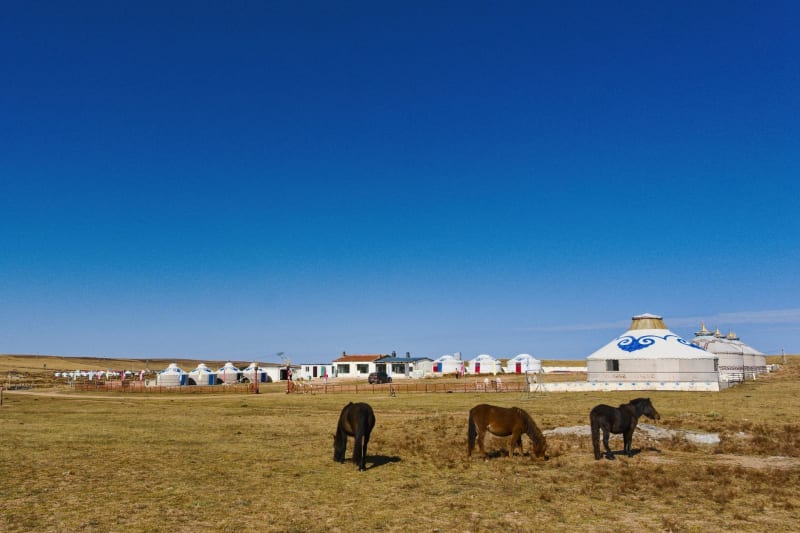 inner-mongolia
 Hohhot
Inner Mongolia's capital hides Tibetan temples and hand-pulled noodle joints behind an unremarkable industrial skyline.
Explore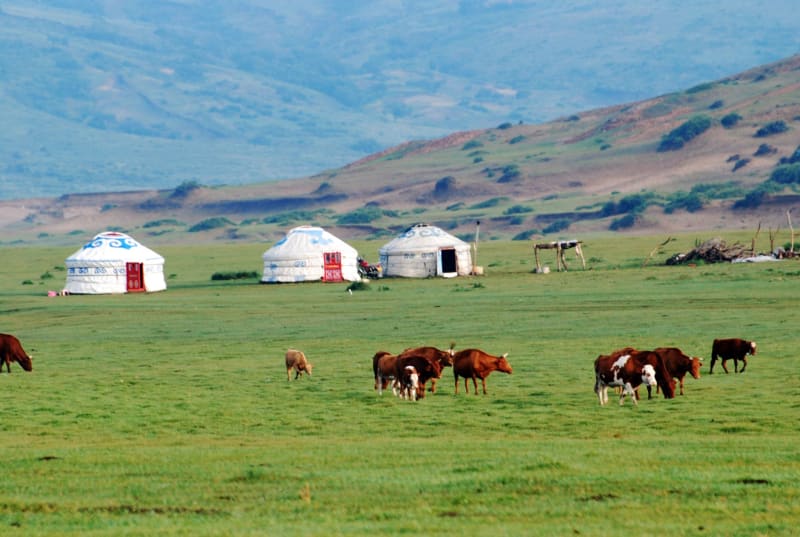 inner-mongolia
 Hulunbuir Steppe
The greenest grassland on Earth in summer — a place where the horizon runs so far it starts to feel like a question about scale.
Explore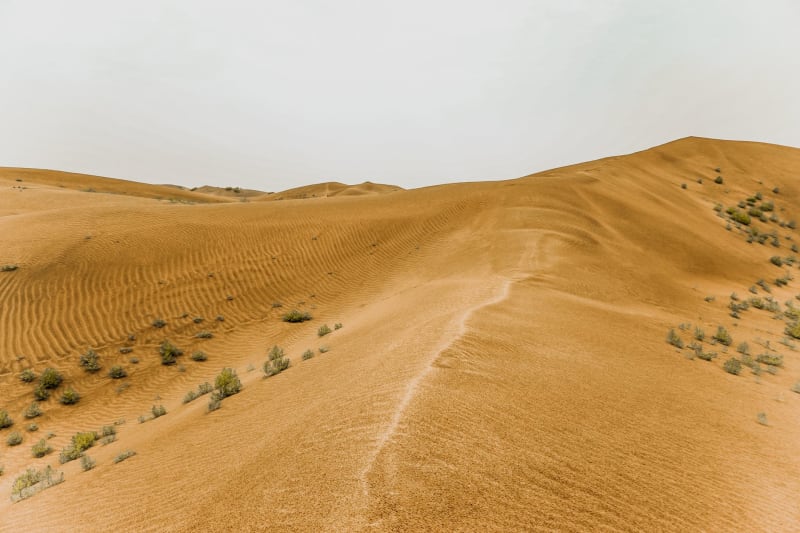 inner-mongolia
 Kubuqi Desert
Where China's seventh-largest desert presses orange dunes right up to the edge of irrigated farmland and neither side appears to notice.
Explore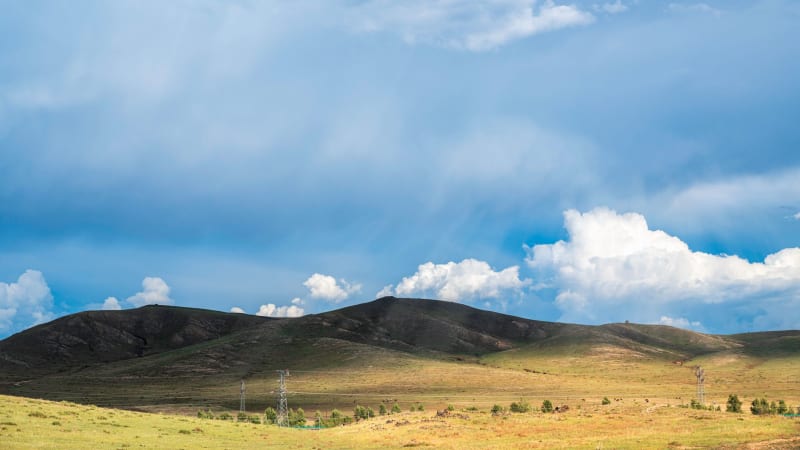 inner-mongolia
 Manzhouli
A border town where Russian nesting dolls the size of buildings stand on Chinese streets and nobody thinks this is strange.
Explore inner-mongolia
 Ordos
A plateau city famous for a contested mausoleum, a ghost district built for a million people, and coal money that arrived faster than inhabitants.
Explore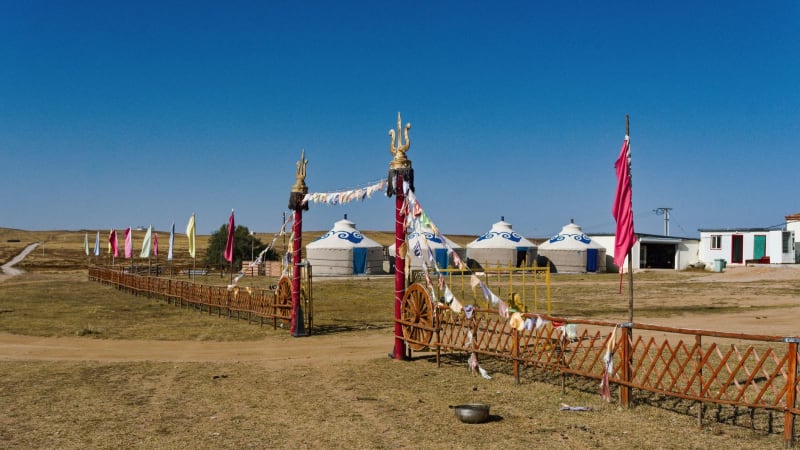 inner-mongolia
 Xanadu
The grass-covered ruins of Kublai Khan's summer capital on the Mongolian steppe, where the most famous poem in English began and almost nothing now remains.
Explore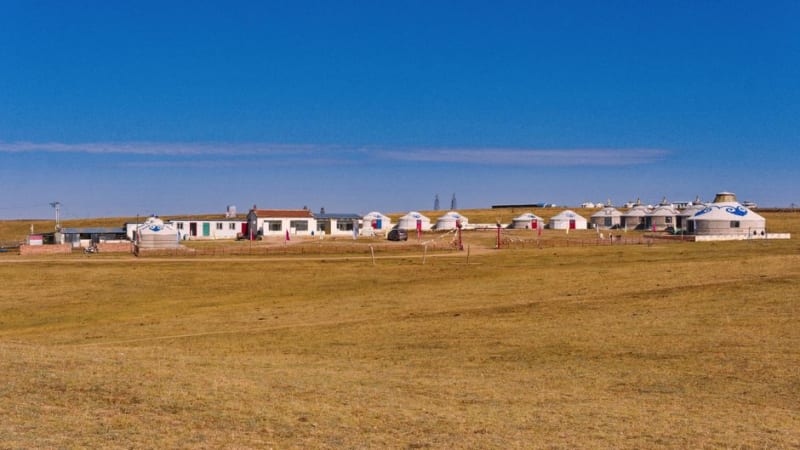 inner-mongolia
 Xilinhot & Xilingol Grassland
A capital city that dissolves into pure steppe within minutes, where ovoo cairns and nomad tents still mark the rhythm of the grassland.
Explore