Arxan
"The hot springs smell of sulfur and wet bark. I couldn't decide if that was unpleasant or the best thing I'd ever inhaled."
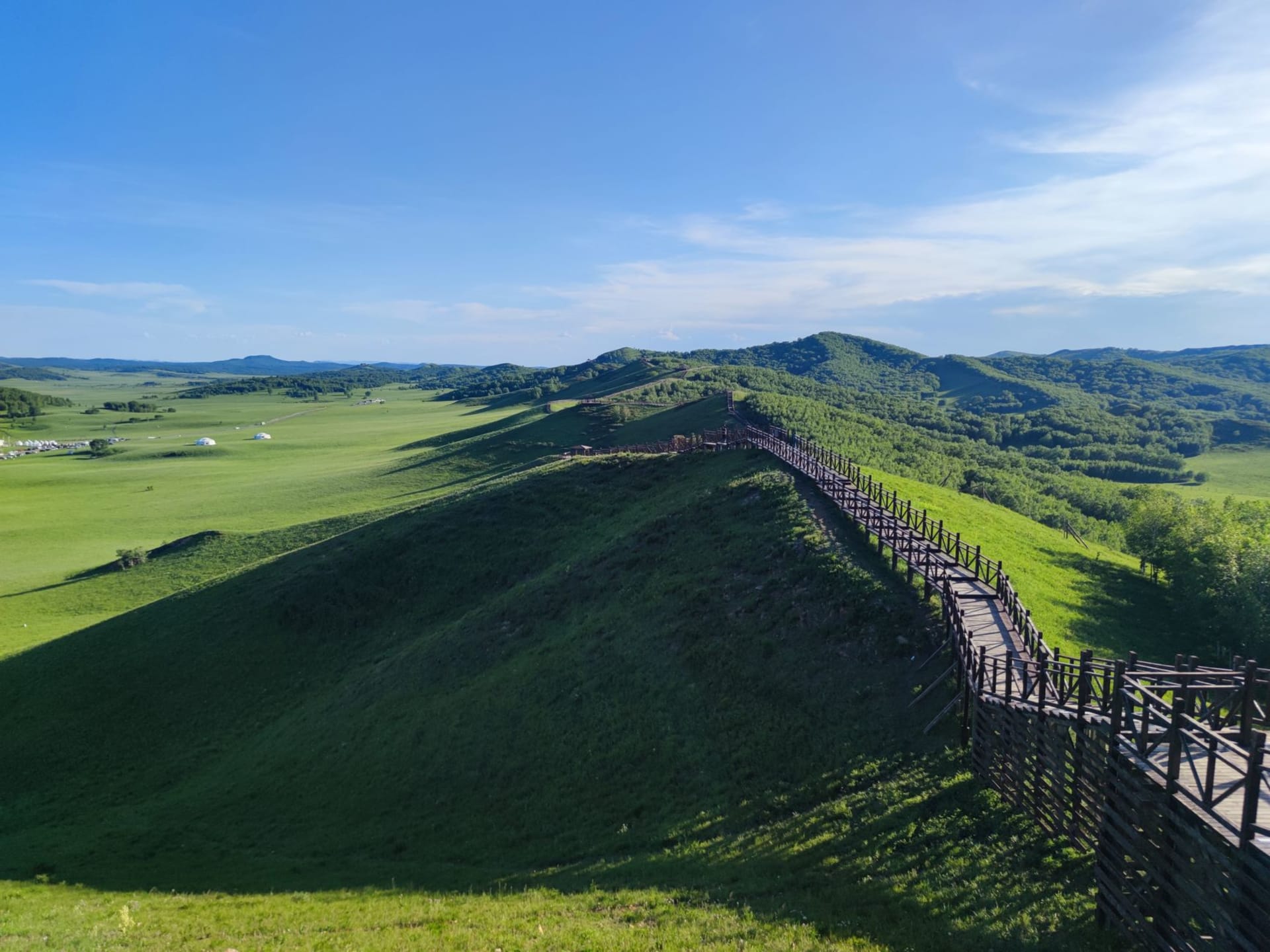
A volcanic landscape in the northeast where hot springs steam beside larch forests and crater lakes hold a stillness that feels almost ceremonial.

I came to Arxan by sleeper train from Hohhot and woke up to a landscape that had no business being in Inner Mongolia, or at least no business being in the Inner Mongolia I had assembled in my head. Instead of steppe, there was forest — larch and birch on volcanic slopes, the trees turning in early October, the hillsides going gold and copper in a way that felt less like autumn and more like something on fire that wasn’t destroying anything. The train slowed through a valley where a river ran clear over dark basalt and steam rose from the ground beside it in thin columns. That was when I understood I was somewhere that needed recalibration.
Arxan National Park is built on a volcanic field that last erupted a few thousand years ago, which in geological terms is recent enough to leave a landscape still working out its next phase. The park contains sixty-eight lakes, most of them sitting in collapsed craters, some of them still warm from geothermal activity below. The hot springs that give the town its name run in a line across a hillside and have been used since at least the Jin Dynasty — there are records from the twelfth century of Jurchen soldiers being sent here to recover from wounds in the mineral water. I sat in one of the public pools in the late afternoon, the water at about forty-two degrees, the sulfur smell sharp and oddly pleasant, the larch canopy above me moving in a cold wind that I could not feel at the water’s surface.

The basalt column formations in the northern section of the park are where Arxan becomes genuinely strange. The lava flows cooled and fractured into hexagonal columns in the same process that made the Giant’s Causeway in Ireland, and the result here is a landscape where perfectly geometric stone shapes emerge from forested slopes in ways that seem more architectural than natural. Walking among them in the early morning, when the mist was still on the low ground, I felt the specific disorientation of a landscape that doesn’t follow the rules you’ve learned from other landscapes.
The crater lakes are the things I think about when I think about Arxan. There are a series of them along a well-marked trail — Tianchi, the Heaven Lake at the highest point, holds water the color of cold jade, fed by snowmelt and surrounded by a bowl of dark volcanic rock with larch trees growing out of every crack in the stone. I sat by it for a long time. The surface was completely still. There was no reason for it to be that still given the wind in the trees above, and I kept watching it the way you watch something that is behaving unusually.

The town itself is small and sensible, a base rather than a destination, with a few restaurants serving northeast Chinese food and one excellent lamb hot pot place that a guesthouse owner pointed me toward with the confidence of someone who has given this recommendation many times and never been wrong. The lamb came from the plateau an hour south, the broth was built on a bones-and-ginger base, and the dipping sauce was sesame paste thinned with black vinegar, which I would eat on nearly anything.
When to go: September and October are the months for Arxan — the larch turns gold and copper in a way that is genuinely one of Inner Mongolia’s best-kept secrets, the hot springs are a particular pleasure when the air is cold, and the park trails are uncrowded after the summer school holiday traffic. July and August are green and alive but busy. The park closes large sections in winter due to snow, though the hot springs remain operational and a winter visit has its own severe beauty.
Keep exploring
More from Inner Mongolia
 inner-mongolia
 Badain Jaran Desert
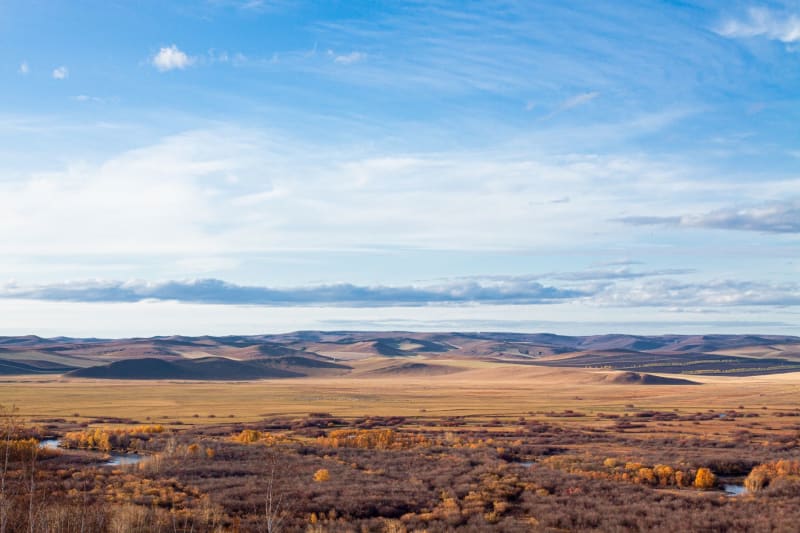
Some of the world's tallest stationary dunes rise 500 metres here, with freshwater lakes pooled impossibly at their feet.
Explore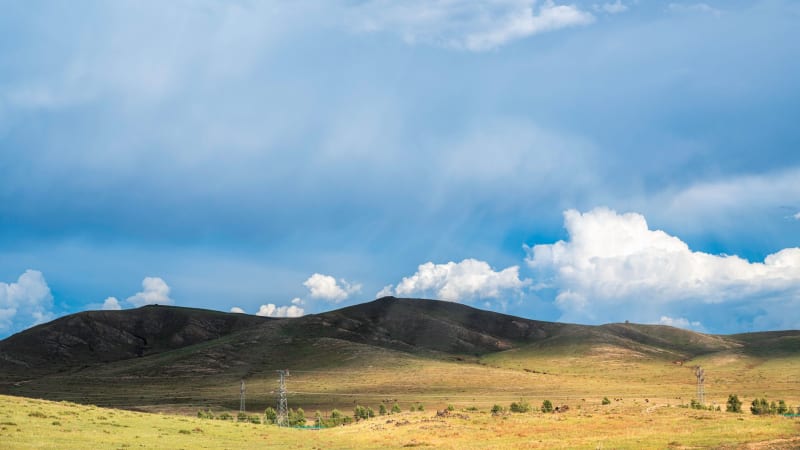 inner-mongolia
 Baotou
Inner Mongolia's largest city earns your patience by hiding one of the region's finest Buddhist monasteries just west of its steel mills.
Explore inner-mongolia
 Ejin Banner
A remote corner of western Inner Mongolia where ten million poplars turn gold each October in one of Asia's great overlooked seasonal spectacles.
Explore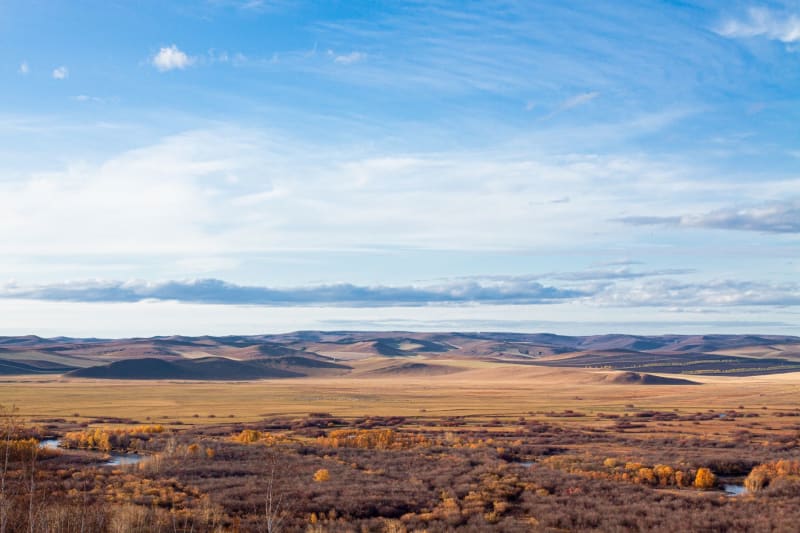 inner-mongolia
 Gegentala Grassland
The closest grassland camp experience to Hohhot, where Mongolian families host evenings of music, mutton, and milk vodka under a sky that earns its reputation.
Explore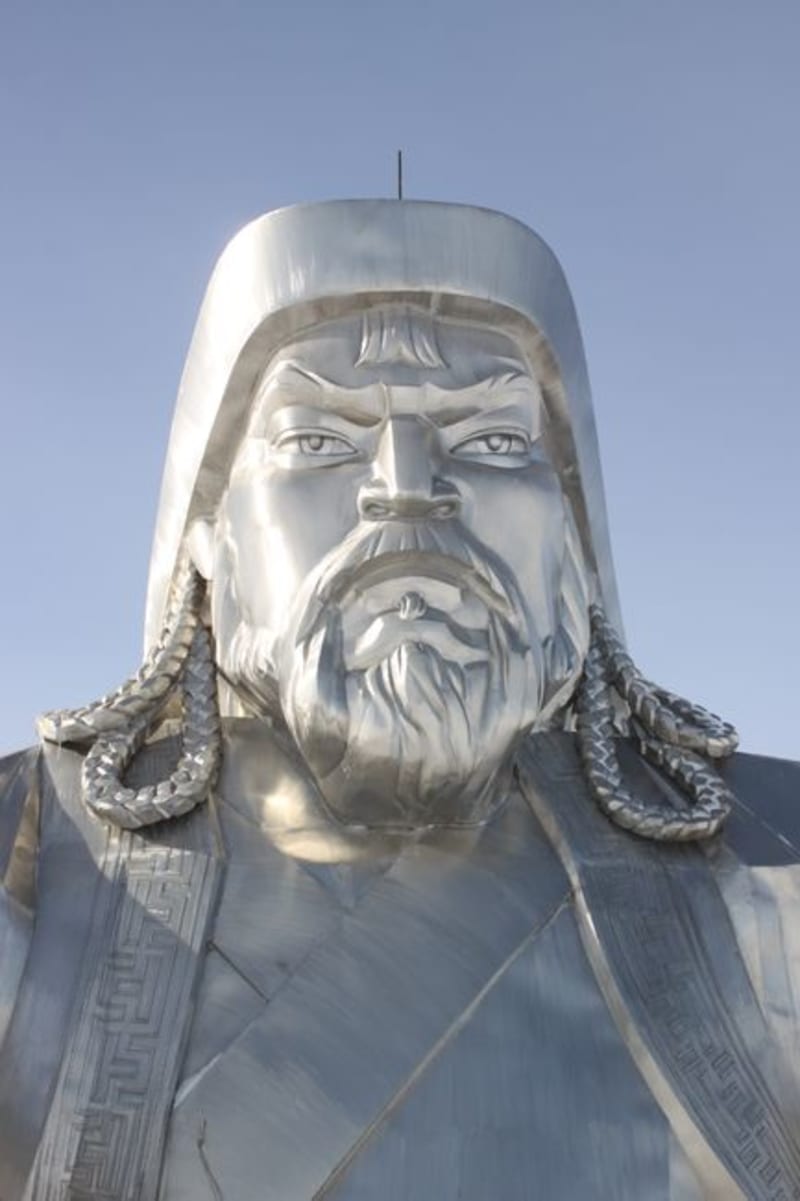 inner-mongolia
 Genghis Khan Mausoleum
A white-domed memorial on the Ordos grasslands where Mongols have honored their Khan's spirit for eight centuries.
Explore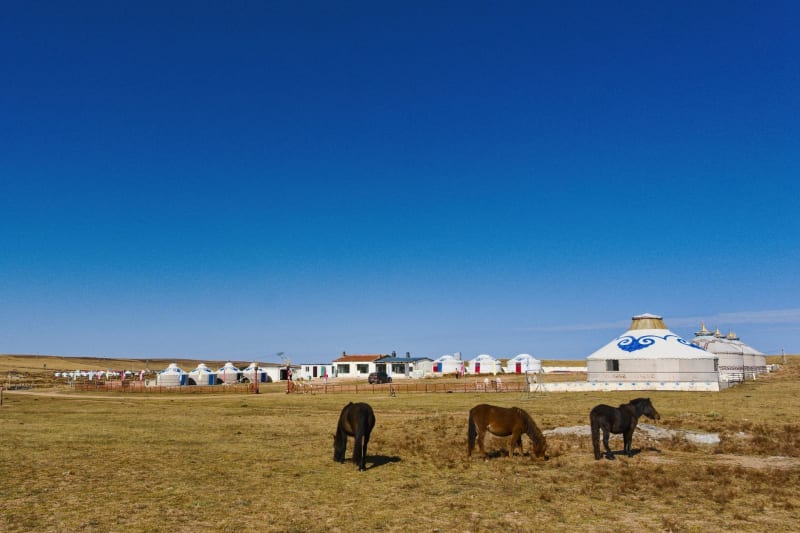 inner-mongolia
 Hohhot
Inner Mongolia's capital hides Tibetan temples and hand-pulled noodle joints behind an unremarkable industrial skyline.
Explore