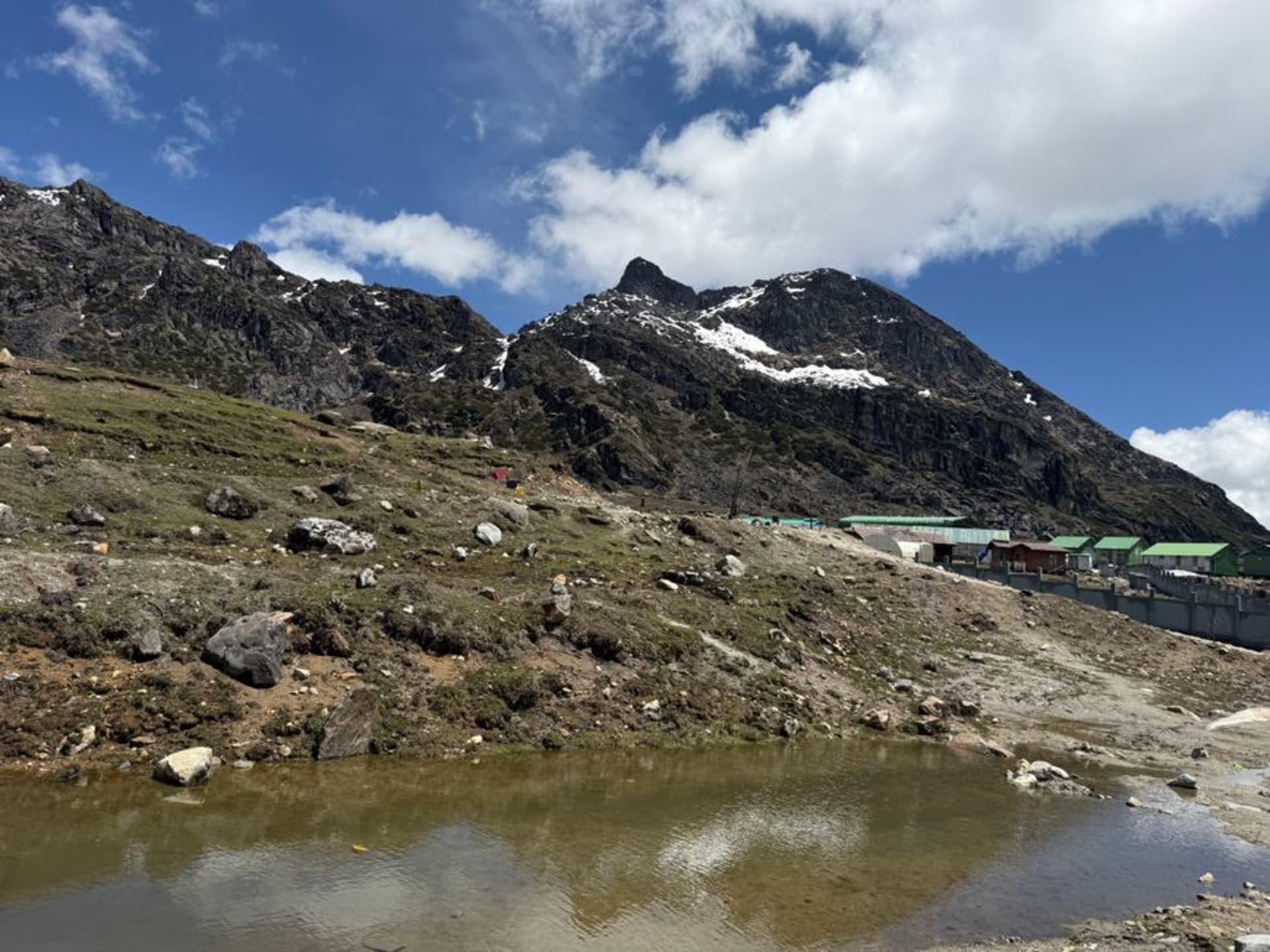
Tawang
"Seventeen hours from Guwahati by road, and every one of them worth it once the monastery came into view."
A 17th-century monastery town in Arunachal Pradesh's high Himalayas, reached over a 13,700-foot pass, closer to Lhasa in spirit than to Delhi.

Getting to Tawang is most of the story. There’s no functioning airport with regular civilian flights when I went, so the route in was a two-day road journey from Guwahati, climbing through Bhalukpong and Bomdila before the road narrows, ices over, and switchbacks up toward Sela Pass at 13,700 feet, one of the highest motorable passes in the world. My driver, a Monpa man named Tsering who’d done the route hundreds of times, still crossed himself — or rather, murmured a mantra — every time we cleared the pass, which told me something about how seriously the mountain is still taken even by people who cross it weekly. Snow was banked in walls taller than the jeep on either side of the road in October, and a frozen lake near the pass, Sela Lake, sat black and still under a sky so thin and blue it looked artificial.
Arunachal Pradesh requires an Inner Line Permit for Indian citizens and a Protected Area Permit for foreigners just to enter, a legacy of its sensitive position hugging the disputed border with Tibet and China, and that bureaucracy alone keeps the tourist numbers low. This is one of the least-visited corners of India I’ve been to, and also one of the most quietly extraordinary.
The monastery and a culture the plains don’t prepare you for
Tawang Monastery, founded in 1680-81 by Merak Lama Lodre Gyatso under the guidance of the Fifth Dalai Lama, is the largest Buddhist monastery in India and the second largest in the world after Lhasa’s Potala Palace. It sits on a ridge above the town like a small fortified city — over 300 monks in residence when I visited, a library holding scriptures and manuscripts centuries old, and a main prayer hall dominated by an eight-meter gilded statue of Buddha that the low butter-lamp light made seem to shift and breathe.
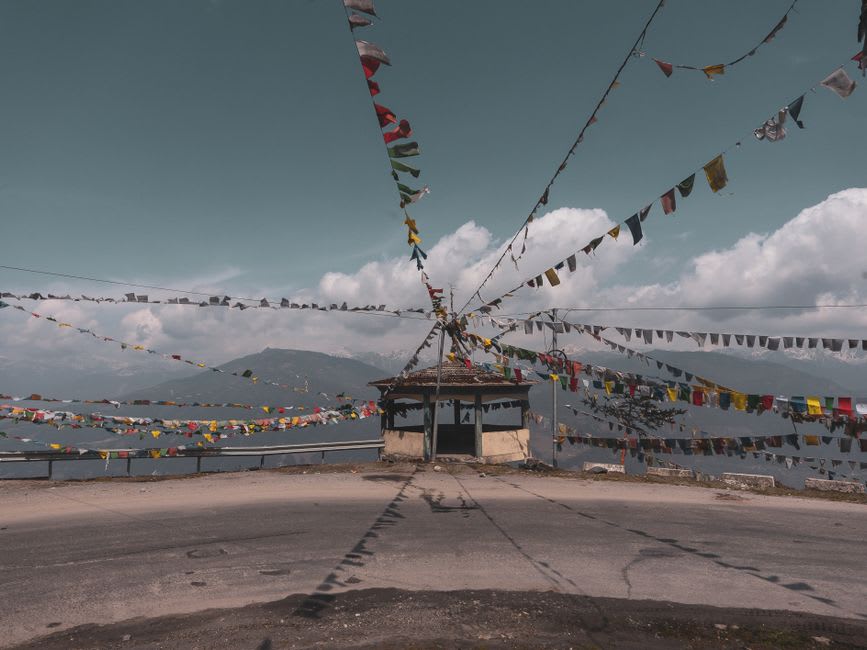
I sat in on the late-afternoon prayer session, young monks chanting in a low collective drone punctuated by cymbals and long horns, and an older monk afterward explained to me — in careful English learned at the monastery’s own school — that the sixth Dalai Lama, Tsangyang Gyatso, was born in a village near Tawang, a fact locals mention with evident pride. The Monpa people here, ethnically and culturally distinct from the plains of Assam just a day’s drive south, follow Tibetan Buddhism closely enough that the difference between Tawang and towns across the border in Tibet is, in many visible ways, more political than cultural.

I stayed three nights in a family-run guesthouse where the wood stove in the common room never went cold, and where dinner was thukpa — hand-pulled noodle soup — every single night, which I did not once mind given the temperature outside.
When to go: March to June and September to October, avoiding both the harsh winter snow that can close Sela Pass entirely and the summer monsoon landslides that make the mountain roads genuinely dangerous. Winter (December to February) is spectacular but road access becomes unreliable.
Keep exploring
More from India
 india
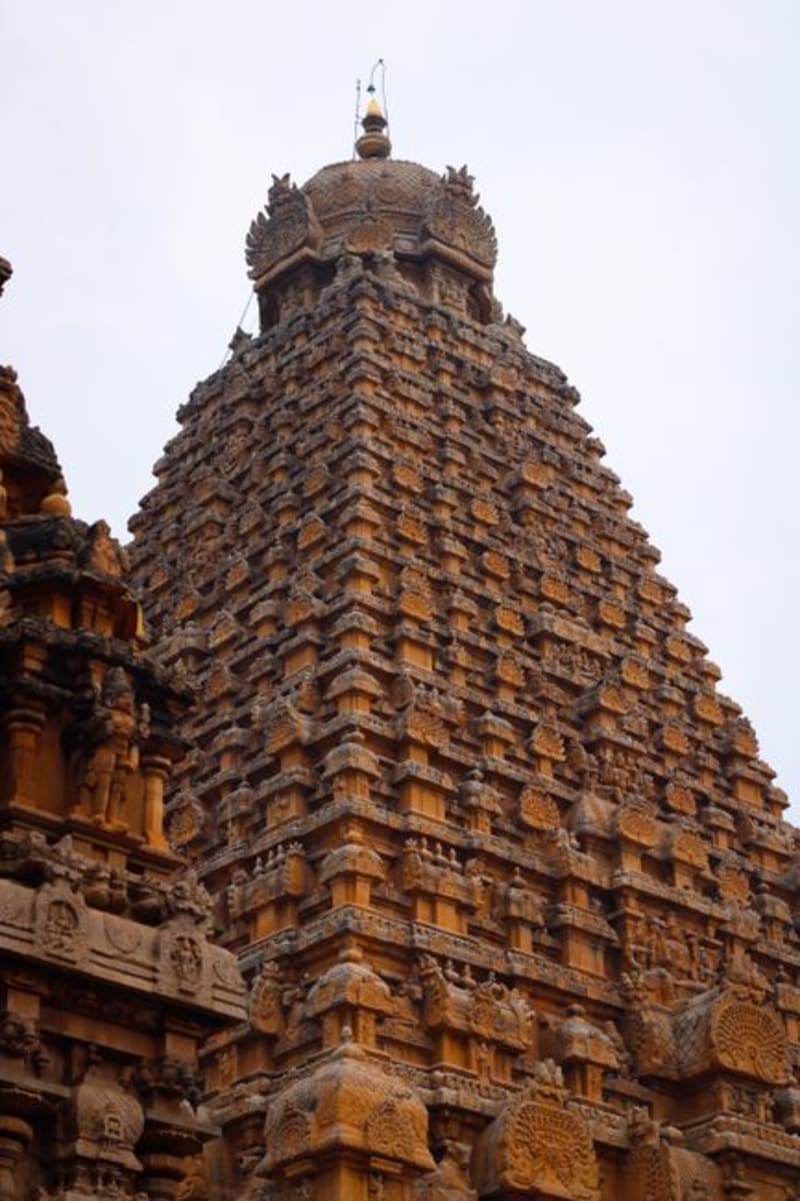
india Thanjavur
A Chola dynasty capital whose thousand-year-old granite temple still carries a dome carved from a single eighty-ton block, and whose painters and musicians never stopped working.
Explore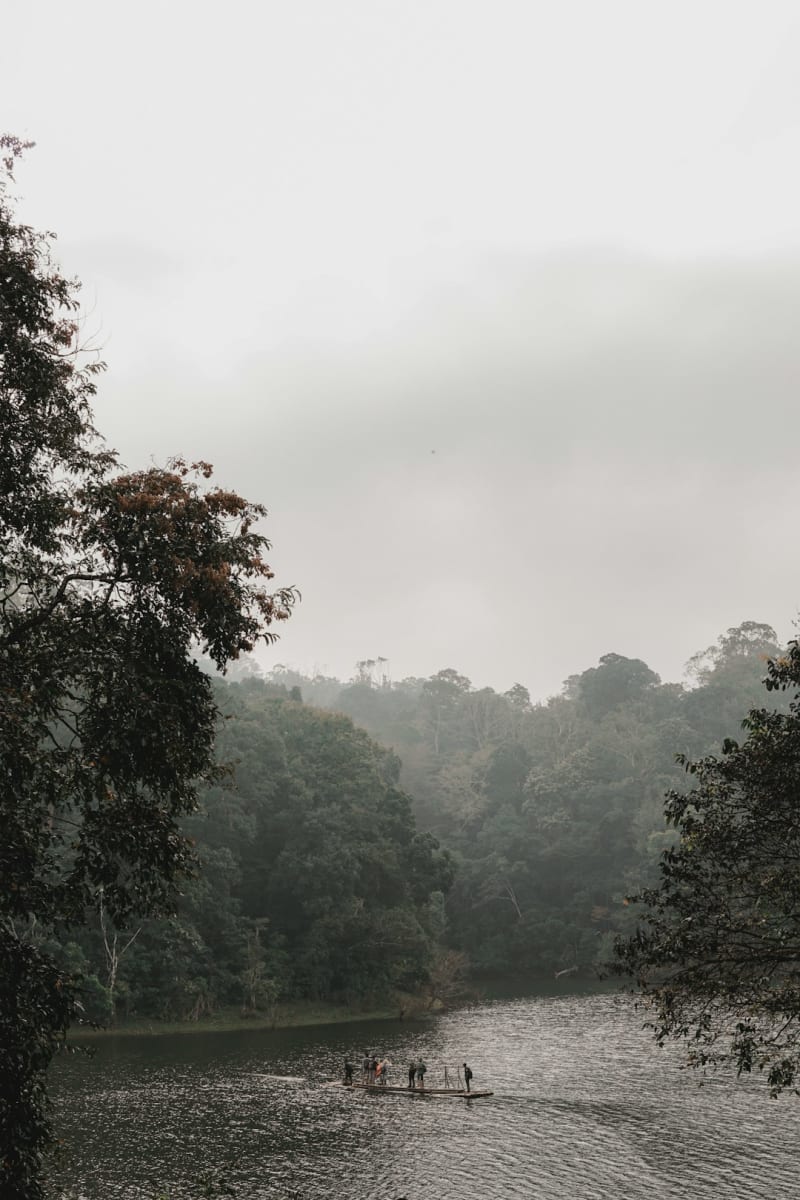 india
india Thekkady
A cardamom-hill town beside Periyar Tiger Reserve, where boat safaris drift past wild elephants at the water's edge and spice gardens perfume the surrounding slopes.
Explore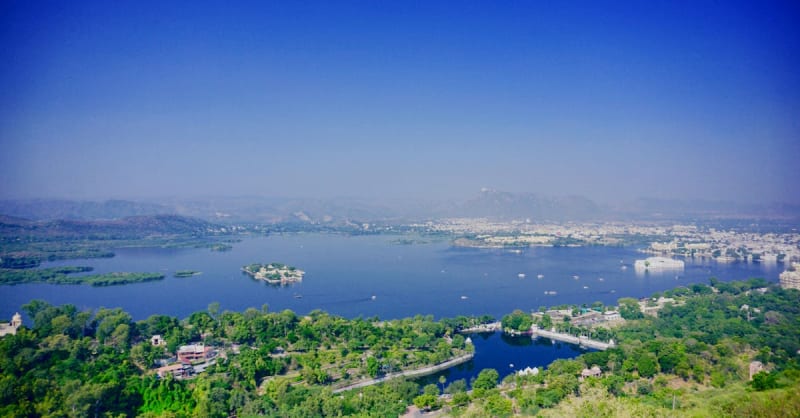 india
india Udaipur
The city of lakes, where white marble palaces float on still water and the romance of Rajasthan reaches its most refined expression.
Explore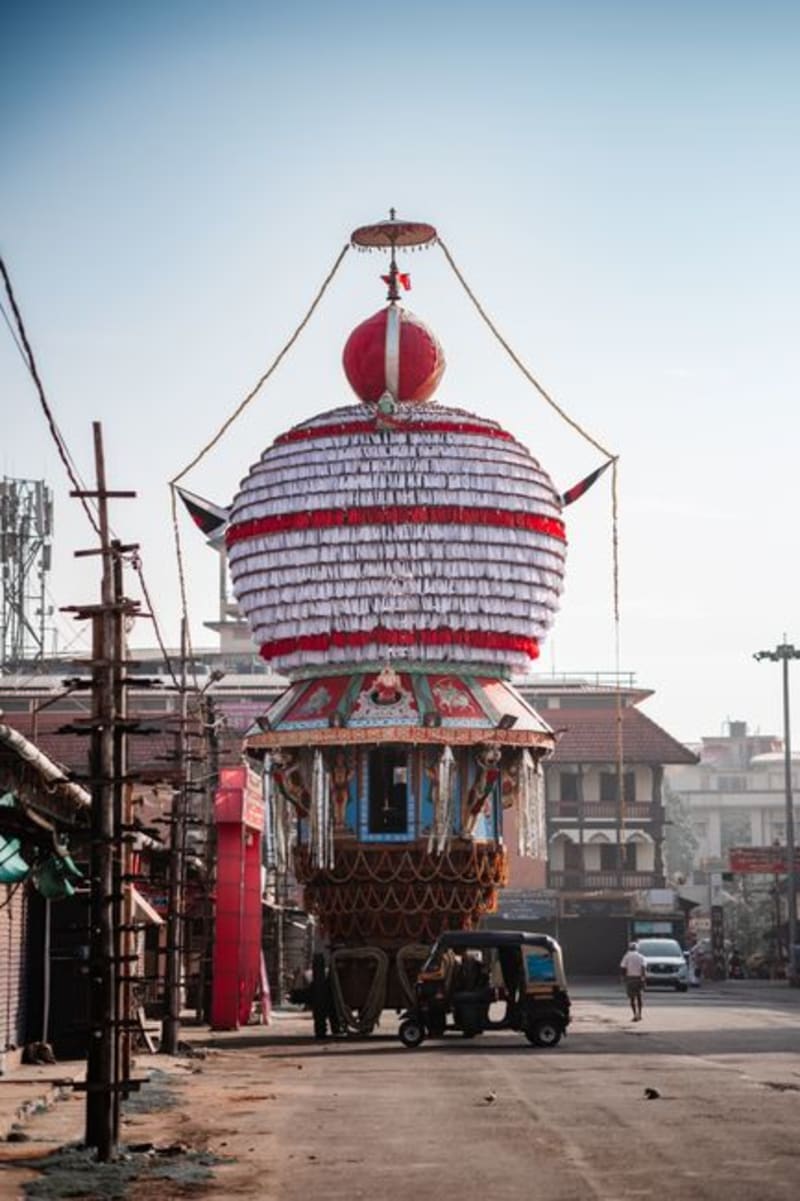 india
india Udupi
The small temple town that quietly invented the vegetarian food most of India eats every day, without ever seeming to notice its own influence.
Explore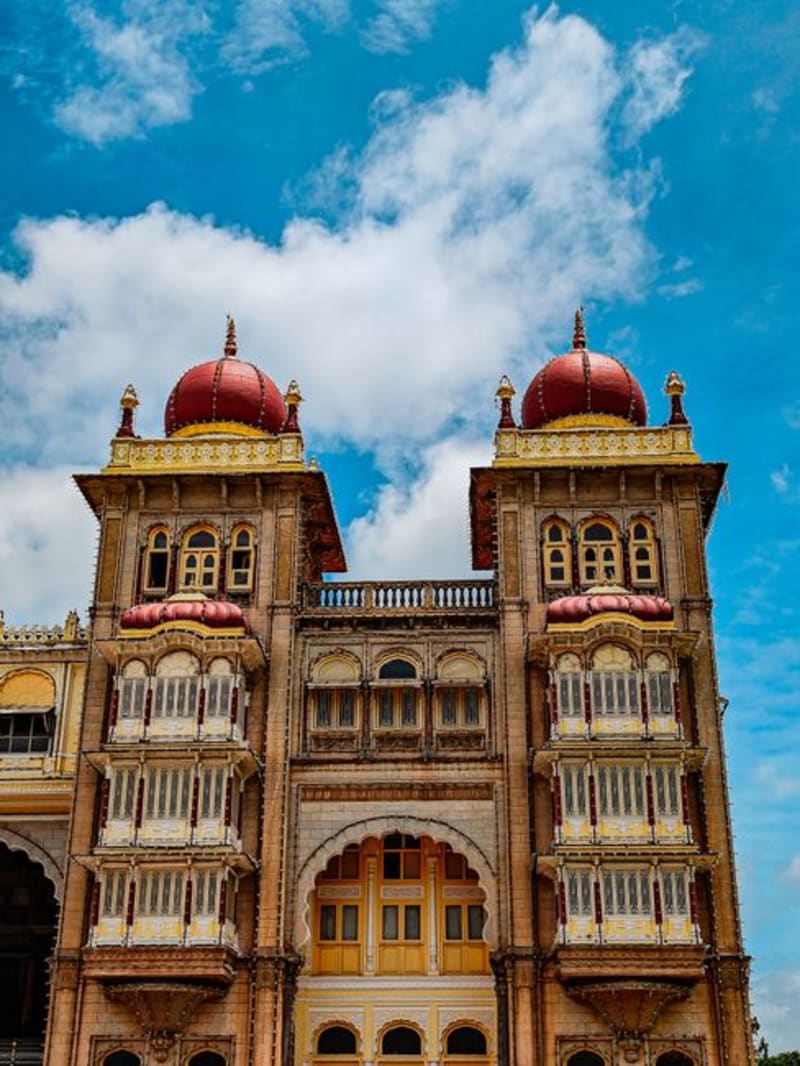 india
india Vadodara
Gujarat's cultural capital, where a palace larger than Buckingham Palace still houses the descendants of the Gaekwad dynasty and a garden hides one of Asia's oldest zoos.
Explore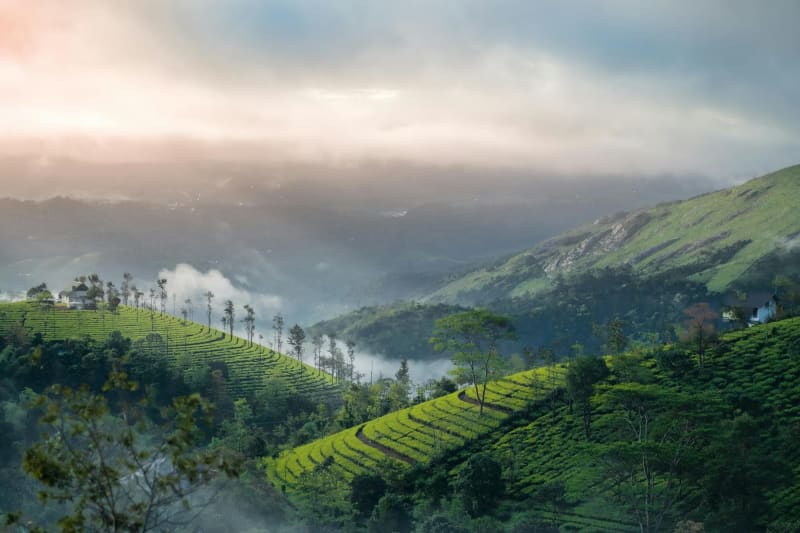 india
india Vagamon
Rolling meadows and pine forests in the Kerala highlands above Kottayam, without Munnar's traffic and tea-shop queues.
Explore