
Ranthambore
"Four safaris, one glimpse of stripes in the grass, and it was completely worth it."
A tiger reserve built around a 10th-century fort, where the safari jeeps go quiet mid-morning for the specific, electric chance of a tiger crossing the track.

I went into Ranthambore with modest expectations, having heard enough stories of tourists doing three or four safaris and seeing nothing but langurs and spotted deer to brace myself for disappointment. The park requires that kind of humility. Ranthambore National Park spreads across roughly 1,300 square kilometers of dry deciduous forest, rocky ridges, and lakes in eastern Rajasthan, and holds one of India’s best-known populations of wild Bengal tigers — somewhere around seventy, in a park famous for tigers that are, unusually, active during daylight hours and comparatively unbothered by jeeps, which is why photographers travel here from around the world.
My first two safaris produced nothing but the anticipation itself — open-topped canter trucks grinding along dirt tracks at dawn, everyone’s eyes on the undergrowth, guides reading pug marks in the dust like a language. It’s a strange, sustained tension, hours of scanning tree lines for a shape that may simply not appear. Then, on the third safari, in a stretch of scrub near Padam Talao lake, our guide raised a fist and the truck went completely silent, and there she was — a tigress moving unhurried along the track maybe thirty meters off, utterly indifferent to the six trucks that had converged to watch her. She crossed, paused to scent-mark a tree, and disappeared into grass the exact color of her coat. Nobody in the truck spoke for a full minute afterward.

A fort the tigers share with no one in particular
What sets Ranthambore apart from Africa’s big safari parks is the fort. Ranthambore Fort, built in the 10th century and fought over for centuries by Rajput rulers, Delhi sultans, and the Mughals, sits directly inside the park boundary on a rocky hill, its ramparts and temples now shared casually with the wildlife below — I’ve seen photos of tigers walking past its ancient gates, and while I didn’t get that exact shot, I did see a langur troop lounging in a fort archway like it owned the place, which felt like the same idea in miniature. The fort itself, reachable by a separate excursion from the safari zones, holds a Ganesh temple so revered that Indians nationwide mail wedding invitations there for blessing — a detail I found almost as memorable as the tiger.

Evenings at the lodge were spent comparing notes with other guests, and the tiger sighting math became its own running joke — who’d seen how many, on which zone, on which day. It’s a strange kind of gambling, booking multiple safaris across different zones of the park to improve your odds, but that uncertainty is precisely what makes an actual sighting land so hard. Nothing here is staged or guaranteed, which is rare enough in modern wildlife tourism to be worth saying twice.
When to go: November to April for the best sightings, when foliage thins and animals gather near the park’s lakes. April and May, though brutally hot, often produce the highest sighting rates as tigers linger near water. The park closes entirely during monsoon, from July to September.
Keep exploring
More from India
 india
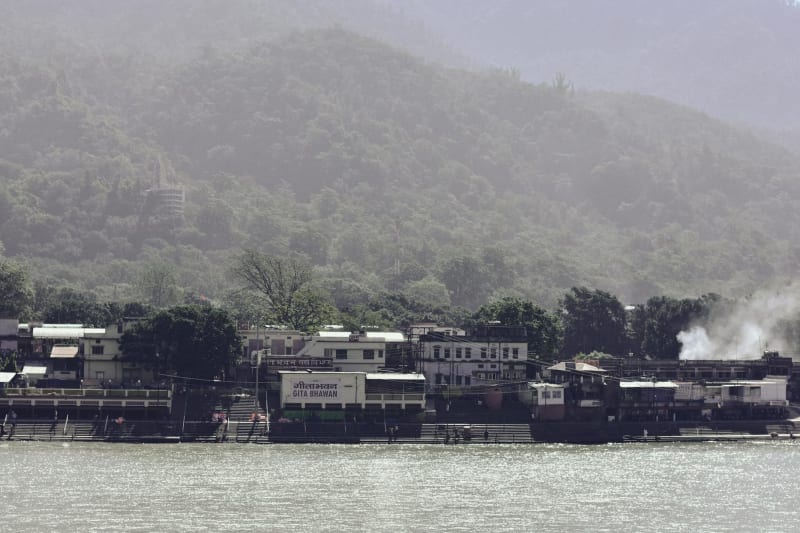
india Rishikesh
The yoga capital of the world where the Ganges rushes cold from the Himalayas past ashrams and suspension bridges.
Explore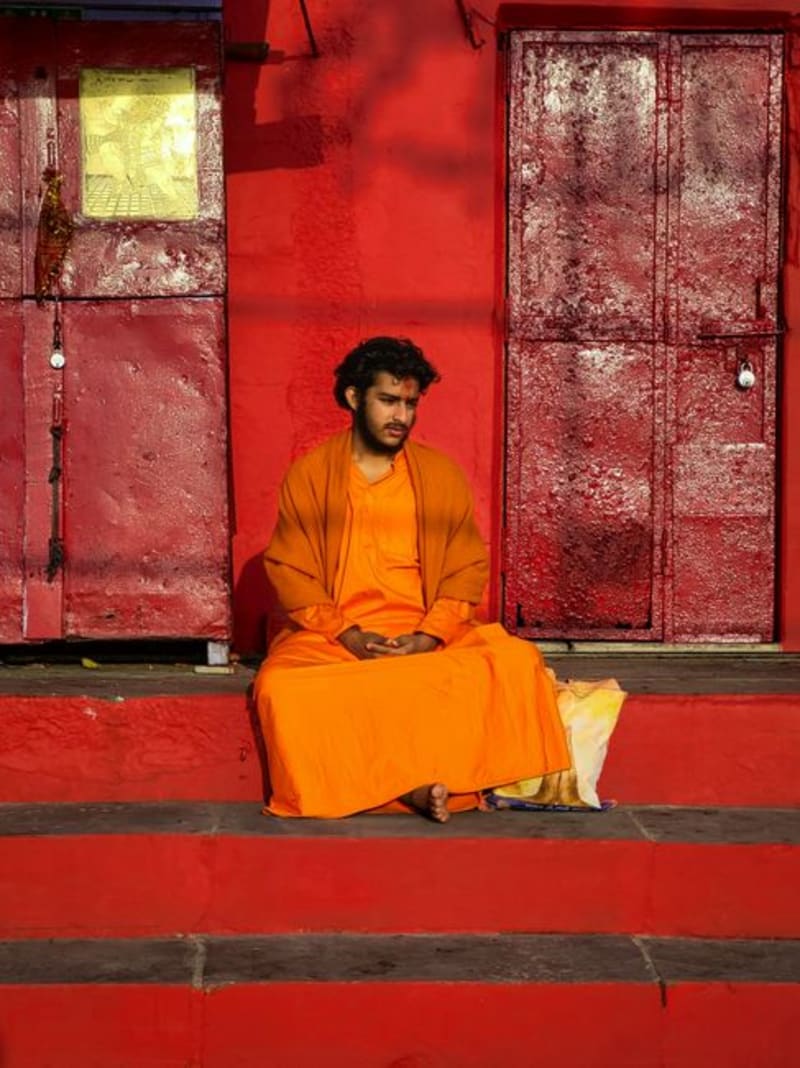 india
india Sarnath
The deer park outside Varanasi where the Buddha gave his first sermon, and where the noise of India finally, briefly, goes quiet.
Explore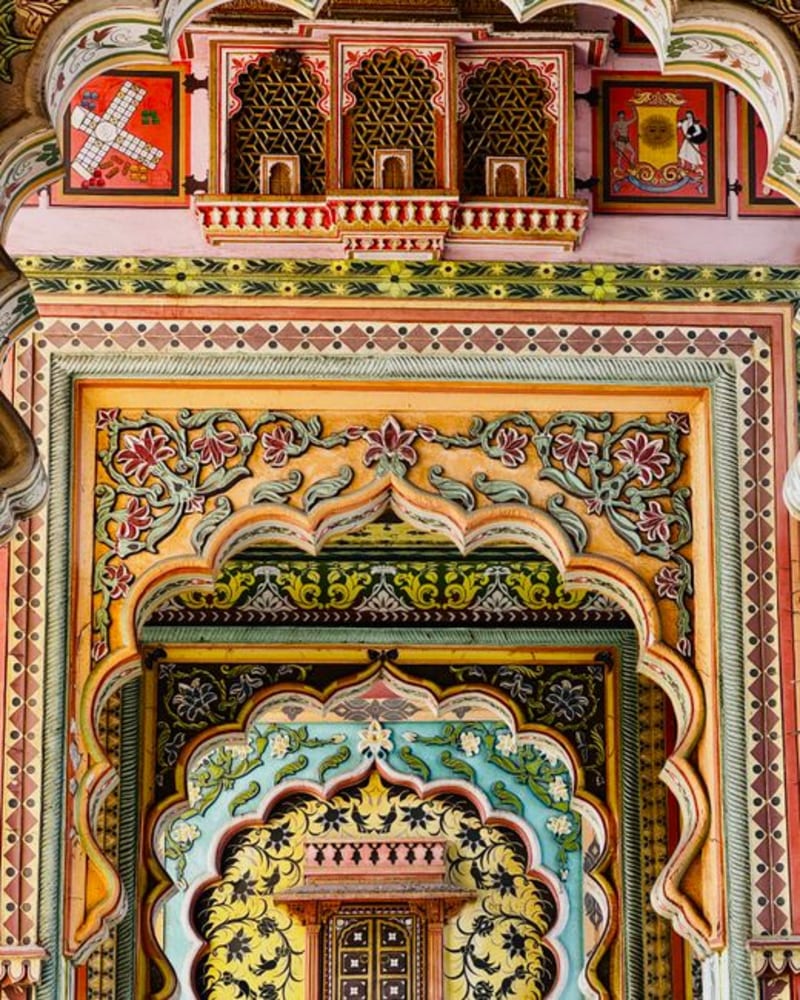 india
india Shekhawati
An open-air gallery of frescoed merchant mansions scattered across dusty Rajasthani towns, painted by families competing to outdo each other in color.
Explore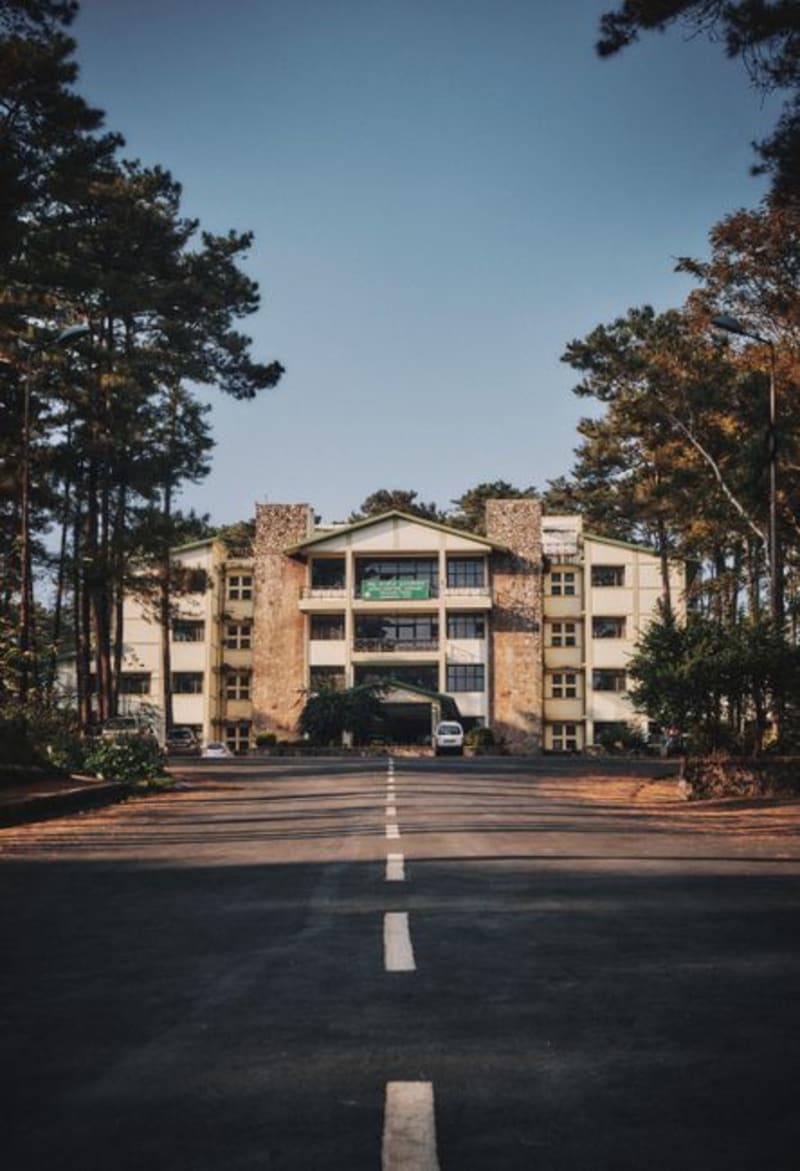 india
india Shillong
Meghalaya's hill capital where colonial pines, Khasi matriliny, and a genuine live-music obsession earned it the nickname Scotland of the East.
Explore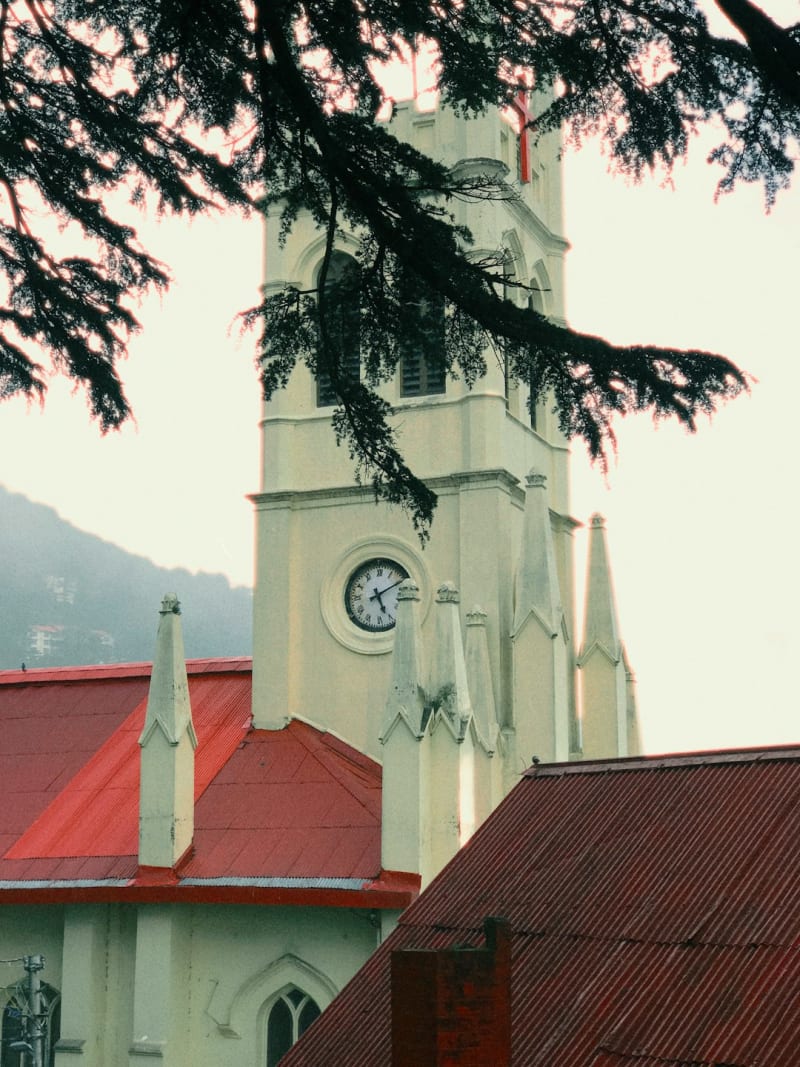 india
india Shimla
The former summer capital of the British Raj, strung along a Himalayan ridge with a toy train, a timber-framed Mall Road, and the fading grandeur of an empire that left but never quite packed up.
Explore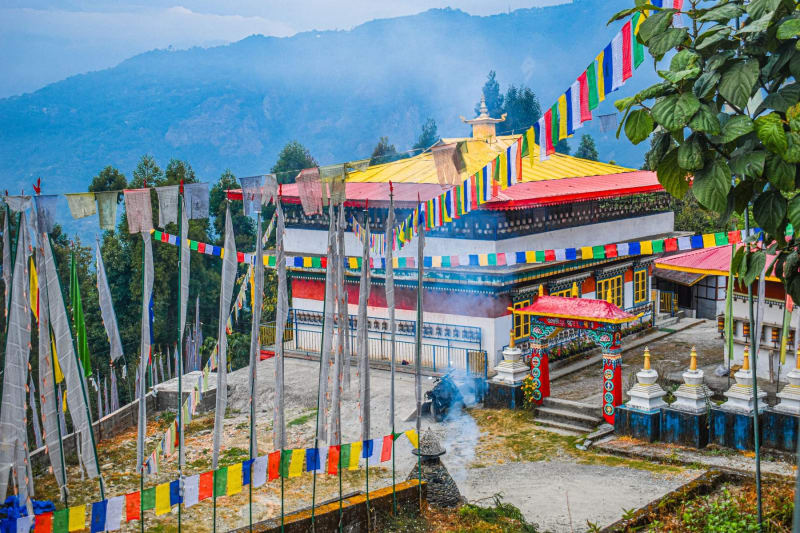 india
india Sikkim
Himalayan kingdom with Buddhist monasteries, cardamom forests, and views of the world's third-highest peak.
Explore