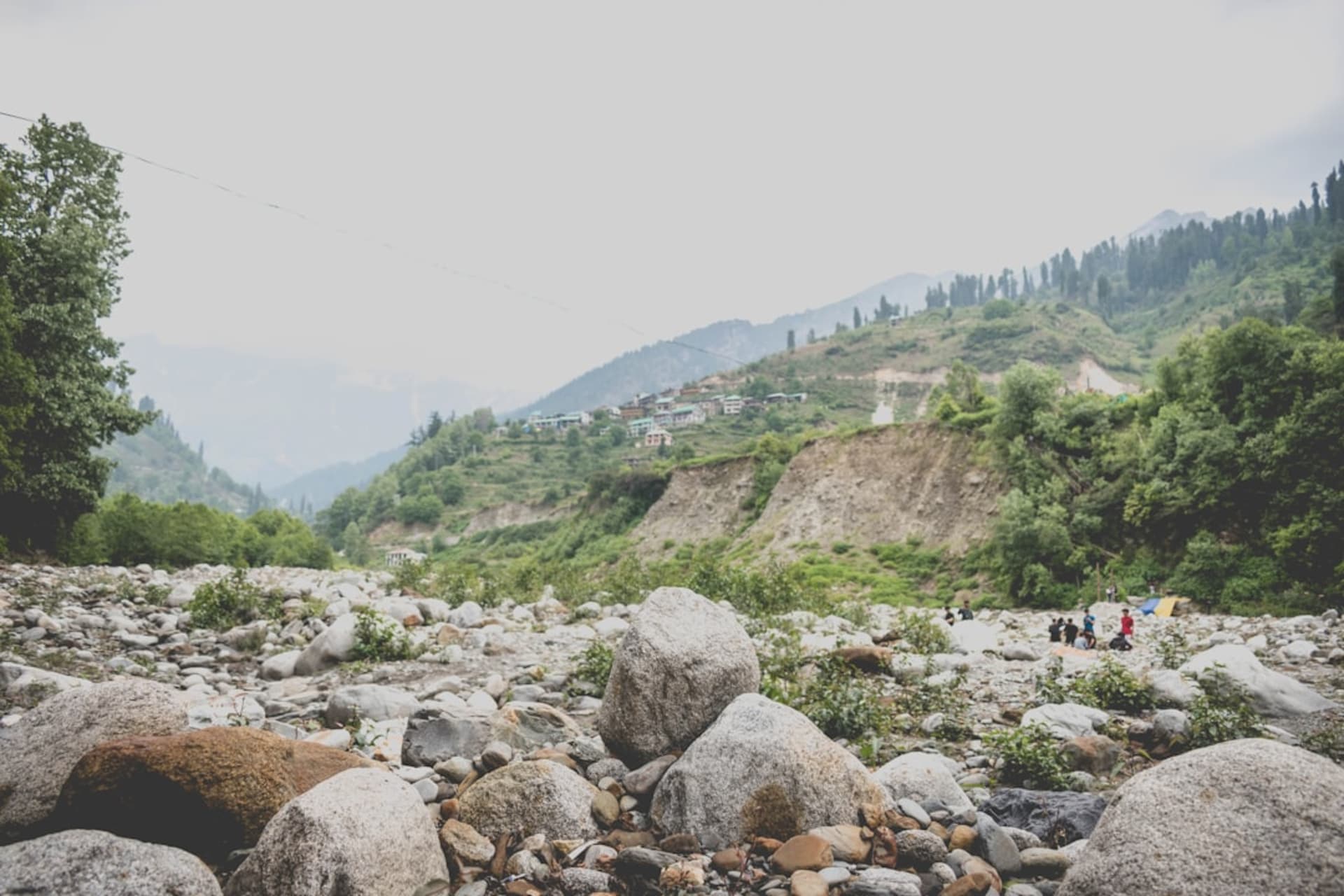
A Beas river valley town split between honeymooners on Mall Road and backpackers up in Old Manali, all of it staring at the same wall of snow that guards the road to Leh.

I arrived in Manali on an overnight bus from Delhi, the kind of journey that empties you out completely, and stepped off into air so cold and clean it felt like being slapped awake. The Beas river was running fast and grey-green just below the bus stand, fed by glacier melt from somewhere up the valley, and the mountains on either side were close enough that the town felt hemmed in rather than surrounded — a narrow ribbon of settlement squeezed between rock walls that block the sun by mid-afternoon in winter.
Mall Road, in the main town, is full of honeymoon-package energy — shawl shops, momos sold next to apple crumble, tour operators hawking Solang Valley day trips and Rohtang Pass snow excursions to couples from Mumbai and Delhi on their first trip to real snow. It has its charm, but it isn’t why people stay. Old Manali, a twenty-minute walk across the river and up a steep lane past Hadimba Temple’s cedar-wood pagoda, is the other Manali entirely: cafés playing Bob Marley, Israeli and European backpackers who arrived for a week and stayed for a season, guesthouse rooftops strung with prayer flags, and a slower, scruffier rhythm that has almost nothing to do with the honeymoon circuit two kilometres away.

The gateway everyone eventually leaves through
What makes Manali more than a pretty valley town is what it points toward. This is the last real town before the road climbs to Rohtang Pass and then, for the properly committed, all the way over to Leh and Ladakh — a two-day drive across some of the highest motorable passes on earth. I sat in a café in Old Manali one evening next to a French couple in a battered Enfield jacket, poring over a hand-drawn map of the Manali-Leh highway, checking which passes were open, and I felt the particular pull of a place that is not a destination so much as a threshold. Hadimba Temple itself, a four-tiered wooden pagoda dedicated to a demoness from the Mahabharata who is worshipped rather than feared here, sits in a grove of ancient deodar cedars so tall and dark they turn midday into dusk — one of the strangest, most atmospheric temple settings I’ve found anywhere in India.
I took the gondola up to Solang Valley on a clear morning and watched paragliders launch off the ridge into a void of white peaks, then ate a plate of Himachali siddu — steamed bread stuffed with walnut and poppy seed — at a stall run by a woman who’d been feeding trekkers on that same spot for twenty years, long before Solang became an Instagram backdrop.

When to go: March to June for warm days and clear mountain views, or October to February if you want snow and don’t mind the cold. The Manali-Leh highway itself is only open roughly June to October.
Keep exploring
More from India
 india
india Mangalore
A Konkan coast port city of red-tiled roofs and fierce seafood, where banking history and fish curry share the same humid air.
Explore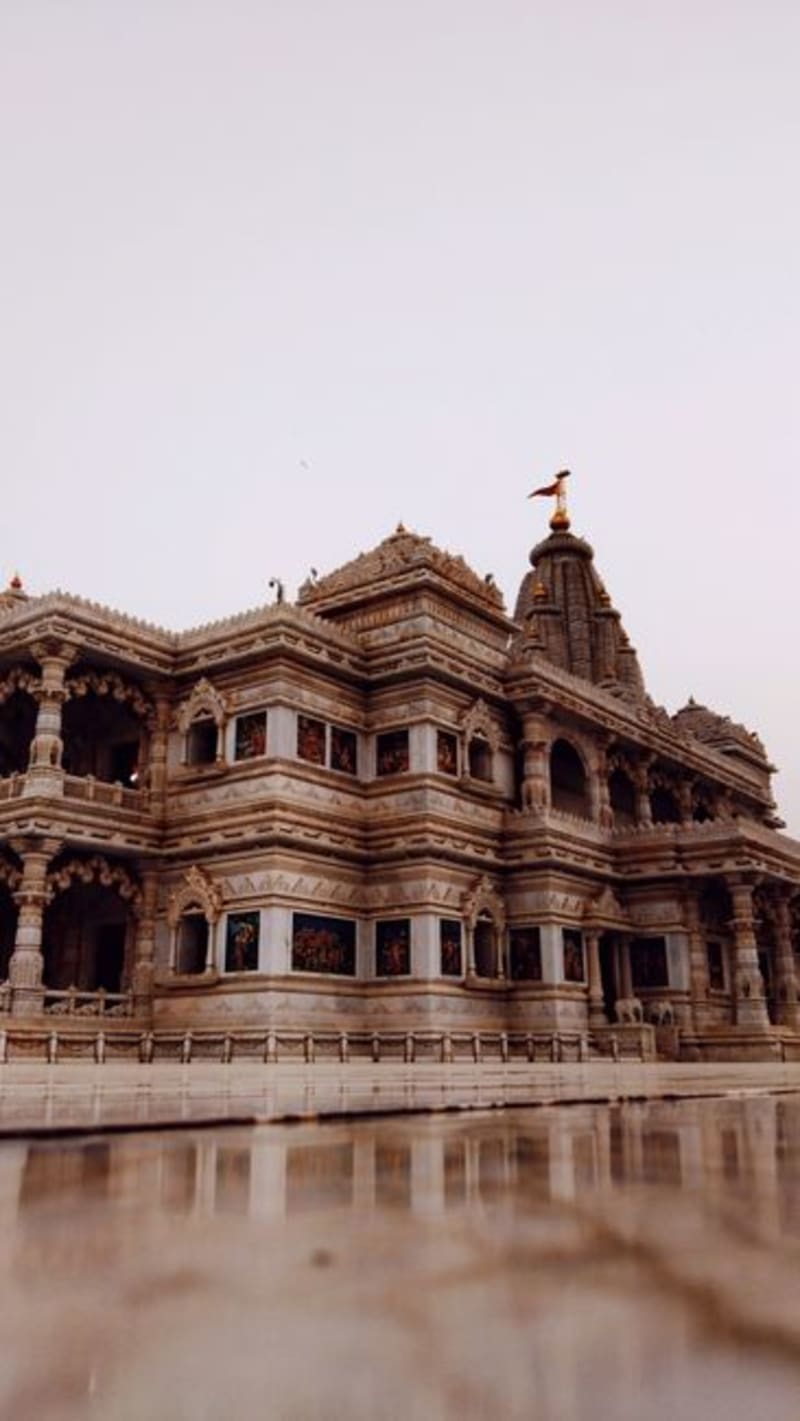 india
india Mathura
Krishna's birthplace on the Yamuna, a dense, devotional city where every wall seems painted blue and every street smells faintly of frying sweets.
Explore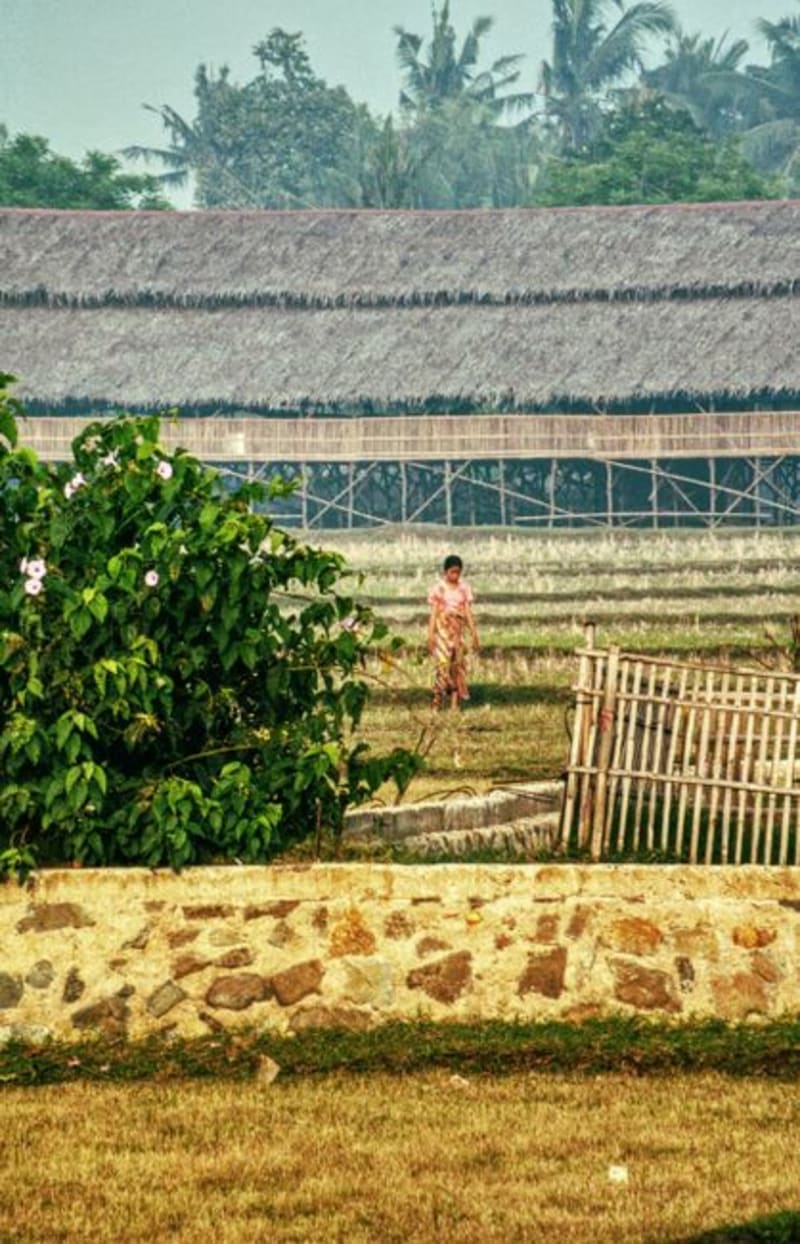 india
india Mawlynnong
A Khasi village crowned 'Asia's cleanest' by decades of community discipline, with a living root bridge and a bamboo skywalk over the plains of Bangladesh.
Explore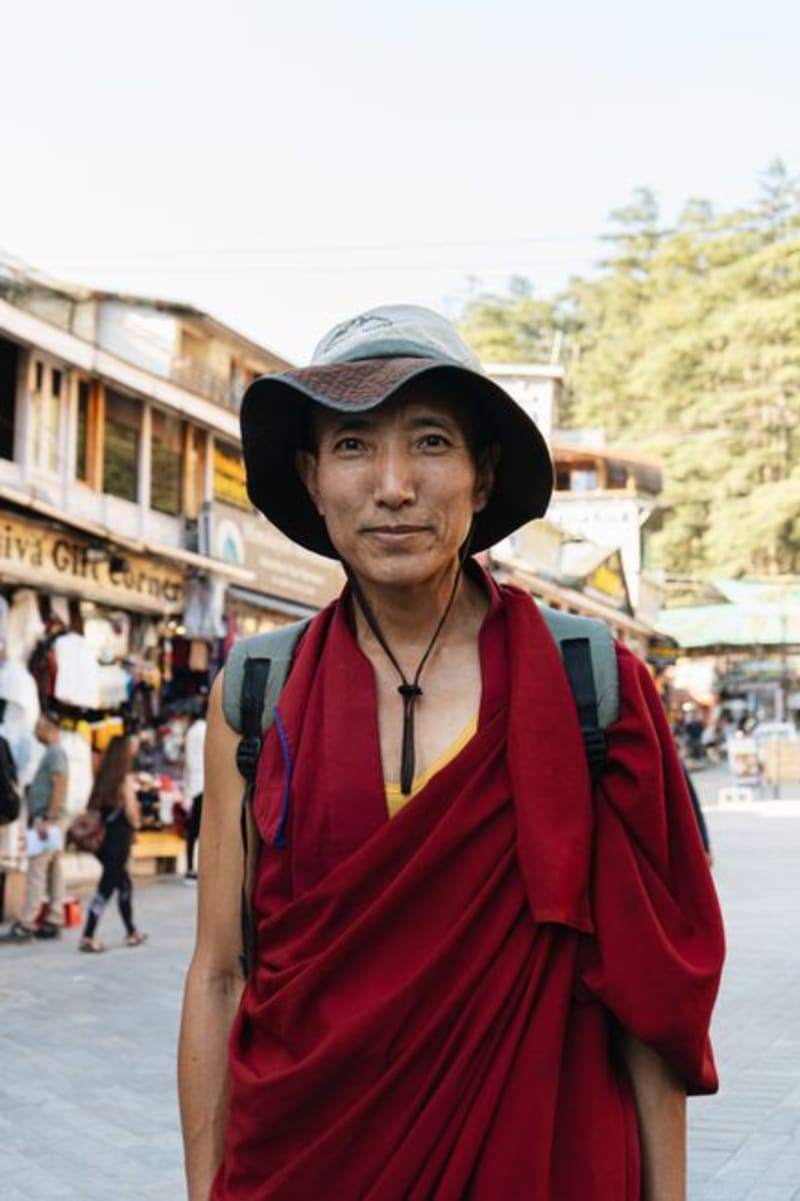 india
india McLeod Ganj
The hillside village above Dharamshala where the Dalai Lama has lived in exile since 1960, and where maroon-robed monks, prayer wheels, and momo stalls have built a Tibet-in-miniature into the Himalayan slope.
Explore india
india Mount Abu
Rajasthan's only hill station, cool and pine-scented above the desert, home to Jain marble carving so fine it looks impossibly translucent.
Explore india
india Mumbai
India's maximum city -- a relentless, cinematic metropolis where Bollywood dreams and street-food reality collide on every corner.
Explore