Mathura
"Mathura doesn't do subtlety, and by the third temple bell I'd stopped expecting it to."
Krishna's birthplace on the Yamuna, a dense, devotional city where every wall seems painted blue and every street smells faintly of frying sweets.

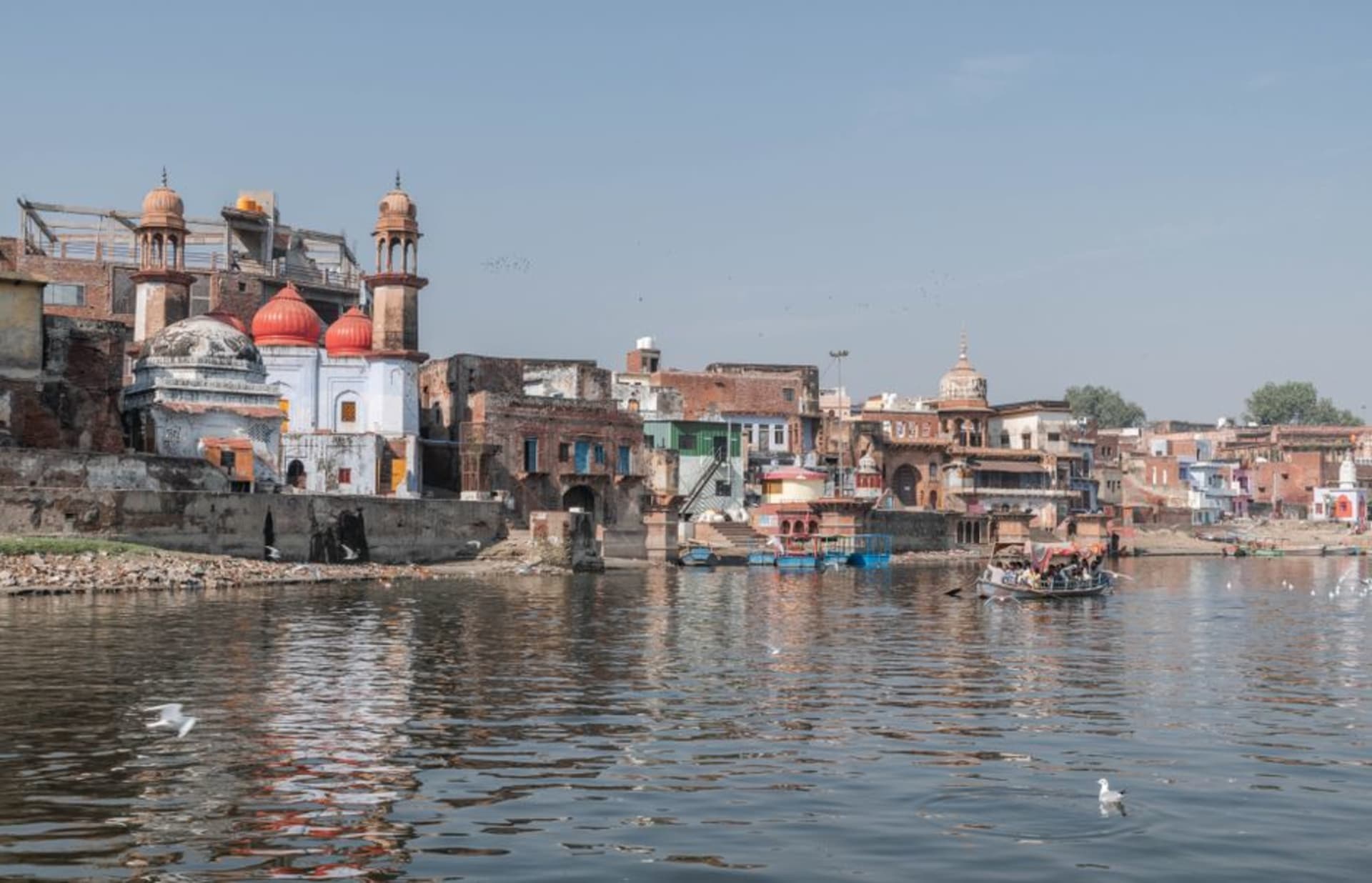
Mathura hits you with bells before it hits you with anything else — from the moment I stepped out of the train station, some temple somewhere was ringing, and it never really stopped for the two days I stayed. This is the city where Hindus believe Krishna was born, inside a prison cell where his uncle Kansa had imprisoned his parents, and the entire town organizes its identity, its economy, and its soundtrack around that single event.
The Krishna Janmabhoomi complex sits directly beside the Shahi Idgah mosque, the two structures pressed against each other in a proximity that carries centuries of layered history and, more recently, legal dispute over the site’s ownership — a subject locals discuss carefully and briefly before changing topic. Inside the temple complex, the actual believed birthplace is marked by a small, heavily guarded cell, and I queued alongside pilgrims chanting Krishna’s names under their breath, the devotion in the room thick enough that even my note-taking felt like an intrusion.
A city painted the color of its god
What struck me more than any single monument was the color. Krishna is traditionally depicted with blue-black skin, and Mathura has absorbed that palette into its own fabric — shopfronts painted blue, idols wrapped in blue silk, peacock feathers (Krishna’s signature accessory) sold in bundles on every second corner. I bought a small brass flute from a stall near the ghats, a nod to Krishna’s own instrument, and the vendor threw in a peacock feather without being asked, “for luck,” he said, in the offhand way people here treat objects that are simultaneously souvenirs and genuine devotional items.

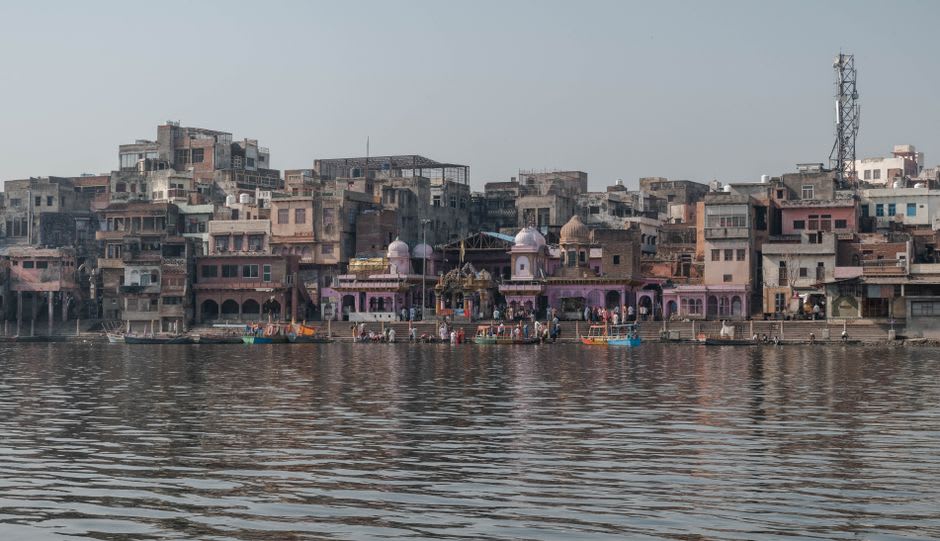
The Yamuna ghats at Vishram Ghat, where legend says Krishna rested after killing Kansa, were the calmest part of my visit — boatmen offering short rides at sunset, priests performing aarti with a fire so large the heat reached the crowd on the steps, and the river itself, more sluggish and heavily used than the Ganges but treated with equal reverence. Mathura is also, famously, one of the epicenters of Holi, and even outside the festival window, shops sell dried gulal powder in every shade, a preview of the chaos that engulfs the city each spring when pilgrims arrive specifically to be pelted with color in Krishna’s honor.
When to go: October to March for manageable heat. If you want the full spectacle, come for Holi in March, but book well ahead — Mathura and neighboring Vrindavan are ground zero for the festival and fill up completely.
Keep exploring
More from India
 india
india Mawlynnong
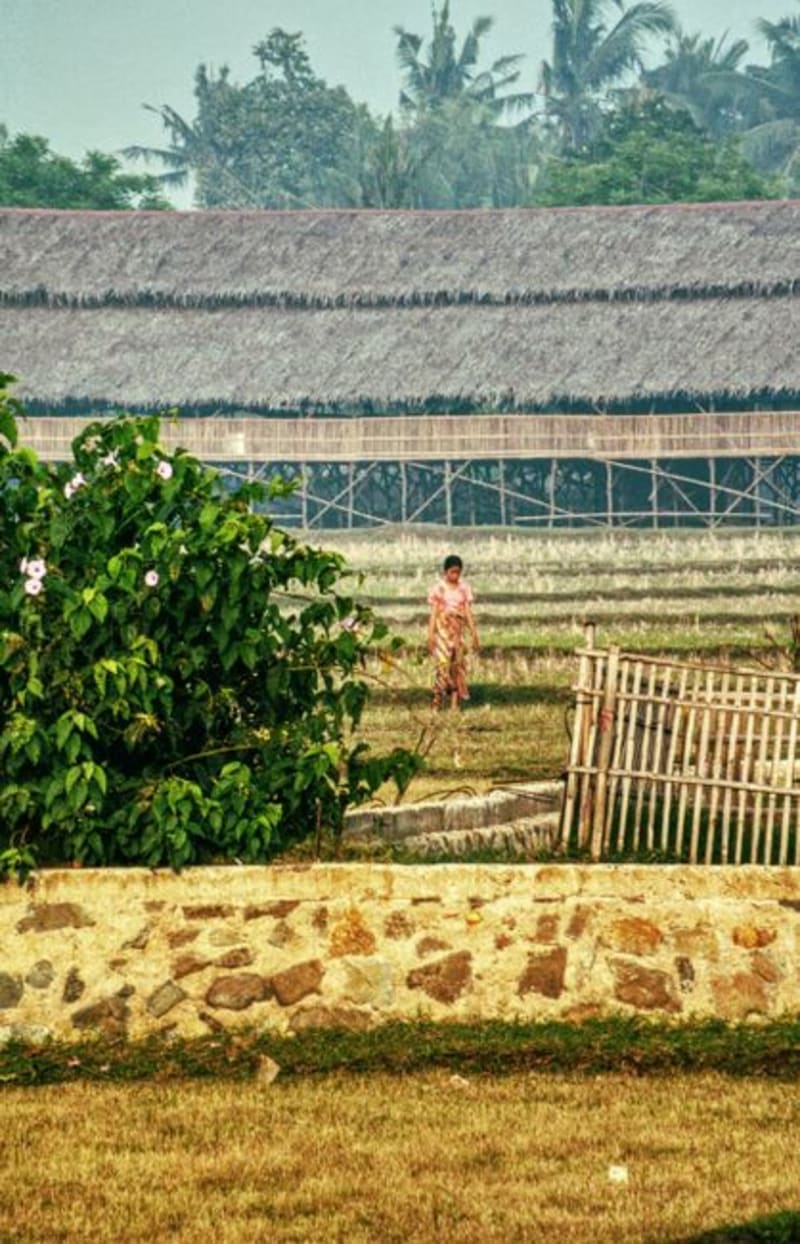
A Khasi village crowned 'Asia's cleanest' by decades of community discipline, with a living root bridge and a bamboo skywalk over the plains of Bangladesh.
Explore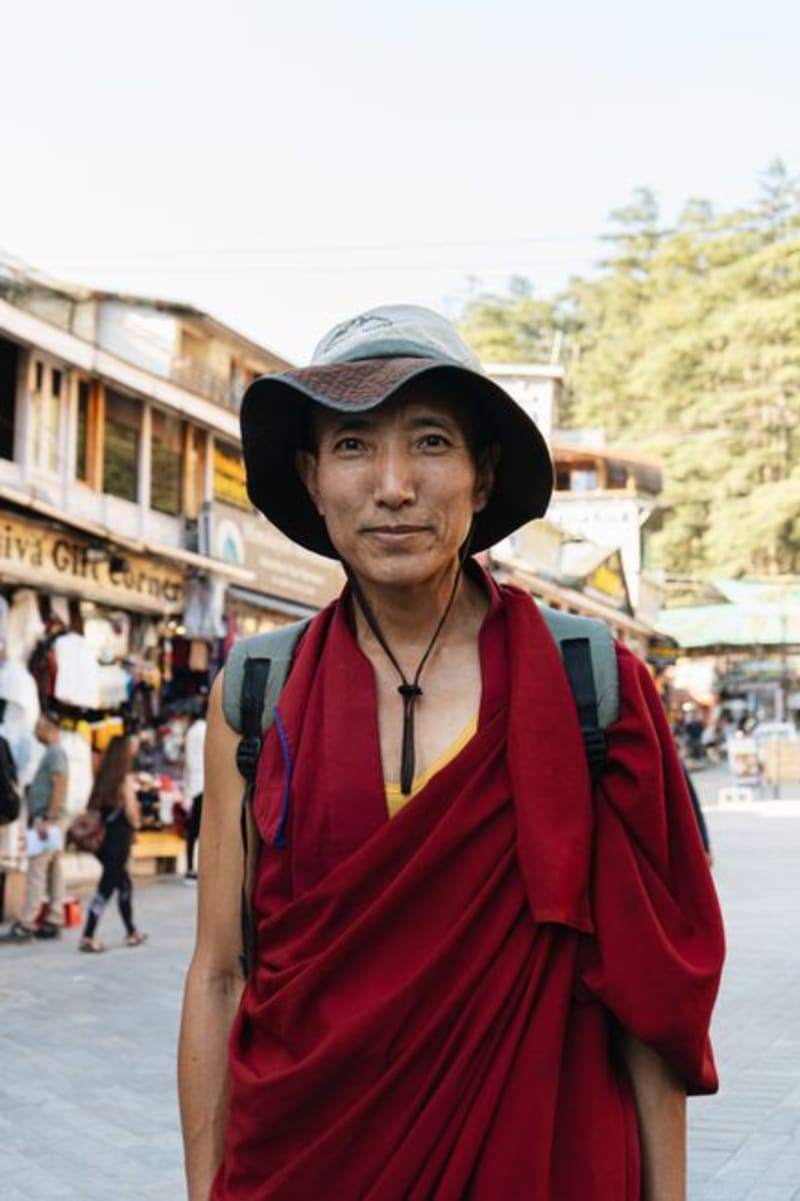 india
india McLeod Ganj
The hillside village above Dharamshala where the Dalai Lama has lived in exile since 1960, and where maroon-robed monks, prayer wheels, and momo stalls have built a Tibet-in-miniature into the Himalayan slope.
Explore india
india Mount Abu
Rajasthan's only hill station, cool and pine-scented above the desert, home to Jain marble carving so fine it looks impossibly translucent.
Explore india
india Mumbai
India's maximum city -- a relentless, cinematic metropolis where Bollywood dreams and street-food reality collide on every corner.
Explore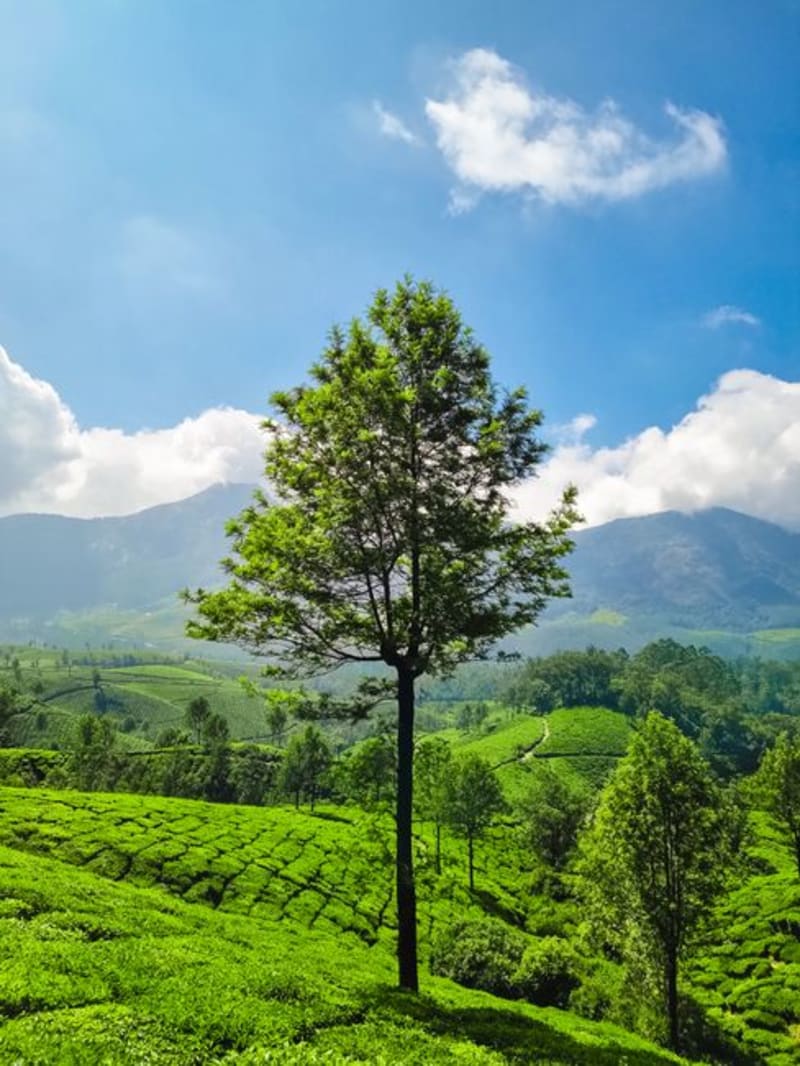 india
india Munnar
A hill station buried in tea plantations across the Western Ghats, home to the endangered Nilgiri tahr and a flower that blooms once every twelve years.
Explore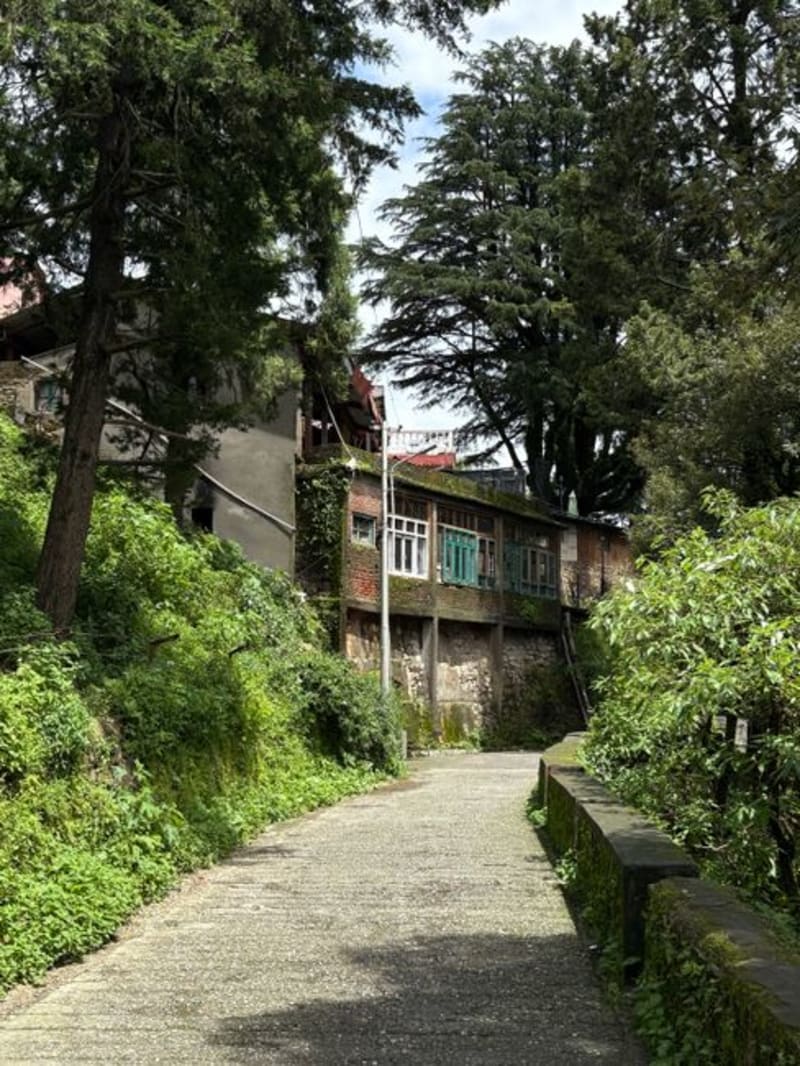 india
india Mussoorie
The 'Queen of the Hills,' a ridge-top town above the Doon Valley where Mall Road crowds and Kempty Falls tourists give way, just up the road, to Landour's quiet colonial lanes.
Explore