
Goa
"India's beach state -- where the colonial past and the hippie present shake hands over a kingfisher beer."
A former Portuguese colony where Latin churches stand beside Hindu temples and the beaches range from full-moon raves to complete solitude.

Goa occupies a unique position in the Indian imagination — it is the place where rules relax, where the food is influenced by Portuguese kitchens, and where the beach culture ranges from hedonistic to hermetic depending on which strip of sand you choose. North Goa is the louder side: Baga and Calangute have the crowds, Anjuna has the flea market and the trance music legacy, and Vagator offers clifftop bars with sunset views that justify every cliche ever written about this coast.
As a French guy who has lived on the Mexican coast, I thought I knew beach towns. Goa corrected me. The Portuguese influence here runs four hundred and fifty years deep, and you taste it in every bite of vindaloo — real vindaloo, not the British curry house version, but a pork dish marinated in vinegar and garlic that traces its name to the Portuguese vinha d’alhos. The churches of Old Goa, the former colonial capital, are extraordinary: the Basilica of Bom Jesus holds the remains of St. Francis Xavier in a silver casket, and Se Cathedral is the largest church in Asia, its baroque facade more Lisbon than Lucknow. I wandered through these churches with the disorienting sense of being simultaneously in India, in Europe, and in a time that belonged to neither.

South Goa is the antidote to the north’s noise. Palolem is a crescent of palm-backed perfection where the beach huts are simple, the restaurants serve fish caught that morning, and the evenings end with silence rather than bass. Agonda is quieter still, its shoreline long enough that you can always find a stretch of empty sand even in peak season. I spent a week in south Goa, eating xacuti spiced with poppy seeds and coconut, drinking feni distilled from cashew fruit, and reading novels in a hammock while the Arabian Sea performed its daily colour changes from turquoise to gold to violet.

The hinterland is the Goa that most tourists miss entirely. Fontainhas, the Latin Quarter of Panaji, is a warren of pastel-painted Portuguese townhouses, tile-roofed and balconied, where the residents still speak Konkani with Portuguese loanwords and the bakeries sell bebinca, a layered coconut cake that takes hours to prepare. The spice plantations in Ponda offer tours and lunches that demonstrate just how many flavours the Goan kitchen draws from its own soil. This is a state that has absorbed conquest and counterculture and tourism and emerged with its identity not just intact but enriched — a place where every layer of history has added something to the table, literally.

When to go: November to February for dry, sunny weather. October and March are shoulder months with fewer crowds. The monsoon from June to September closes most beach shacks but turns the landscape impossibly green.
Keep exploring
More from India
 india
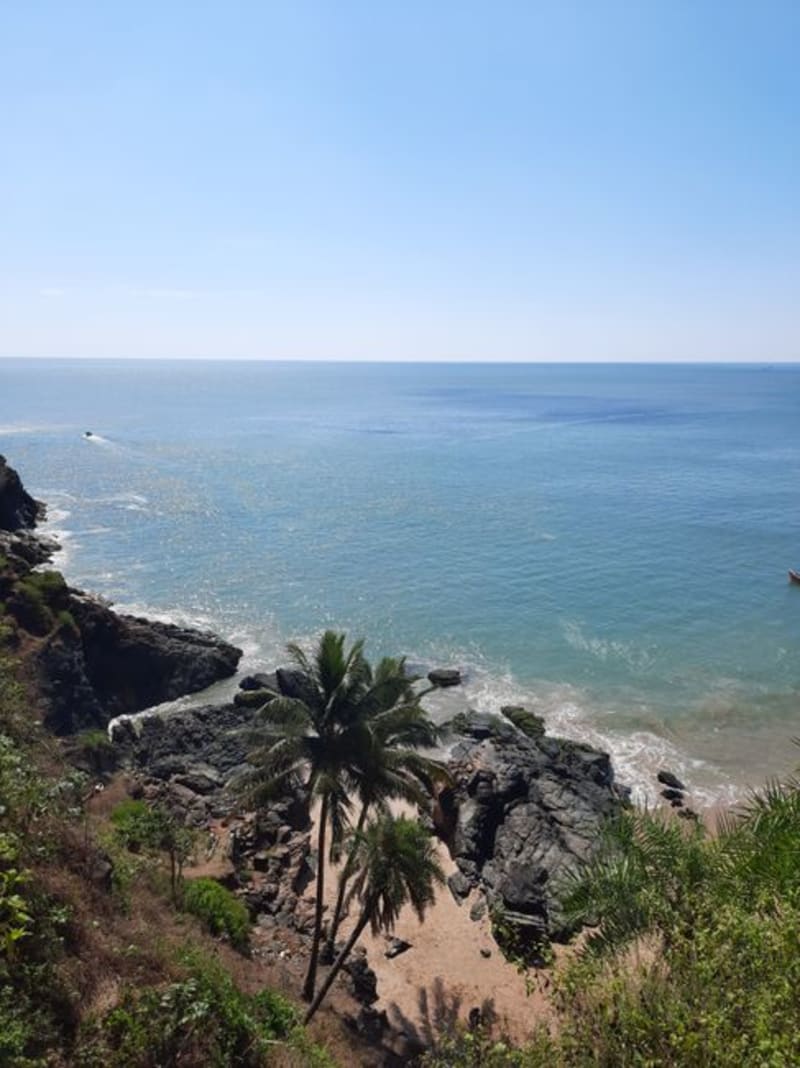
india Gokarna
A pilgrimage town and crescent-beach hideaway on the Karnataka coast, where the cliff walk between coves is worth more than the beaches themselves.
Explore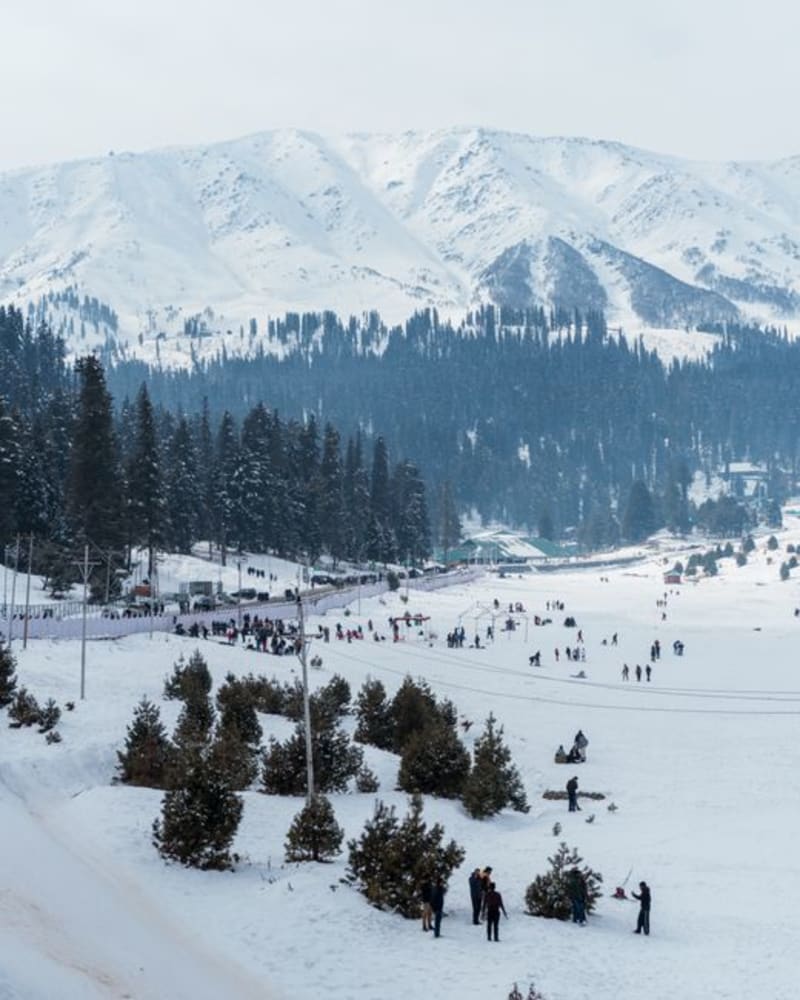 india
india Gulmarg
Kashmir's ski town, riding one of the world's highest cable cars up to alpine snow in winter and a meadow thick with wildflowers come summer.
Explore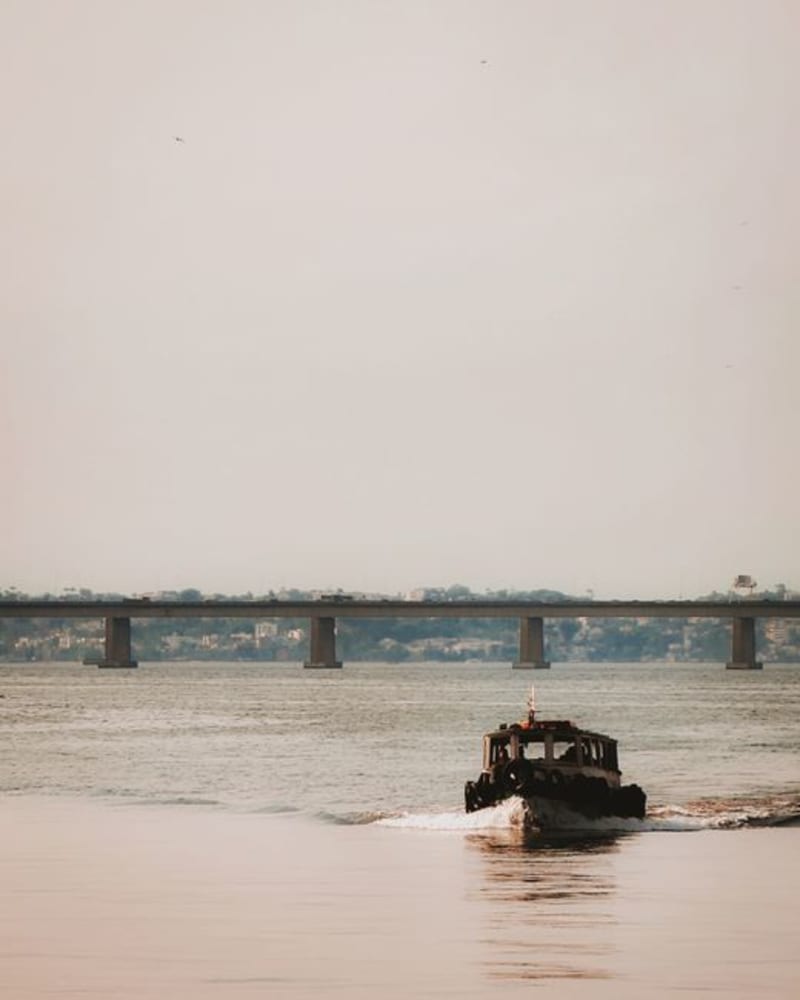 india
india Guwahati
Assam's riverside gateway on the Brahmaputra, home to a blood-sacrifice temple of ferocious devotion and an island shrine you reach by rowboat.
Explore india
india Gwalior
A hilltop fort so formidable a Mughal emperor called it the pearl among fortresses, guarding blue-tiled palaces and the tomb of India's greatest musician.
Explore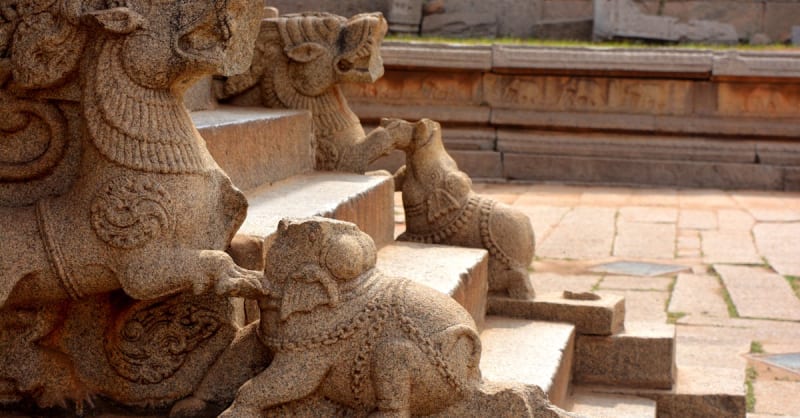 india
india Hampi
A surreal landscape of boulder-strewn hills and ruined temples where the capital of a forgotten empire crumbles beautifully into the earth.
Explore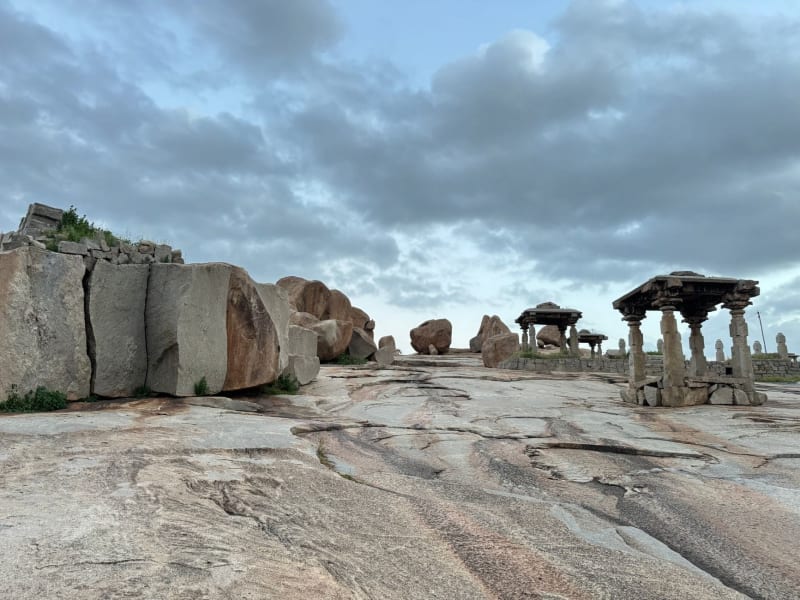 india
india Hampi Boulderscape
Vijayanagara Empire ruins scattered among surreal granite boulders on a river bend in Karnataka.
Explore