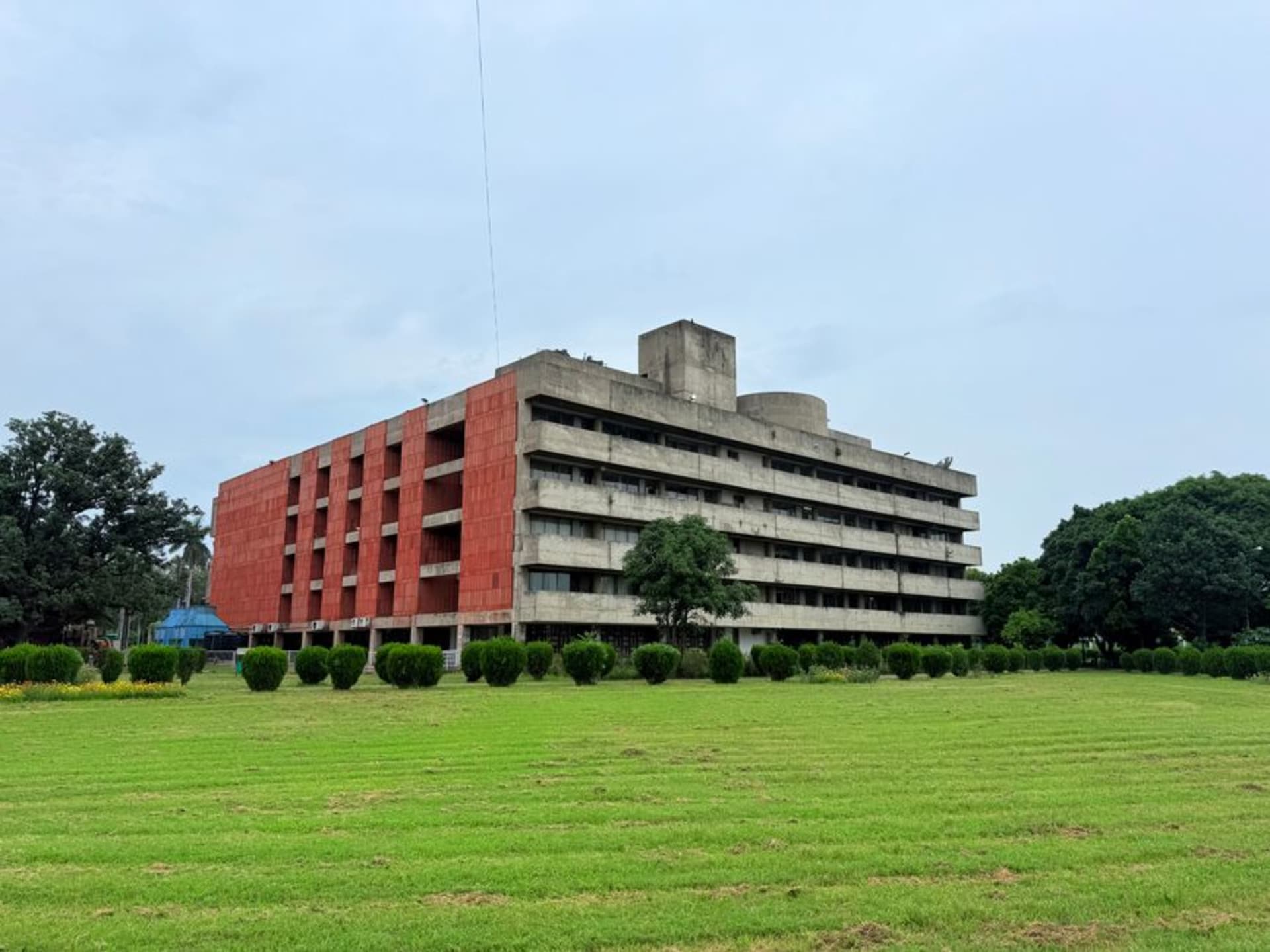
Le Corbusier's planned city of clean concrete lines and wide avenues, home to a lakeside promenade and a rock garden built entirely from industrial waste.

Chandigarh does not look like anywhere else in India, and that is entirely by design. After Partition left Punjab without a capital, the Indian government commissioned Swiss-French architect Le Corbusier to build one from scratch, and what resulted, completed through the 1950s and 60s, is a grid of numbered sectors, wide tree-lined avenues, and severe concrete government buildings that feel closer to a European modernist campus than to any city I’d seen elsewhere in the country. Arriving from Delhi’s density, the sheer order of the place was disorienting in its own way — traffic actually stops at lights, sectors are numbered rather than named, and nobody seemed to be selling anything out of a cart on the sidewalk.
A rock garden built from what everyone else threw away
The single strangest and most wonderful thing in Chandigarh is Nek Chand’s Rock Garden, a 12-acre sculpture park built secretly, over nearly two decades starting in 1957, by a government transport official named Nek Chand who spent his evenings collecting broken bangles, ceramic fragments, electrical waste, and demolition rubble from the city being built around him. He turned it, entirely without official permission, into a labyrinth of courtyards, waterfalls, and thousands of mosaic figures — dancers, animals, monks — assembled from trash. When authorities discovered it in 1975, they debated demolishing it before eventually deciding to preserve and expand it instead. Walking through it, following narrow passages between walls embedded with broken crockery and rusted pipe fittings that somehow resolve into art, I kept thinking about how close the whole thing came to being bulldozed as an eyesore.

Sukhna Lake, a man-made reservoir Le Corbusier incorporated into his original master plan, sits at the edge of the city with the Shivalik foothills rising behind it, and I went at sunrise to find half of Chandigarh already there doing laps around the promenade — walkers, joggers, a few older men doing tai-chi-adjacent stretches by the water. Paddle boats sat stacked and unused this early, and the light coming up over the hills turned the water the color of weak tea. It struck me, sitting there with a coffee from a stall on the promenade, that this might be the most livable city I’d visited in the country — not the most exciting, but the one that seemed to actually work.

When to go: October to March for pleasant walking weather around the lake and gardens; summers get brutally hot on all that exposed concrete, so avoid April through June if you can.
Keep exploring
More from India
 india
india Chennai
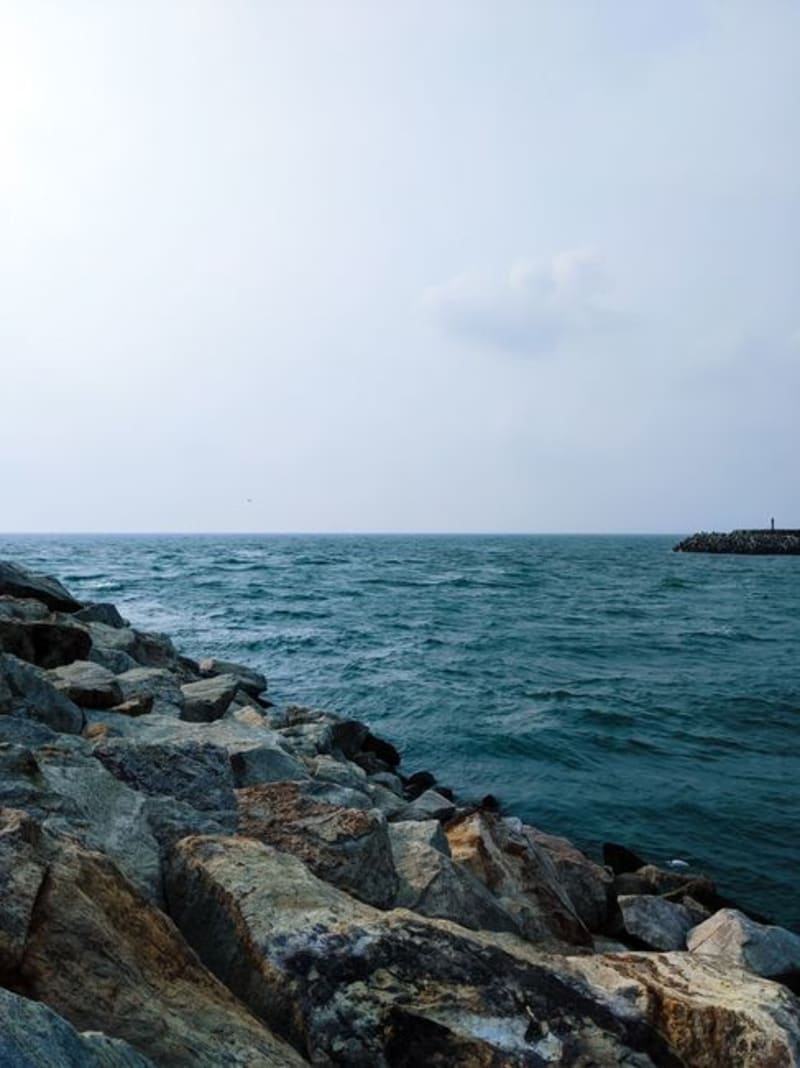
Tamil Nadu's vast, humid capital, where classical temples, a film industry, and the world's longest urban beach share the same coastline without much ceremony.
Explore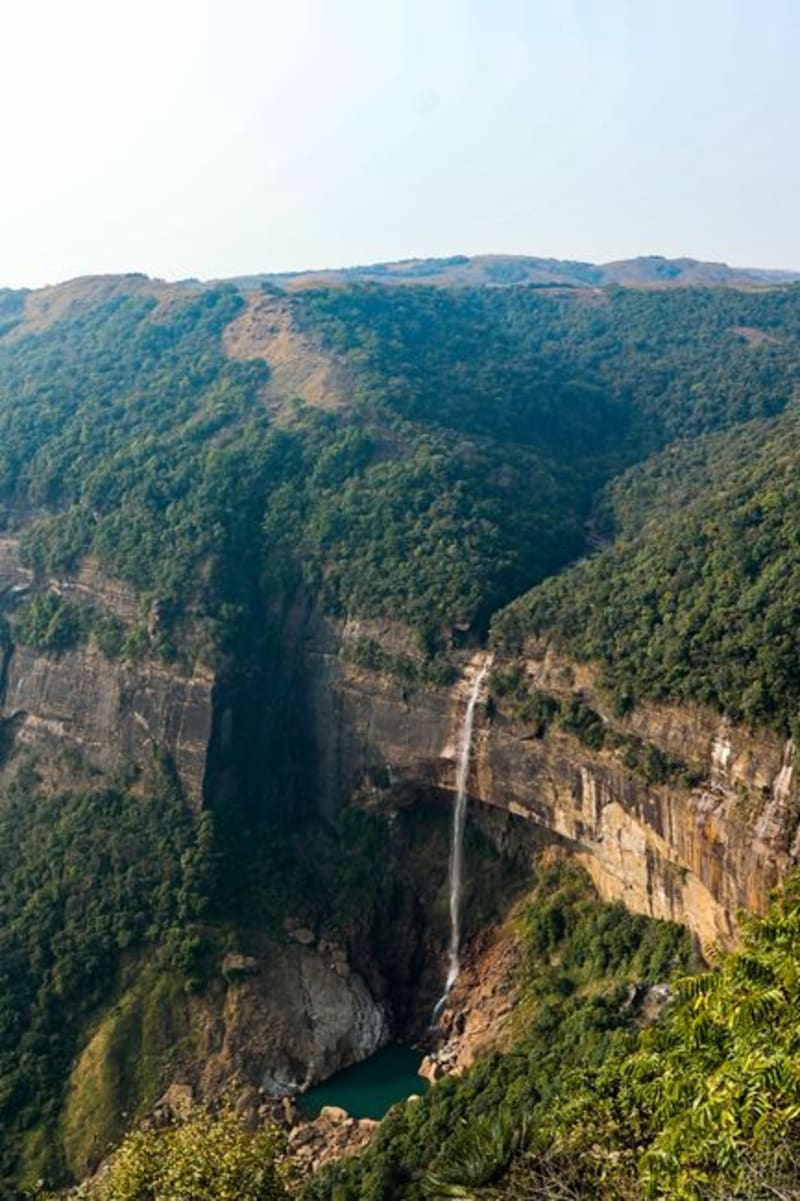 india
india Cherrapunji
One of the wettest places on Earth, where the Khasi people have spent centuries training living bridges out of rubber fig roots across raging rivers.
Explore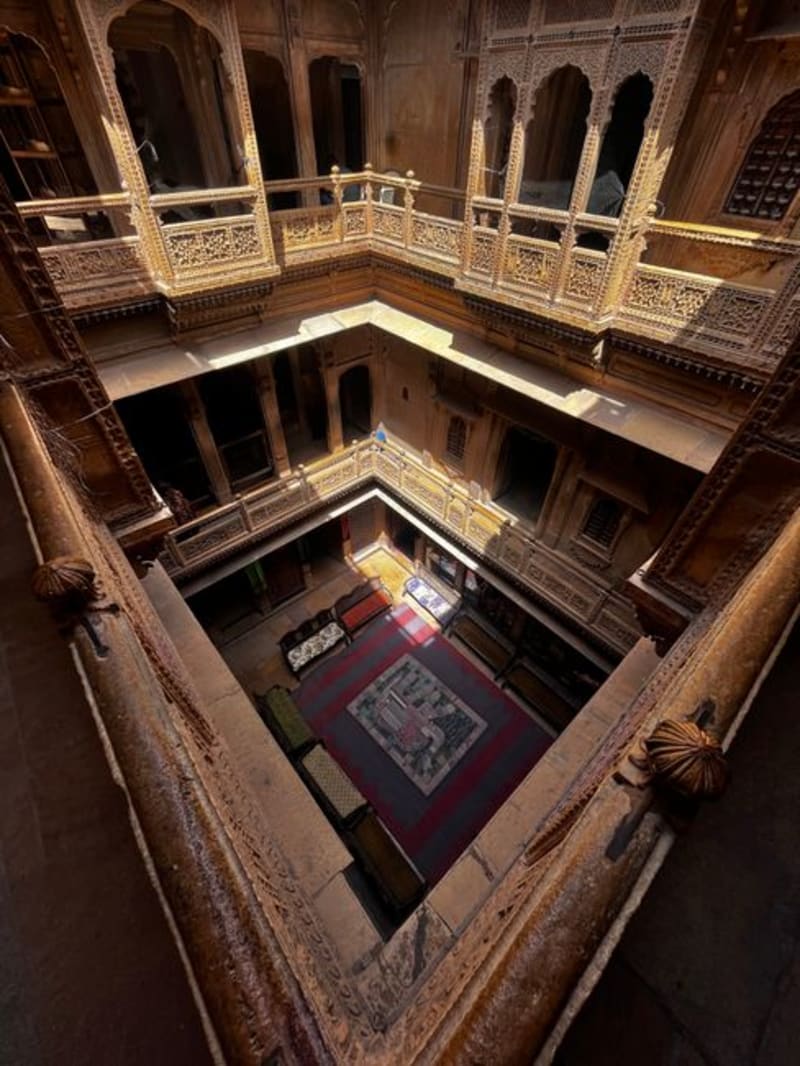 india
india Chettinad
A cluster of villages where nineteenth-century merchant dynasties built palatial mansions of Athangudi tiles and Burmese teak, then largely disappeared, leaving the houses half-empty.
Explore india
india Chikmagalur
The birthplace of Indian coffee, where a Sufi saint's seven smuggled beans became an entire hill-country economy of mist and estates.
Explore india
india Chitrakoot
The forest where the Ramayana says Rama, Sita and Lakshmana lived out part of their exile, straddling two states along a river lined with ghats and quiet devotion.
Explore india
india Chittorgarh
India's largest fort complex, a hilltop city of ruined palaces carrying the weight of sieges, legendary queens, and mass self-immolation.
Explore