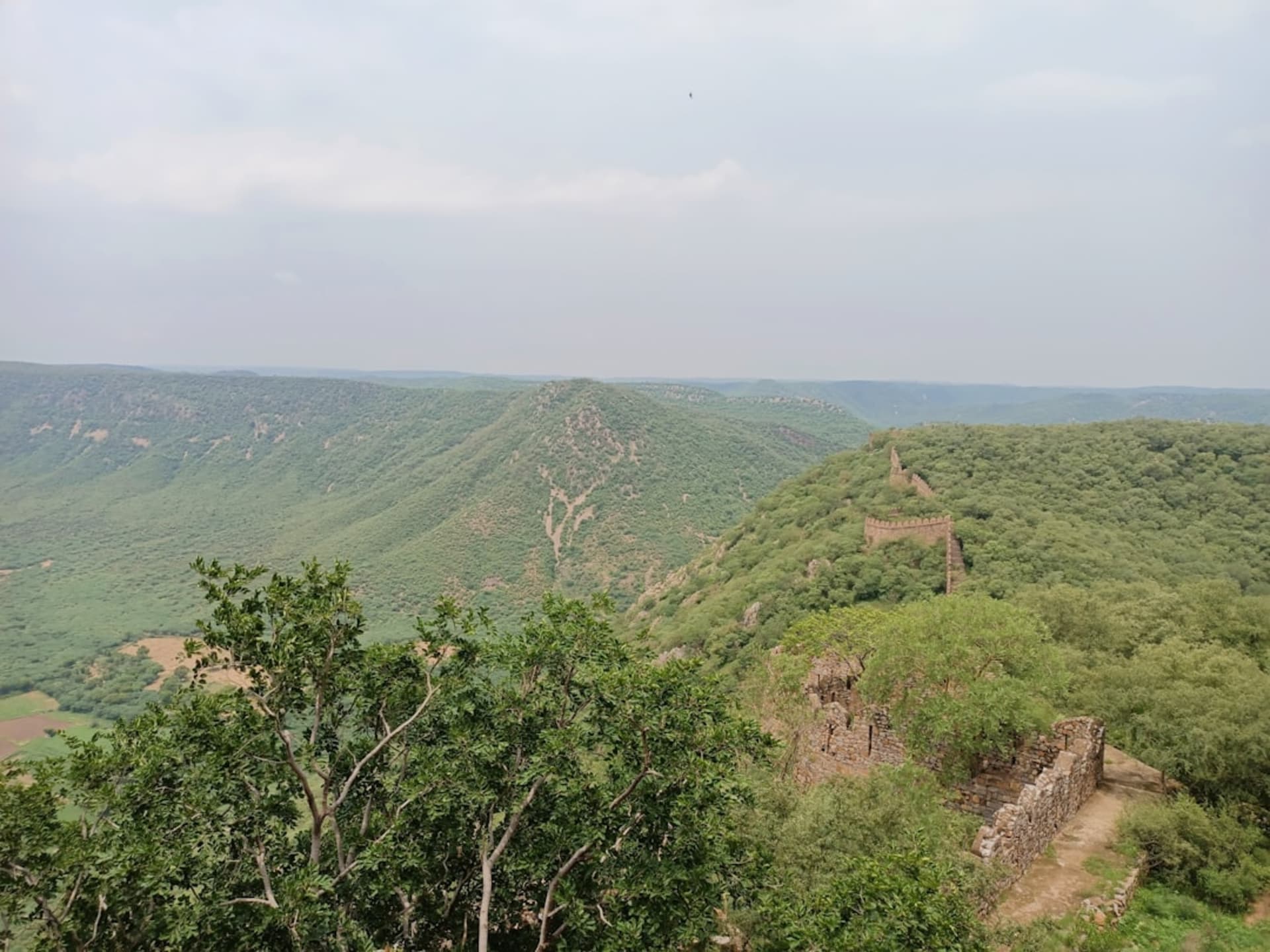
A workaday Rajasthani city with a crumbling hilltop fort and a marble City Palace, best used as the gateway to Sariska's tiger forest next door.

Alwar wasn’t on my original route — I added it almost as an afterthought, a stopover on the way to Sariska, and ended up staying two nights longer than planned. It’s a working city rather than a preserved one, without the polish Jaipur or Udaipur have built for visitors, and that rawness turned out to be its appeal. Rickshaws and cows share the same narrow lanes near the old bazaar, tea stalls run at full volume from six in the morning, and above all of it, on a steep ridge, sits Bala Qila — a hilltop fort with a founding history reaching back over a thousand years, rebuilt and expanded by successive rulers including the Mughals, who used it as a strategic stronghold overlooking the plains toward Delhi.
Getting up to Bala Qila took some negotiating — part of the fort is still used by state police communications and access is restricted, so I hired a local guide who knew which gates were open on a given day. What’s left to explore is still substantial: crumbling ramparts, disused cannon emplacements, and views from the walls that stretch across the whole Alwar valley and the forested hills of Sariska beyond. Very few other visitors were up there the morning I went, which felt less like good luck and more like the simple fact that Alwar doesn’t make anyone’s shortlist.

A palace of marble, mostly empty of people
Down in the city, the City Palace — Vinay Vilas Mahal — presents a different mood entirely: a sprawling 18th-century complex of courtyards, marble pavilions, and a large tank called Sagar, with government offices now occupying much of the ground floor while a small museum upstairs holds manuscripts, weapons, and miniature paintings from the Alwar school, a lesser-known but genuinely striking branch of Rajasthani miniature art. I wandered the courtyards for close to an hour without seeing another tourist, just clerks moving between office doors under painted ceilings that nobody seems to look up at anymore.

The real reason to route through Alwar, though, is Sariska Tiger Reserve, about 35 kilometers away, one of India’s first tiger reserves and a rare success story after its tiger population collapsed to zero in 2004 due to poaching and was rebuilt through a relocation program starting in 2008. I did a single safari there, quieter and far less crowded than Ranthambore, driving past ruins of an abandoned medieval town swallowed by the forest — Bhangarh, reputedly India’s most haunted site, is nearby too, though I’ll admit I gave that one a pass. Alwar won’t headline anyone’s Rajasthan trip, but as a base for the fort, the palace, and Sariska together, it earns more time than it gets.
When to go: November to March for cool weather in the city and the best safari conditions at Sariska. Summer here gets brutally dry and hot, with little of Rajasthan’s more scenic relief to soften it.
Keep exploring
More from India
 india
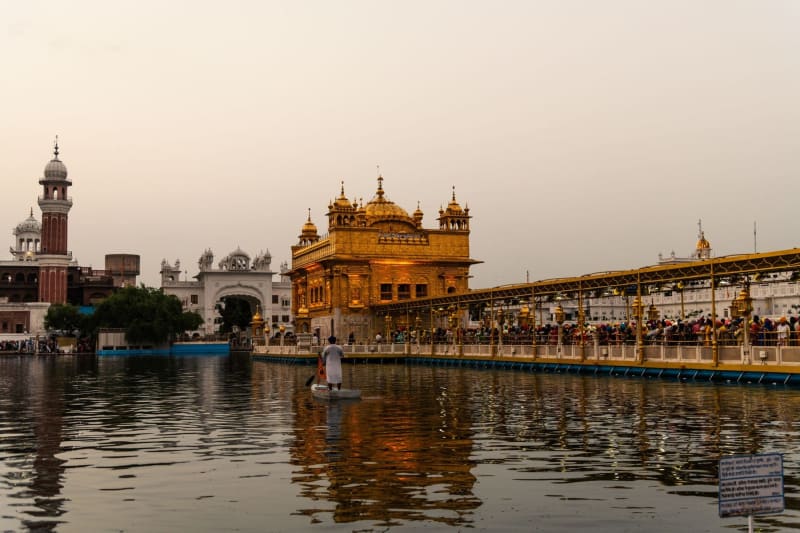
india Amritsar
The Golden Temple floats in its sacred pool, feeding thousands daily regardless of faith.
Explore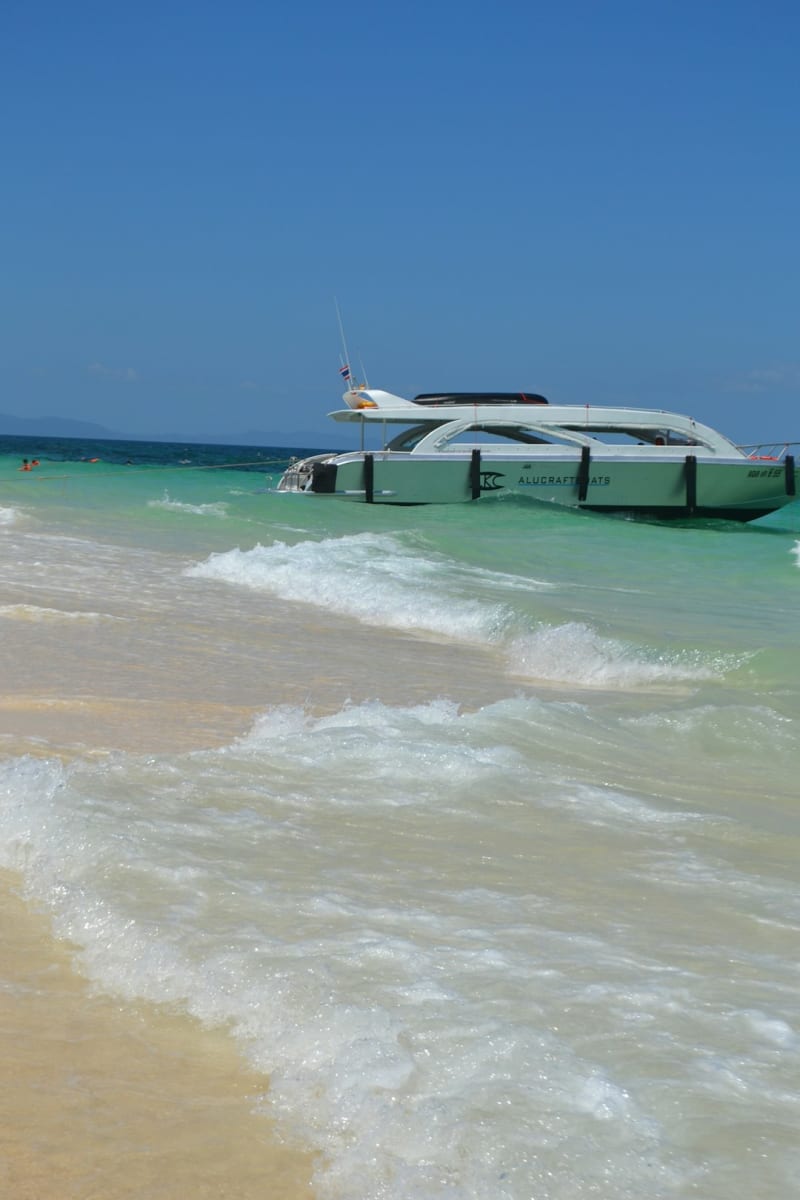 india
india Andaman Islands
A colonial prison, a tribal territory the modern world is asked to leave alone, and some of the clearest water in the Indian Ocean, scattered across a remote archipelago.
Explore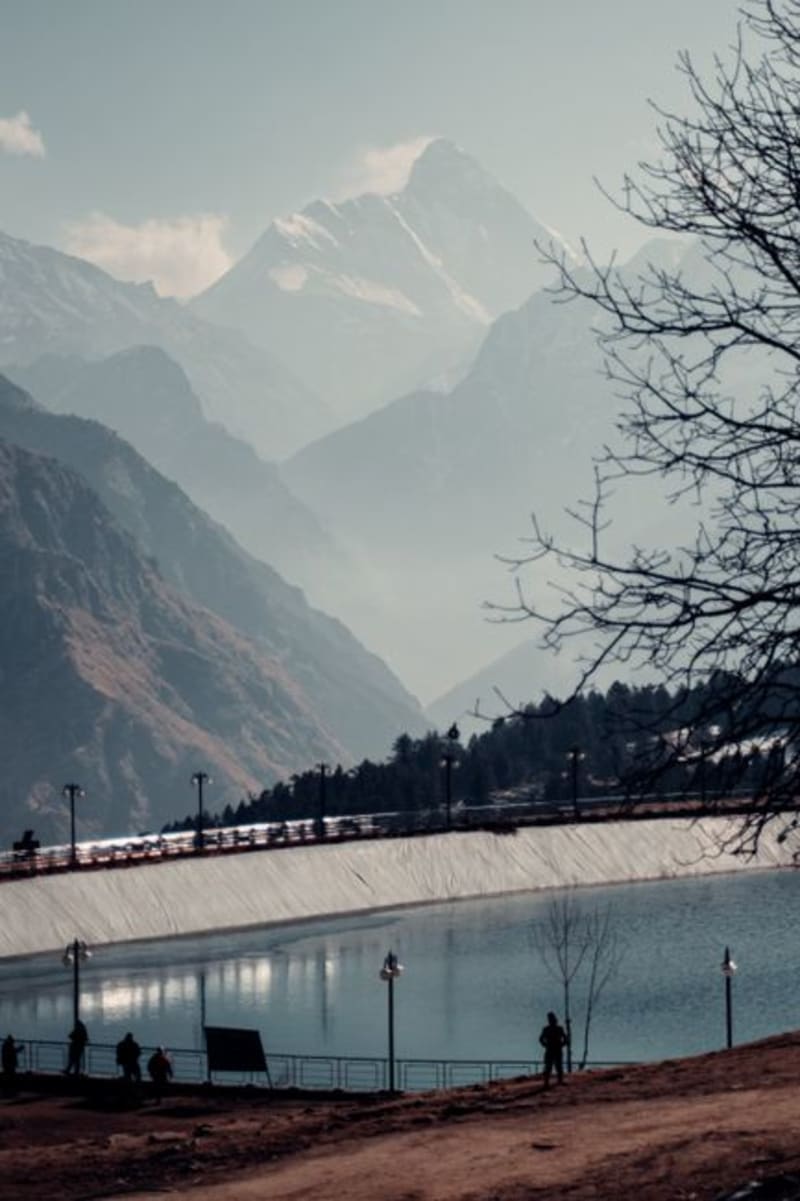 india
india Auli
A high-altitude ski slope in the Garhwal Himalayas where a cable car glides over pine and oak forest to meadows facing Nanda Devi, India's second-highest peak.
Explore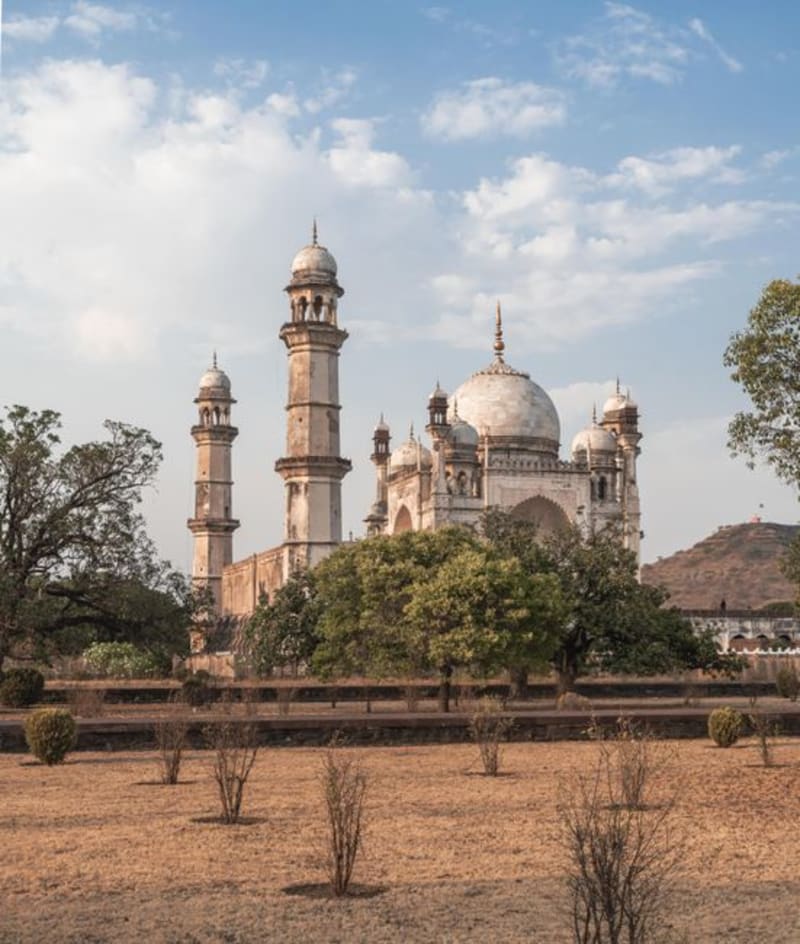 india
india Aurangabad
A dusty Deccan city that exists mainly as a gateway, but whose own ruined fort and marble tomb reward anyone who lingers a day longer than planned.
Explore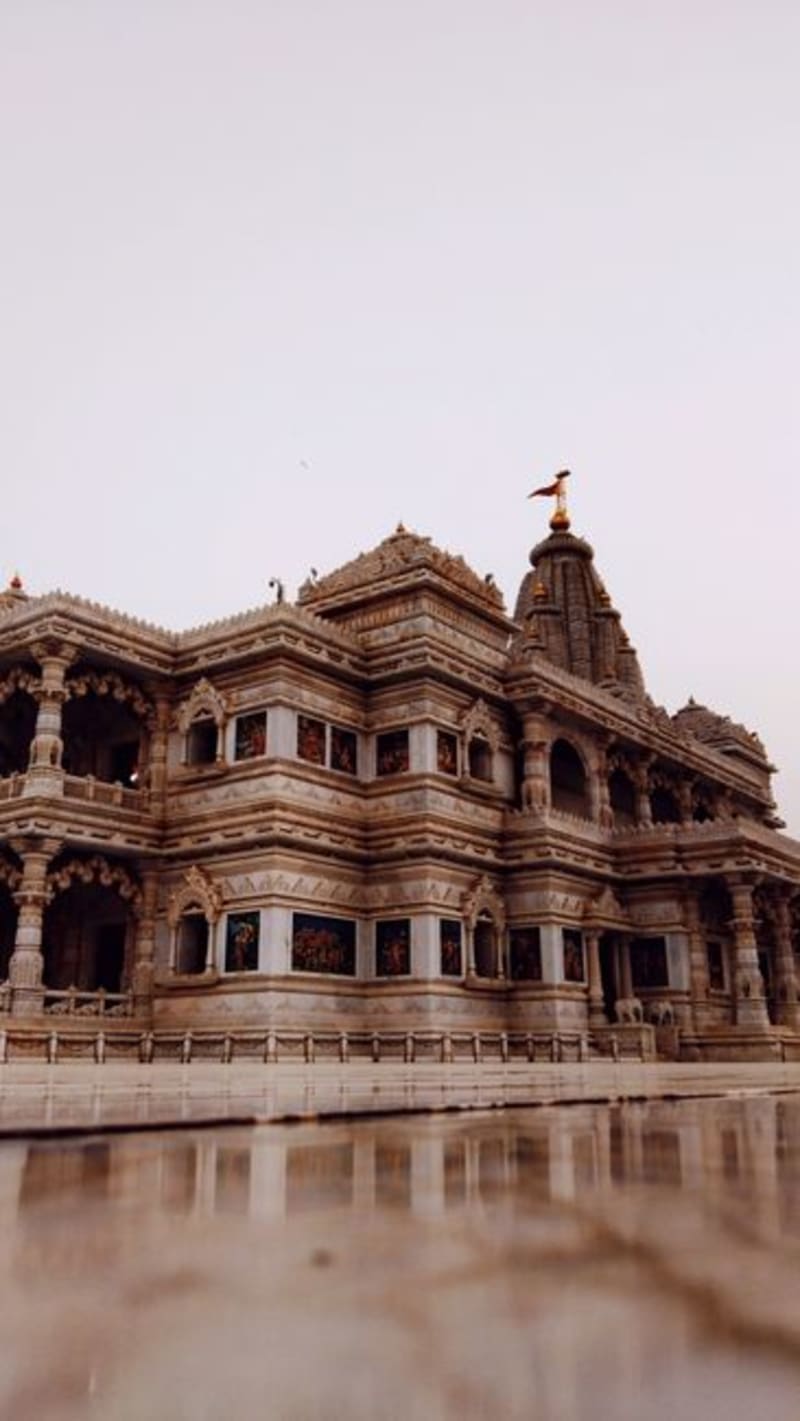 india
india Ayodhya
A pilgrimage town transformed almost overnight around the new Ram Mandir, where the Sarayu river ghats hold centuries of devotion and very recent history.
Explore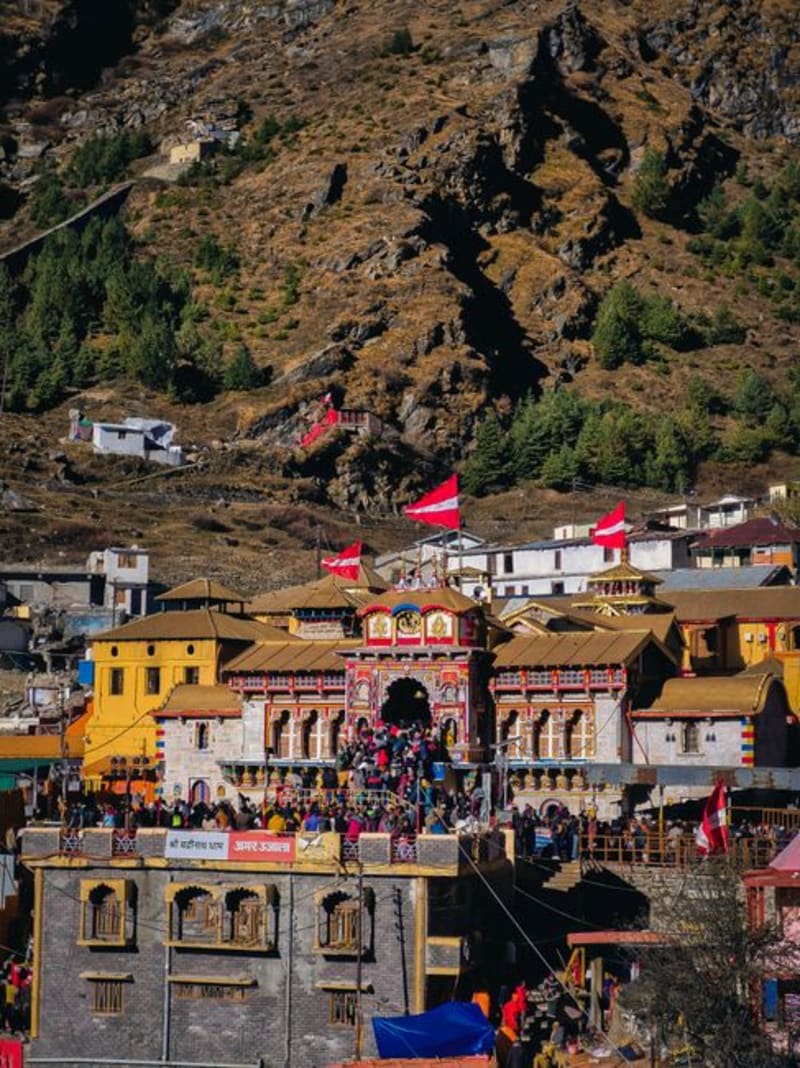 india
india Badrinath
A Vishnu temple town near the Tibet border where pilgrims bathe in hot springs before entering, the final stop on the Char Dham circuit.
Explore