Europe
Hungary
"The country where hot springs and cold wine are a way of life, not a luxury."
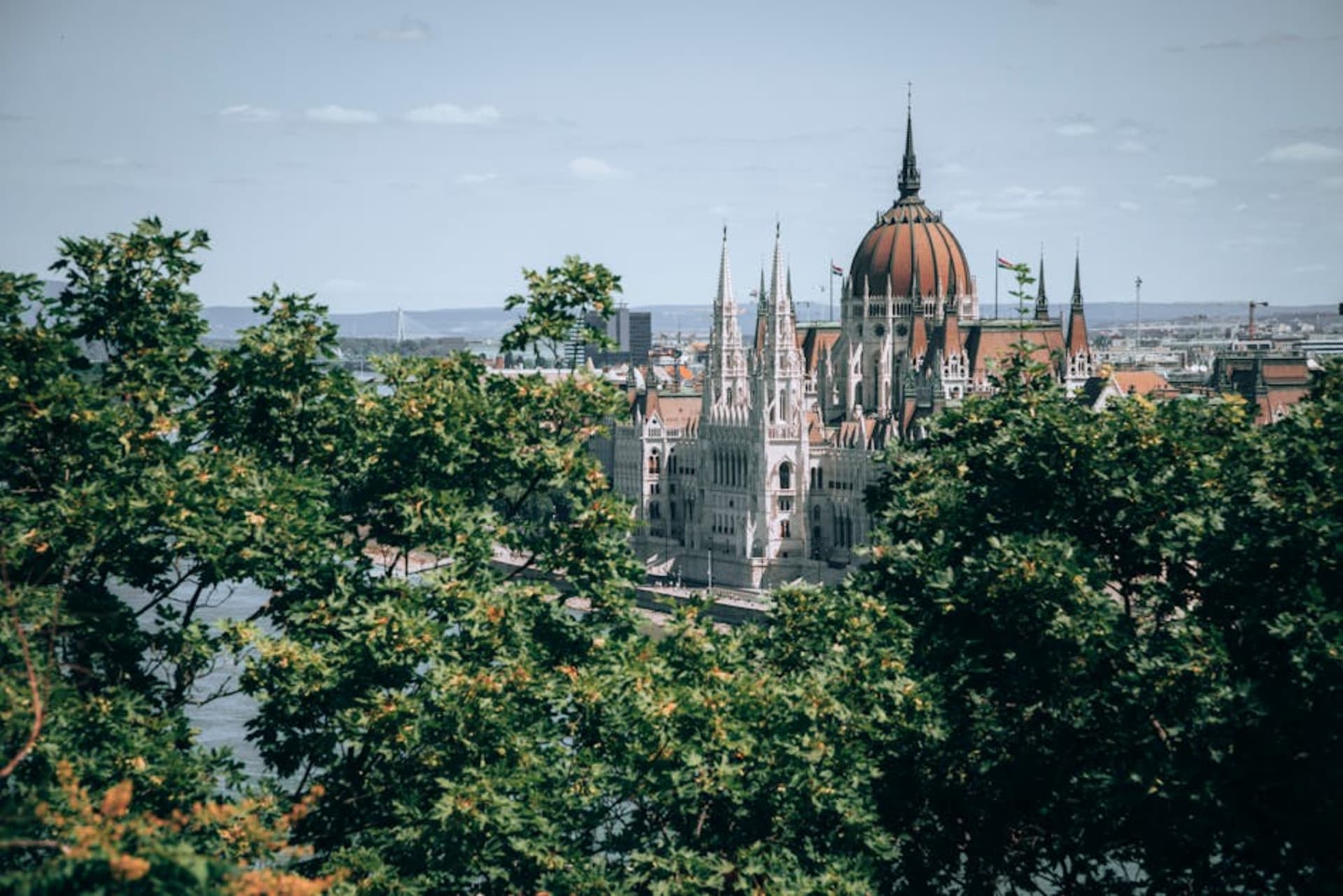
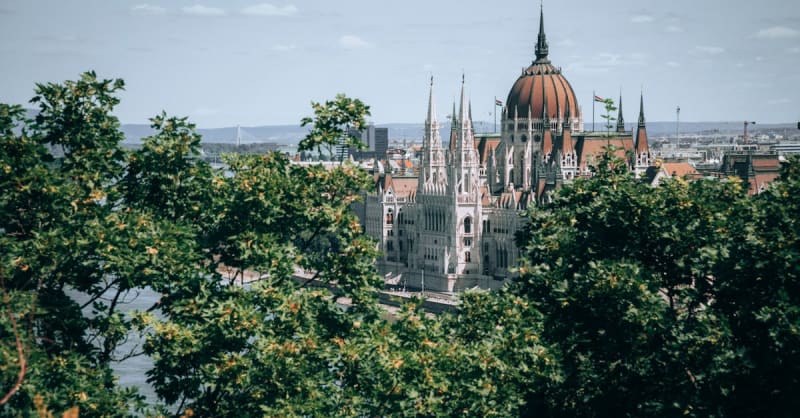
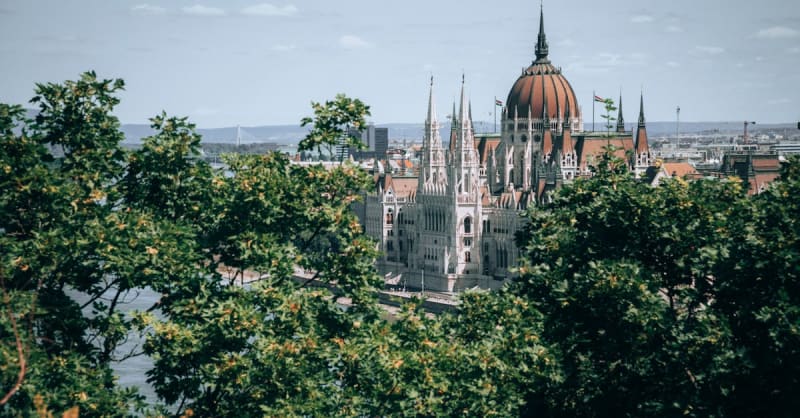
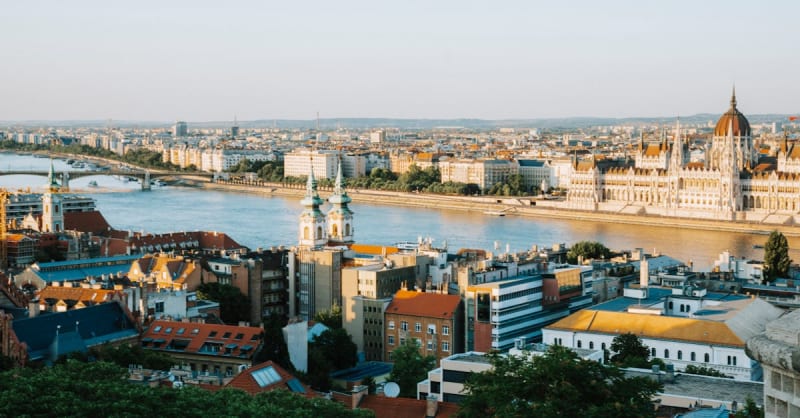
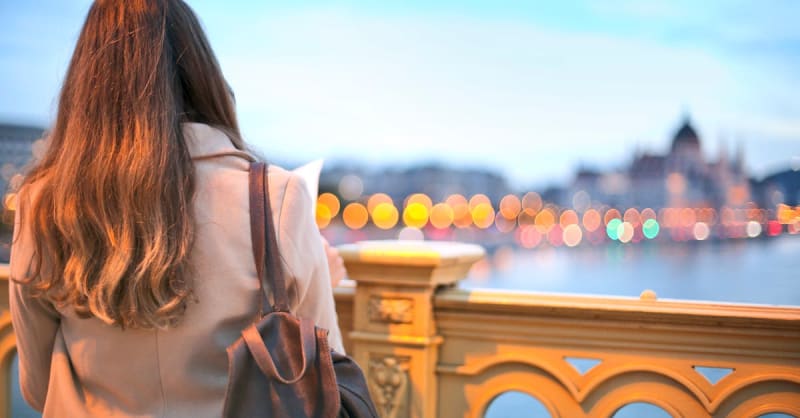
Budapest alone would justify the trip. It is, by some margin, the most dramatic capital in Central Europe — two cities fused across the Danube, Buda climbing the hills on the western bank, Pest spreading flat and grand to the east. The Parliament building at night, lit gold against the river, is one of those sights that resists cynicism. But Budapest earns its place not through monuments but through texture. The ruin bars of the Jewish Quarter, built in crumbling courtyards that somehow became the most inventive nightlife in Europe. The thermal baths — Gellért for the Art Nouveau architecture, Széchenyi for the spectacle of chess players in steaming outdoor pools in January. The market halls where paprika comes in a dozen grades and lángos is fried to order.
Beyond the capital, Hungary unfolds into landscapes that most travelers never reach. The Great Plain — the Puszta — stretches east, flat and enormous, with horsemen and thermal villages and a silence that feels almost American in its scale. The wine regions are the country’s best-kept secret: Tokaj, producing dessert wines that Habsburg emperors called the wine of kings, and Eger and Villány, where reds have reached a quality that surprises even the winemakers. Lake Balaton is the local summer escape — kitschy in places, genuinely charming in Tihany and along the northern shore, where volcanic hills produce wines you cannot find elsewhere.
When to go: April to May or September to October. Summers are hot, especially on the Great Plain. Budapest in December has excellent Christmas markets, and the thermal baths are at their best when the air is cold and the water is not.
What most guides get wrong: They underestimate Hungarian food. The cuisine went through a revolution in the last decade — the goulash and paprikás are still foundational, but Budapest now has a food scene that competes with any in the region. Eat at the market halls. Drink Tokaji Aszú. Soak in the baths until you forget what day it is. Hungary asks for nothing but your time and rewards it with warmth.
Explore
Places in Hungary
Budapest
A city split by the Danube where thermal baths, ruin bars, and Art Nouveau grandeur collide in the most atmospheric capital in Central Europe.
Debrecen
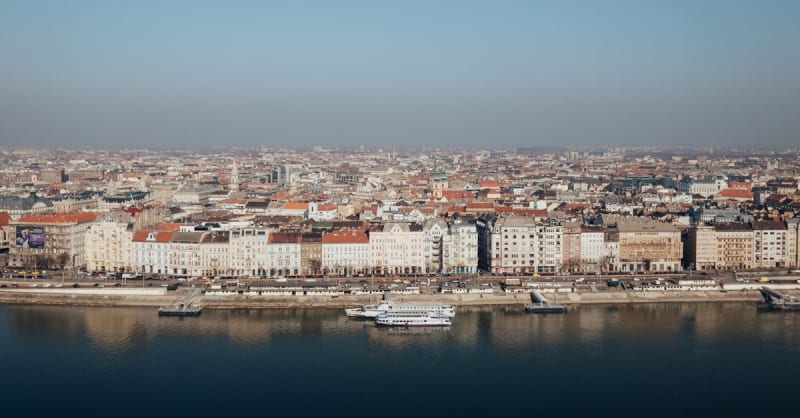
Hungary's second city on the edge of the Great Plain, where Calvinist tradition meets thermal spas and the wild grasslands of Hortobágy.
Eger
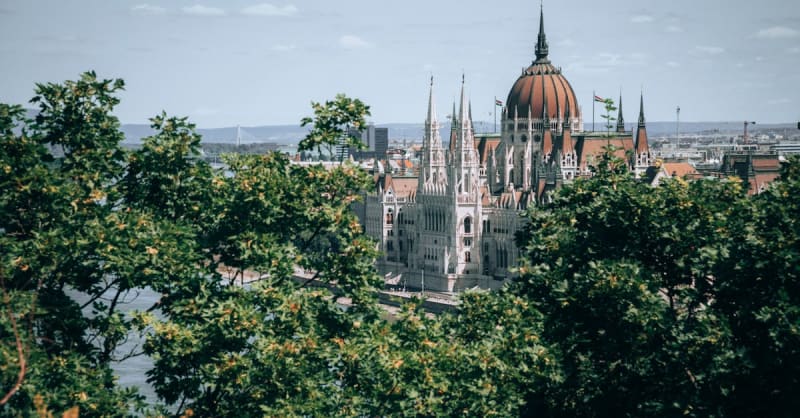
A Baroque gem at the edge of wine country, famous for its castle, thermal baths, and the legendary Valley of the Beautiful Women.
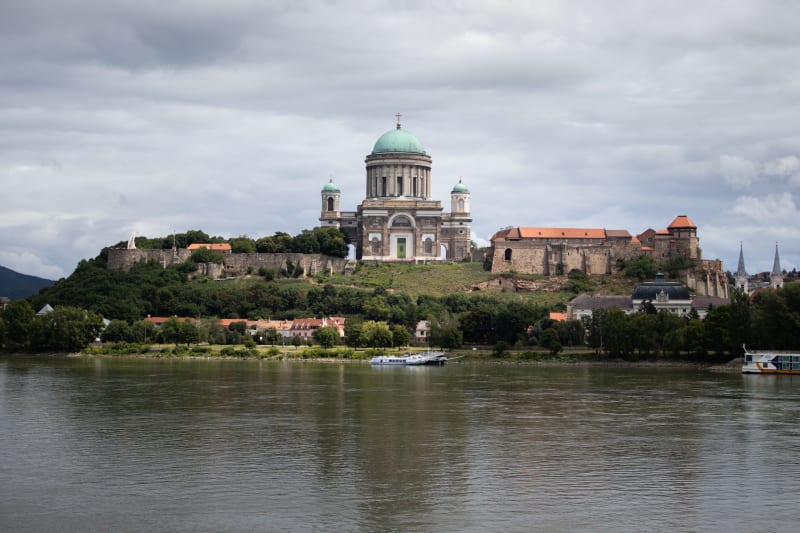
Esztergom
A small Danube town crowned by Hungary's largest church, where a vast neoclassical basilica looms over the river and a bridge reaches across to Slovakia.
Heviz
Home to the world's largest biologically active thermal lake, where you float among water lilies in naturally heated water year-round.
Holloko
A UNESCO-listed Palóc village frozen in time, where whitewashed houses and living folk traditions preserve a vanishing way of life.
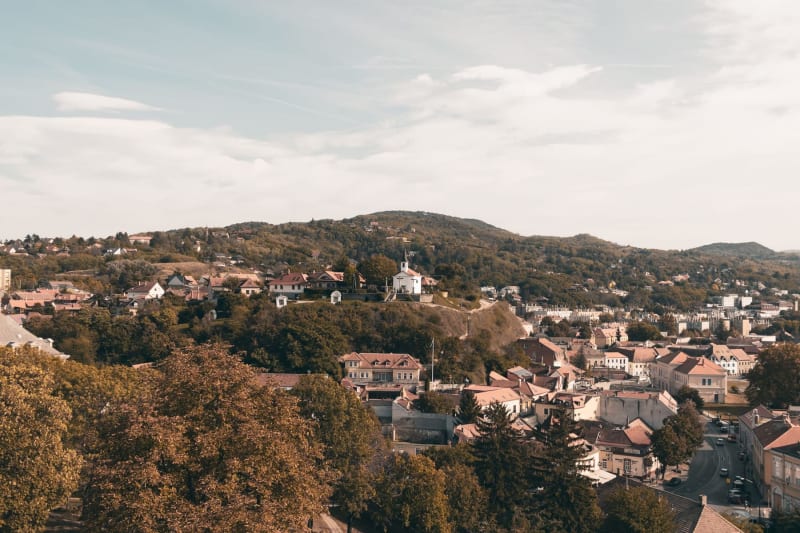
Hollókő
A UNESCO Palóc village of white-washed houses and a hilltop castle in the Northern Hungarian highlands, unchanged since 1700.
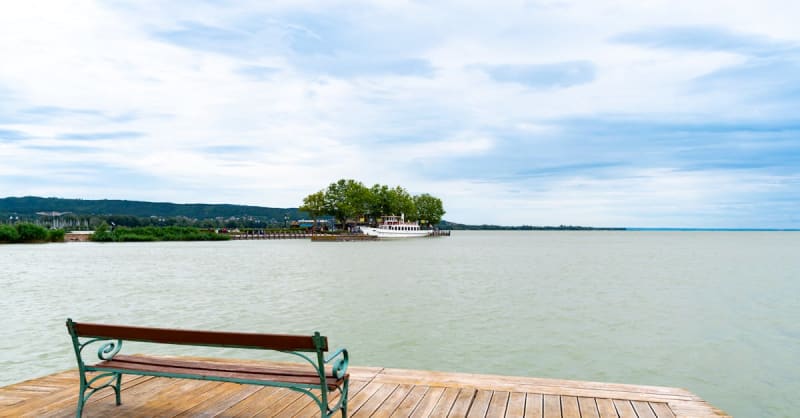
Lake Balaton
Central Europe's largest lake, where Hungarians have been escaping summer heat for generations among vineyards, volcanic hills, and reed-lined shores.
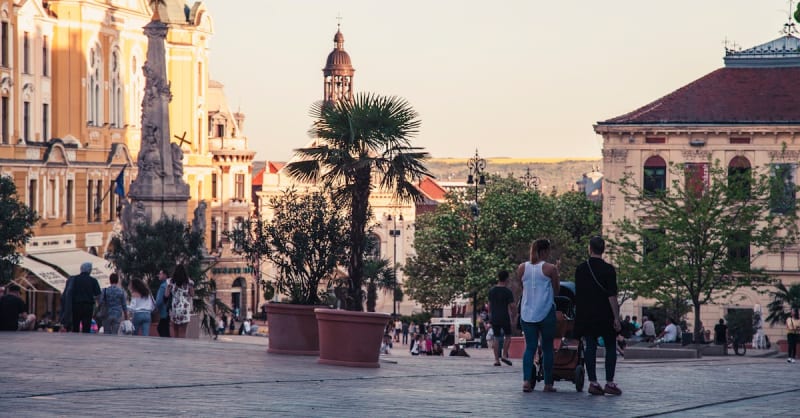
Pecs
A Mediterranean-spirited city in southern Hungary with Roman tombs, Ottoman mosques, and a creative energy fueled by its university and mild climate.
Szentendre
An artists' colony on the Danube Bend where Serbian churches, colorful Baroque houses, and galleries create a village that lives for beauty.
Tokaj
The wine region that made kings weep, where volcanic hills and misty river valleys produce the world's most storied sweet wine.
Visegrad
A dramatic Danube Bend fortress town where medieval kings held court and the river carves its most spectacular turn.