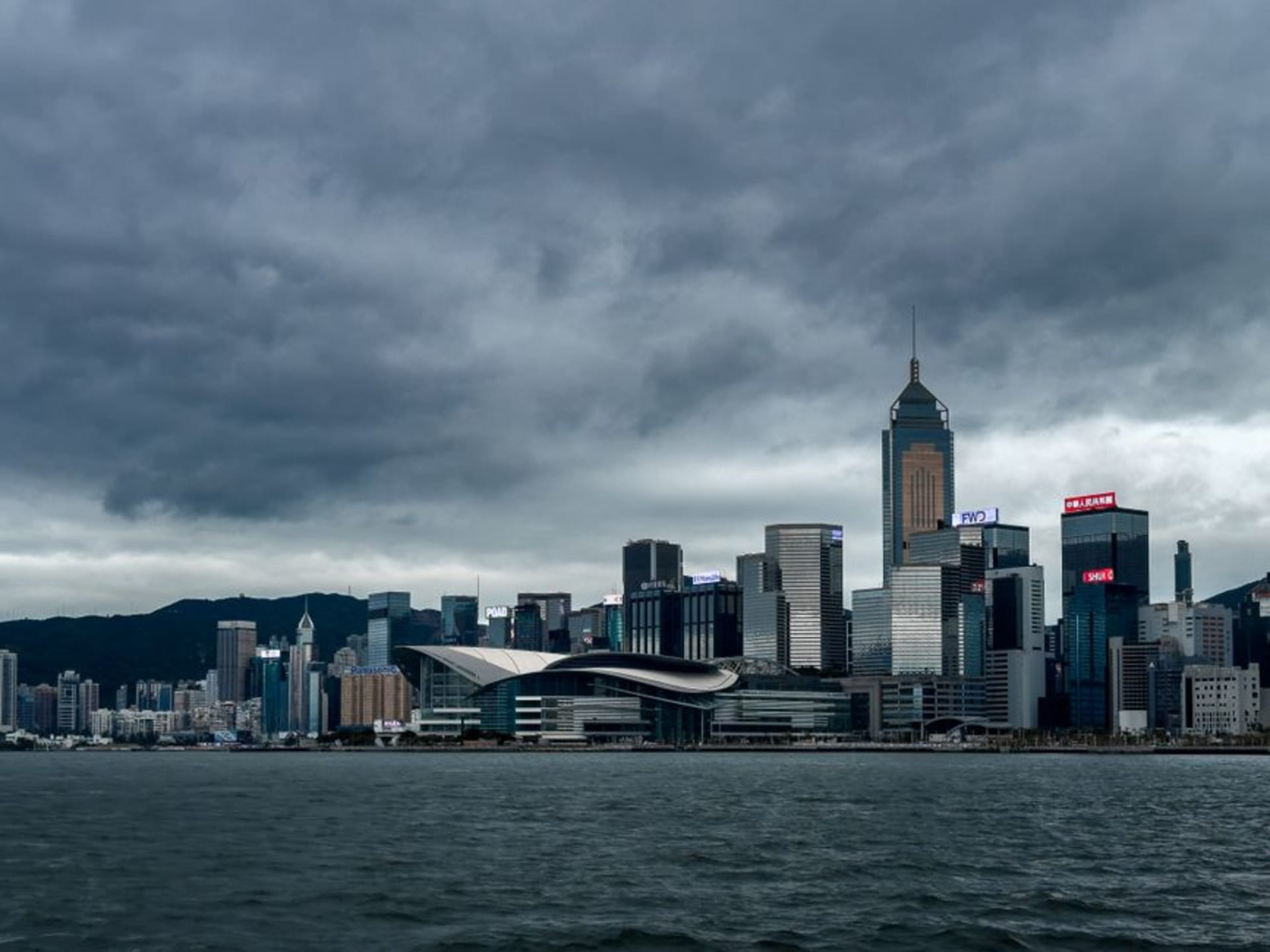
Wan Chai
"Wan Chai is what happens when a neighborhood decides not to apologize for its own mess."
Where old Hong Kong refuses to leave — wet markets, tong lau tenements, and a nightlife strip that never got the memo about gentrification.
Lia and I ended up in Wan Chai by accident the first time — we’d booked a cheap guesthouse without checking the neighborhood, and I remember stepping out of the elevator into a stairwell that smelled like dried fish and incense and thinking, this is either going to be a disaster or the best decision we made all trip. It was the second one. Wan Chai doesn’t get the postcard treatment that Central or the Peak get, and that’s exactly the point. It’s a working neighborhood that happens to also have some of the best street food and strangest nightlife in the city, layered on top of each other with no attempt at separating them.
The wet market on Wan Chai Road is where I’d send anyone who wants to understand how this city actually eats. Vendors hosing down the pavement at 7am, whole fish laid out on ice, old women haggling over bok choy with an intensity that borders on theater. A few streets over, Queen’s Road East still has the old dried seafood shops and rattan furniture makers wedged between newer boutiques, a reminder that Wan Chai was one of the first areas the British settled and it has never fully let go of that layered history.
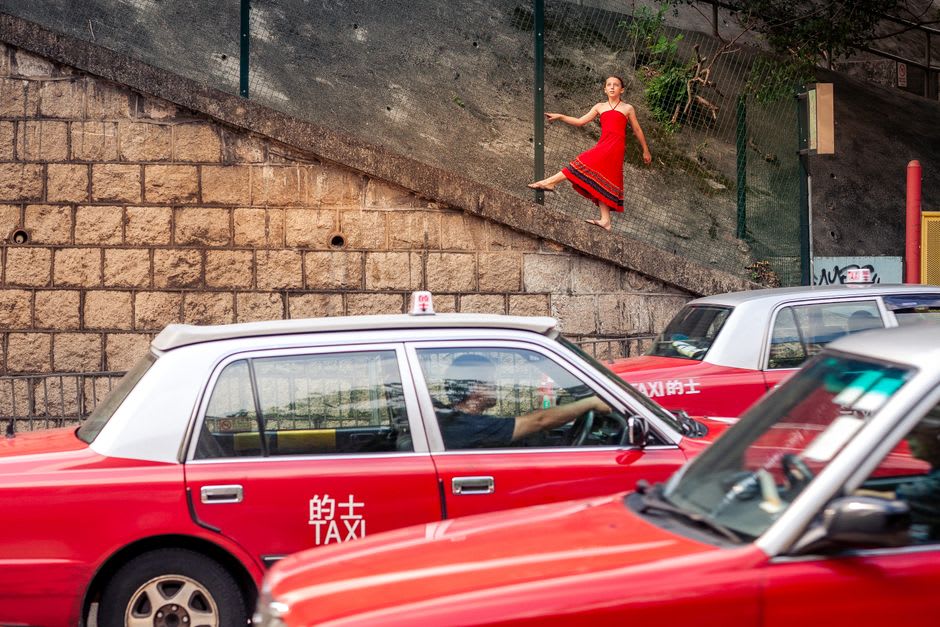
Blue House is the building I keep coming back to, a century-old tenement painted the color of a swimming pool, still lived in, still functioning as actual housing rather than a museum piece pretending to be one. There’s a small heritage center on the ground floor that explains the tong lau architecture — those narrow verandas, the shophouse layout with shop below and living quarters stacked above — and it’s worth the twenty minutes even if you’re not usually a heritage-center person. I’m not, generally, and I still think about it.
By night the neighborhood flips entirely. Lockhart Road turns into a strip of bars that ranges from genuinely great live music venues to the kind of dives that have been serving the same regulars since the Vietnam War R&R days. We found a tiny bar with a jazz trio playing to about nine people, ordered a round of San Miguels that cost less than a coffee back in Mexico City, and stayed until 1am talking to a Filipino sound engineer who’d been living in Hong Kong for two decades and had opinions about every neighborhood in the city.
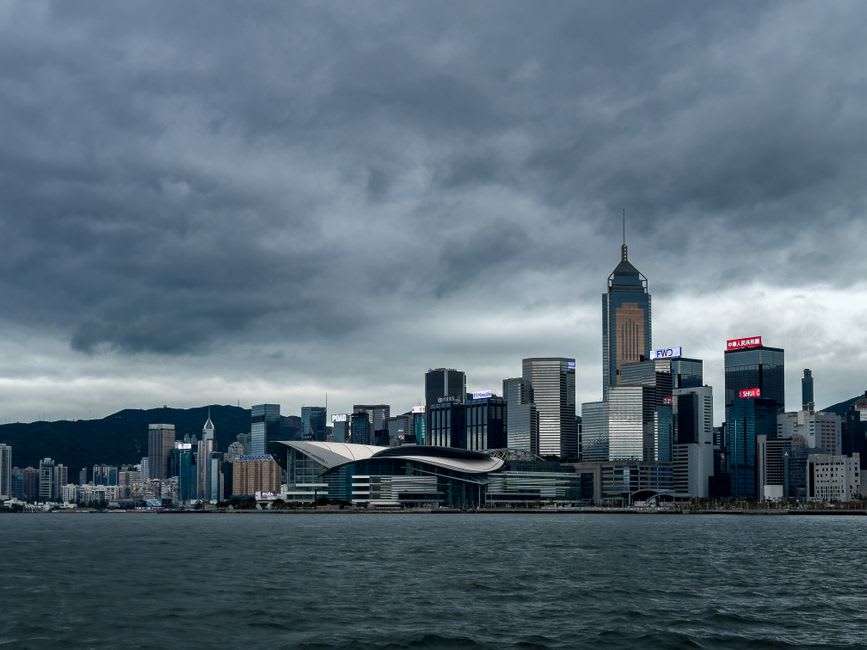
When to go: Year-round works, but the wet market and street life are best experienced in the cooler months, October through December, when you can actually walk the streets without sweating through your shirt in five minutes. Weekday mornings for the market, any evening for Lockhart Road.
Keep exploring
More from Hong Kong
 hong-kong
 Hong Kong Wetland Park
A reclaimed wetland reserve on the edge of Tin Shui Wai where mangroves, mudflats, and a resident crocodile sit improbably close to tower blocks.
Explore hong-kong
 Whampoa Garden
A Hung Hom housing estate with a life-sized concrete ocean liner moored in the middle of it, because why not.
Explore hong-kong
 Wong Chuk Hang
A former industrial district reborn as a warehouse gallery scene — Hong Kong's answer to Berlin's converted factories, minus the crowds.
Explore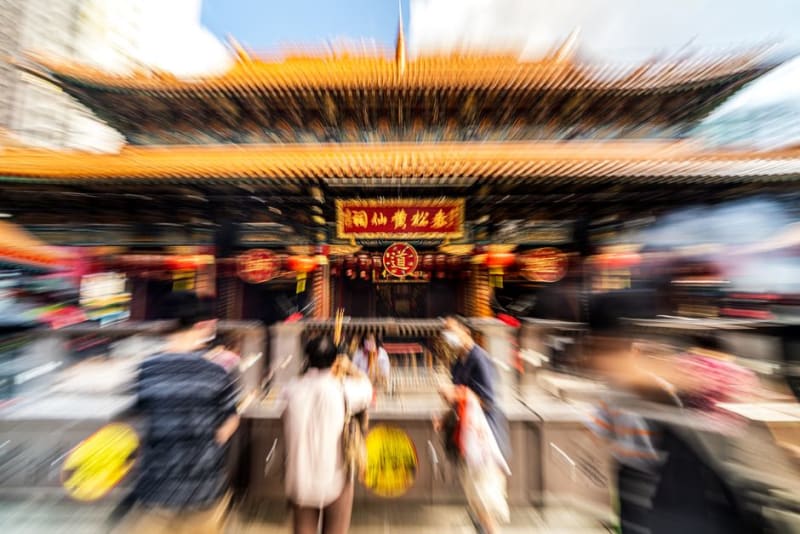 hong-kong
 Wong Tai Sin Temple
Kowloon's busiest temple, where incense smoke, fortune sticks, and a genuinely startling density of devotion sit a few floors below an ordinary MTR station.
Explore hong-kong
 Yau Ma Tei Fruit Market
A century-old wholesale fruit market that runs almost entirely at night, when trucks unload and the whole block smells like citrus and diesel.
Explore hong-kong
 Yim Tin Tsai
A near-abandoned salt-farming island off Sai Kung, brought back to life one chapel restoration and one Venice Biennale prize at a time.
Explore