Tung Ping Chau
"I had genuinely forgotten Hong Kong had geology like this until I was standing on it."
A remote, crescent-shaped island near the mainland border with striated shale cliffs and coral reefs — Hong Kong's most far-flung weekend escape.
Tung Ping Chau is a genuine commitment to reach, and that filtering effect is most of its appeal. The ferry runs only on weekends and public holidays, departing from Ma Liu Shui near University station, and takes about an hour and a half across open water almost to the edge of Mirs Bay, close enough to mainland China that your phone occasionally, confusingly, picks up a Chinese carrier signal. By the time we stepped off the boat, the crowd from Central felt like it belonged to an entirely different trip, hours and a world away.
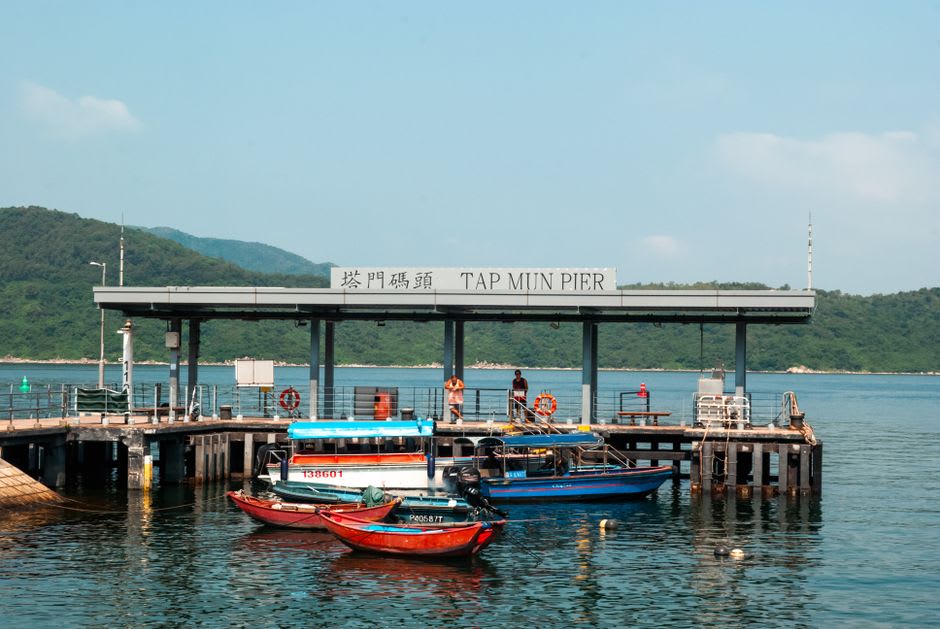
What makes the island geologically strange, and worth the ferry schedule gymnastics, is the shale — thin, tilted layers of sedimentary rock, laid down over millions of years and then tipped almost vertical by tectonic pressure, now exposed along the coast in formations that look almost architectural. The Kang Lau Shek promontory and the “Devil’s Hand” rock formation are the two most photographed spots, and rightly so, but I found the quieter stretches of coast in between just as striking — the pattern of the rock repeating in these thin, dark bands like the pages of an enormous closed book.
The waters around Tung Ping Chau host part of Hong Kong’s only marine park, and even a basic mask-and-snorkel setup rented at the pier gets you into coral gardens that genuinely surprised me — small, resilient hard coral colonies clinging on this far north of the tropics, with reef fish moving through in numbers I did not expect from a city better known for container ships than reefs. It will not compete with anywhere in Southeast Asia, but as an example of what Hong Kong’s waters can still support, it is a quietly hopeful thing to see.
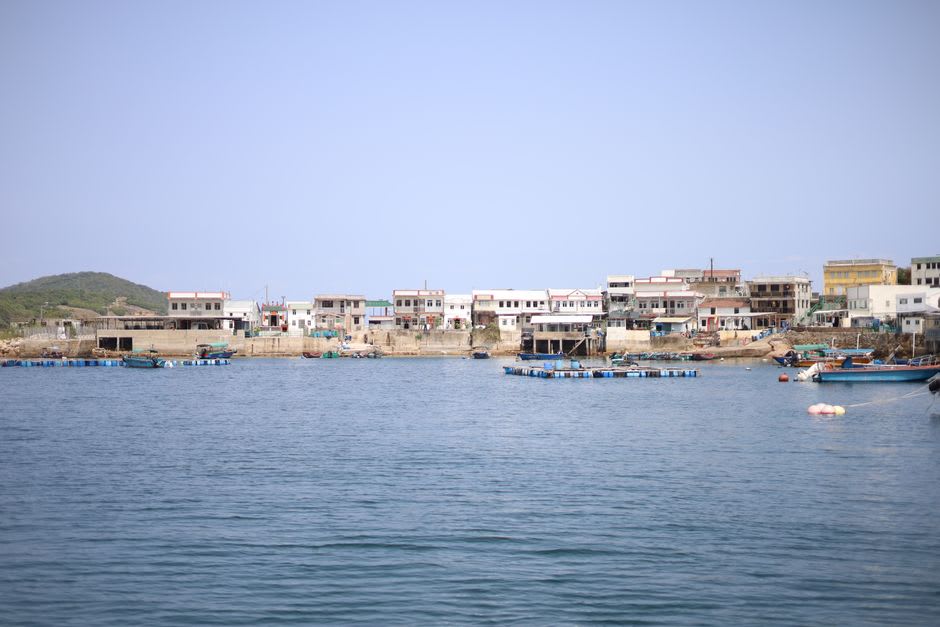
There is almost no permanent population left on the island now — most who remain run the handful of simple guesthouses and seafood restaurants that cater to weekend visitors — and no streetlights beyond the village core, which makes it one of the very few places in the territory where you can actually see stars. We stayed overnight specifically for that, and it delivered.
When to go: Ferries run Saturdays, Sundays, and public holidays only, so plan around that fixed schedule well in advance. Late spring through early autumn gives the calmest seas for snorkeling, though summer typhoons can cancel sailings without much notice, so build in flexibility.
Keep exploring
More from Hong Kong
 hong-kong
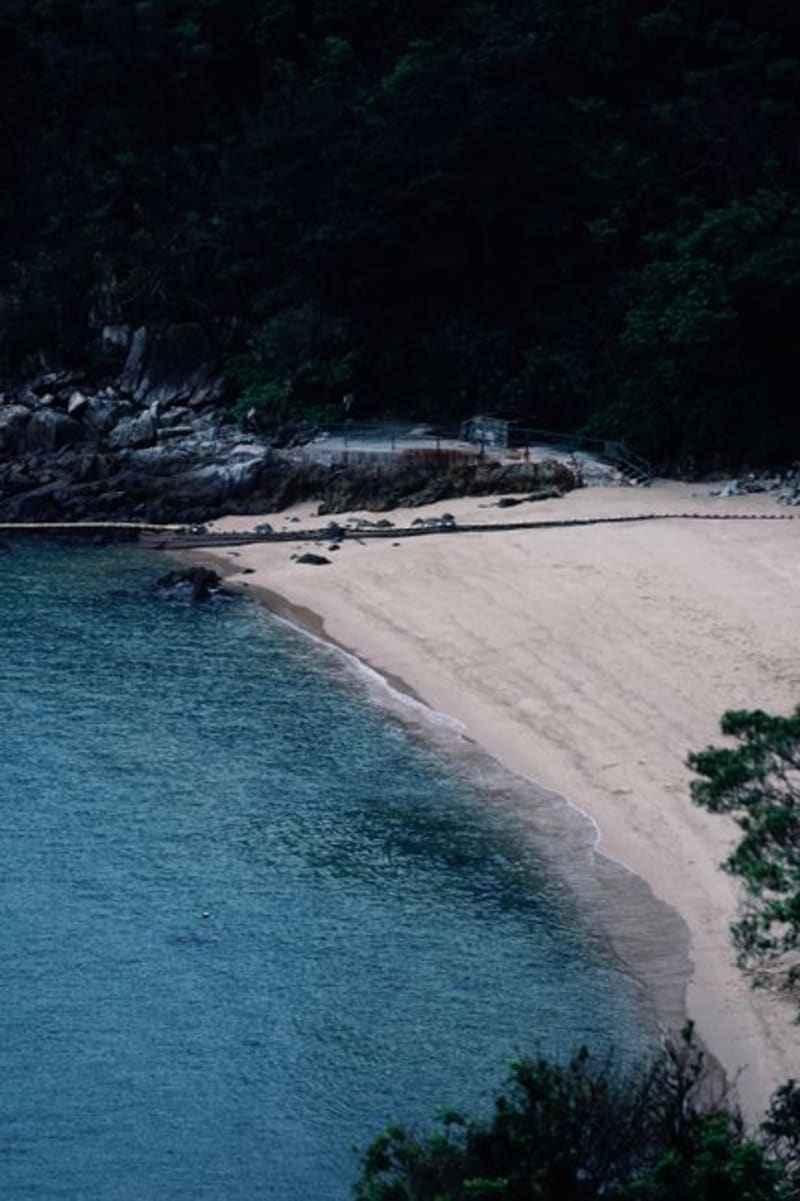
 Turtle Cove
A small, half-hidden beach near Cape D'Aguilar known locally as Tai Tau Chau — reached down a steep staircase and rewarded with some of Hong Kong Island's cleanest water.
Explore hong-kong
 Victoria Peak
The city from above — where Hong Kong's impossible density suddenly makes geometric sense.
Explore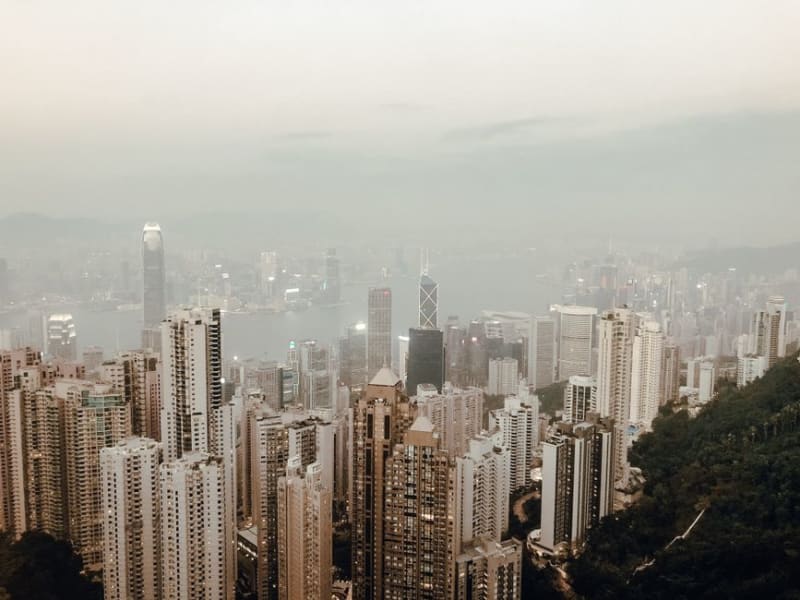 hong-kong
 Wan Chai
Where old Hong Kong refuses to leave — wet markets, tong lau tenements, and a nightlife strip that never got the memo about gentrification.
Explore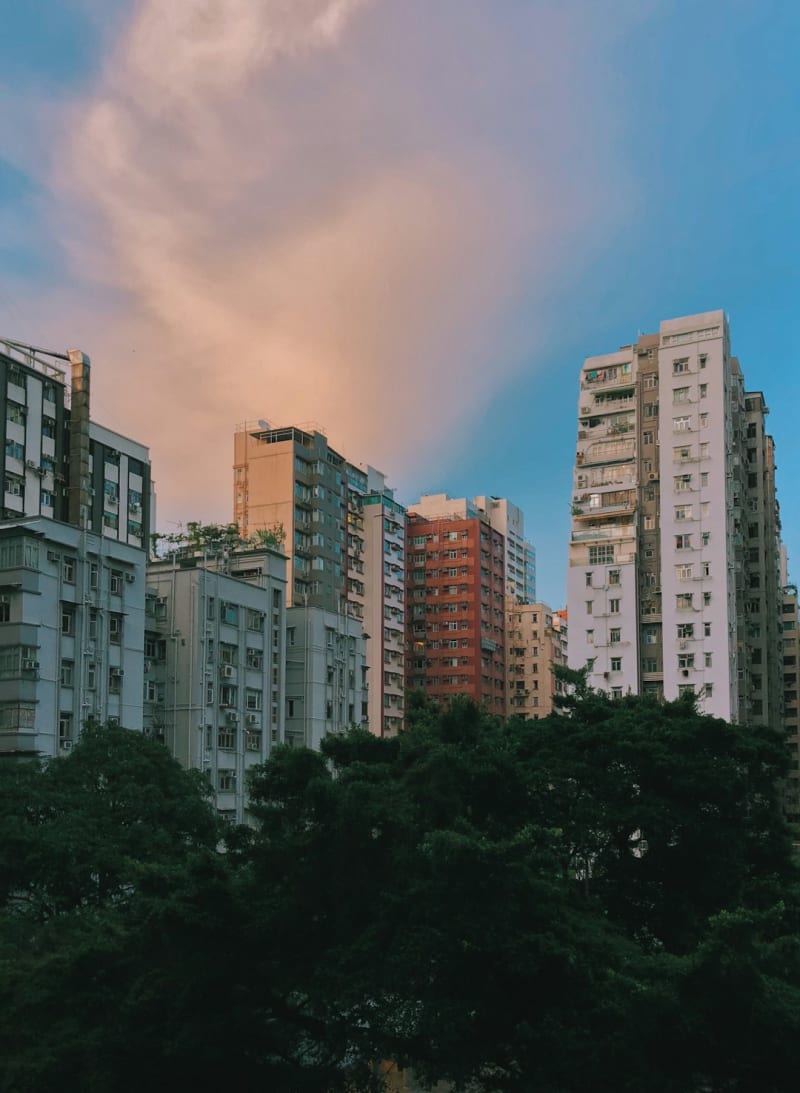 hong-kong
 Hong Kong Wetland Park
A reclaimed wetland reserve on the edge of Tin Shui Wai where mangroves, mudflats, and a resident crocodile sit improbably close to tower blocks.
Explore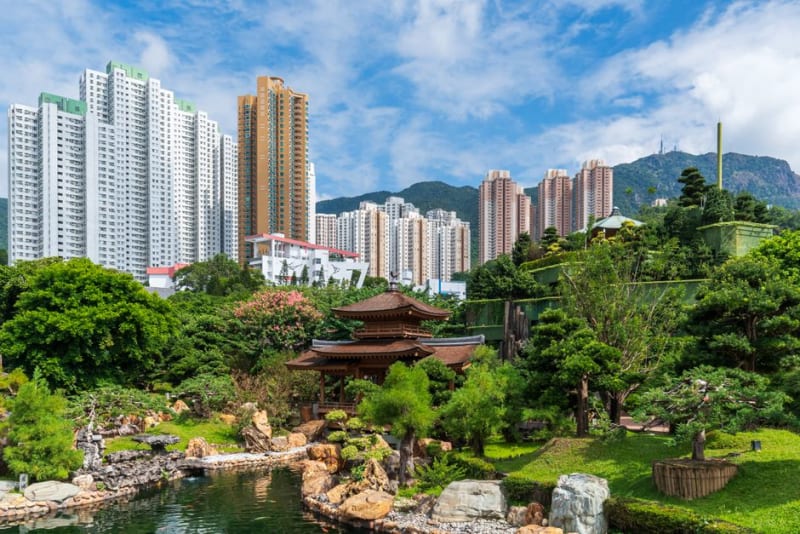 hong-kong
 Whampoa Garden
A Hung Hom housing estate with a life-sized concrete ocean liner moored in the middle of it, because why not.
Explore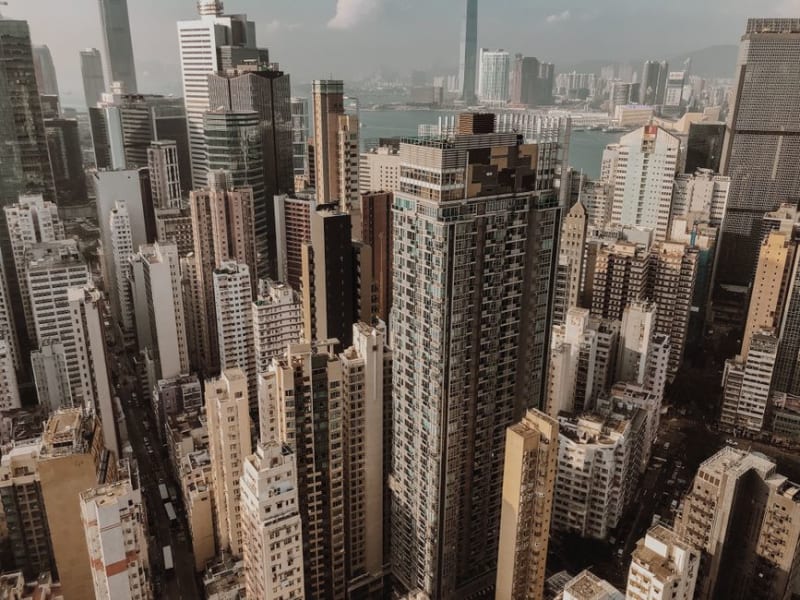 hong-kong
 Wong Chuk Hang
A former industrial district reborn as a warehouse gallery scene — Hong Kong's answer to Berlin's converted factories, minus the crowds.
Explore