Hong Kong Museum of History
"I went in expecting an hour. I came out three hours later, having walked through an entire recreated street from a city that no longer exists."
A full walk-through recreation of the city's past, from Neolithic fishing villages to the 1997 handover, told without the usual tourist gloss.
The Hong Kong Museum of History sits in Tsim Sha Tsui East, a short walk from the Science Museum and the busier harbourfront strip, and it does something I didn’t expect from a municipal history museum: it recreates entire streets rather than just displaying artefacts behind glass. The centrepiece is a full-scale walk-through reconstruction of a late-19th and early-20th century Hong Kong street, shopfronts and all — a traditional Chinese medicine hall, a rice merchant, a wet market stall — built at real scale and dimly lit to suggest evening, so you’re not so much reading about old Hong Kong as briefly walking through it.
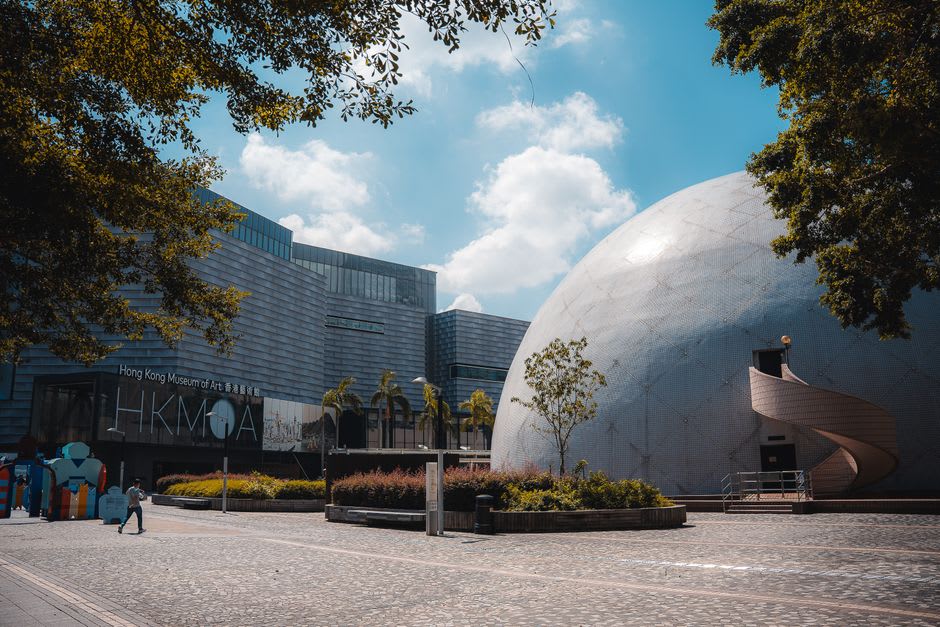
The permanent exhibition, called the Hong Kong Story, runs chronologically across eight galleries, starting with the natural environment and archaeological finds from four thousand years before any of the buildings I’d been photographing all week existed, through the Qing dynasty fishing and farming villages, the opium wars and the start of British rule, and into the 20th century — the Japanese occupation during the Second World War covered with a bluntness I found more honest than I expected from a government-run institution, and the postwar industrial boom that turned Hong Kong into a manufacturing power before it became the financial centre it is today.
What stayed with me longest was the gallery on the handover, 1997, presented with a genuine attempt at balance rather than triumphalism in either direction — footage of the ceremony, objects from the transition period, newspaper front pages in English and Chinese side by side. Given how loaded that history remains, the museum’s decision to simply lay out the sequence of events and let the visitor sit with it felt like a small act of institutional honesty. I spent longer in that final gallery than I expected to, thinking about how recently the city’s current identity was actually settled.
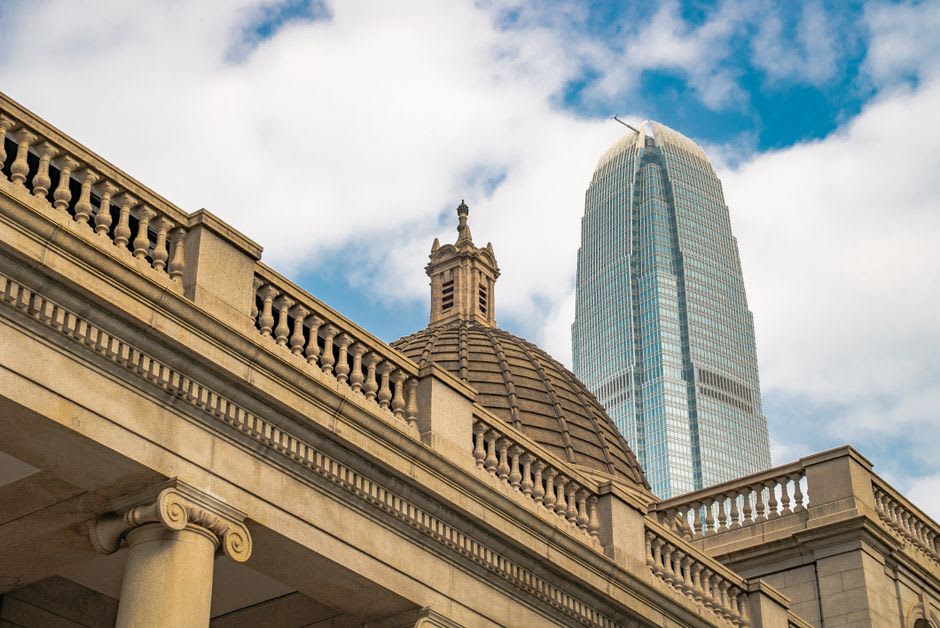
The museum is well air-conditioned, which after a humid day of walking Nathan Road or Temple Street is its own quiet argument in favour of visiting, and the ticket price is close to nominal for the amount of ground it covers. It’s an easy pairing with the Space Museum or Science Museum nearby if you want a full museum afternoon in Tsim Sha Tsui East.
When to go: Any day it’s open works, but weekday afternoons are notably quieter than weekends, when local school groups fill the recreated street gallery. Budget at least two hours if you want to actually read through the handover gallery rather than rush past it.
Keep exploring
More from Hong Kong
 hong-kong
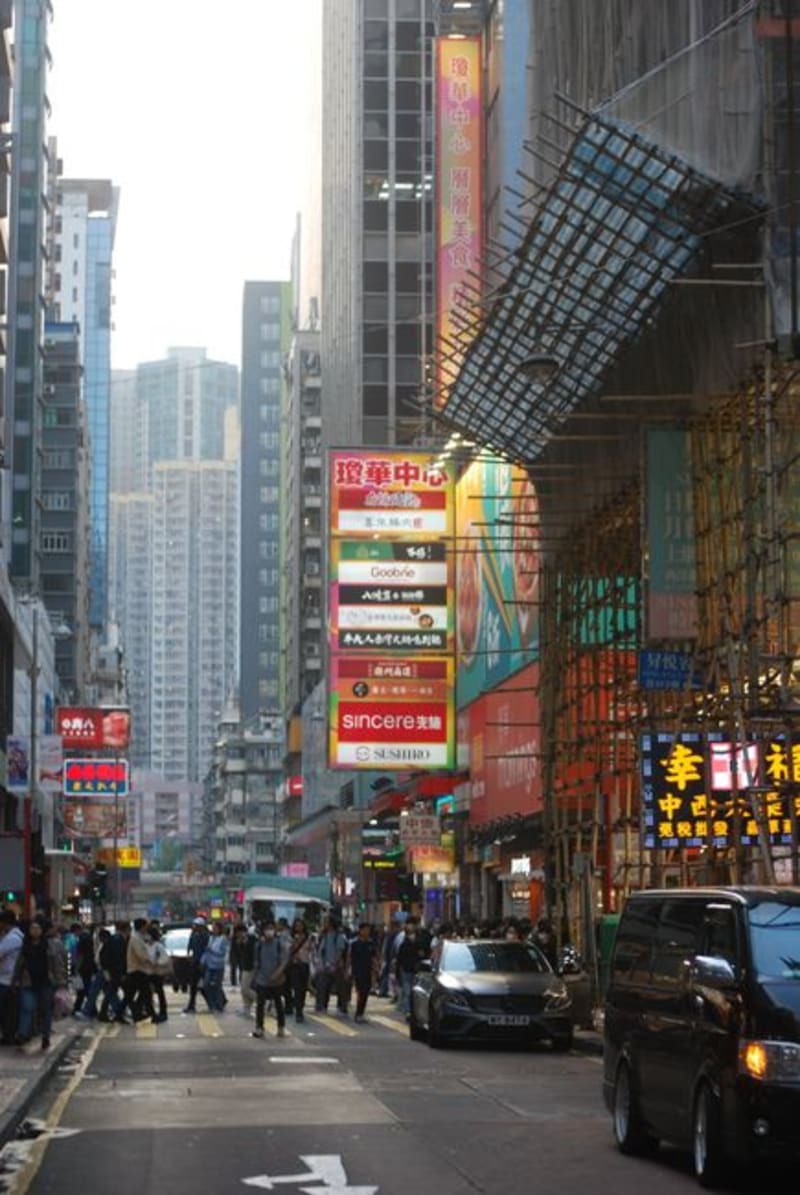
 Nathan Road
The Golden Mile of neon and hard-sell tailors, running the length of Kowloon like the city's original main street.
Explore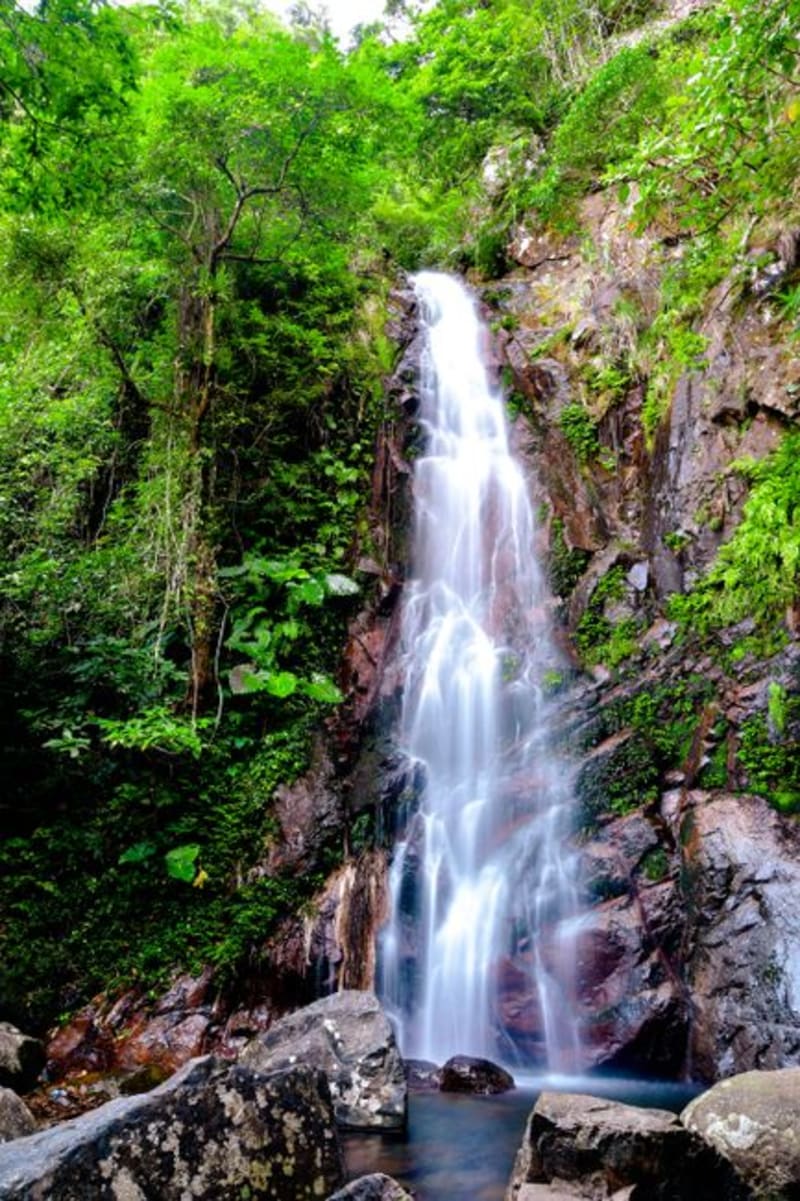 hong-kong
 Ng Tung Chai Waterfall
A series of four waterfalls climbing the slopes of Tai Mo Shan through dense forest — the closest thing Hong Kong has to a jungle trek.
Explore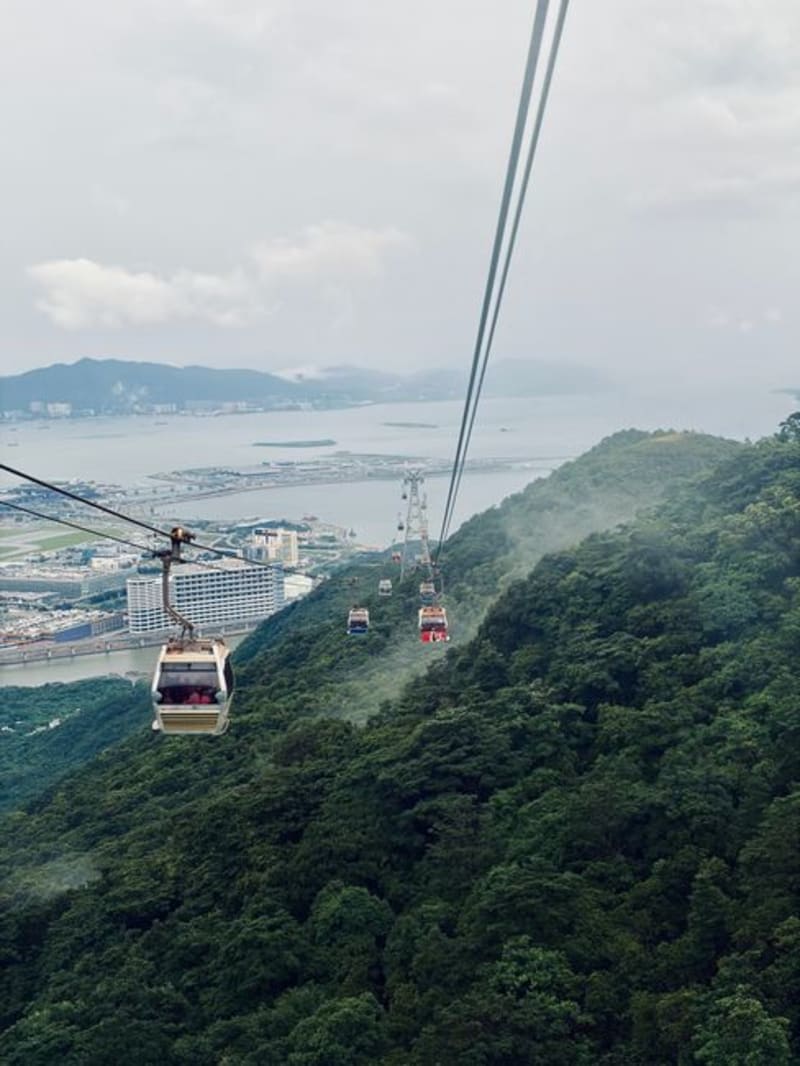 hong-kong
 Ngong Ping
A cable car ride into the clouds above Lantau, ending at a bronze Buddha the size of a building and a monastery that still means it.
Explore hong-kong
 North Point
A tram-split market street where Fujian dried goods and Chiu Chow beef balls are sold within arm's reach of the rails.
Explore hong-kong
 Ocean Park
A theme park stitched into a hillside above the South China Sea, where roller coasters share the ridge with pandas and a cable car does the commuting.
Explore hong-kong
 Ozone
The world's highest bar, perched on the 118th floor of the ICC tower, where the entire Kowloon and Hong Kong Island skyline unfolds beneath your cocktail.
Explore