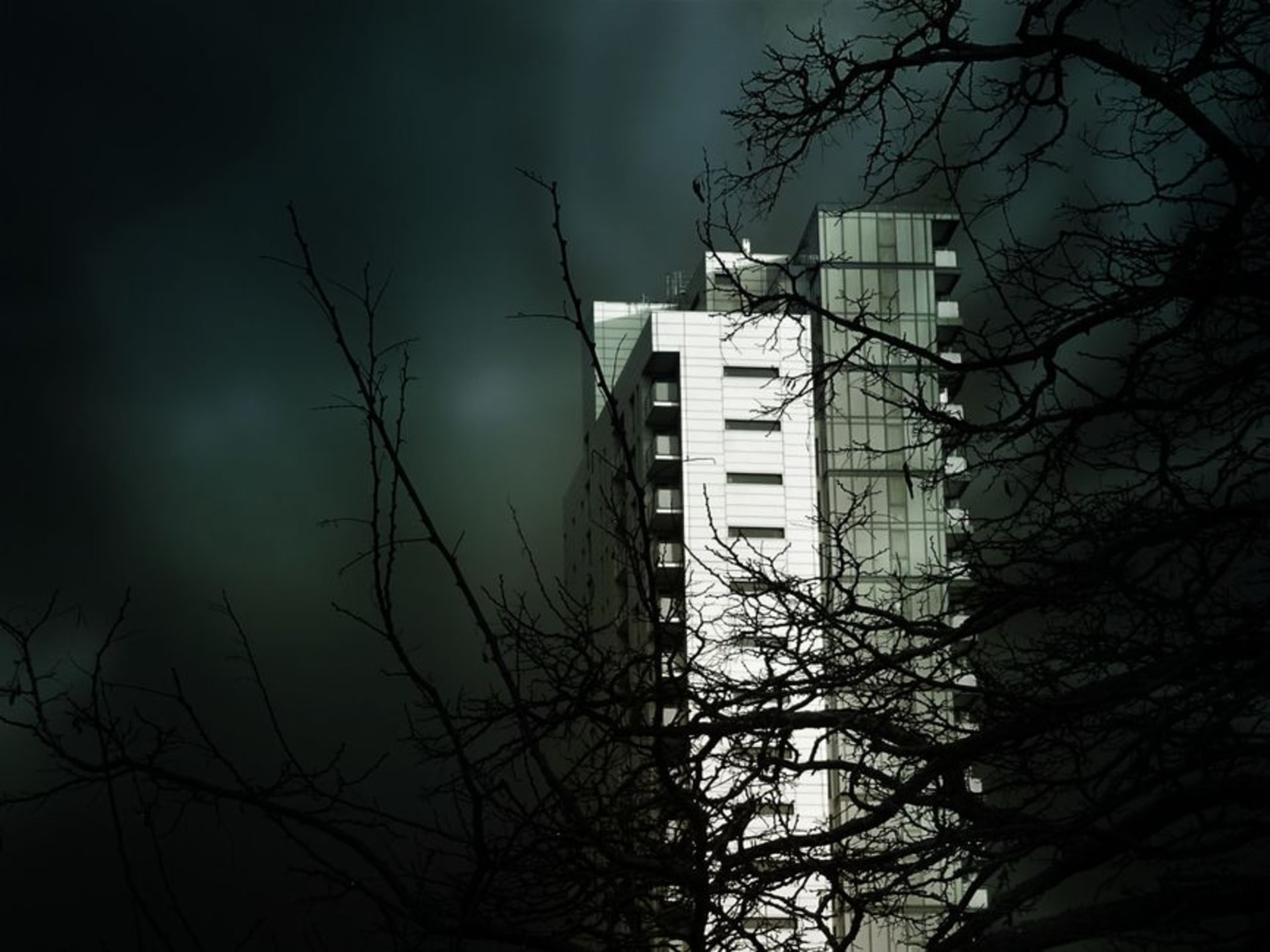
Monster Building
"I stood in the courtyard, tilted my head all the way back, and the sky disappeared into a rectangle of balconies stacked so high I lost count."
Quarry Bay's cluster of five interlocking residential towers, so densely stacked and photogenic they've become an unofficial architectural icon.
The Monster Building isn’t actually one building — it’s five interlocking residential blocks in Quarry Bay, built in the 1960s as Yick Cheong, Yick Fat, and three other estates, packed so tightly around a shared inner courtyard that from certain angles the whole cluster reads as a single, impossibly dense organism. It picked up its nickname and its social media fame largely through films like Transformers: Age of Extinction and a wave of photographers discovering that the courtyard, shot looking straight up, produces one of the most disorienting, vertiginous images Hong Kong has to offer — walls of balconies and air conditioning units curving inward on all sides until the actual sky is reduced to a small bright rectangle at the top.
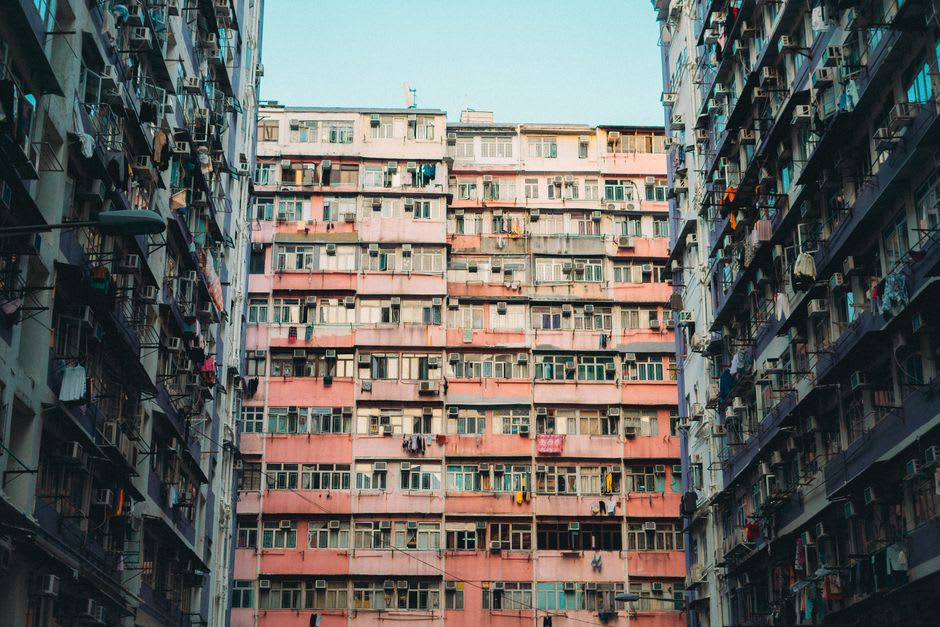
What I wasn’t prepared for, having seen the photograph a hundred times online before ever going, is that this is a fully lived-in residential estate, not an attraction built for visitors — actual families with actual laundry drying on actual balconies, and a growing tension between residents trying to live normal lives and photographers, myself included, showing up specifically to shoot the courtyard. Signs now ask visitors to stay quiet, avoid using flash, and not linger, and I’d urge anyone going to take that seriously; this isn’t a museum, it’s someone’s home, several thousand times over.
That tension aside, the estate is a genuinely remarkable piece of mid-century Hong Kong architecture, built during a period of explosive population growth when density wasn’t an aesthetic choice but a hard necessity, and it says something that the design has held up as functional housing for over sixty years. Small shops occupy the ground floor arcades — hardware stores, a barbershop, a couple of cha chaan tengs that have clearly been serving the same residents for decades — and walking through them gives you a far more honest sense of the building than the courtyard photo alone ever could.
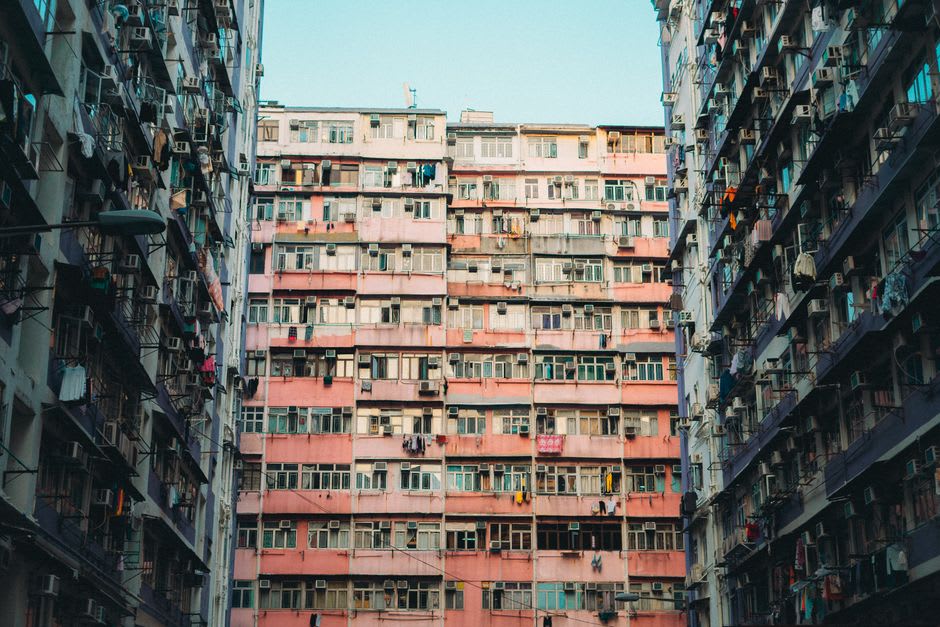
When to go: Weekday mid-mornings, briefly and quietly, out of respect for residents. Avoid weekends when photographer crowds peak, and skip flash photography entirely — the natural light from the courtyard opening is more than enough.
Keep exploring
More from Hong Kong
 hong-kong
 Mui Wo
Lantau's easygoing ferry town — Silvermine Bay's waterfall, a wide quiet beach, and the gateway most day-trippers rush straight through.
Explore hong-kong
 Hong Kong Museum of History
A full walk-through recreation of the city's past, from Neolithic fishing villages to the 1997 handover, told without the usual tourist gloss.
Explore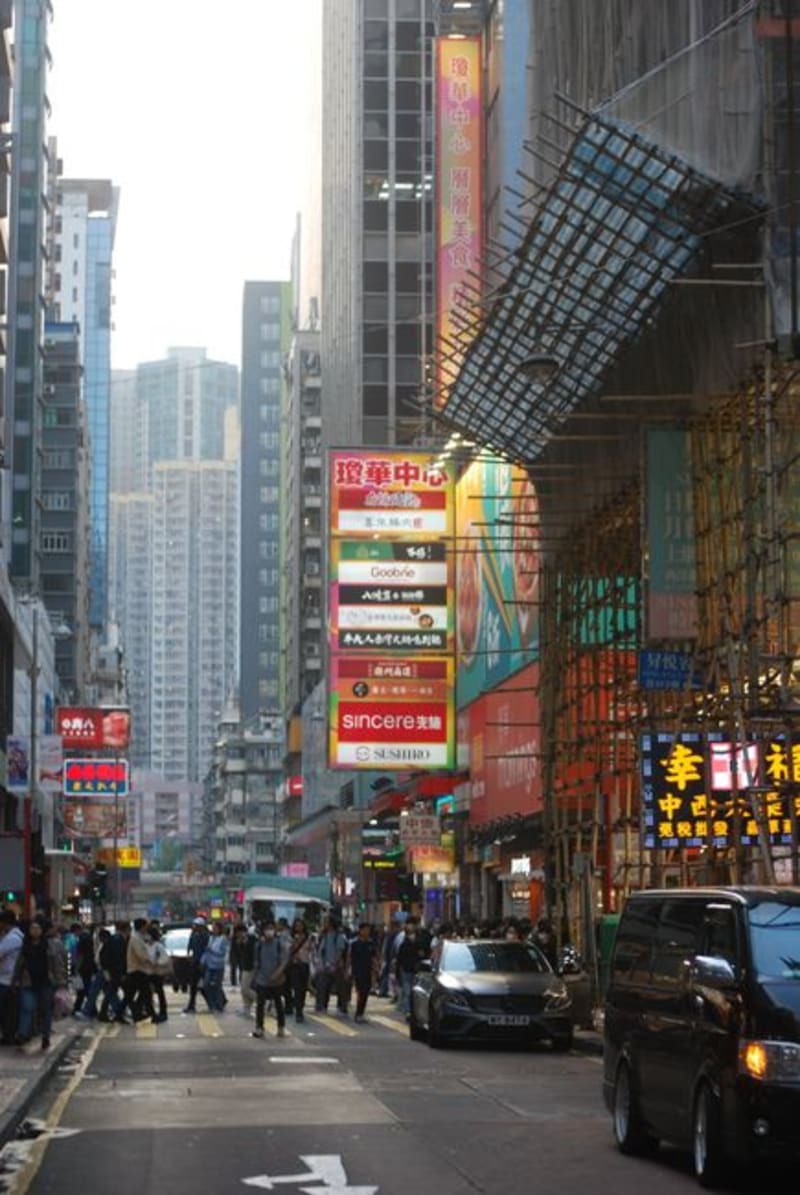 hong-kong
 Nathan Road
The Golden Mile of neon and hard-sell tailors, running the length of Kowloon like the city's original main street.
Explore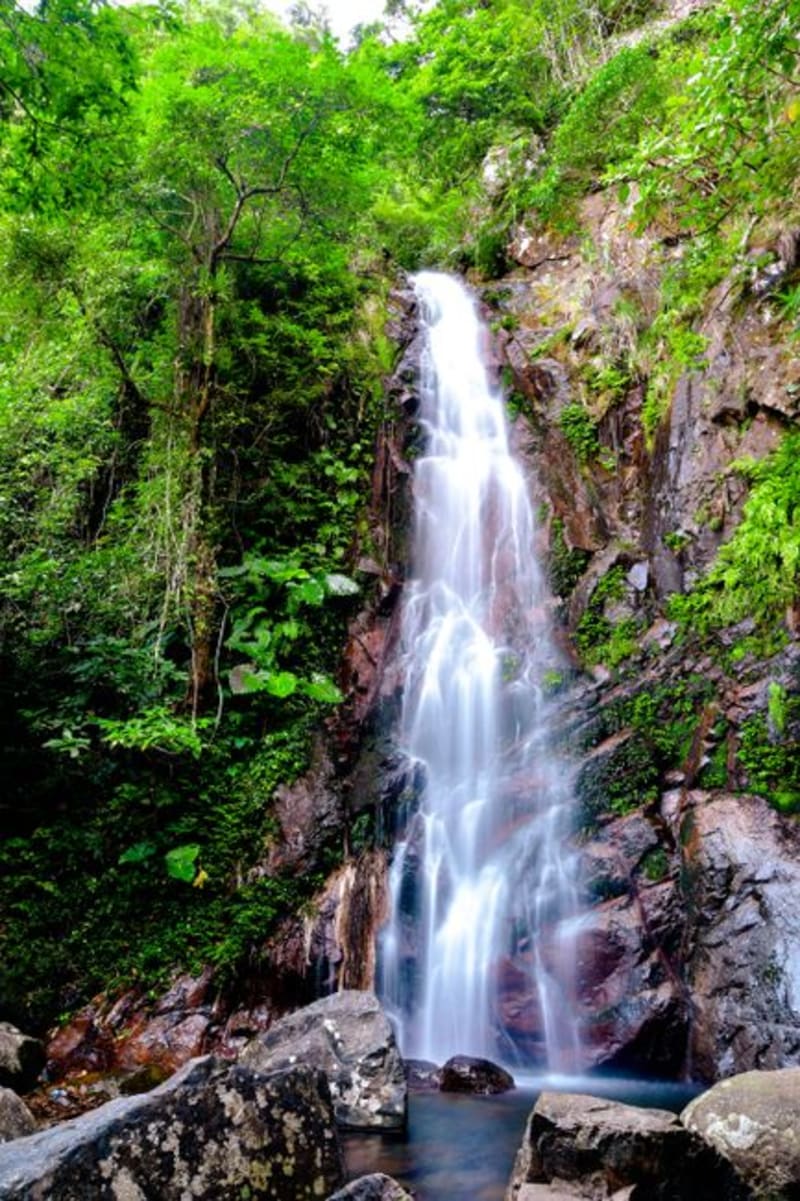 hong-kong
 Ng Tung Chai Waterfall
A series of four waterfalls climbing the slopes of Tai Mo Shan through dense forest — the closest thing Hong Kong has to a jungle trek.
Explore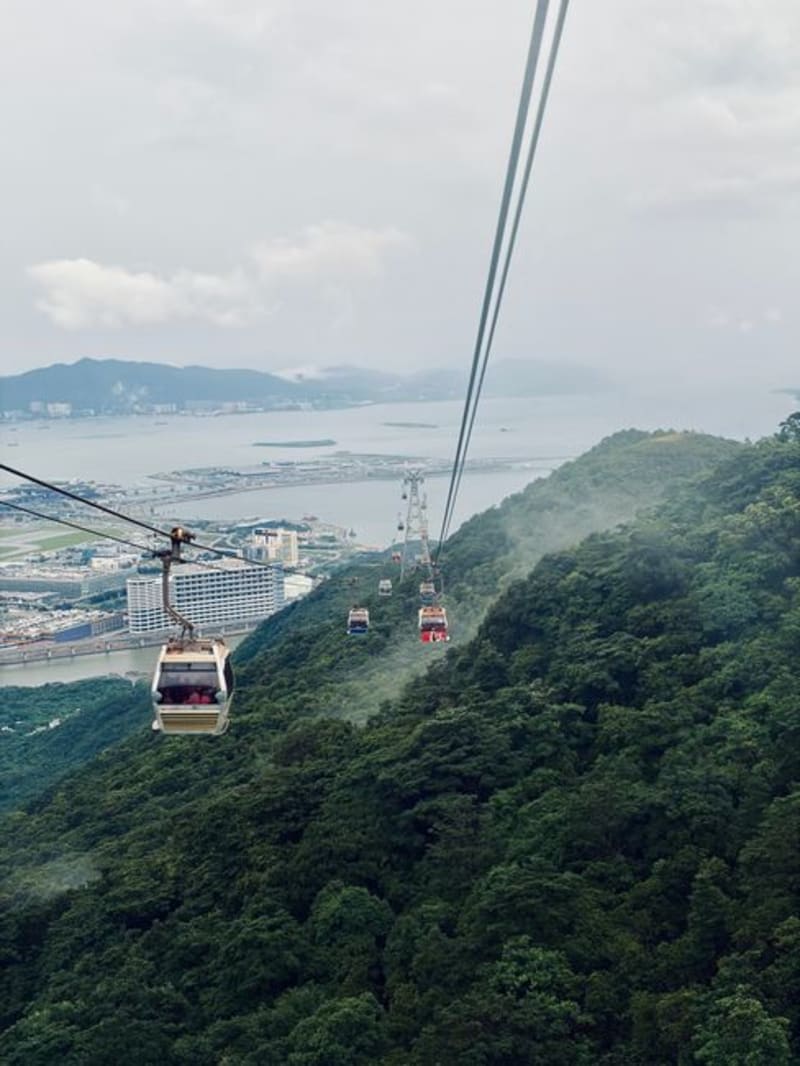 hong-kong
 Ngong Ping
A cable car ride into the clouds above Lantau, ending at a bronze Buddha the size of a building and a monastery that still means it.
Explore hong-kong
 North Point
A tram-split market street where Fujian dried goods and Chiu Chow beef balls are sold within arm's reach of the rails.
Explore