Kat Hing Wai
"An elderly woman at the gate asked for a small donation to take photos, and I paid it gladly — it felt less like a fee and more like an admission I was a guest here, not a visitor to an attraction."
A 500-year-old walled village in Kam Tin, ringed by a moat and iron gates the Qing government once confiscated as punishment.
Kat Hing Wai is a walled village in Kam Tin, out in the western New Territories, and it’s one of the last places in Hong Kong where you can walk up to a defensive wall built by a single lineage in the 1400s and find people still living behind it in the way their ancestors intended. The Tang clan — the same family behind the Ping Shan trail nearby — built the wall as protection against pirates and rival clans, and the layout has barely changed: a rectangular moat, now mostly dry, surrounding thick brick walls with a single narrow gate as the only way in.
I went with Lia on a slow Sunday, taking a green minibus from Yuen Long that dropped us more or less at the entrance. The gate itself has a small, loaded history — the original iron gate was confiscated by British colonial forces during the 1899 occupation of the New Territories and only returned decades later after local petitioning, and there’s a plaque near the entrance that tells the story with a restraint that undersells how significant it clearly still is to the village.
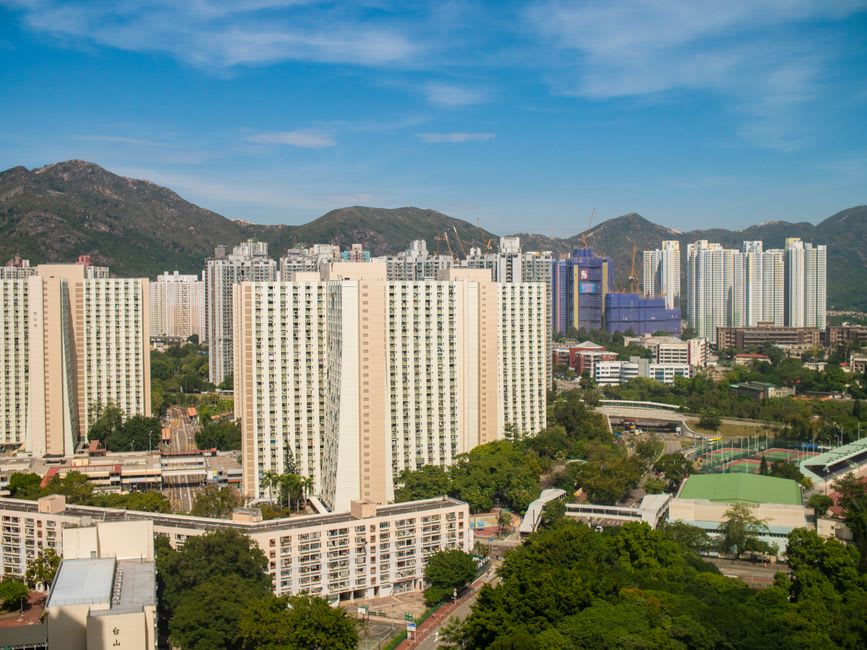
Inside, the village is a single narrow lane running the length of the enclosure, lined with small homes, a few shrines, and elderly residents who have clearly made peace with visitors passing through in exchange for a token donation, usually a couple of dollars, to take photographs. It felt less staged than I’d braced for. Laundry hung between buildings, someone’s radio played Cantonese opera from an open doorway, and a woman selling small trinkets and postcards from a folding table barely looked up as we passed. It is not a recreation. People live here, and the wall that once kept out pirates now mostly keeps out traffic noise.
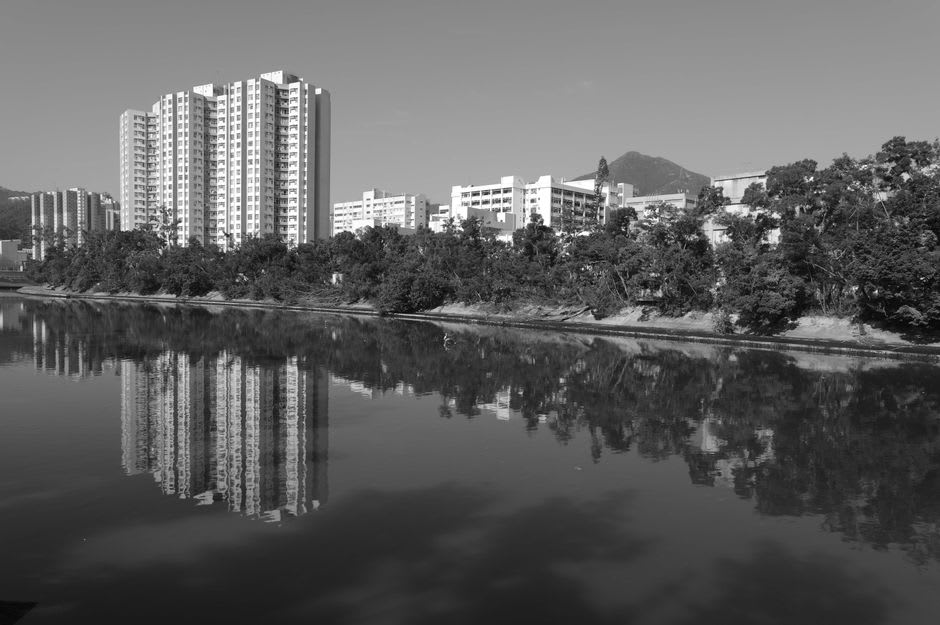
The whole visit takes maybe twenty minutes if you walk it straight through, which is part of what makes it work as a stop rather than a destination in itself — Kam Tin has other walled villages nearby (Shui Tau Tsuen has a cluster of them, less visited still) if you want to make an afternoon of it, and the area is a short ride from both the Ping Shan trail and the KCR line back into the city. What stuck with me afterward wasn’t the wall or the gate, honestly, but the ordinariness of it — a five-hundred-year-old fortified village going about a completely unremarkable Sunday.
When to go: Any time of year works since the visit is brief and mostly indoor-lane walking, but cooler months (October to March) make the minibus-and-walk combination more pleasant. Go on a weekday if you want the lane closer to empty.
Keep exploring
More from Hong Kong
 hong-kong
 Kennedy Town
The Island's westernmost tram stop, where old dai pai dong seafood shacks face the harbour and the MTR line simply stops, out of city.
Explore hong-kong
 Knutsford Terrace
A short pedestrian strip behind Tsim Sha Tsui's shopping chaos, lined with open-air restaurants and bars that spill onto the street after dark.
Explore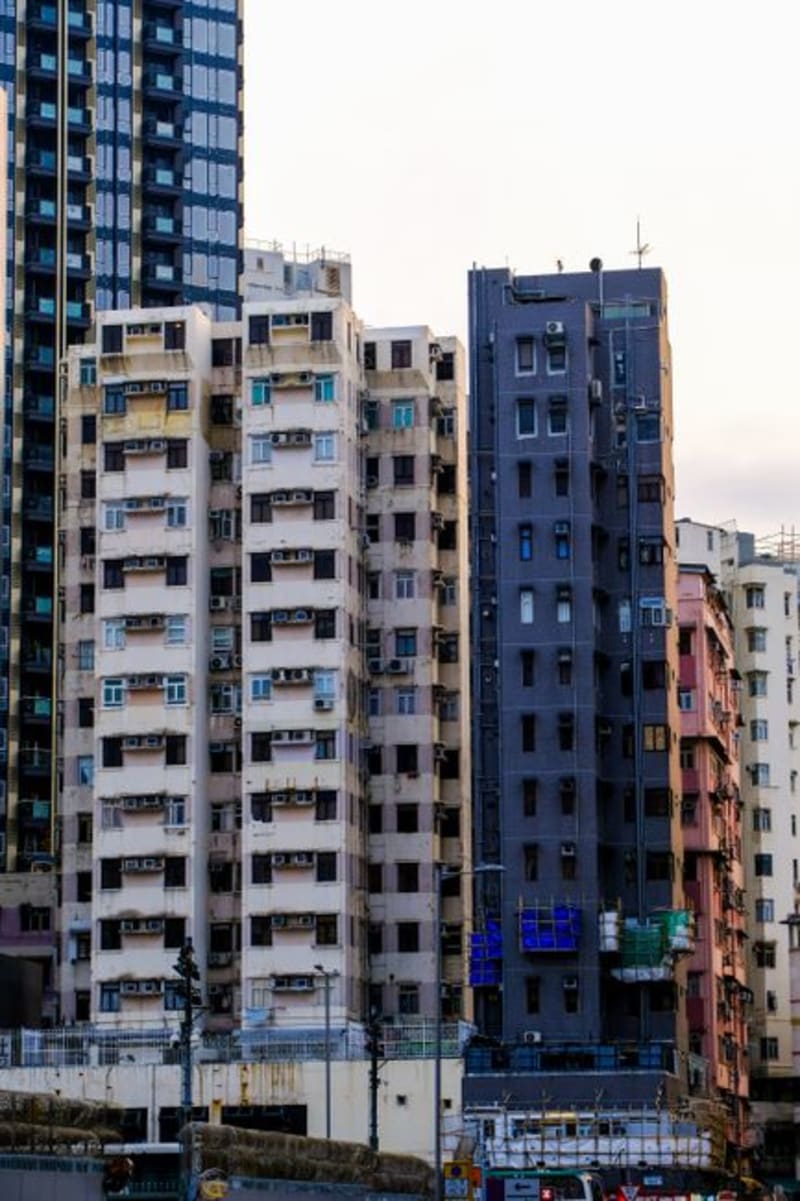 hong-kong
 Kowloon City
Hong Kong's unofficial Little Thailand, where Nam Kok Road runs thick with Thai grocers and som tam stalls in the old Walled City's shadow.
Explore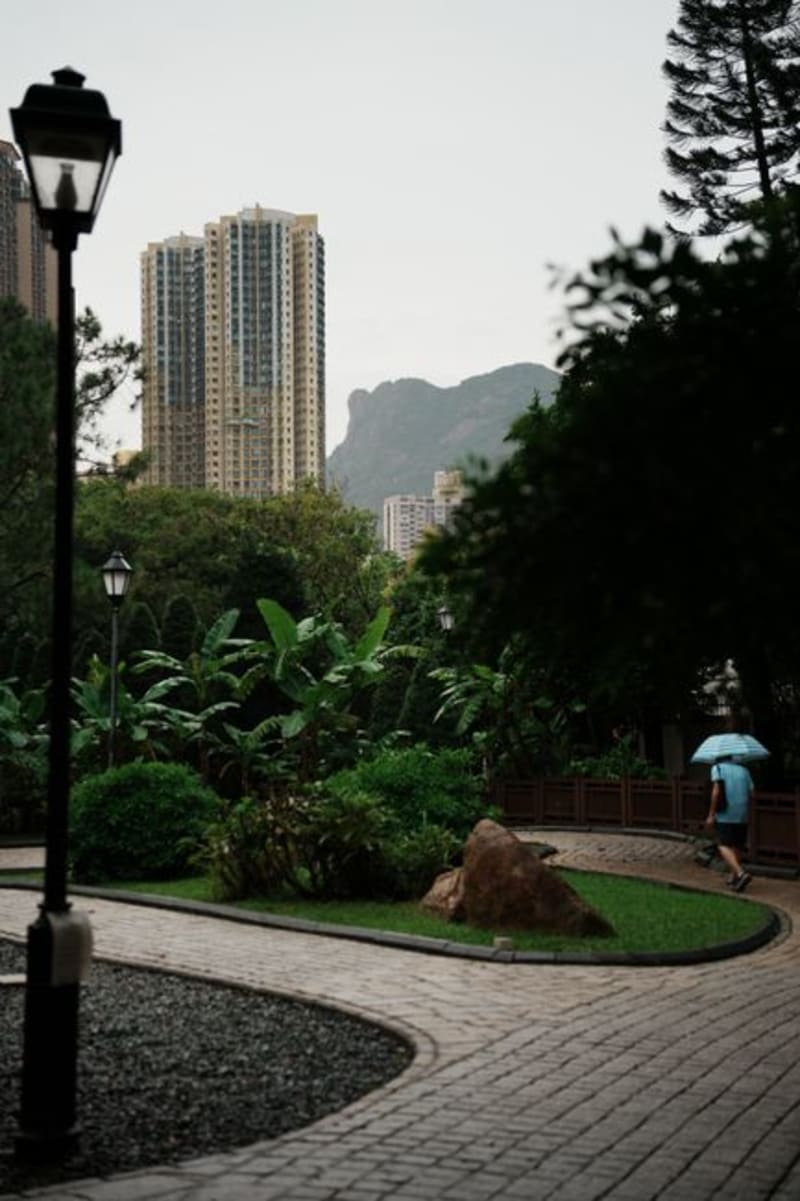 hong-kong
 Kowloon Park
A green pocket behind Nathan Road with flamingos, a mosque, and the best free swimming pool complex in the city.
Explore hong-kong
 Kowloon Walled City Park
Where Hong Kong's most lawless slum once stood, a classical garden now holds an almost archaeological silence.
Explore hong-kong
 Lamma Island
Hong Kong's laid-back island refuge — seafood on stilts over the water, forest trails on the ridge, no rush whatsoever.
Explore