Aberdeen
"Aberdeen is the reminder that Hong Kong was a fishing outpost before it was anything else."
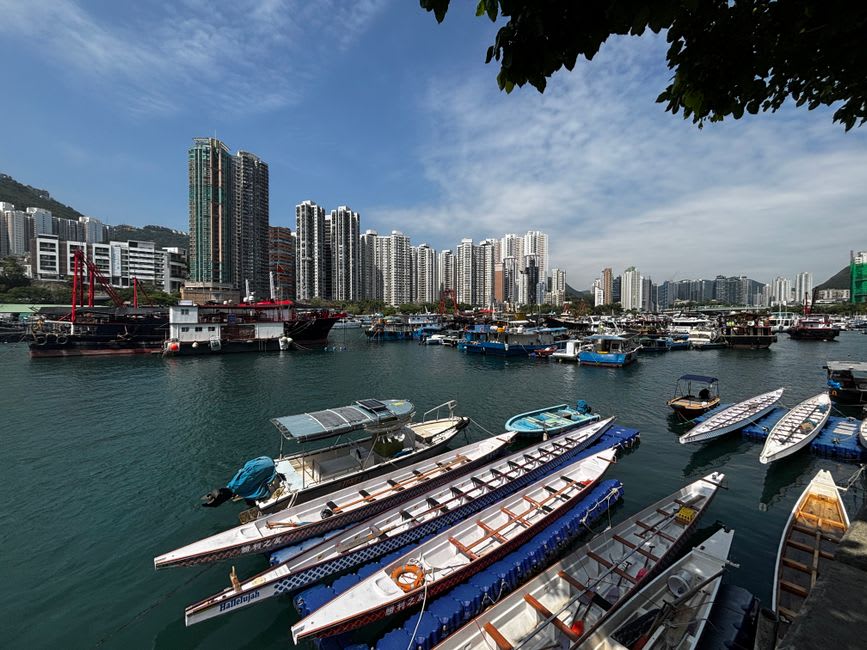
A fishing village that industrialized around it — houseboats, a floating restaurant the size of a small hotel, and typhoon shelter life that predates the skyscrapers by centuries.
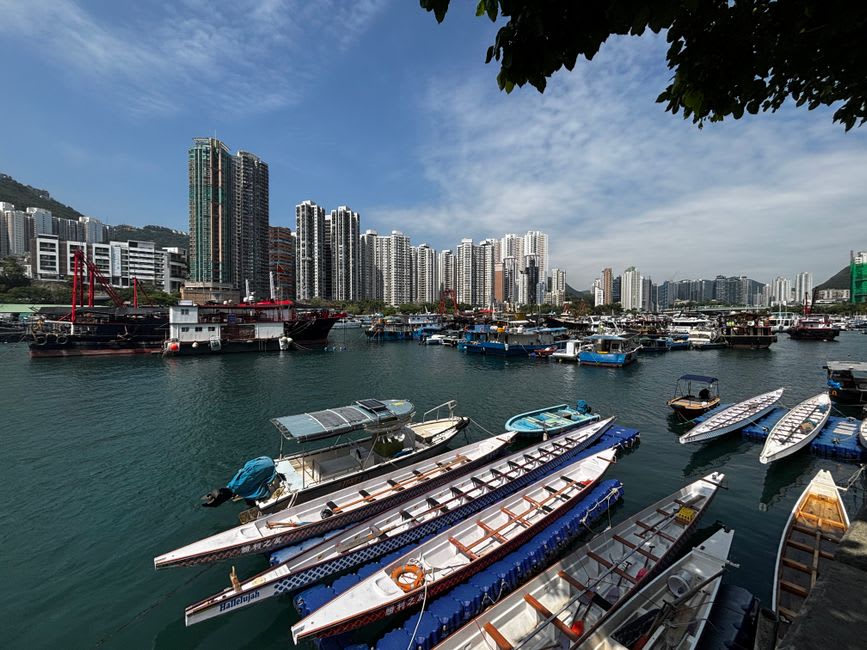
The towers arrived around Aberdeen Harbour eventually, the way they arrive everywhere in Hong Kong, but the harbor itself refused to modernize at the same pace. Sampans and fishing junks still pack the typhoon shelter three and four boats deep, some of them still lived on full-time by families who’ve never known another address. I hired a small sampan with an elderly woman rowing it standing up, a technique I later learned is specific to this harbor and takes years to do properly without capsizing, and she took us on a twenty-minute loop through the boats for less than the price of a beer.
What struck me most wasn’t the boats themselves but the density of an entire floating community — laundry strung between hulls, someone frying fish on a portable stove balanced on the stern, a kid doing homework at a fold-out table with the whole harbor rocking gently underneath him. This is a way of life that’s shrinking fast as the older generation ages out and their children move onto land, and there’s something quietly moving about catching a glimpse of it while it still exists.
Jumbo Kingdom, the enormous floating restaurant done up like an imperial palace on pontoons, closed its restaurant operations a few years back and had a genuinely dramatic capsizing incident during towing, which somehow felt fitting for a structure that always seemed slightly too improbable to be real. Part of it has since been restored and reopened for limited public viewing, and even from the water it’s worth seeing — this gaudy, magnificent relic of 1970s Hong Kong excess, still lit up in gold and red, floating in a harbor otherwise dominated by working fishing vessels.
On land, Aberdeen’s wet market and the promenade along the waterfront are worth an hour of wandering, especially in the late afternoon when the fishing boats start coming back in and the whole harbor gets busy with the day’s catch being unloaded, weighed, and sold before it even reaches the market stalls.
When to go: Late afternoon, when the fishing fleet returns and the harbor is at its most active. Avoid typhoon season (July–September) when boat trips get cancelled with little notice.
Keep exploring
More from Hong Kong
 hong-kong
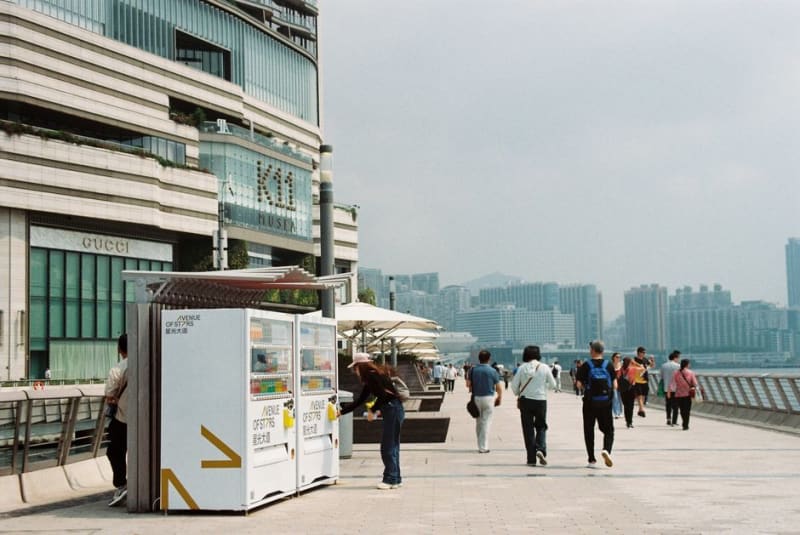
 Avenue of Stars
A harbourfront promenade where the Hong Kong Island skyline puts on the best free show in the city, twice.
Explore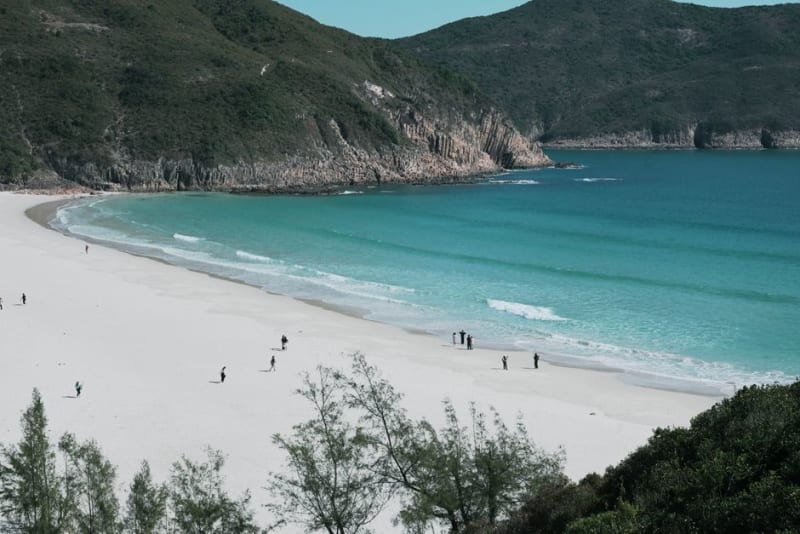 hong-kong
 Big Wave Bay
Hong Kong Island's surf beach — a scrappy, low-key cove where board rentals cost less than a coffee and the crowd is more local than anywhere in the south.
Explore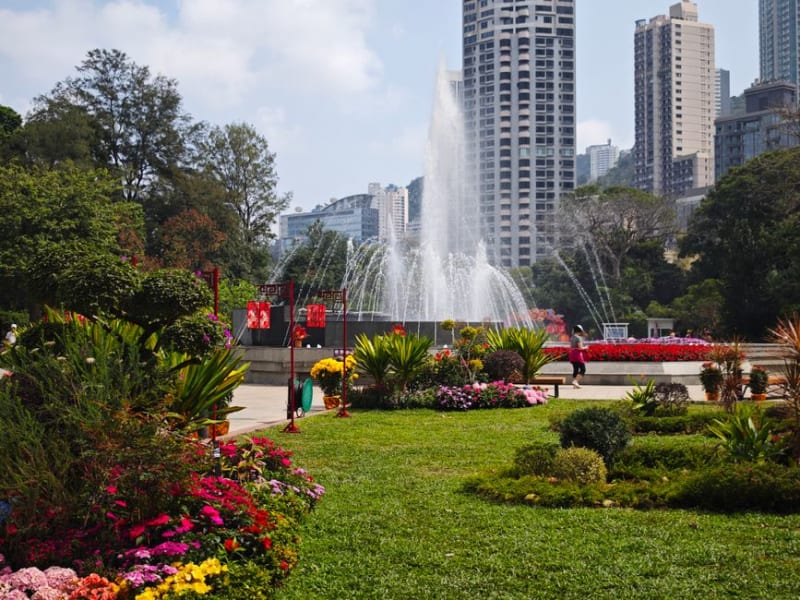 hong-kong
 Hong Kong Zoological and Botanical Gardens
The oldest park in Hong Kong, a shaded colonial-era garden on the edge of Central with orangutans, flamingos, and not a single skyscraper view to distract you.
Explore hong-kong
 Bride's Pool
A cascading waterfall and swimming pool in Plover Cove Country Park, wrapped in a sad local legend and surrounded by some of the New Territories' calmest woodland.
Explore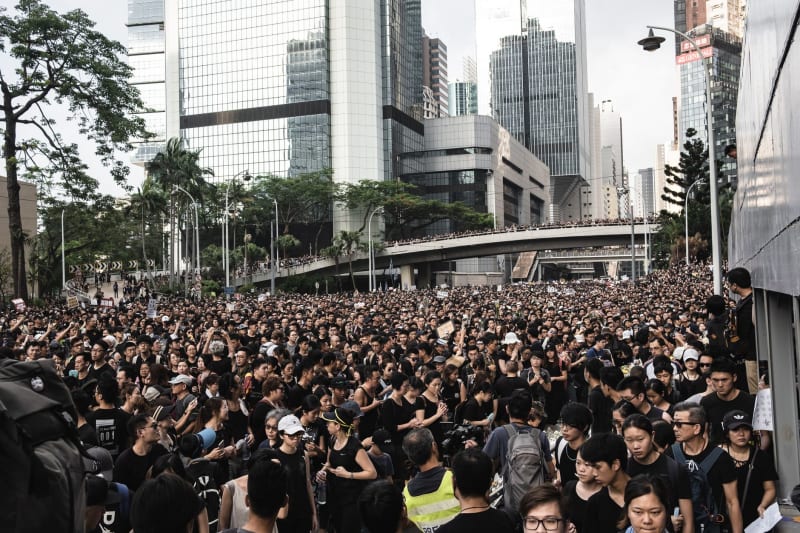 hong-kong
 Causeway Bay
Hong Kong Island's most commercially alive district, where the energy is genuinely its own and the noodle shops open past midnight.
Explore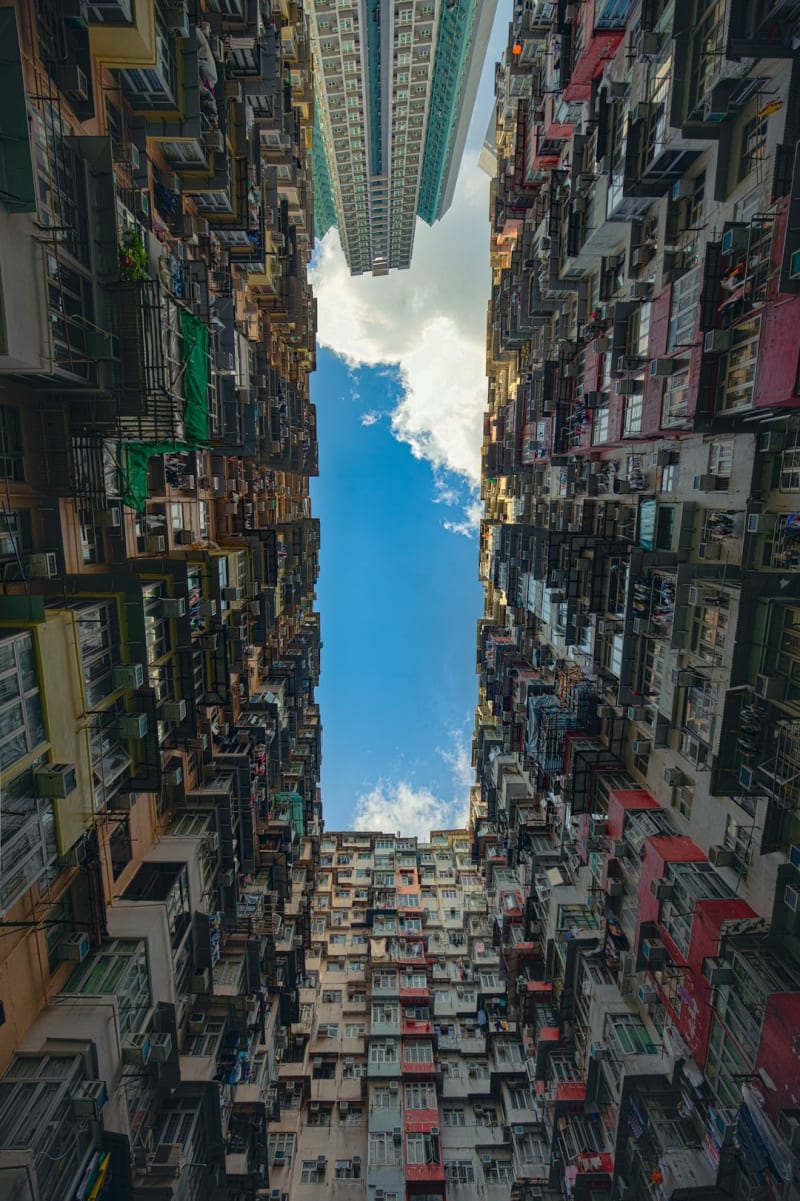 hong-kong
 Central
Hong Kong's financial engine room — where escalators climb through the hillside and lunch happens standing up, fast, and seriously.
Explore