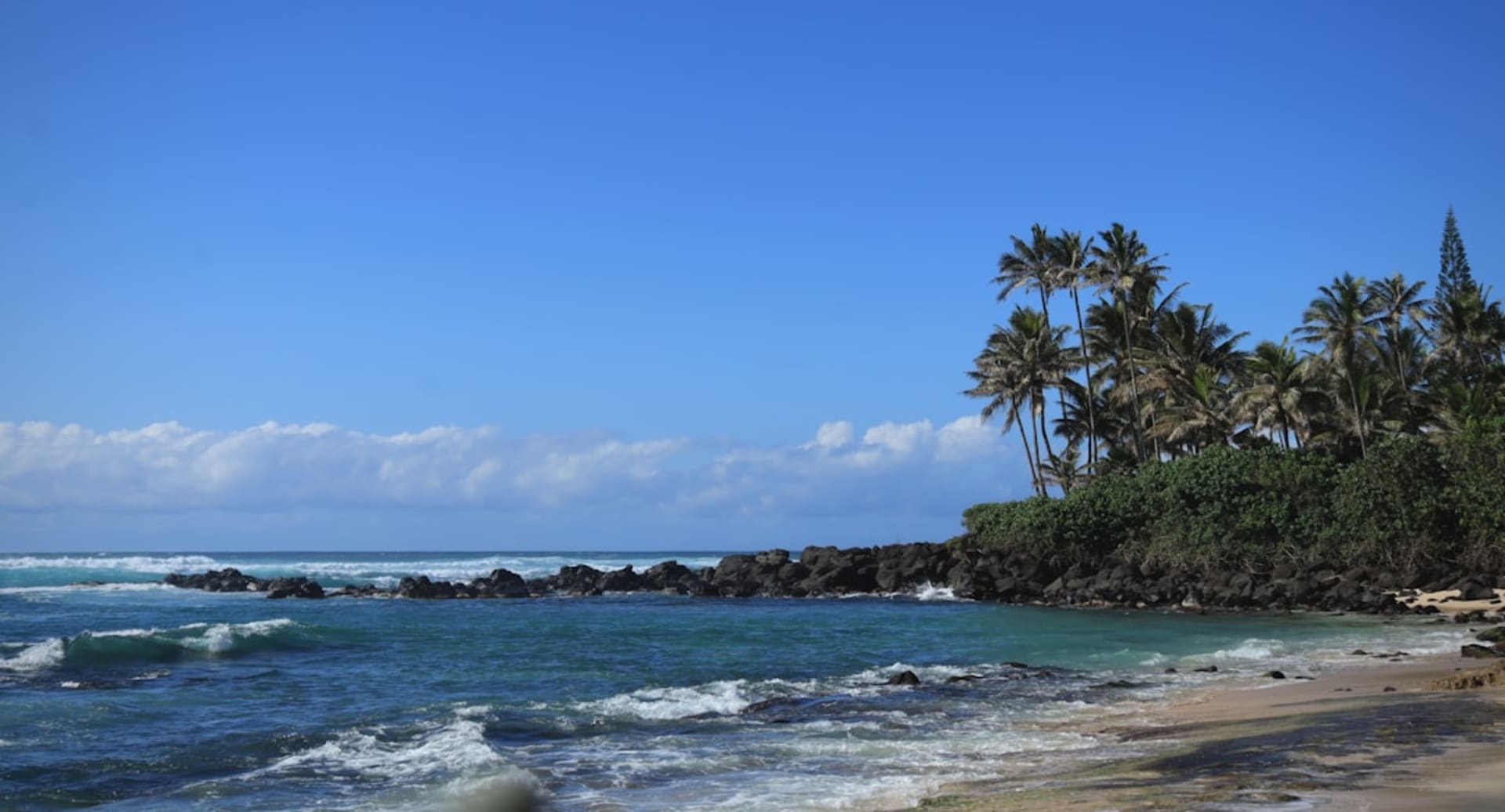
MacKenzie State Recreation Area
"The trees here all lean the same direction, like they gave up arguing with the wind decades ago."
A wind-bent ironwood forest on a raw sea-cliff coastline, threaded by a forgotten section of the old King's Highway.

I found MacKenzie State Recreation Area entirely by accident, pulling off Highway 137 on the Puna coast because a small brown sign mentioned camping and I was curious what a campground looked like on a coastline this exposed. What I found instead was one of the quietest, strangest little forests I encountered anywhere on the Big Island — a dense grove of ironwood trees, all bent permanently seaward by decades of trade wind, planted over a century ago to stabilize land above sheer, black volcanic cliffs.
Walking Under the Ironwoods
The needles underfoot muffle every footstep into near silence, and the canopy filters the tropical sun down into a soft, almost Mediterranean light that felt completely at odds with the rest of Hawai’i’s brightness. Below the tree line, the coast drops in raw, undercut black cliffs straight into a pounding surf with no beach at all — this is not a swimming spot, and the absence of any sand made it feel less curated than almost anywhere else we visited. Lia said it reminded her of a Brittany coastline more than anything tropical, and once she said it I couldn’t unsee the resemblance.
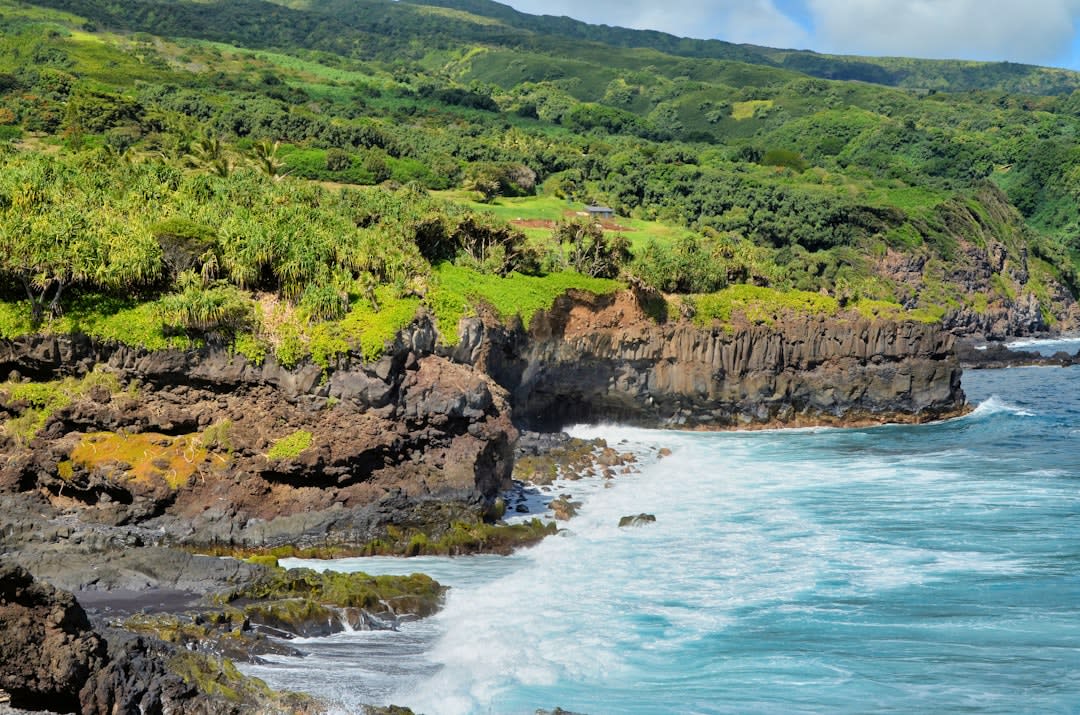
A Fragment of the Old Trail
A short, overgrown stretch of the ancient Hawaiian coastal trail — a segment of the same King’s Highway network I’d later walk near Waikoloa — runs through the park, worn smooth basalt barely visible under fallen ironwood needles. I lost the trail twice trying to follow it south and had to backtrack, which felt appropriate for a path this unmarked and unpolished. There is a genuine pleasure in following a historic route that nobody has bothered to pave into a tourist experience.
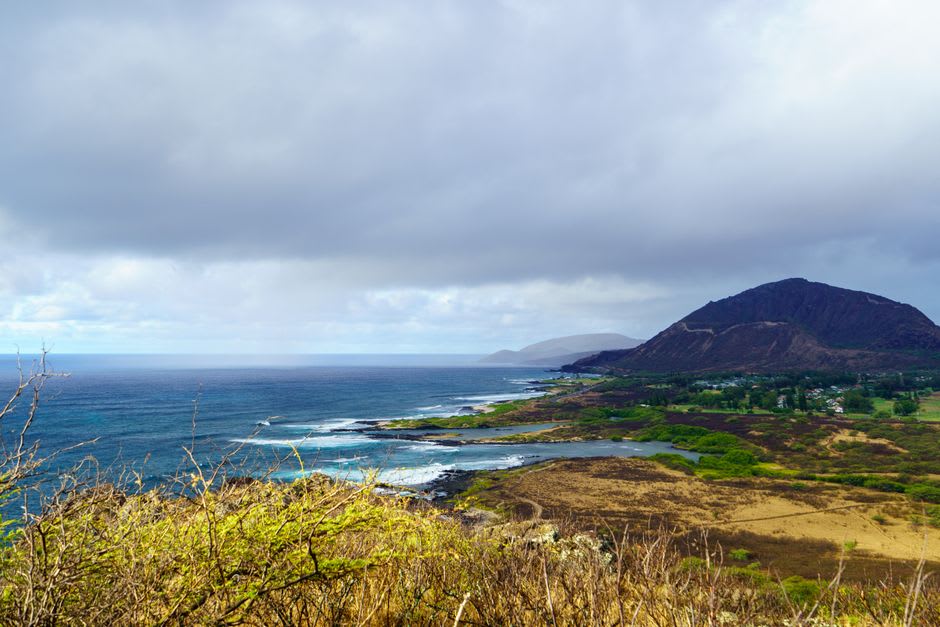
Camping at the Edge
The park’s campground sits directly among the ironwoods, close enough to the cliff edge that the sound of surf against rock is constant through the night. We didn’t camp ourselves, but a ranger doing rounds mentioned that this stretch of coast has its share of local legend involving night marchers and unexplained sounds after dark — the kind of story that locals tell half-seriously, and that felt entirely plausible standing alone under those bent, whispering trees at dusk.
When to go: Daytime for the walk and the cliffs; a rougher, more remote experience than most Big Island stops, so bring your own water and expect no facilities beyond basic restrooms. This is not a beach destination — go for the forest and the coastline, not for swimming.
Keep exploring
More from Hawai'i
 hawaii
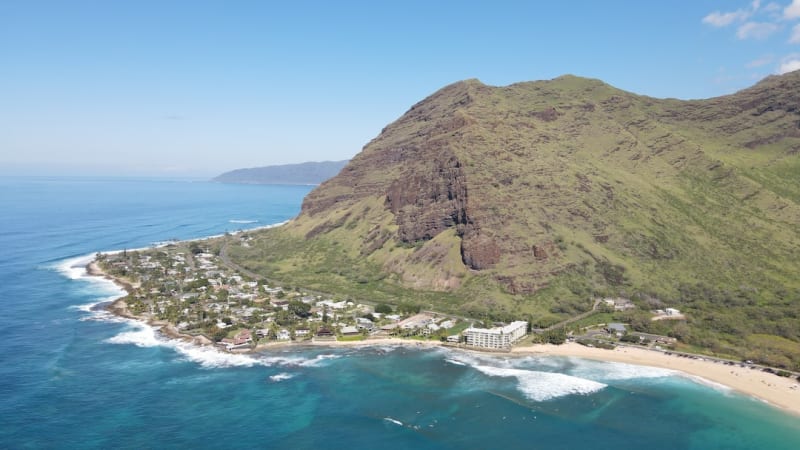
 Makaha
A working-class surf town on Oahu's Waianae Coast where the waves are enormous, the beach is local, and the tourist buses genuinely never come.
Explore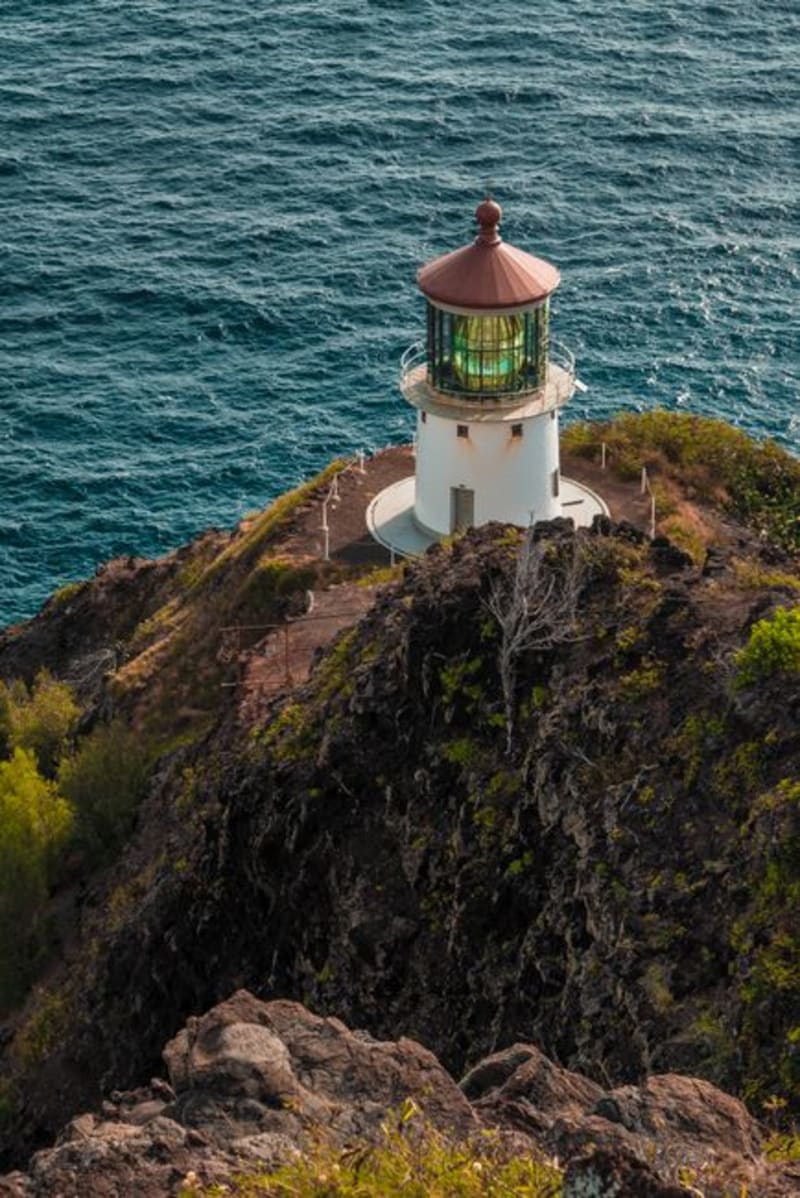 hawaii
 Makapu'u Point
Oahu's easternmost tip, where a paved lighthouse trail delivers whale-watching views and tide pools without a single step of technical hiking.
Explore hawaii
 Makena
South Maui's wildest beach stretch — a mile of undeveloped golden sand, punishing shore break, and a coastline that resisted resort development.
Explore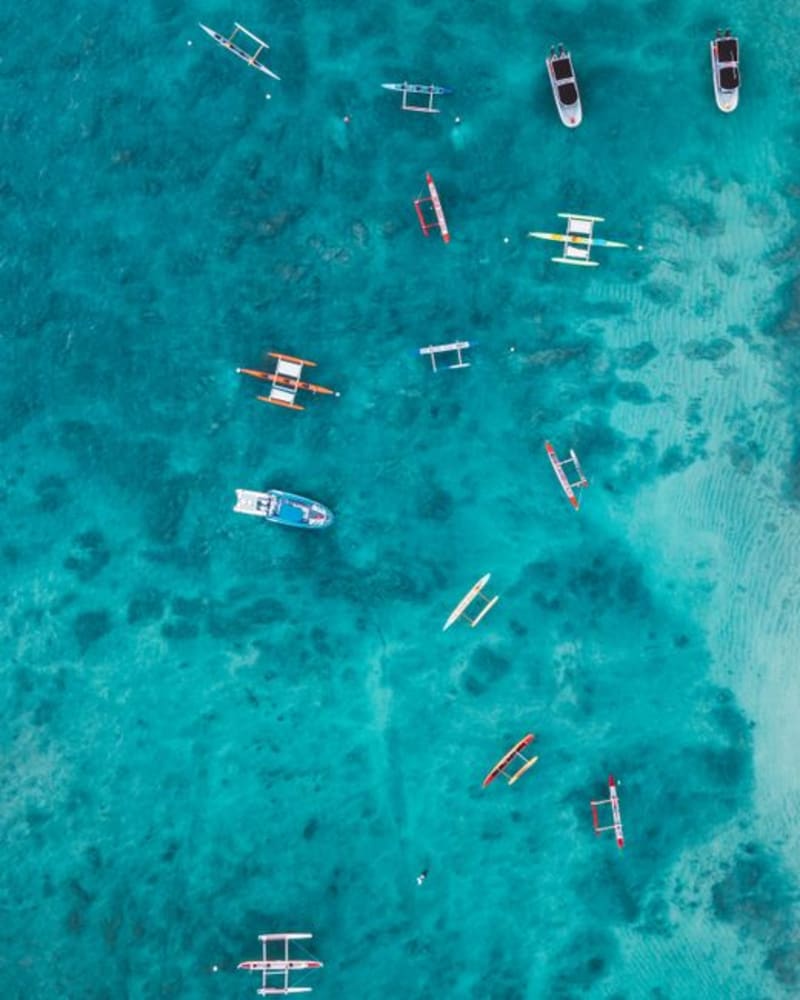 hawaii
 Manele Small Boat Harbor
The tiny harbor beside Hulopoe Bay on Lanai where the ferry from Maui docks, dolphins loiter at dawn, and the whole island's connection to the outside world funnels through one short pier.
Explore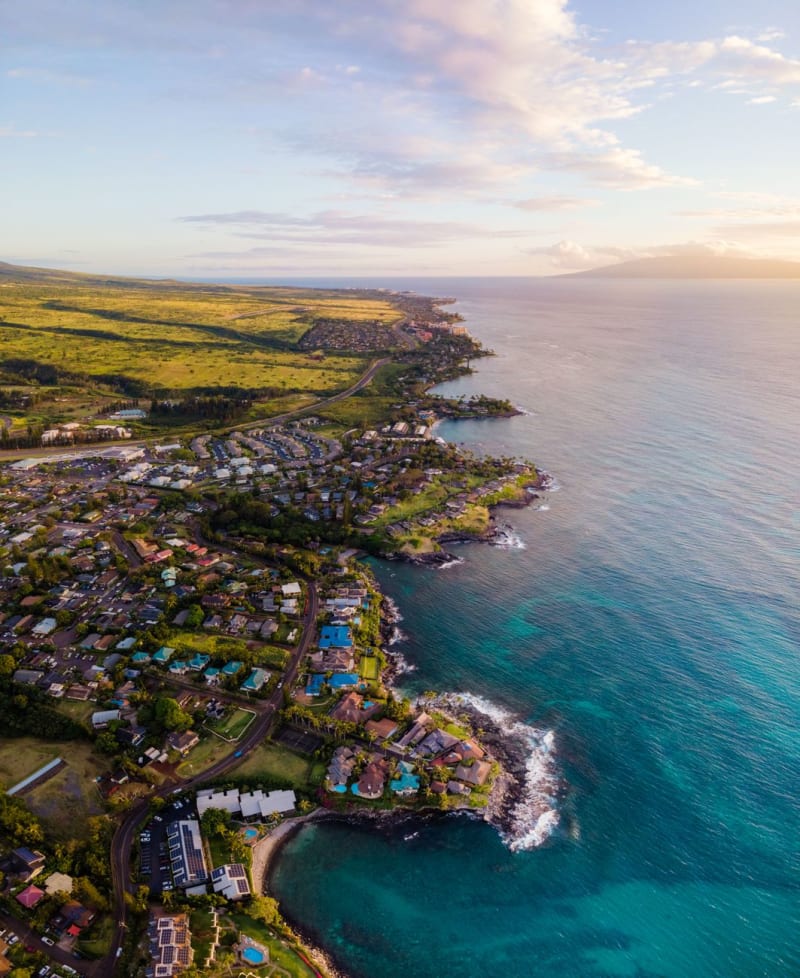 hawaii
 Maui
Haleakalā's sunrise, the Road to Hana, and a balance of adventure and comfort that makes it the most versatile Hawaiian island.
Explore hawaii
 Maui Ocean Center
An aquarium built entirely around Hawaiian marine life, offering a walk-through reef tunnel and a close look at species most visitors will only glimpse blurry underwater.
Explore