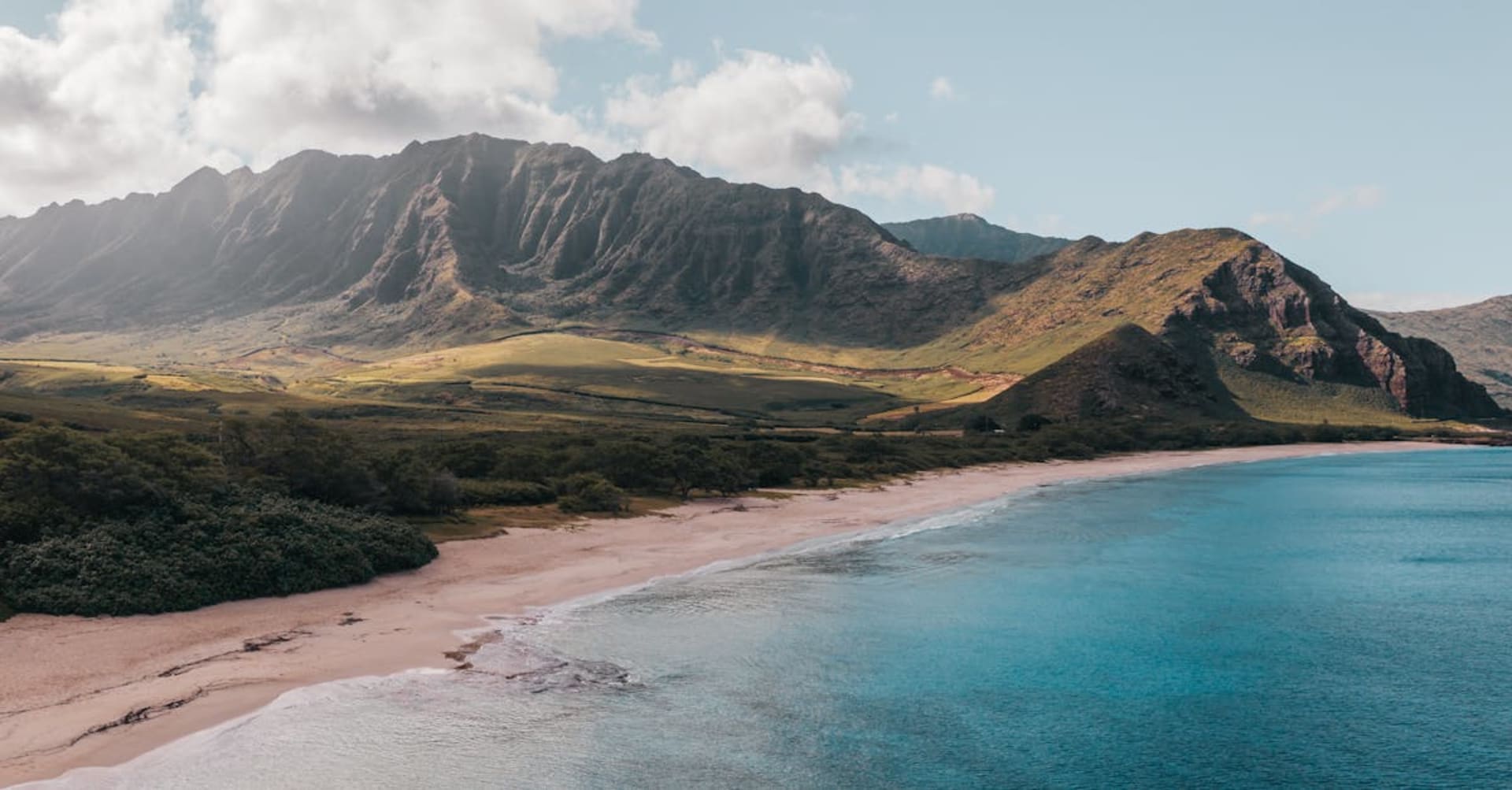
Haleakalā's sunrise, the Road to Hana, and a balance of adventure and comfort that makes it the most versatile Hawaiian island.

Maui occupies the middle ground of the Hawaiian chain — more developed than the Big Island, less urban than O’ahu, more accessible than Kaua’i. It is the island that works for almost everyone: world-class snorkeling, a 3,000-meter volcano, a legendary coastal drive, whale watching in season, and enough good restaurants and comfortable hotels to satisfy the traveler who wants adventure and a proper dinner.
Haleakalā at sunrise is the defining Maui experience. Drive up in the dark — the road climbs from sea level to the summit in ninety minutes through climate zones that shift from tropical to alpine. At the top, you stand above the clouds at the rim of a crater that looks like Mars. The sunrise is not just beautiful — it is spiritual in a way that transcends the word. The Hawaiians named it “House of the Sun” and the name is not poetic license.
The Road to Hana is a 100-kilometer drive along the northeast coast: 620 curves, 59 bridges, waterfalls at every turnout, black-sand beaches, bamboo forests, and tropical gardens. The destination (Hana) is secondary to the drive itself. Stop at the Wai’anapanapa black sand beach, hike to the Waimoku Falls through the Pipiwai bamboo forest, and swim in the Pools of ‘Ohe’o.
West Maui — Lahaina, Ka’anapali, Kapalua — is the resort coast. The snorkeling at Molokini crater (a partially submerged volcanic caldera offshore) is exceptional, and whale watching from December to April is among the best in the world — humpbacks migrate to the shallow waters between Maui and Lana’i to calve.
Upcountry Maui — the slopes of Haleakalā above Paia — is farm country: lavender fields, goat cheese producers, and a slow, pastoral atmosphere that feels nothing like the coast.
When to go: April to June or September to November. Winter is whale season but also peak tourist season. The Road to Hana is best in the dry months to avoid mudslides.
Keep exploring
More from Hawai'i
 hawaii
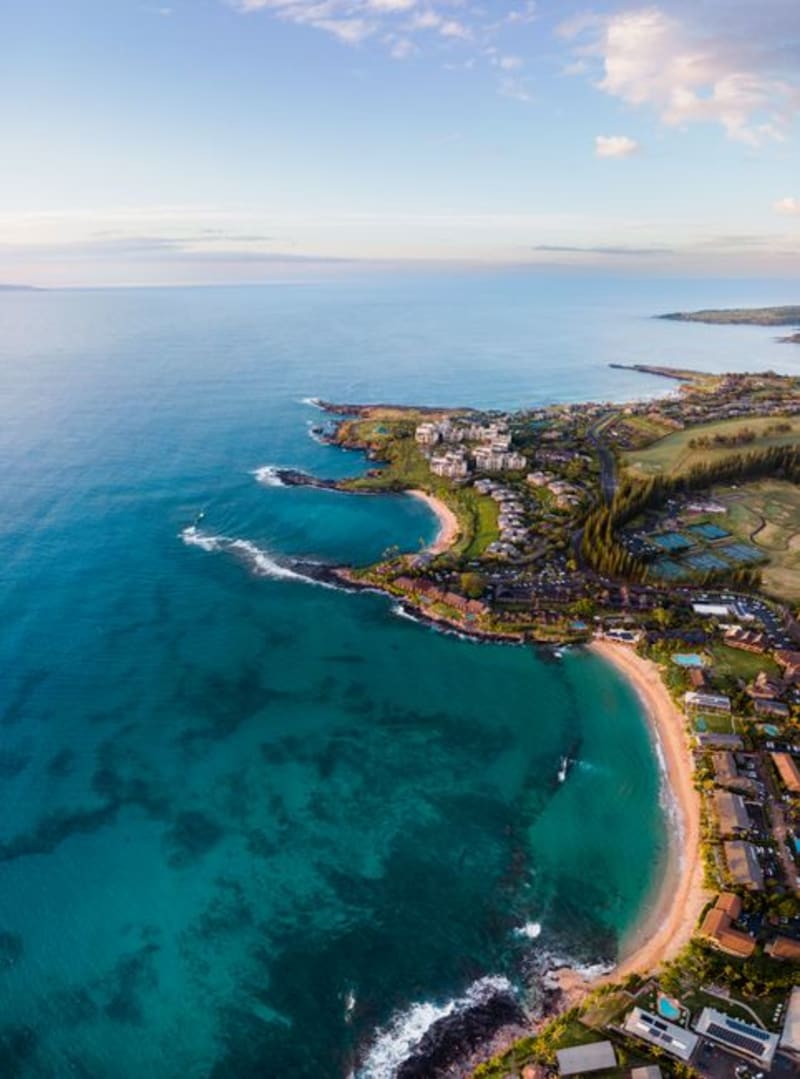
 Maui Ocean Center
An aquarium built entirely around Hawaiian marine life, offering a walk-through reef tunnel and a close look at species most visitors will only glimpse blurry underwater.
Explore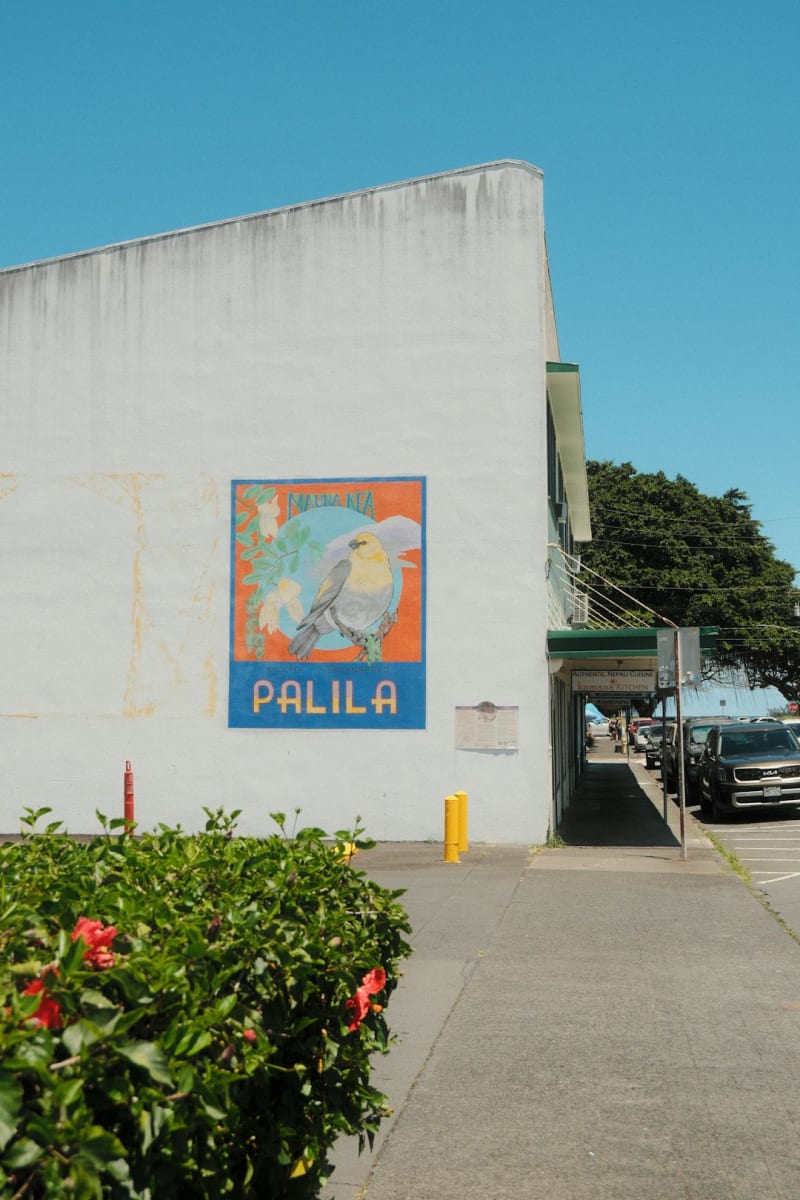 hawaii
 Mauna Kea
The tallest mountain on Earth measured from its true base, with a summit above the clouds and some of the clearest night skies left on the planet.
Explore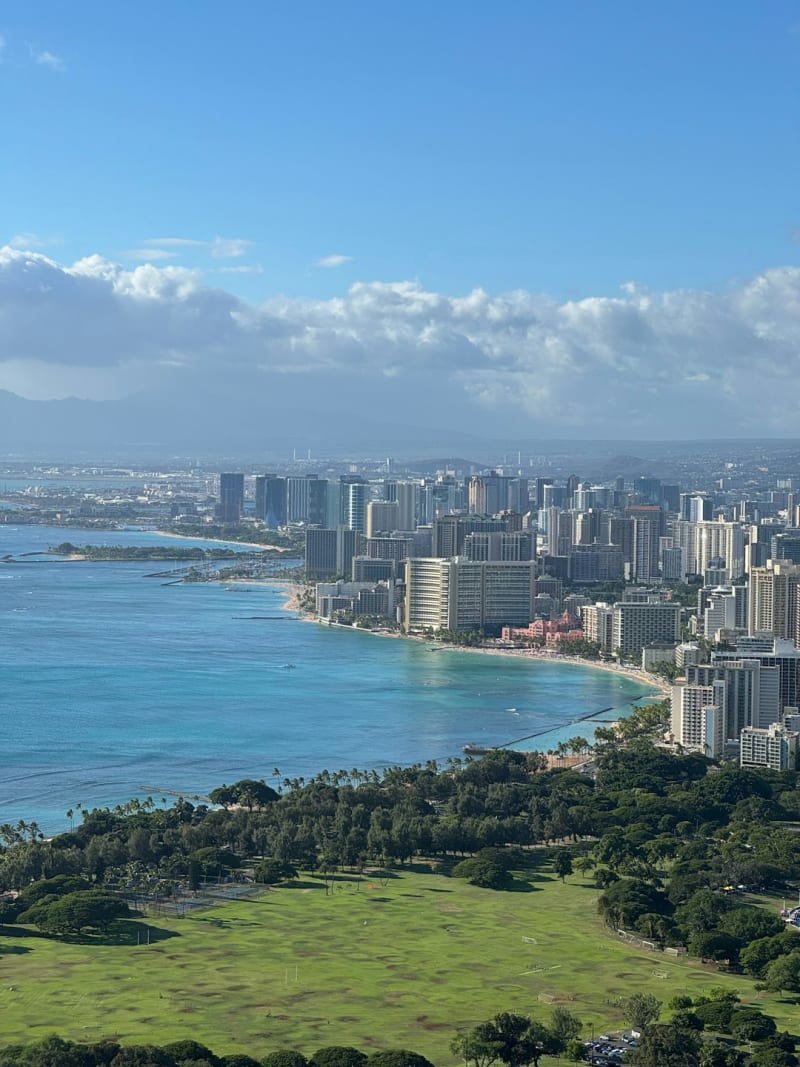 hawaii
 Mauna Loa
The largest active volcano on Earth by volume, a vast shield rising gently but relentlessly over half the Big Island.
Explore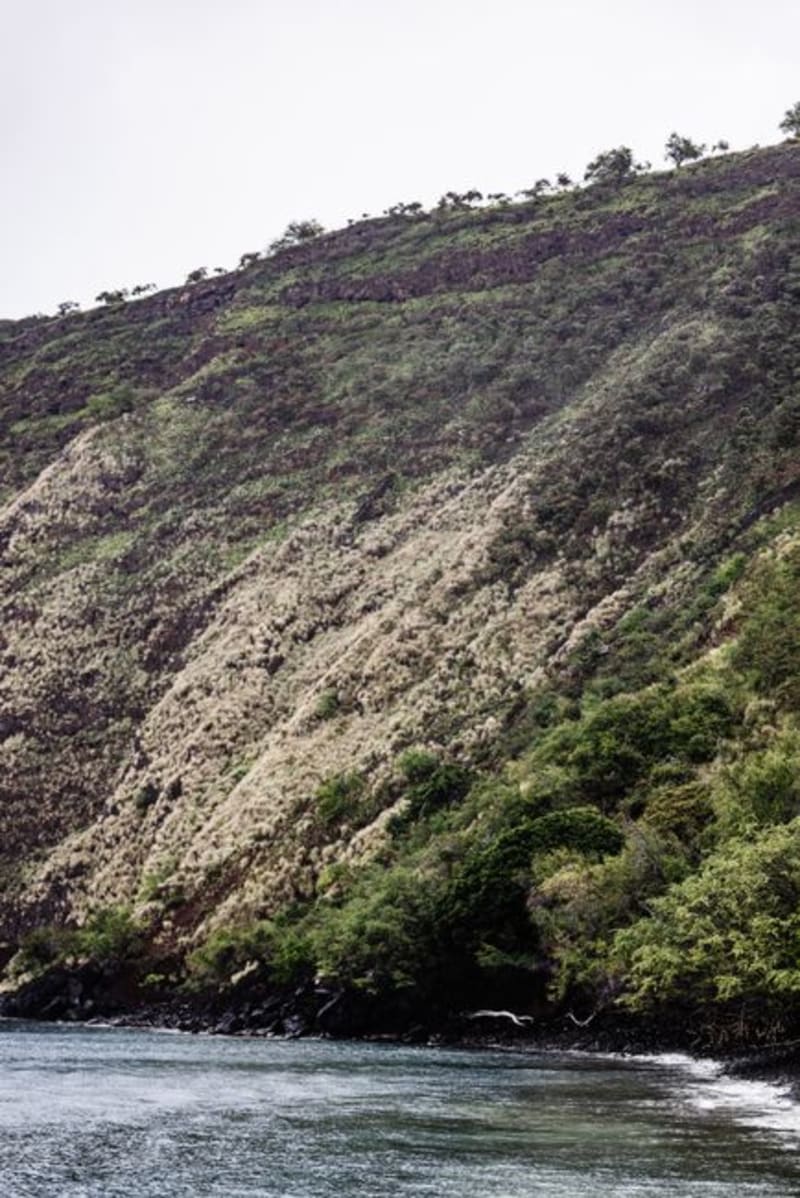 hawaii
 Moloa'a Bay
A remote, undeveloped bay on Kaua'i's northeast coast, reached down a one-lane road through old orchards, with barely a building in sight.
Explore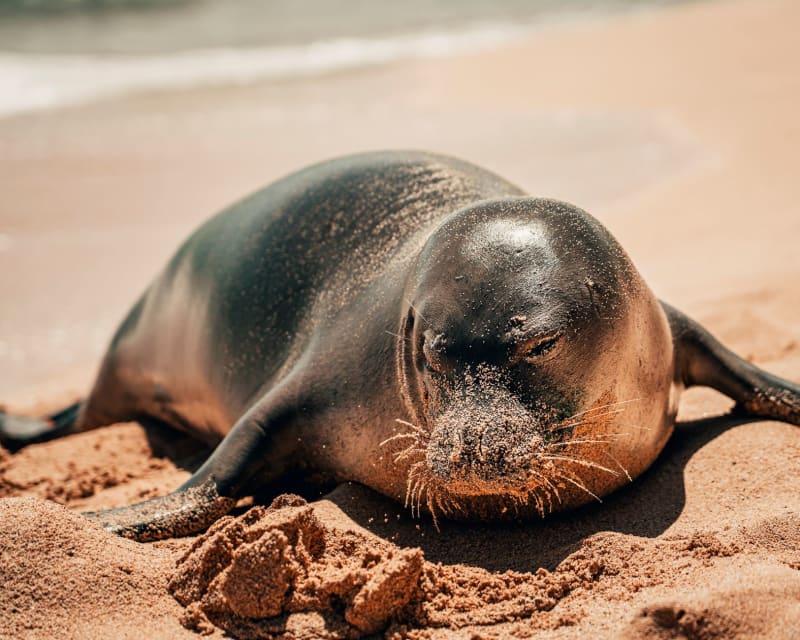 hawaii
 Molokai
The island that refused to become a resort, where the world's tallest sea cliffs drop into open ocean and the silence is deliberate, not accidental.
Explore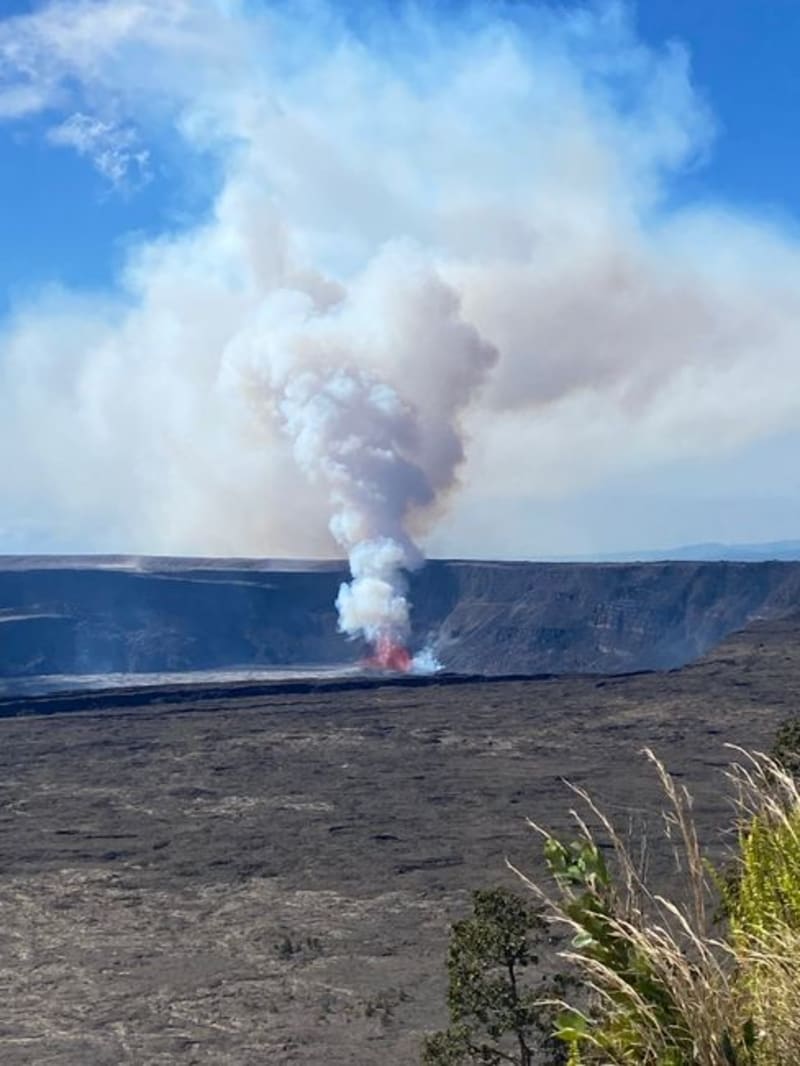 hawaii
 Molokini Crater
A sunken volcanic crescent three miles off Maui's coast, its flooded caldera holding some of the clearest water and richest reef life in the state.
Explore