
Georgetown
"Georgetown requires patience before it gives you anything — but eventually it gives you everything."
A city of painted wooden houses on stilts, where Caribbean heat and East Indian spice collide at the edge of the Demerara River.

I arrived in Georgetown in the early evening, the taxi from Cheddi Jagan International crawling through streets that seemed to absorb the last light rather than reflect it. The wooden houses — two, three storeys of Victorian fretwork and jalousied windows, painted the faded turquoise and ochre of a city that once had grander ambitions — sat raised on their stilts like they were bracing for something. The air smelled of exhaust and something sweet I couldn’t identify yet. Later I’d learn it was burnt sugar from a rum distillery on the far side of the river. Georgetown introduces itself that way: obliquely, through the back of your nose.
The city doesn’t make itself easy. The colonial grid runs north-south but the streets flood when the tide comes in, and the drainage canals that line every road are both a feat of Dutch engineering and a reason to watch your step at night. Stabroek Market rises from the waterfront like a rusted iron cathedral, its clock tower visible from half the city, and inside it is the most alive thing in Georgetown. I went back four times. Vendors call out in a Creole English that tilts and rolls like something musical, and between the stalls of dried fish and fabric and phone cases there are small counters selling channa and fried plantain and, on Sunday mornings, the pepper pot that is the city’s most serious culinary inheritance — a dark, slow-cooked meat stew with cassareep, spiced with cinnamon and clove, that Guyanese families keep going for years on their stoves, adding to rather than ever finishing it.

The East Indian influence runs through everything here in a way that surprised me — roti shops open before the sun is properly up, the smell of ghee and cumin cutting through the heat. Dhal puri wraps stuffed with curried chickpeas cost almost nothing and take a particular skill to eat without spilling half of them on your shirt. I failed at this consistently and stopped caring. The Madrasi coffee at some of the older establishments is strong enough to reset your mood entirely. Walking the streets around Alberttown in the morning, I kept passing Hindu temples painted in vivid oranges and pinks, their flags snapping in the sea breeze, then churches, mosques, all within a few blocks of each other, the whole thing feeling less like tolerance and more like simple habit.

St. George’s Cathedral earns its fame. It is one of the tallest wooden churches in the world and from the outside it is the most improbable thing — all that pale painted timber soaring above the city’s low roofline, a kind of Gothic confection built entirely from local wood by a colony trying to assert permanence in a place that was always trying to flood or rot everything away. Inside, the light comes through the clerestory windows in long raking shafts and the wood creaks under your feet with a sound that feels ancient and provisional at the same time.
When to go: Georgetown is manageable year-round, though the two rainy seasons (May to July and November to January) turn the low-lying streets into wading grounds. February through April — the short dry season — is when the heat is more forgiving and the city opens up. Arrive in time for Phagwah (Holi) in March if you can; the city loses its usual reserve entirely.
Keep exploring
More from Guyana
 guyana
 Iwokrama Rainforest
One of the last pristine tropical rainforests on earth, where a canopy walkway puts you level with harpy eagles and silence costs nothing extra.
Explore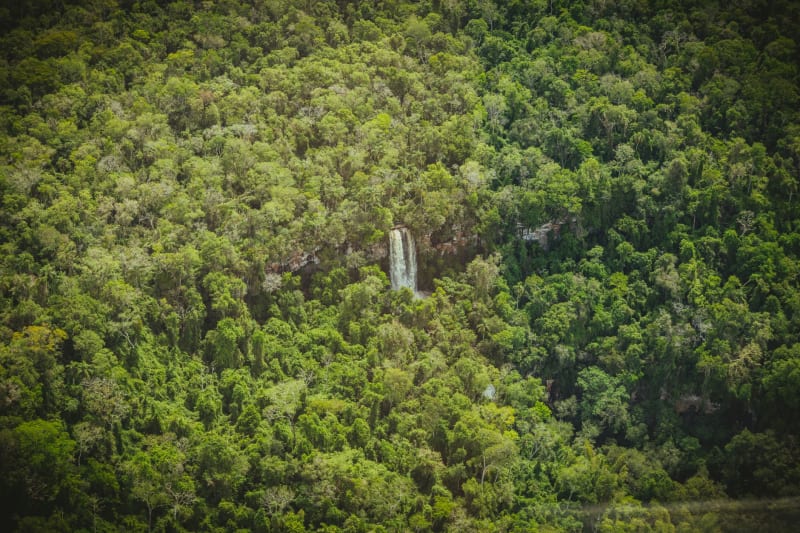 guyana
 Kaieteur Falls
Four times the height of Niagara, surrounded by nothing but tepui plateau and cloud forest — and not a single railing between you and the edge.
Explore guyana
 Karanambu
A former cattle ranch turned conservation lodge on the Rupununi River, world-famous for its giant river otters and the night-blooming Victoria amazonica lilies.
Explore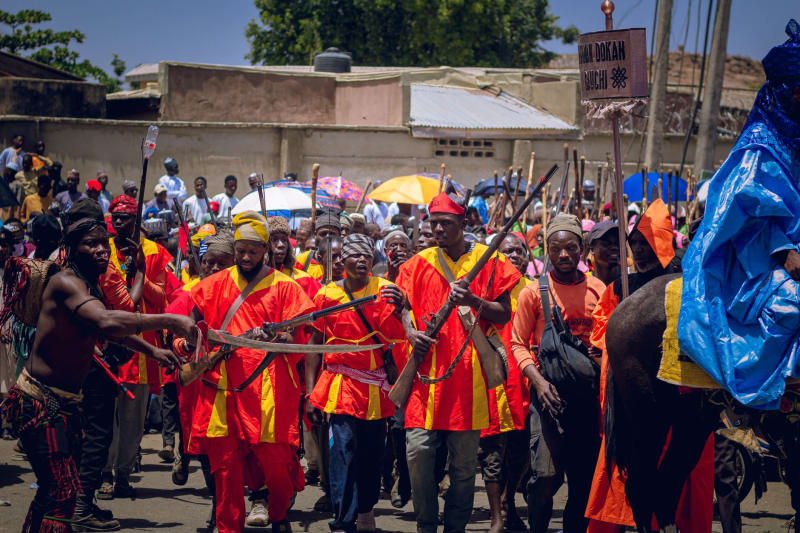 guyana
 Lethem
A red-dust frontier town at the end of the coastal road, where Amerindian culture and cowboy rodeo share a border crossing with Brazil.
Explore guyana
 Mount Roraima
The tepui that inspired The Lost World rises at the tripoint of three countries, its sheer walls hiding a plateau of endemic life found nowhere else on earth.
Explore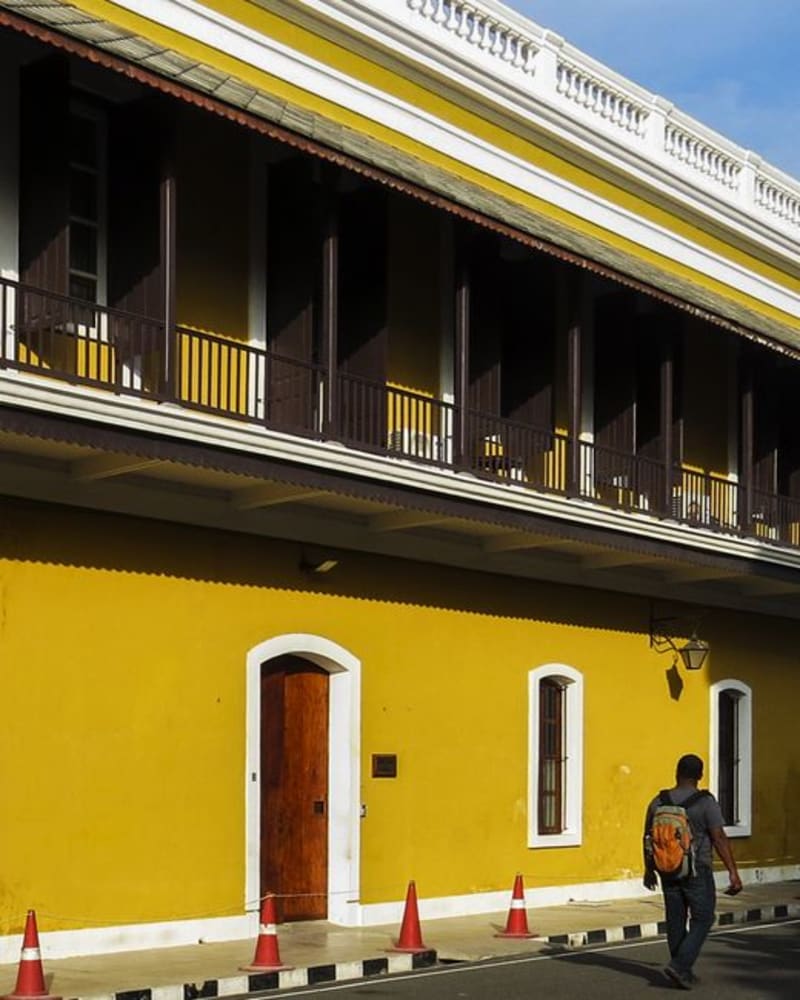 guyana
 New Amsterdam
A sleepy Dutch-planned river town where wooden colonial facades and quiet canals hint at Guyana's turbulent Berbice past.
Explore