Americas
Guyana
"I came for the waterfall and left rearranged by the silence of it all."
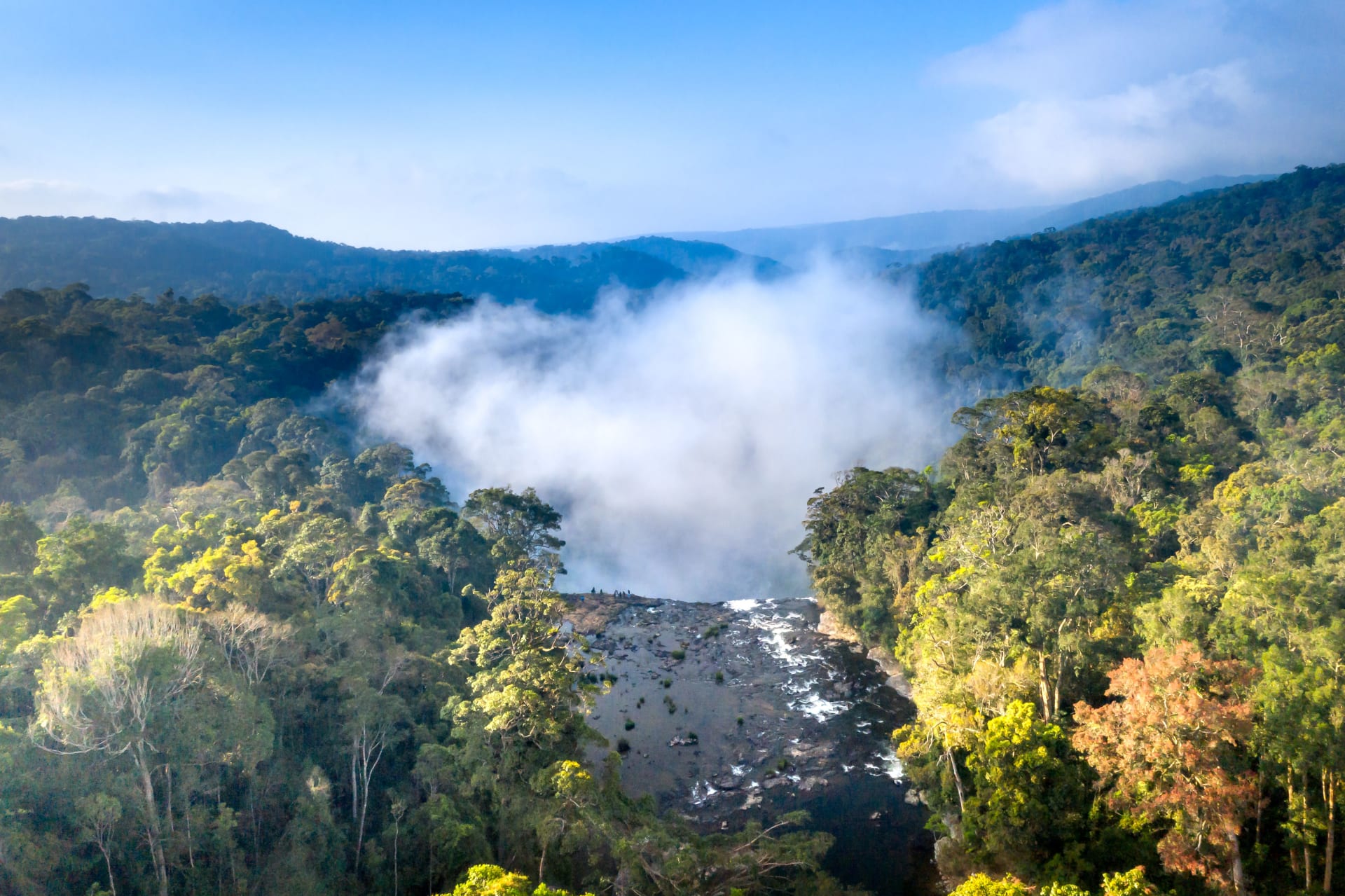
One of the last places on earth where the forest still wins — an unbroken canopy stretching to every horizon, broken only by Kaieteur's thundering freefall and rivers the color of dark tea.

I flew into Georgetown on a small regional plane and the first thing I noticed, pressing my face against the scratched window, was the green. Not the polite green of a national park buffer zone or a managed reserve — the green of something genuinely untouched. Ninety percent of Guyana is forest, and from the air that number looks like an understatement. By the time we landed I already felt like I had arrived somewhere different in kind, not just in degree, from everywhere else I had been in South America.
Georgetown itself is a city that takes some decoding. The wooden colonial architecture — painted in fading pastels, raised on stilts above flood level — gives it a faded, equatorial charm that I found myself drawn to once I stopped looking for things that weren’t there. The Stabroek Market is genuinely alive, the kind of market where you go in for one thing and come out two hours later having eaten roti and learned three names. The food tracks Caribbean and East Indian — dhal puri wraps, pepper pot on Sundays, cook-up rice that lands like a hug. I ate well in Guyana in a way I had not expected.
But the country’s soul is in the interior, and the interior requires some commitment. Kaieteur Falls — four times the height of Niagara, surrounded by nothing but tepui plateau and cloud forest — is the kind of natural phenomenon that makes your sense of scale temporarily malfunction. I stood at the lip of it for a long time. The mist soaked through my shirt. Golden rocket frogs sat on bromeliads a few feet from the edge as if the whole spectacle were simply Tuesday. Further in, the Rupununi savannahs open into something else entirely: giant anteaters, harpy eagles, black caiman in the oxbow lakes, and Amerindian communities where the lodge owners are also your guide, your cook, and the person who wakes you at 5am because the tapir came back to the river.
When to go: February through April is the short dry season — the most reliable window for interior travel and Kaieteur visits. August through September offers a second, longer dry stretch. Avoid the rainy seasons (May–July and November–January) if you need bush roads to be passable, though the rivers run full and dramatic after rain.
What most guides get wrong: They frame Guyana as a destination exclusively for hardcore ecotourism or birdwatching obsessives. That misses the point. The reason to come is not a checklist — it is the experience of being somewhere that has not yet been organized for your convenience. There are no crowds at Kaieteur. No gift shop. No viewpoint with railings and a QR code. Just the waterfall and the plateau and the sound of falling water that you feel in your sternum. In a world where most places have been smoothed into accessibility, Guyana is still rough in all the right places.
Explore
Places in Guyana
 guyana
 Aishalton
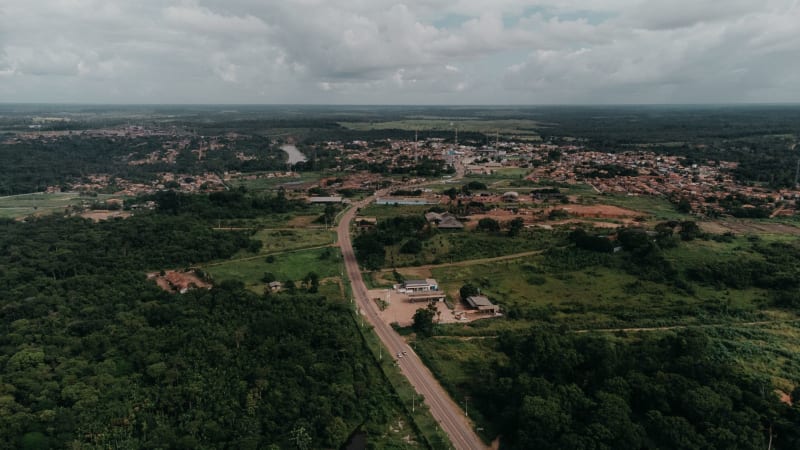
A Wapishana village in the deep south Rupununi, where the Kanuku Mountains hold giant otters and the sky at night is more star than dark.
Explore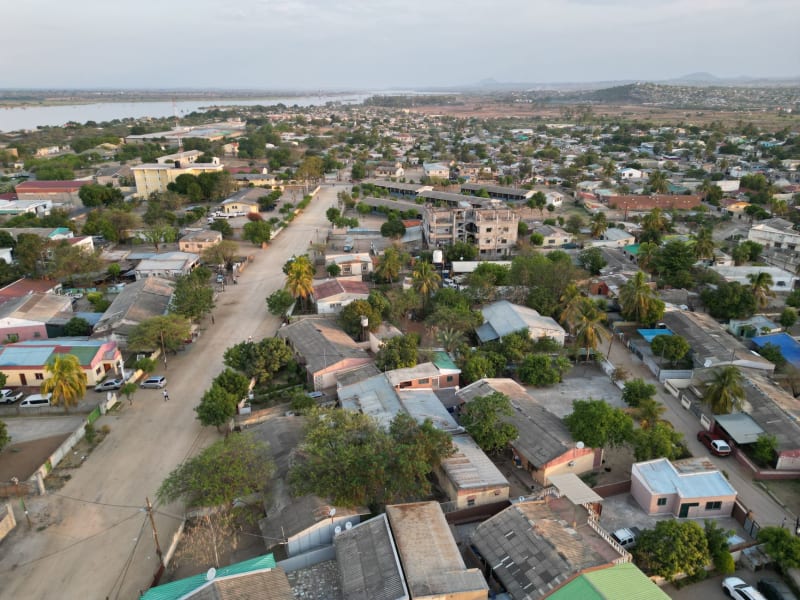 guyana
 Bartica
Where the Essequibo, Mazaruni, and Cuyuni rivers converge and the gold rush never quite ended — a working town at the threshold of everything beyond.
Explore guyana
 Fort Kyk-Over-Al
A crumbling Dutch archway on a river island where three Guyanese rivers meet, and where empire once watched the water for enemies.
Explore guyana
 Georgetown
A city of painted wooden houses on stilts, where Caribbean heat and East Indian spice collide at the edge of the Demerara River.
Explore guyana
 Iwokrama Rainforest
One of the last pristine tropical rainforests on earth, where a canopy walkway puts you level with harpy eagles and silence costs nothing extra.
Explore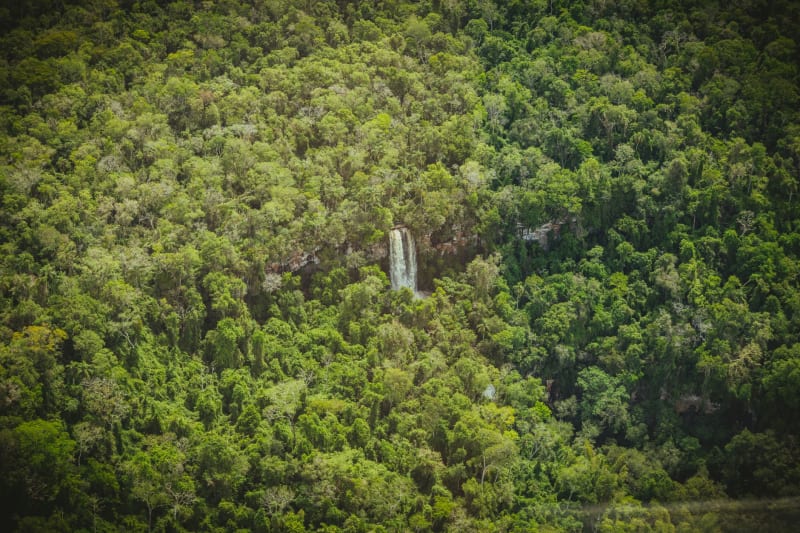 guyana
 Kaieteur Falls
Four times the height of Niagara, surrounded by nothing but tepui plateau and cloud forest — and not a single railing between you and the edge.
Explore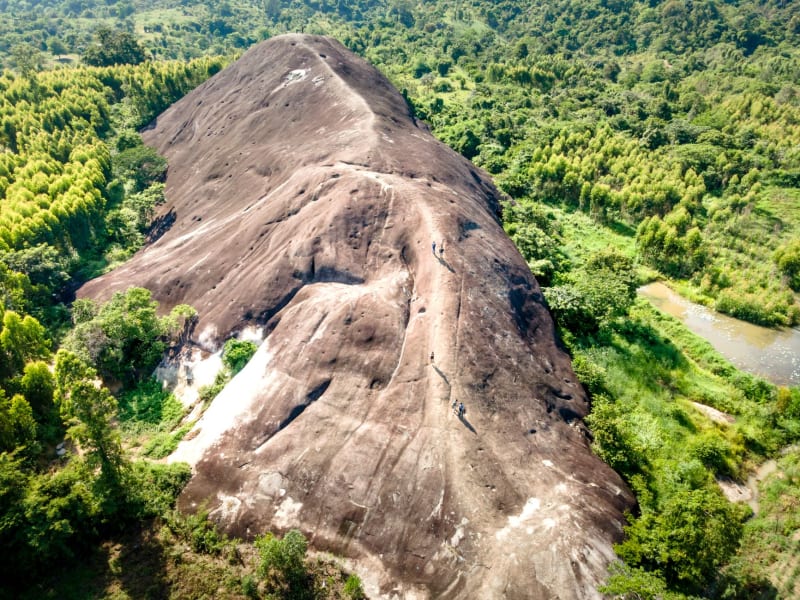 guyana
 Karanambu
A former cattle ranch turned conservation lodge on the Rupununi River, world-famous for its giant river otters and the night-blooming Victoria amazonica lilies.
Explore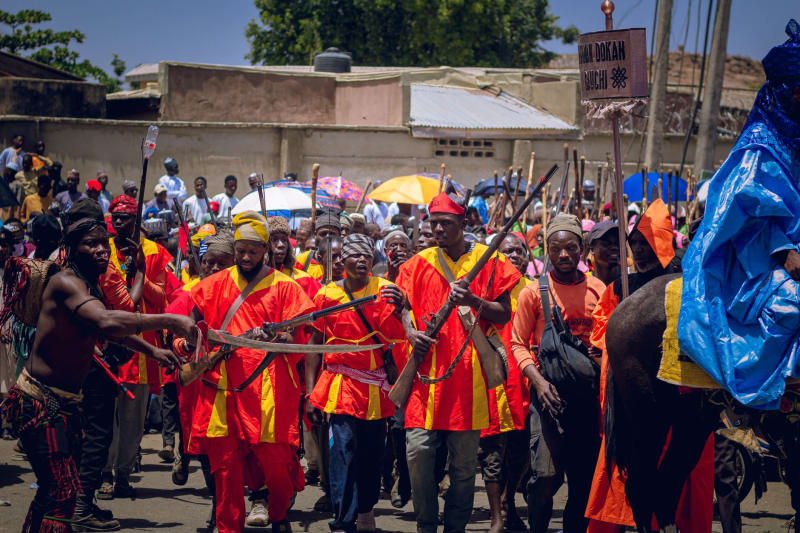 guyana
 Lethem
A red-dust frontier town at the end of the coastal road, where Amerindian culture and cowboy rodeo share a border crossing with Brazil.
Explore guyana
 Mount Roraima
The tepui that inspired The Lost World rises at the tripoint of three countries, its sheer walls hiding a plateau of endemic life found nowhere else on earth.
Explore guyana
 New Amsterdam
A sleepy Dutch-planned river town where wooden colonial facades and quiet canals hint at Guyana's turbulent Berbice past.
Explore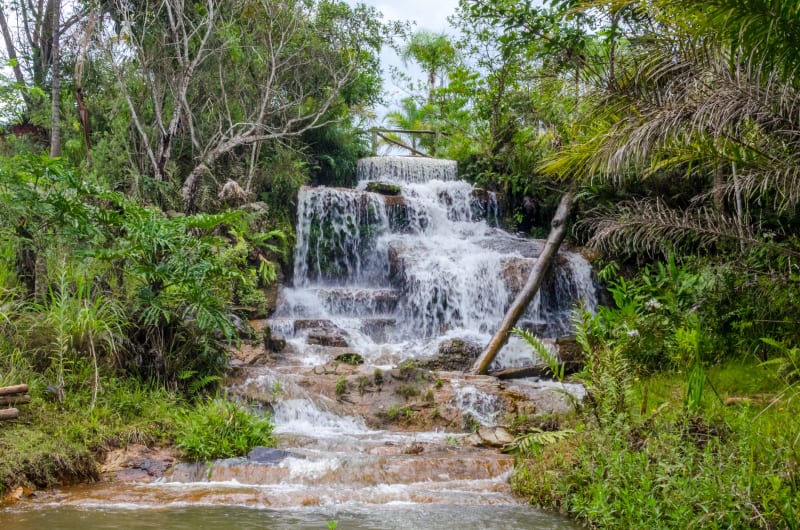 guyana
 Orinduik Falls
Warm water tumbling over orange jasper terraces on the Brazil border — the falls you can actually swim, a world apart from Kaieteur's thundering vertigo.
Explore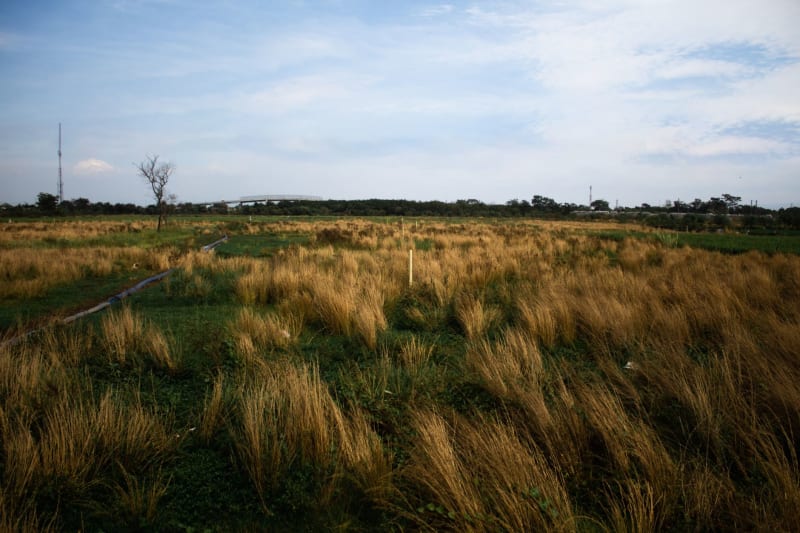 guyana
 Rupununi Savannahs
An ocean of golden grass at the edge of the Amazon, where giant anteaters roam and the Wapishana have been reading this landscape for centuries.
Explore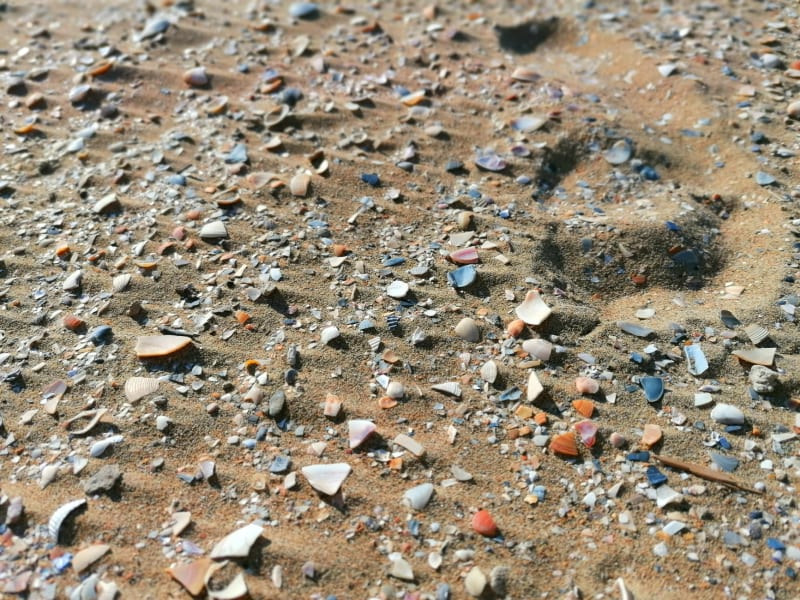 guyana
 Shell Beach
Ninety kilometres of remote Atlantic shore where leatherback turtles come to nest at night, reachable only by boat through mangrove canals.
Explore