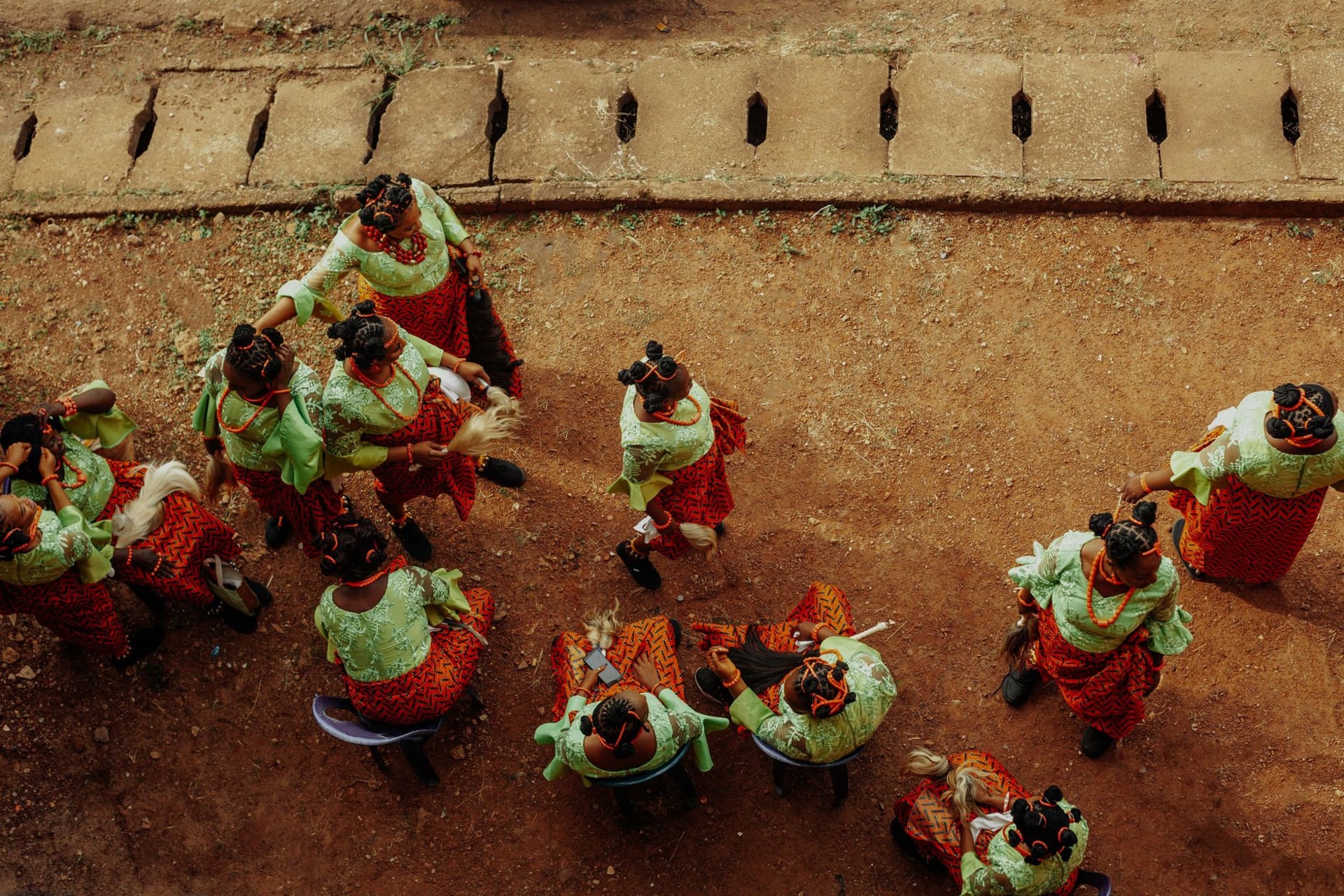
Bafatá
"Bafatá is a town that was built for an empire that no longer exists, and it has settled into that knowledge with a kind of dignity."
A faded colonial river town on the banks of the Geba, birthplace of Amílcar Cabral, where crumbling Portuguese facades stand over a slow brown river and an even slower pace of life.

Most travellers to Guinea-Bissau never leave the islands, and I understand the logic — the Bijagós are the headline act, and Bafatá, two hours inland on a bad road, is decidedly not. But I have a weakness for inland river towns that history has half-forgotten, and Bafatá is one of the finest examples I have found anywhere. It sits on a bluff above the Geba River, deep in the interior, and it was once the country’s second city and a thriving trading post. It is neither of those things now, and the gap between what it was and what it is gives the whole place a melancholy that I found, against my better judgement, genuinely beautiful.
The river and the ruins
The old colonial centre of Bafatá is a grid of two-storey Portuguese buildings, many of them roofless now, their painted facades faded to the colours of old photographs. Trees grow up through some of them. Goats wander the lower floors. Lia, who studied architecture before she gave it up for more interesting things, walked the streets with her head tipped back, pointing out the iron balconies and the tile work and the slow geometry of collapse, and I trailed behind her trying to imagine the town full of the river trade that once made it rich.

Down at the river itself, the Geba moves slow and brown between banks of mangrove and rice paddy. There is an old market by the water where women sell smoked fish and palm oil and small mounds of dried shrimp, and the smell of it reaches you a good while before the market does. I sat on the bank one morning and watched a man repair a wooden pirogue with the unhurried competence of someone who has all day and intends to use it.
Cabral’s town
Bafatá is the birthplace of Amílcar Cabral, the agronomist and revolutionary who led the independence movement against the Portuguese and who is, more than anyone, the father of modern Guinea-Bissau and Cape Verde. He was assassinated before independence came, which is one of the great tragedies of the region’s history, and his presence hangs over Bafatá in a quiet, unforced way. There is a statue, and a house associated with him, and people will speak about him if you ask, with a pride that has not curdled into the official kind.

We ate both nights at a place run by a woman who served exactly one dish — rice with a fish stew thickened with palm oil and chunks of cassava — and served it superbly. The electricity came and went, and during one of the outages she brought out a candle and a bottle of warm beer and sat down at our table uninvited and asked us, through Lia’s better Portuguese, what on earth had brought us to Bafatá. It was a fair question. I am still not entirely sure of the answer, except that I would go back.
When to go: The dry season, roughly December to May, is the only sensible time — the road from Bissau becomes genuinely difficult in the rains. The light is best in the early morning before the heat builds, which in Bafatá it most certainly does.
Keep exploring
More from Guinea-Bissau
 guinea-bissau
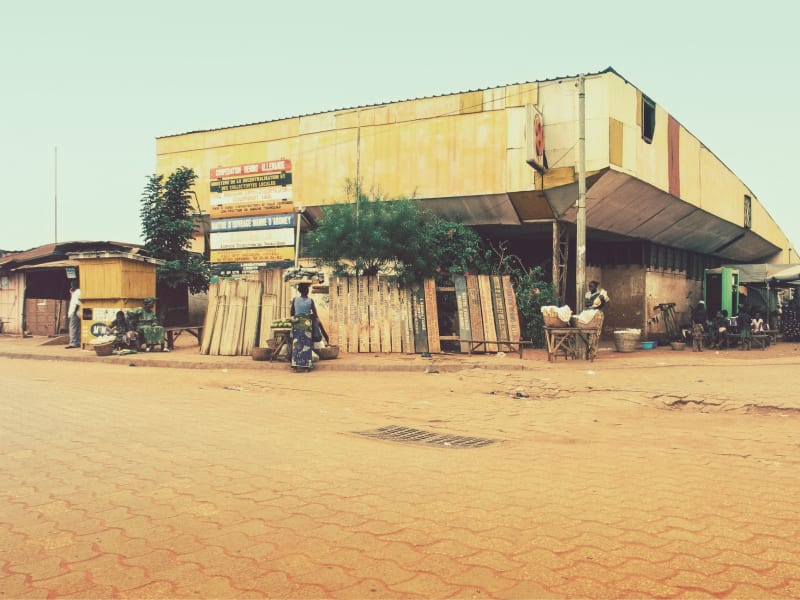
 Bissau
A capital city that runs on its own clock, where the best barracuda of your life costs almost nothing and nobody is performing for you.
Explore guinea-bissau
 Bolama
Guinea-Bissau's forgotten colonial capital, a ghost island where crumbling Portuguese mansions dissolve into the jungle at their own quiet pace.
Explore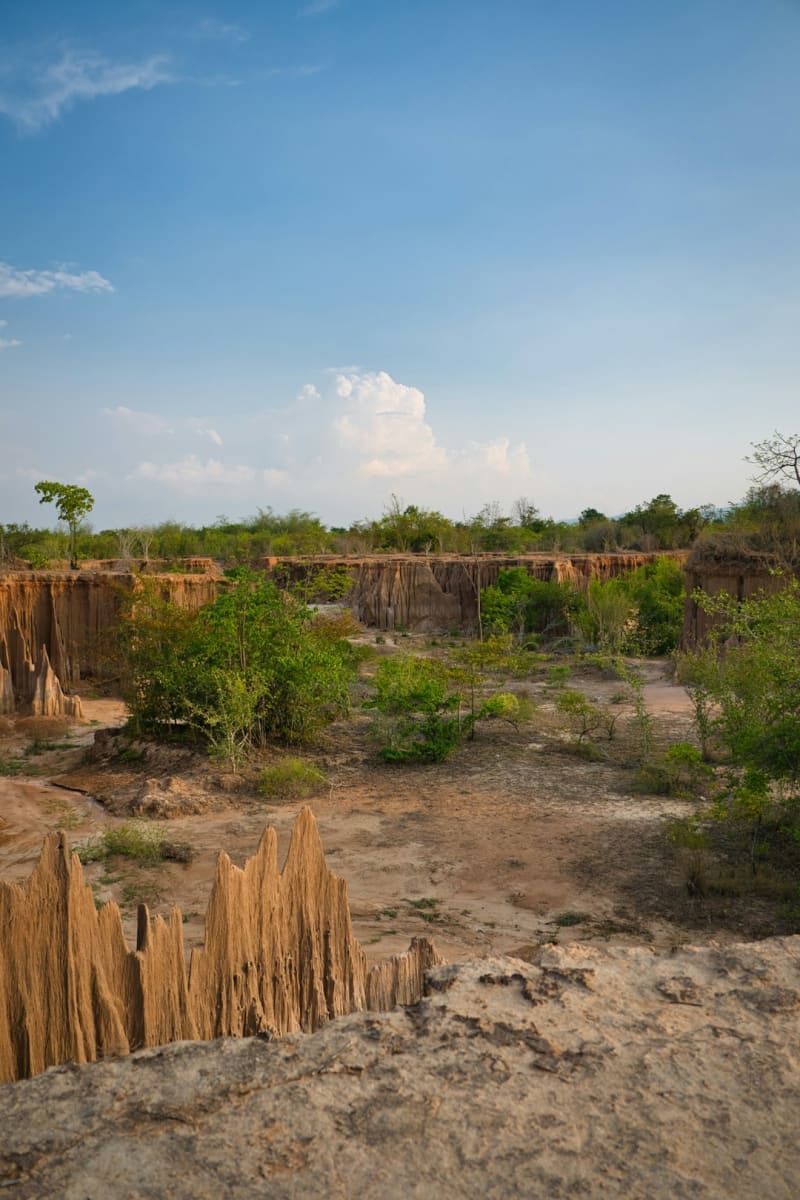 guinea-bissau
 Buba
A quiet river town where pirogues outnumber cars and hippos surface in the lagoons just beyond the market.
Explore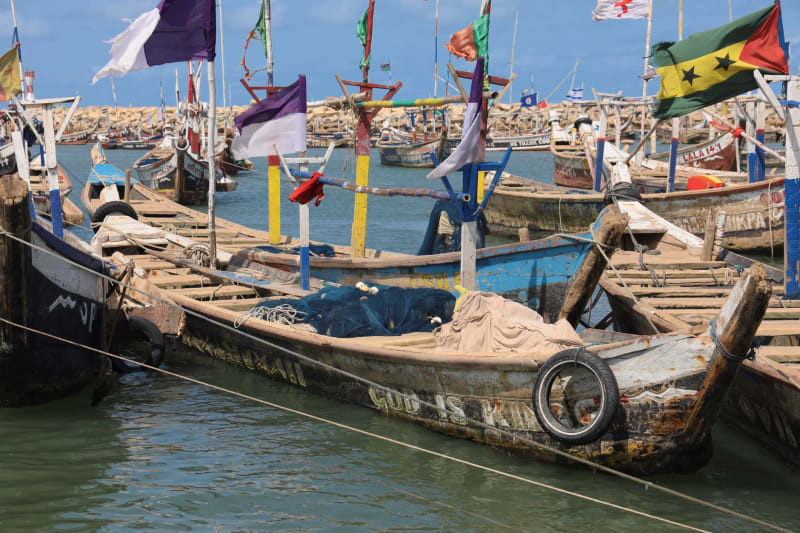 guinea-bissau
 Bubaque Island
The Bijagós gateway island where sand streets lead to pirogue crossings and the archipelago opens up like a slowly revealed secret.
Explore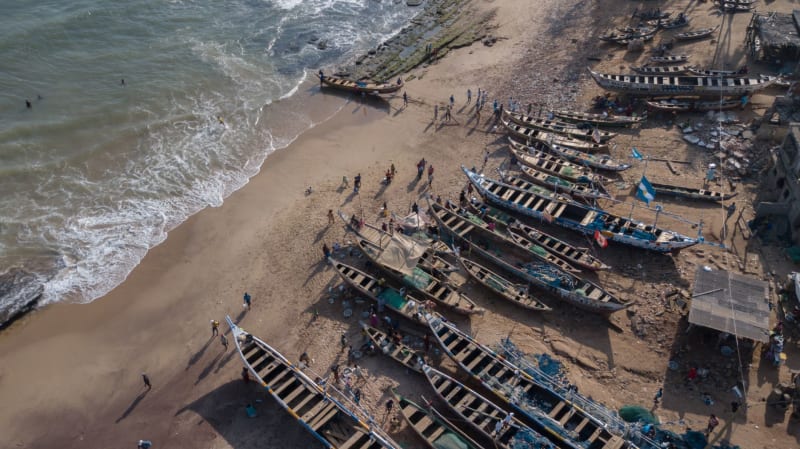 guinea-bissau
 Cacheu
A river town weighted by five centuries of slave-trade history, where the old Portuguese fort watches the water and the mangroves press closer every year.
Explore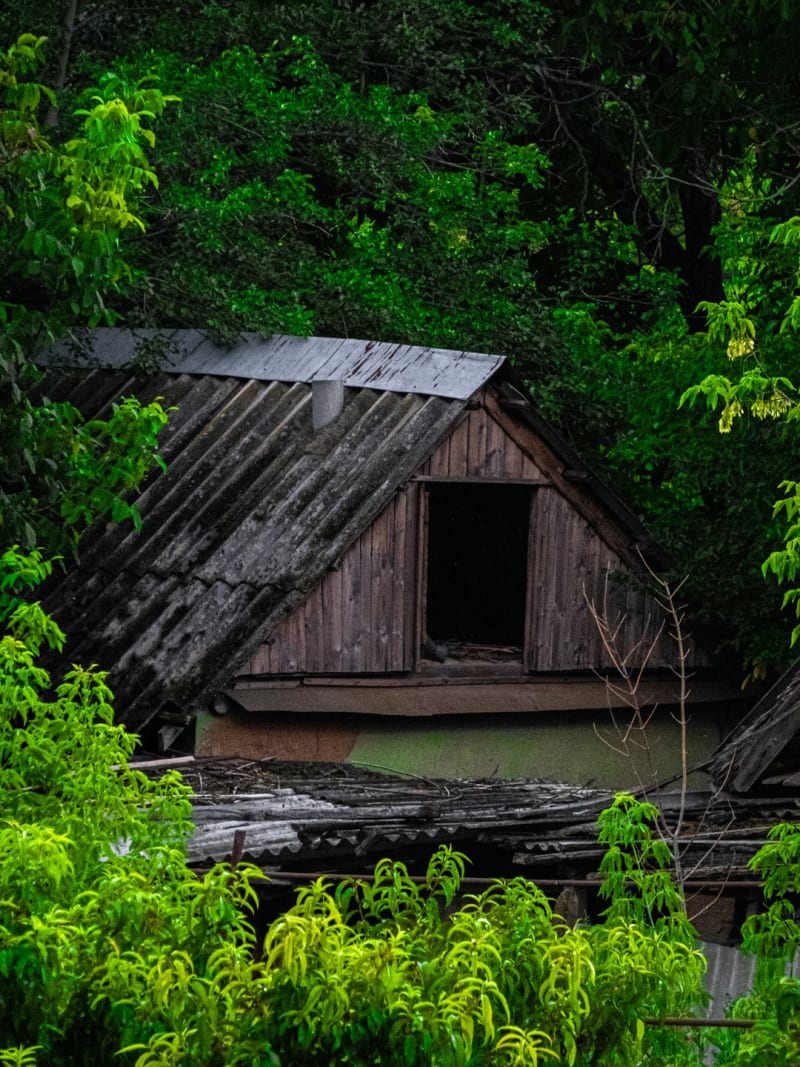 guinea-bissau
 Canhabaque Island
A remote Bijagós island reached by weekly canoe, where matriarchal tradition and animist rites endure largely untouched by the outside world.
Explore