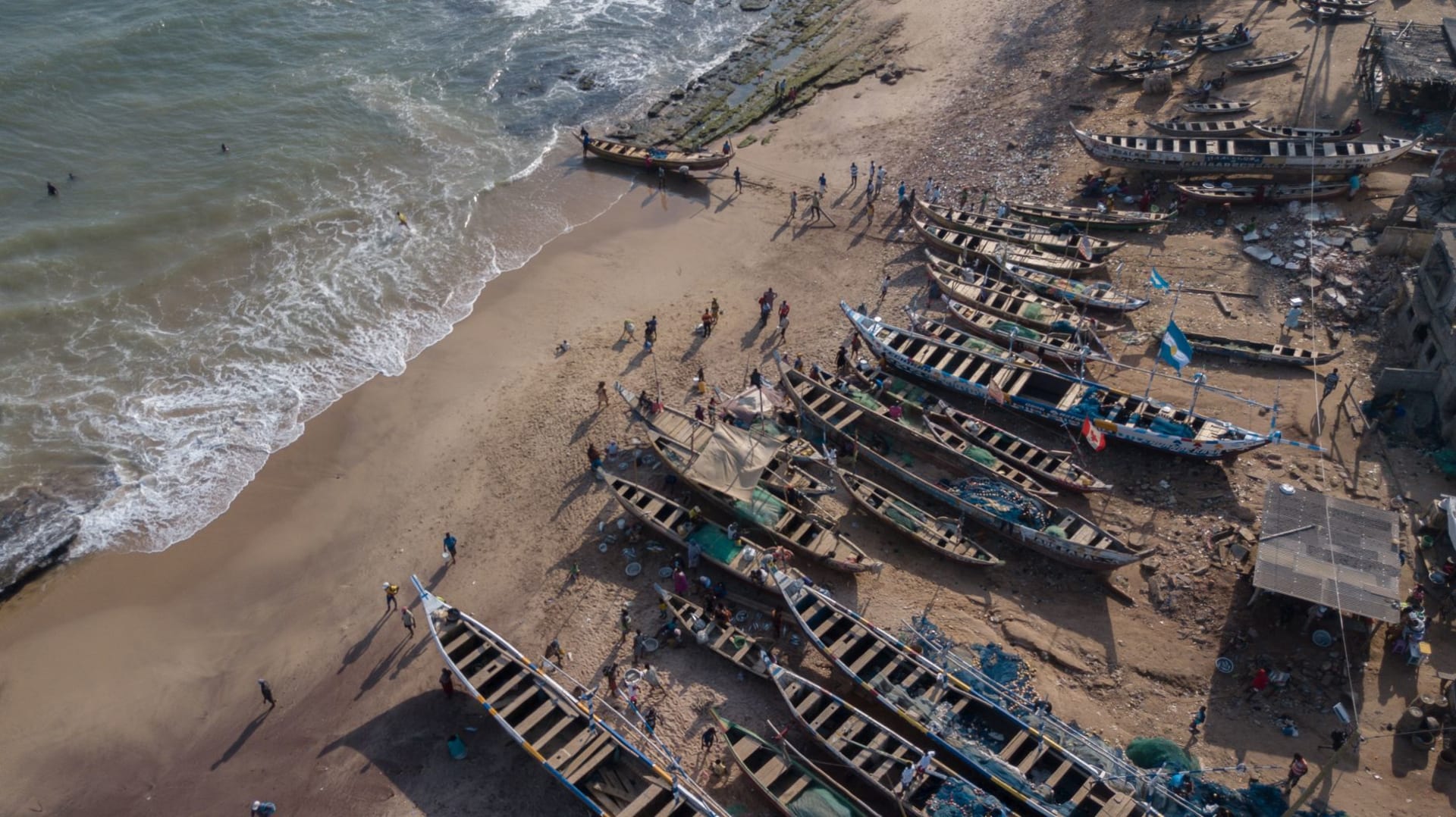
Cacheu
"The fort has been standing since 1588. The river doesn't care and keeps undermining it."
A river town weighted by five centuries of slave-trade history, where the old Portuguese fort watches the water and the mangroves press closer every year.

The road north from Bissau to Cacheu is paved in theory and in stretches of theory that vary in length depending on the season and the last time anyone repaired the surface. I hired a car and driver for the journey, which took two and a half hours including the twenty minutes we spent waiting for a river ferry — a flat barge really, wooden and low in the water — to take us across the Rio Cacheu at a point where there is no bridge and where the crossing has presumably been happening in some form since before the Portuguese arrived in the fifteenth century.
Cacheu is one of the oldest Portuguese settlements in West Africa. The fort that stands at the edge of the river was established in 1588, and for more than two centuries it was one of the central nodes of the Atlantic slave trade, the point through which enormous numbers of captive people passed on their way to the Americas. Standing inside the fort — the walls still largely intact, the cannon positions still looking out over the river, the cells at the base still accessible and still dark in the way that specific darkness is — you are in a place where the weight of what happened is not abstract. The river has been doing its slow work on the foundations for four centuries and the walls lean slightly toward the water now in a way that could be read as sorrow but is probably just erosion.

The town around the fort is small, quiet, planted with mango trees that shade the unpaved streets in a way that makes the midday heat survivable, barely. I walked through it on an afternoon when the heat had driven most people indoors or to the shade of doorways, where they sat in plastic chairs watching the street with the expression of people who have made a long-term agreement with the pace of things. There is a church that dates to the seventeenth century and that has been restored to a state of modest function. There is a market building from which vegetables and dried fish and phone credit are sold through a window. There is the hotel, which is really a guesthouse, which is really a set of rooms arranged around a courtyard where a mango tree grows through the paving.
I sat at the riverbank for a long time that first afternoon, watching the water. The Rio Cacheu runs wide here, the opposite bank visible but distant, the mangroves on both sides leaning into the stream. Pelicans were working the surface of the water with the methodical patience of experienced fishers. A pirogue came upstream with two men paddling and a third sitting in the stern with a crate between his knees, and they passed without acknowledgement, the way people pass who live on a river and see everything from it. The sound of the water against the fort’s wall was low and constant and seemed to be the loudest thing in the afternoon.

In the evening I ate at a compound outside town where a woman cooked a chicken stew that had been simmering since before I arrived and that had reached a state of reduction so complete that the sauce was almost black and intensely flavored in a way that seemed to contain every spice in a particular order. The chicken itself had been a real chicken, raised and walking recently, and the texture of the meat reflected this in a way that supermarket protein has trained us to forget is possible. I ate with her family at a table in the courtyard and the conversation moved through Kriol and French and Portuguese in a way that included me mostly as an audience, which was the right proportion.
When to go: November through April, when the roads are driveable and the heat is most bearable. The river is navigable year-round but ferry crossings can be suspended during heavy rains. Cacheu is a day trip from Bissau for many visitors, though staying a night or two allows the place to settle into you properly.
Keep exploring
More from Guinea-Bissau
 guinea-bissau
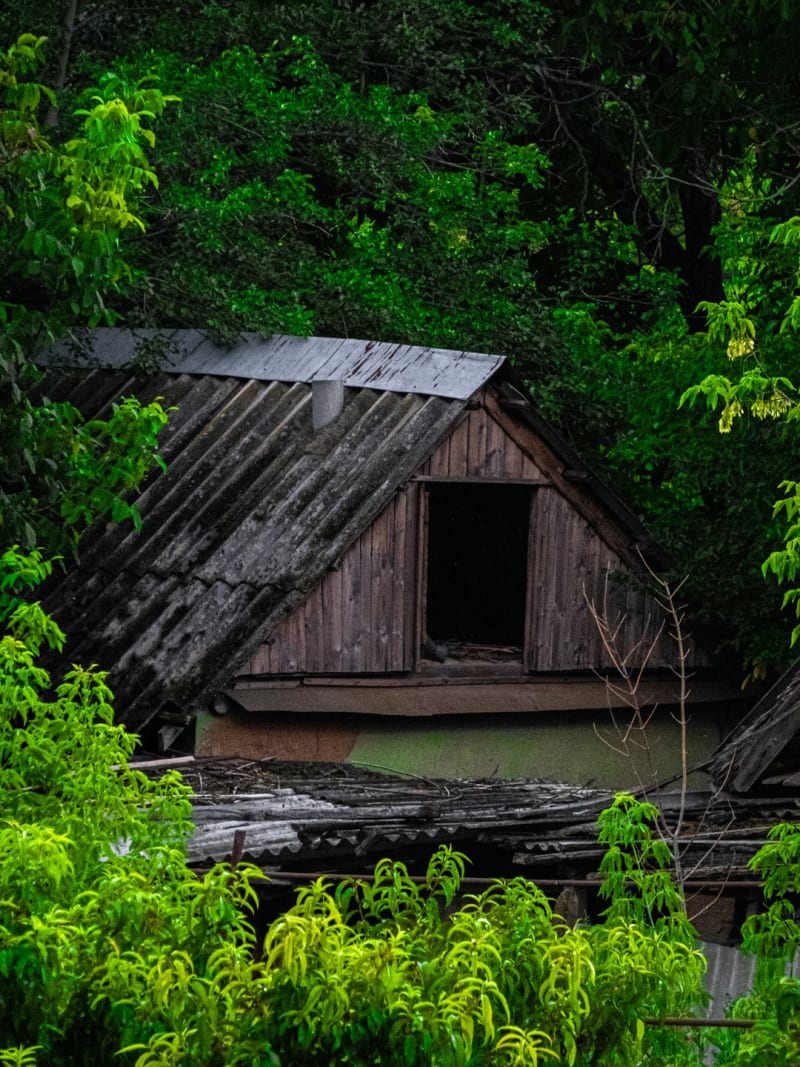
 Canhabaque Island
A remote Bijagós island reached by weekly canoe, where matriarchal tradition and animist rites endure largely untouched by the outside world.
Explore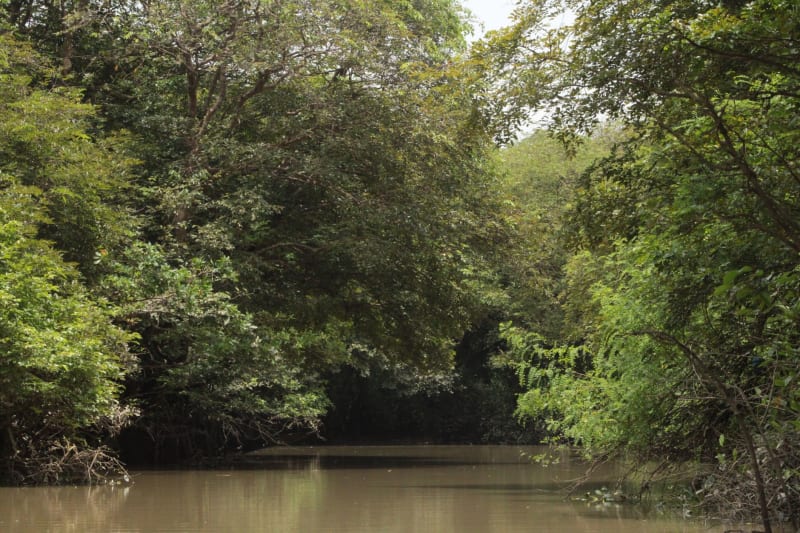 guinea-bissau
 Cantanhez Forest
A national park in Guinea-Bissau's deep south where chimpanzees call across the canopy and the forest closes around you like a held breath.
Explore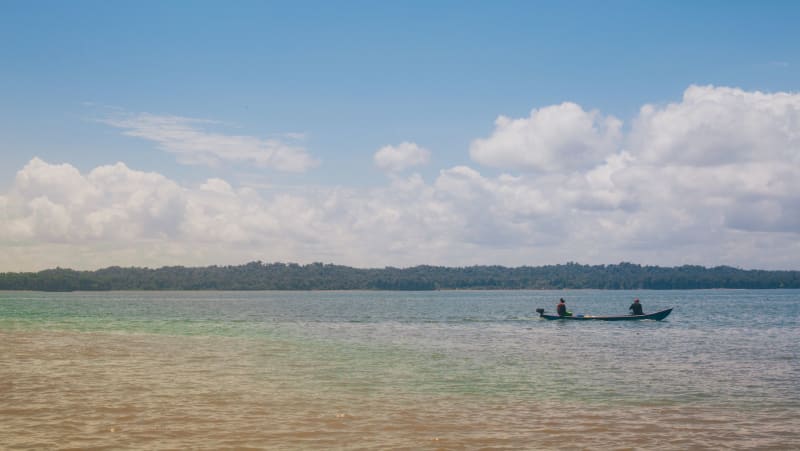 guinea-bissau
 Gabu
A Fula trading town in the eastern savanna where the call to prayer echoes at dawn and the cattle market is the most honest economy you will find.
Explore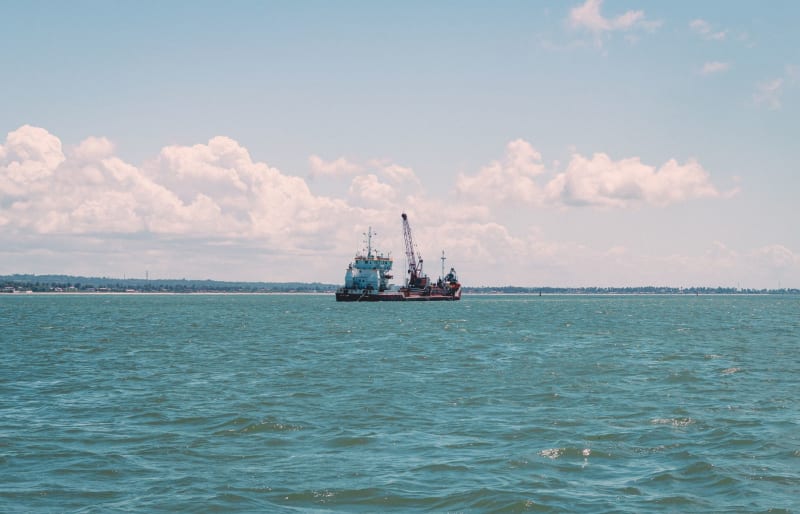 guinea-bissau
 João Vieira Island
A marine national park where green turtles nest in uncountable numbers and the reef below the surface looks like the sea remembered itself.
Explore guinea-bissau
 Orango Island
The only place on earth where saltwater hippos patrol tidal lagoons and a Bijagó queen still decides who may enter.
Explore guinea-bissau
 Uno Island
A sacred Bijagó island where the mangrove channels run like corridors through living green architecture and outsiders are a rarity by design.
Explore