
La Désirade
"An island Columbus named for his longing, and almost nobody bothers to long for anymore."
A long, dry, sun-baked island off Guadeloupe's eastern tip, where the oldest rocks in the Lesser Antilles meet iguanas, goats, and almost no tourists.

La Désirade is the island Guadeloupe forgets to mention. It lies about ten kilometres off the eastern point of Grande-Terre, a long thin sliver of dry plateau that Christopher Columbus is said to have spotted with relief after a long crossing, naming it for “the desired one.” Today the desiring has largely stopped, which is precisely its charm. We took the morning ferry from Saint-François, watched Grande-Terre shrink behind us, and stepped off into a place that runs at the speed of a dozing goat.
A different, drier Caribbean
If your idea of Guadeloupe is lush banana plantations and rainforest waterfalls, La Désirade will reset it. This is the arid Caribbean: scrubby, cactus-dotted, the colour of old straw, with a single road running along the southern coast past the handful of villages where almost everyone lives. Geologists get genuinely excited here, because the island exposes some of the oldest rock in the entire Lesser Antilles, ancient seafloor and pillow lava far older than the volcanic islands around it. I am not a geologist, but standing on that bone-dry plateau knowing it predated practically everything else in the archipelago gave even the rocks a certain dignity.
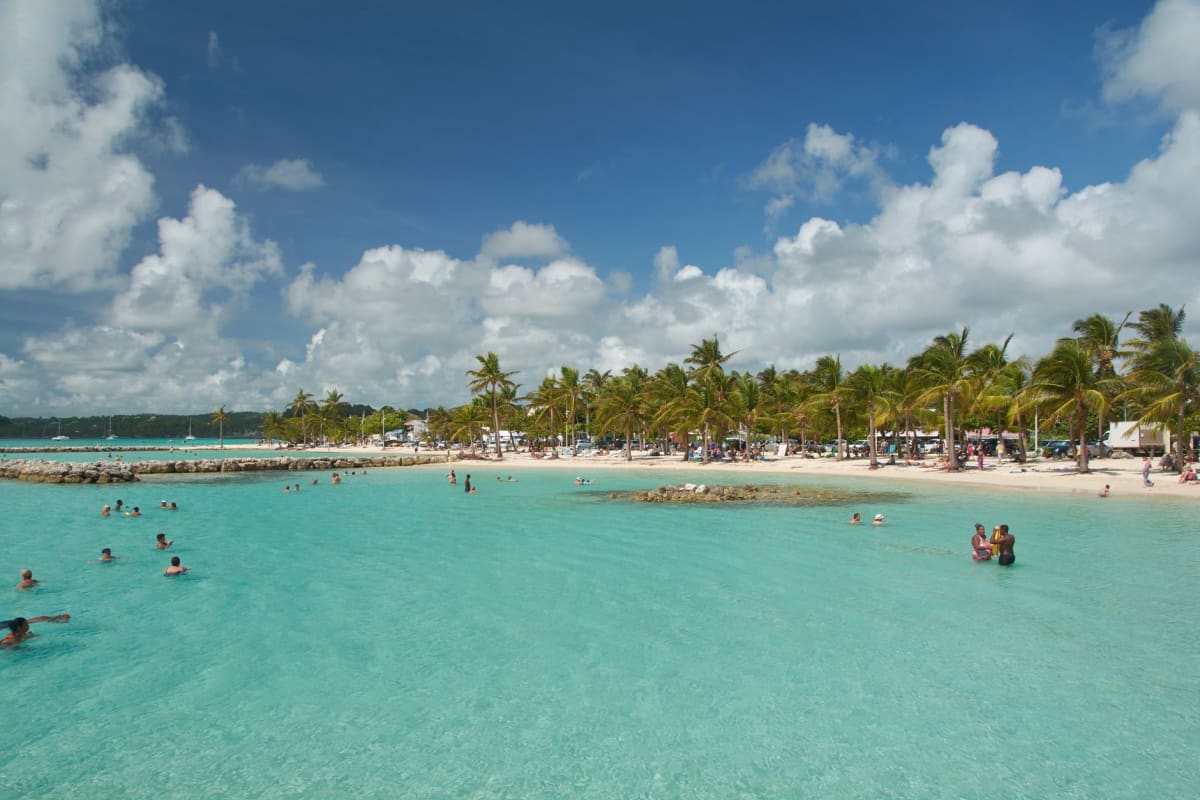
The beaches, by contrast, are pure soft Caribbean cliché in the best way, protected by a fringing reef that turns the lagoon glassy and warm. We had Plage du Souffleur largely to ourselves, just us, a few fishing boats, and a pelican conducting its business with great seriousness.

Goats, iguanas, and a road that ends
Renting a scooter is the move, because the island is essentially one road and you can ride its full length in well under an hour. We rode east toward the old meteorological station and the lighthouse, past the nature reserve where protected iguanas sun themselves with the entitlement of creatures who know they are legally untouchable. Goats outnumber people and wander the road with total indifference to traffic, of which there is almost none anyway.
At the far eastern end the road simply gives up and the island narrows to wild, wind-scoured headland, all crashing Atlantic and not a single building. Lia, who had been muttering about wanting a “proper edge of the world,” declared this exactly it, and we sat on the rocks eating a slightly squashed sandwich while the wind tried to take our hats. It remains one of my favourite hours in the whole French Caribbean.
Logistics, kept simple
Ferries run from Saint-François on Grande-Terre and the crossing takes under an hour, though the channel can get choppy, so the easily seasick should sit aft and look at the horizon. Most people visit as a day trip, but a night in one of the small guesthouses lets you have the beaches at dawn entirely alone. Bring cash, sun protection, and zero expectation of nightlife. La Désirade trades in stillness, and it does not negotiate.
Keep exploring
More from Guadeloupe
 guadeloupe
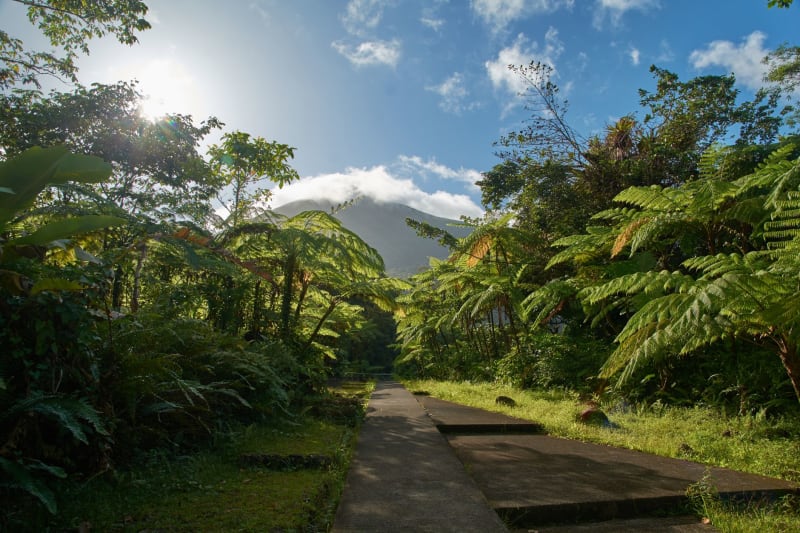
La Soufrière
An active volcano you can walk to the crater of, where the sulfur stench and the swirling clouds make every other hike feel insufficient.
Explore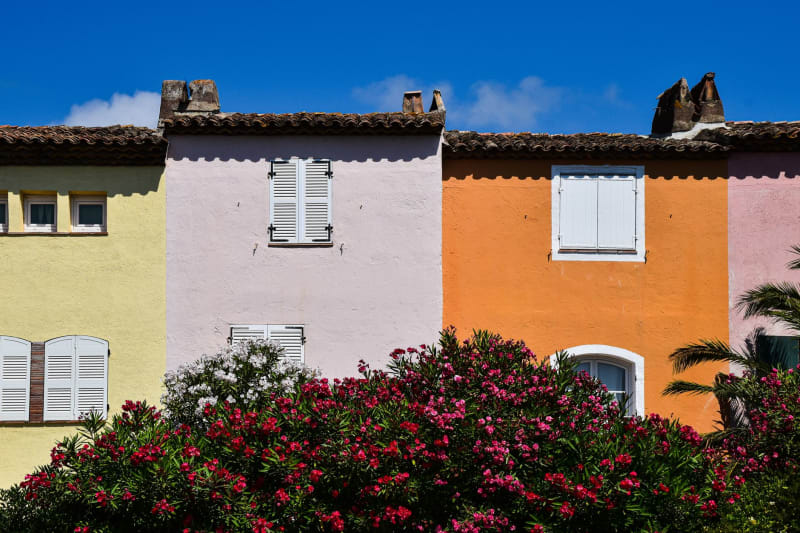 guadeloupe
Les Saintes
A handful of volcanic islands so small you can walk the main one in an afternoon, with a bay that makes Caribbean travel posters seem like understatements.
Explore guadeloupe
Marie-Galante
A flat, round island of sugarcane and ancestral rum, where the distilleries still run on steam and the beaches feel borrowed from a quieter century.
Explore guadeloupe
Pointe-à-Pitre
A gritty, alive Creole port city where the accras come out of the fryer at 7am and the waterfront market has barely changed in forty years.
Explore guadeloupe
Pointe des Châteaux
The rugged limestone tip of Grande-Terre, where the Atlantic and Caribbean collide and the cross on the headland is visible for miles out at sea.
Explore guadeloupe
Pointe-Noire
A windswept woodworking town on Basse-Terre's black-sand coast, where cocoa history and cabinetmaking traditions run deeper than the tourist trail.
Explore