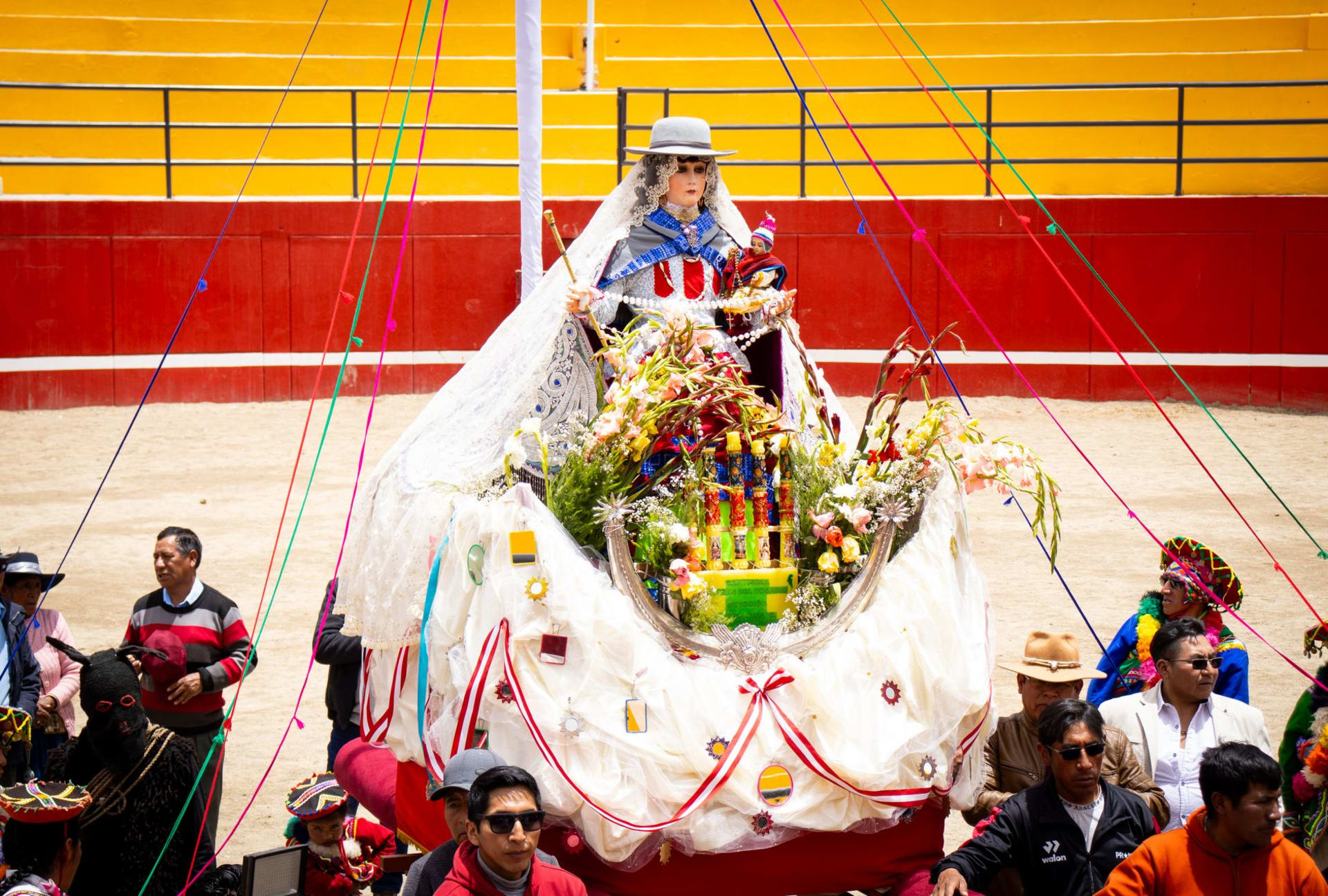
Marie-Galante
"Marie-Galante moves at a pace that makes you realize how fast you've been going everywhere else."
A flat, round island of sugarcane and ancestral rum, where the distilleries still run on steam and the beaches feel borrowed from a quieter century.

The island appears from the ferry as a low green line on the water, almost perfectly round, almost perfectly flat — nothing like the volcanic drama of Les Saintes or the mountain-backed wildness of Basse-Terre. This flatness turns out to be the point. Marie-Galante was, for centuries, one of the most productive sugar islands in the French Antilles, and the land that once fed that industry now gives it its particular landscape: long fields of cane running to every horizon, broken by the occasional ruin of a windmill or a sugar works, with roads that go straight for stretches that feel almost inappropriate on an island this size.

I came for the rum. Marie-Galante has three operating distilleries — Bielle, Bellevue, and Capesterre — and all three produce what’s called rhum agricole, made directly from fresh-pressed sugarcane juice rather than molasses, which gives it a grassy, vegetal quality that most rum doesn’t have and that I find either interesting or excellent depending on the glass. The Bielle distillery is the one I spent most time at: a nineteenth-century operation that still runs a steam engine during crushing season (January through June), smells of fermenting cane juice from fifty meters away, and has a tasting room staffed by a man named Théodore who poured with generosity and explained the differences between their aged expressions in the patient way of someone who has had this conversation a thousand times and doesn’t find it any less interesting for that.
The beaches on the south and west coasts are among the most unglamorous and wonderful I’ve found anywhere in the Caribbean. Capesterre beach, on the southeastern tip, is a long curve of white sand with water so clear that the fish are visible from above the surface. There are no bars on the beach, no sun lounger rentals. A few families had set up under the sea grape trees with coolers and folding chairs. I swam for a long time and then lay in the shade and read and was entirely unbothered. The tourism apparatus that shapes most Caribbean beach experiences had not yet arrived in full force on Marie-Galante, or at least had not arrived at Capesterre on that particular afternoon.

The island’s main town, Grand-Bourg, has a Saturday market that operates at the unhurried pace of the whole island — stalls selling fresh cane juice pressed to order, local honey, sweet potatoes in varieties I couldn’t name. An old church faces the main square where children play in the afternoon and nothing is particularly urgent. I ate lunch at a small restaurant without a proper name, just a house with four tables set out under an awning, and was brought a plate of grilled fish with the head still on and a side of ti-nain — green bananas cooked in salt water — without being asked what I wanted. It was the right call.
When to go: The cane crushing season (January through June) is the best time to visit the distilleries, when the steam engines run and the smell of fermentation fills the air around Bielle. The beaches are good year-round but are most tranquil outside the French school holidays (late July through August). The ferry from Pointe-à-Pitre takes about 45 minutes and runs several times daily — a day trip is viable, but two nights lets you feel the island’s actual pace rather than just passing through it.
Keep exploring
More from Guadeloupe
 guadeloupe
Pointe-à-Pitre
A gritty, alive Creole port city where the accras come out of the fryer at 7am and the waterfront market has barely changed in forty years.
Explore guadeloupe
Pointe des Châteaux
The rugged limestone tip of Grande-Terre, where the Atlantic and Caribbean collide and the cross on the headland is visible for miles out at sea.
Explore guadeloupe
Pointe-Noire
A windswept woodworking town on Basse-Terre's black-sand coast, where cocoa history and cabinetmaking traditions run deeper than the tourist trail.
Explore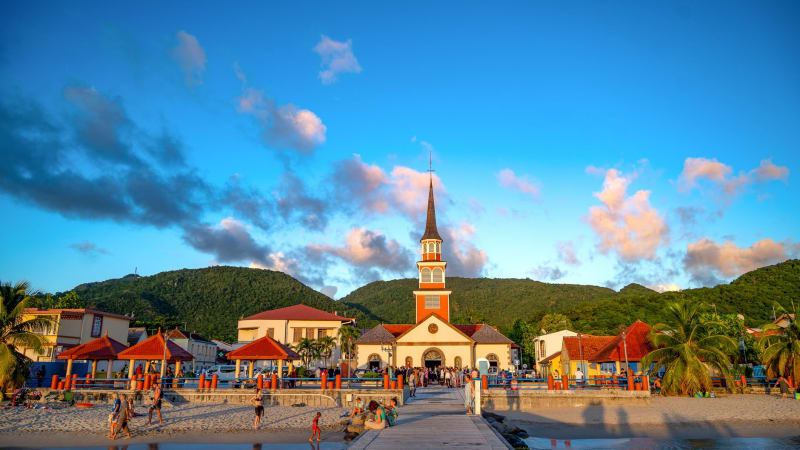 guadeloupe
Saint-François
Grande-Terre's most polished beach town, where the lagoon turns every shade of turquoise before breakfast and the boulangerie opens at six.
Explore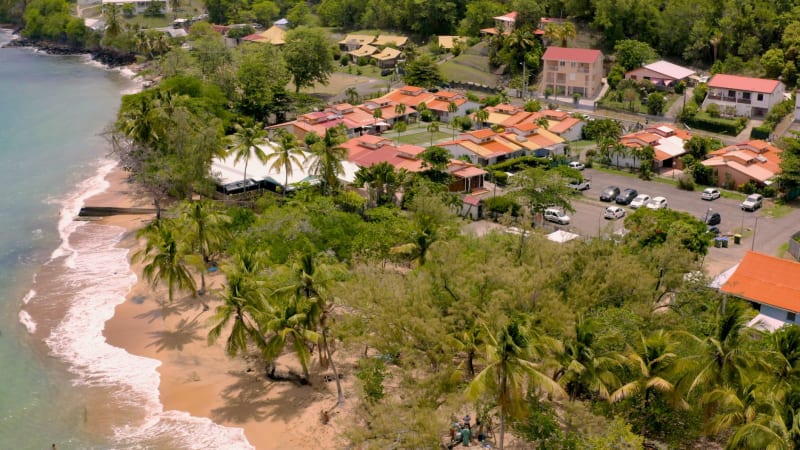 guadeloupe
Basse-Terre
The capital most visitors skip entirely — a crumbling, fragrant Creole city that rewards those who stay for the market.
Explore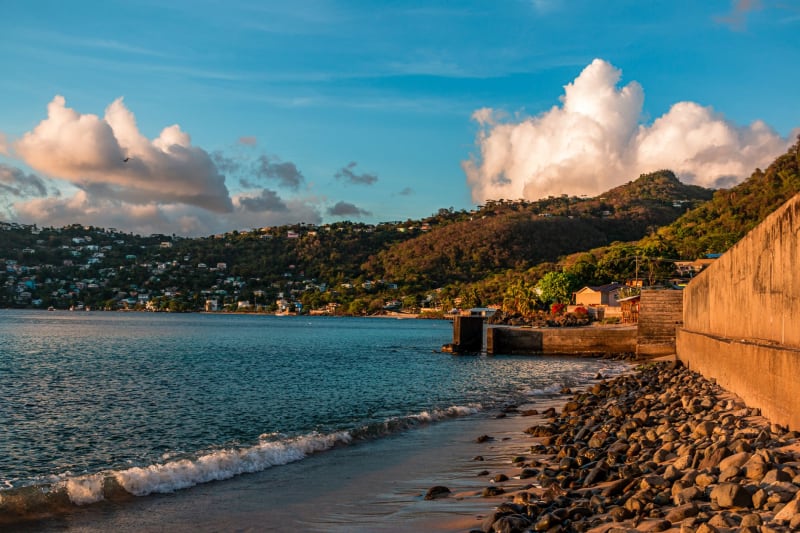 guadeloupe
Bouillante
A west coast fishing village where sea turtles surface between dive boats, geothermal vents heat the sea floor, and the coral is some of the best in the Lesser Antilles.
Explore