
Delos
"An island where no one is allowed to be born or die, and the only residents are lions made of marble."
An entire uninhabited island that is one vast open-air ruin, the sacred birthplace of Apollo, a short boat hop from the cocktails of Mykonos.

You can see Delos from the party beaches of Mykonos, a low brown hump across a strip of bright water, and the contrast is the whole point. One island is dedicated to bottle service; the other, two and a half kilometres away, is dedicated to Apollo and has been essentially empty of permanent residents for centuries. Crossing between them by boat takes about half an hour and feels like crossing about three thousand years.
A holy island, ruled by rules
In antiquity Delos was one of the most sacred sites in the Greek world, revered as the birthplace of Apollo and his sister Artemis. The ancients took this so seriously that they eventually decreed no one could be born or die on the island, to keep it ritually pure; the dying and the pregnant were ferried off to a neighbouring islet. I find that detail unbearably human, this committee-meeting solution to the messiness of mortality.
Today the entire island is an archaeological site and a UNESCO World Heritage listing, and almost nobody stays overnight. You arrive, you wander a city frozen mid-sentence, and you leave on the afternoon boat. The famous Terrace of the Lions, marble beasts that once snarled toward the sacred lake, are weathered into something between guardian and ghost. Lia, not usually one for ruins, stood among them in total silence, which I have learned to recognise as her highest compliment.

Walking a dead metropolis
What surprised me most is how much of a real, lived-in city Delos was. This was not only a sanctuary but a thriving cosmopolitan port, and the residential quarter still has houses with intact mosaic floors, the famous House of the Dolphins and House of Masks among them. You walk actual streets, past the remains of shops and cisterns and a theatre, and the imaginative leap to a crowded, shouting, trading town is almost effortless. Climb Mount Kynthos, the modest peak at the centre, and the entire Cyclades unfurl around you, ring upon ring of islands, with Mykonos winking smugly to the east.
Bring a hat, water, and sturdy shoes, because there is essentially no shade and the marble throws the heat straight back at you. We made the mistake of going at midday in July and spent the last half hour moving from one column’s shadow to the next like a pair of overheated lizards.

How to actually do it
Boats run from Mykonos old port, usually in the morning, and the schedule is unforgiving: the island closes and the last boat leaves in mid-afternoon, so do not dawdle over your second frappé. The site entrance fee is separate from the boat ticket. Give yourself at least three hours on the ground, hire a guide or download a decent one, and treat the day as the deliberate, sun-struck counterweight to whatever Mykonos has planned for your evening.
Keep exploring
More from Greece
 greece
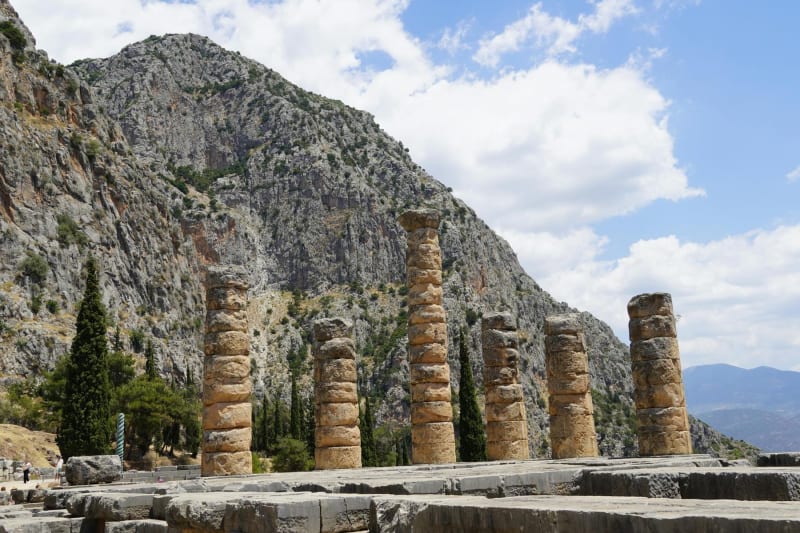
 Delphi
The navel of the ancient world perches dramatically on the slopes of Mount Parnassus — its ruined oracle still commands a certain speechless reverence.
Explore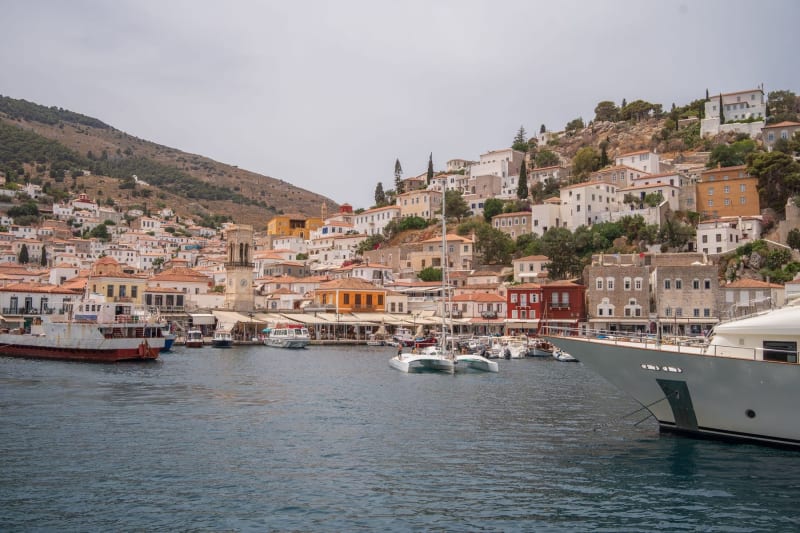 greece
 Hydra
An island with no cars, no mopeds, and no noise — only donkeys, water taxis, and a Saronic harbor that inspired Leonard Cohen to live and write here.
Explore greece
 Kastellorizo
Greece's most isolated inhabited island, one kilometre from Turkey, with 500 residents and a Lycian rock-cut tomb on the waterfront.
Explore greece
 Meteora
Monasteries balanced on impossible sandstone pillars, where monks chose the most dramatic real estate in Christendom.
Explore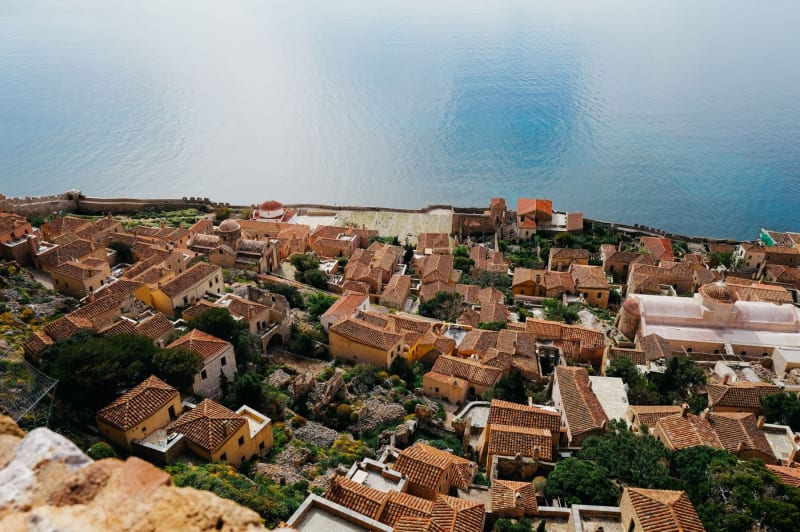 greece
 Monemvasia
The Gibraltar of Greece: a medieval Byzantine town clinging to a massive sea rock, accessible only by a single causeway and worth every step.
Explore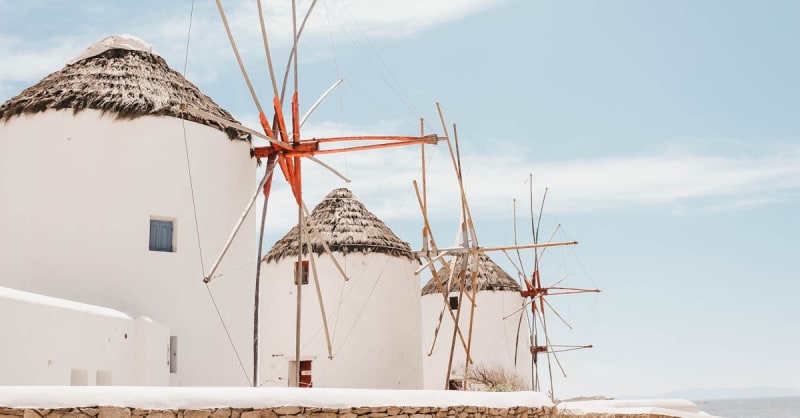 greece
 Mykonos
A windswept Cycladic jewel where whitewashed lanes lead to beach clubs, ancient ruins, and sunsets that demand celebration.
Explore