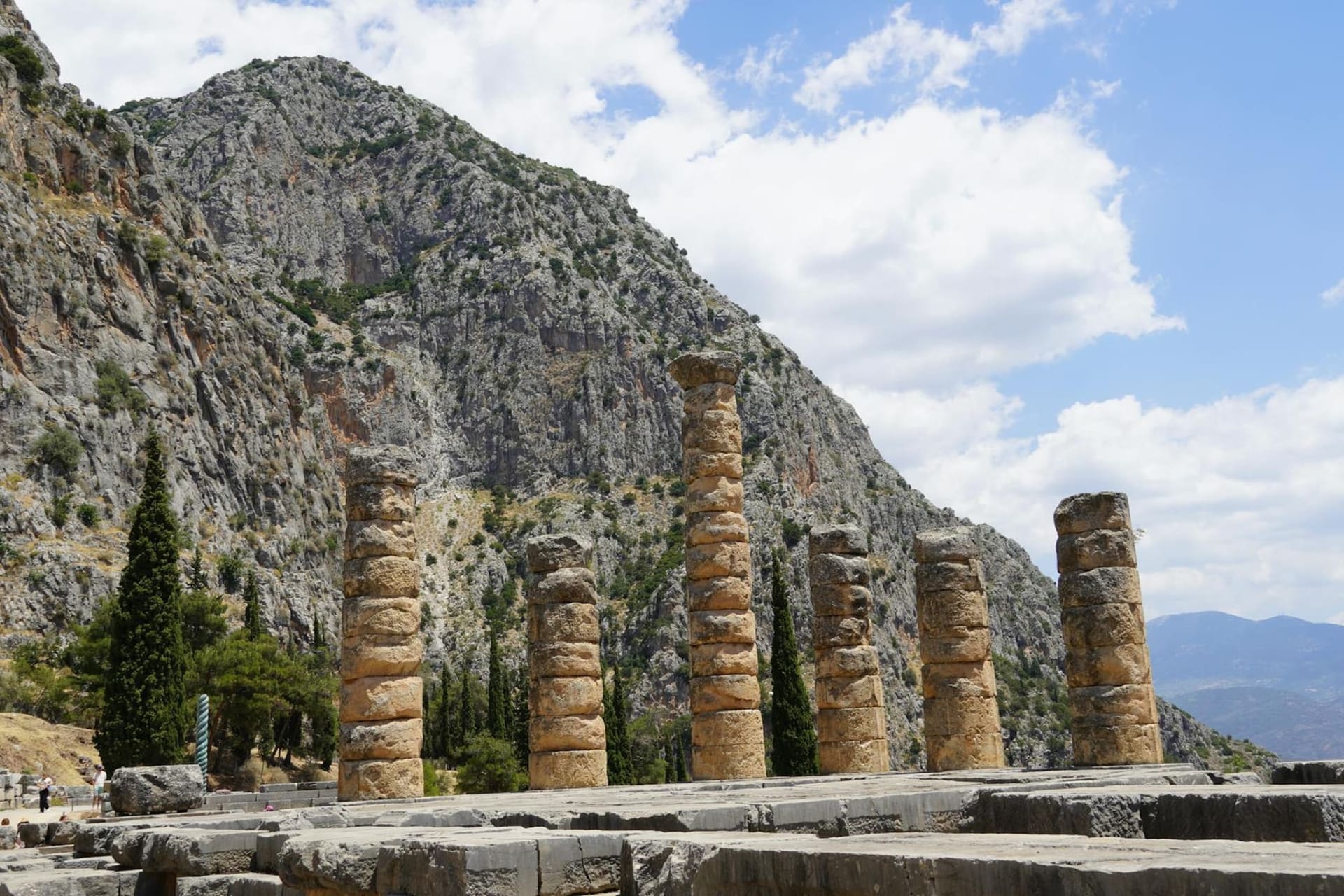
Delphi
"Standing at Delphi, you understand why the ancients believed the gods lived nearby."
The navel of the ancient world perches dramatically on the slopes of Mount Parnassus — its ruined oracle still commands a certain speechless reverence.

The bus from Athens drops you on the edge of a small mountain town that smells of thyme and diesel, and then, rounding the first bend of the Sacred Way, the whole of the Corinthian valley opens below you like something dreamed. I stopped walking. Lia, who rarely stops for anything, stopped too.
That involuntary halt is Delphi’s first gift.
The Sacred Way and the Weight of Stone
The path climbs steeply through the sanctuary ruins — the Treasury of the Athenians still astonishingly intact on the left, its pale marble almost white against the dark limestone cliffs of the Phaedriades above. I kept touching the walls, not out of reverence exactly, but because the stone felt different here, warmer than it should, as if it had been absorbing centuries of prayer rather than just afternoon sun.
The Temple of Apollo sits at the apex of the site, its six surviving columns framing nothing but sky and mountain. The omphalos — the carved stone navel of the world — sits in the museum below, a squat, patterned thing that somehow carries its myth intact. Standing at the temple platform in early morning, before the tour groups arrived, I could hear wind moving through the olive groves far down the valley and nothing else. The ancients were not wrong about the acoustics of this place.
An Unexpected Museum, an Unexpected Lunch
What surprised me most was the Delphi Archaeological Museum itself. I expected a dutiful collection of fragments. Instead, I found the Charioteer — a bronze youth from 478 BC, his eyes still inlaid with glass paste and stone, his expression one of absolute calm after victory. He stopped me the way the view had stopped me on the Sacred Way. There is a quality to him that photographs cannot capture: a living stillness.
Lunch afterward at a small taverna on Pavlou street — lamb with orzo baked in a clay pot, a carafe of rough local white — felt like the correct conclusion to a morning spent among gods. The valley light by midday had turned silver-gold, hazy with heat rising from the olive groves below, and the whole mountain seemed to exhale.
Coming Down from Parnassus
The walk back through town, past the ordinary municipal buildings and the souvenir shops selling miniature oracles, is its own kind of lesson. The sacred and the quotidian have always shared the same hillside here. The gods demanded practical things: good timing, honest questions, the willingness to climb.
When to go: April through early June offers the best combination of clear mountain light, mild temperatures, and manageable crowds. September is equally good — the summer heat has broken and the site feels almost private again.
Keep exploring
More from Greece
 greece
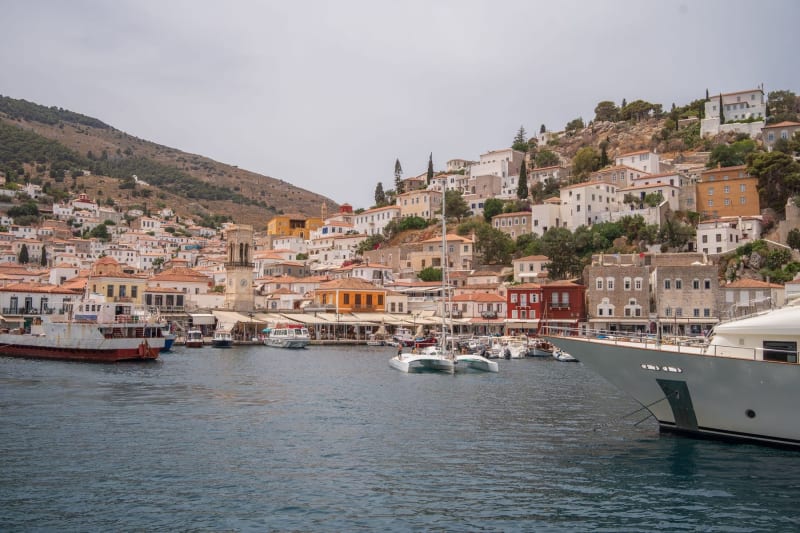
 Hydra
An island with no cars, no mopeds, and no noise — only donkeys, water taxis, and a Saronic harbor that inspired Leonard Cohen to live and write here.
Explore greece
 Kastellorizo
Greece's most isolated inhabited island, one kilometre from Turkey, with 500 residents and a Lycian rock-cut tomb on the waterfront.
Explore greece
 Meteora
Monasteries balanced on impossible sandstone pillars, where monks chose the most dramatic real estate in Christendom.
Explore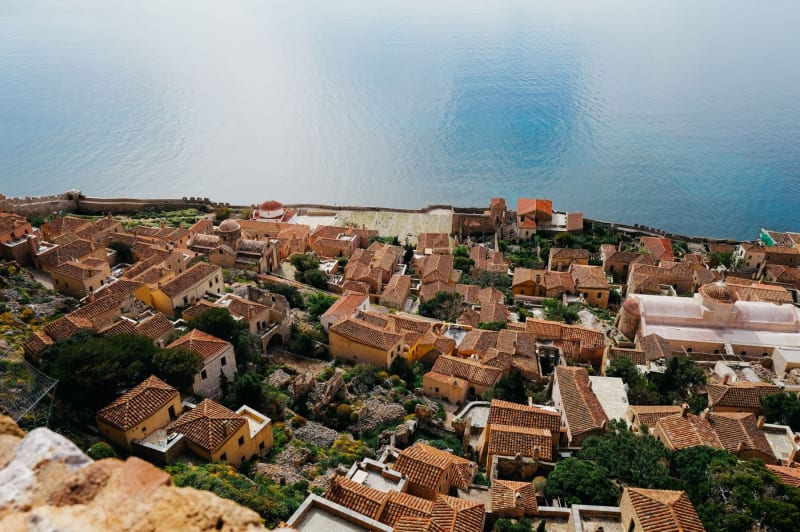 greece
 Monemvasia
The Gibraltar of Greece: a medieval Byzantine town clinging to a massive sea rock, accessible only by a single causeway and worth every step.
Explore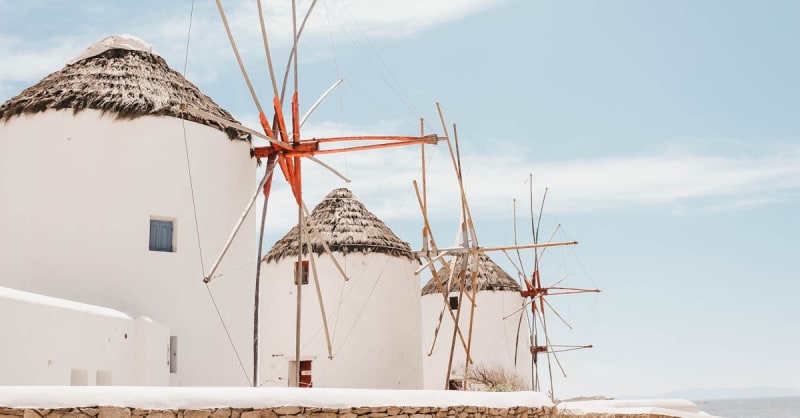 greece
 Mykonos
A windswept Cycladic jewel where whitewashed lanes lead to beach clubs, ancient ruins, and sunsets that demand celebration.
Explore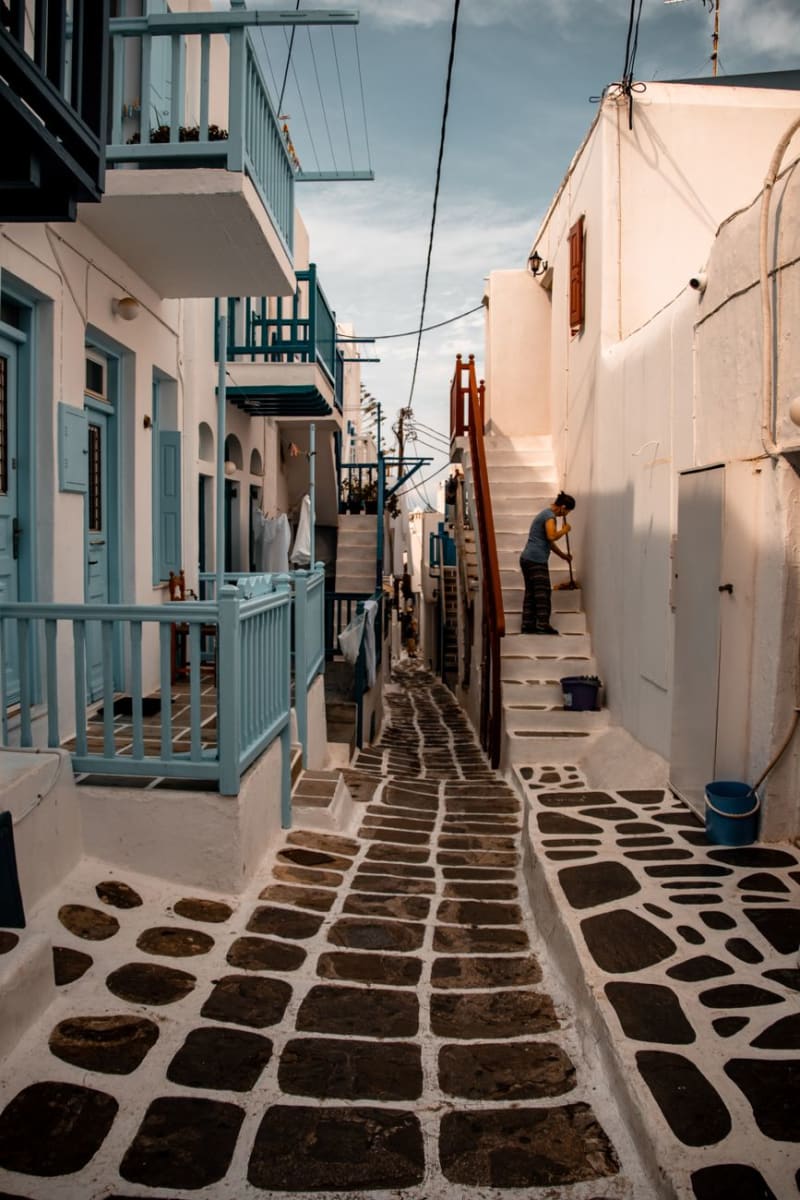 greece
 Mykonos Town
The labyrinthine whitewashed lanes of Chora were designed to confuse pirates — today they confuse visitors just as delightfully.
Explore