Cango Caves
"Twenty million years to build a cave, and about four minutes for me to regret the adventure tour."
Twenty million years of dripstone beneath the Swartberg foothills, and a Devil's Chimney squeeze that tested every ounce of my nerve.
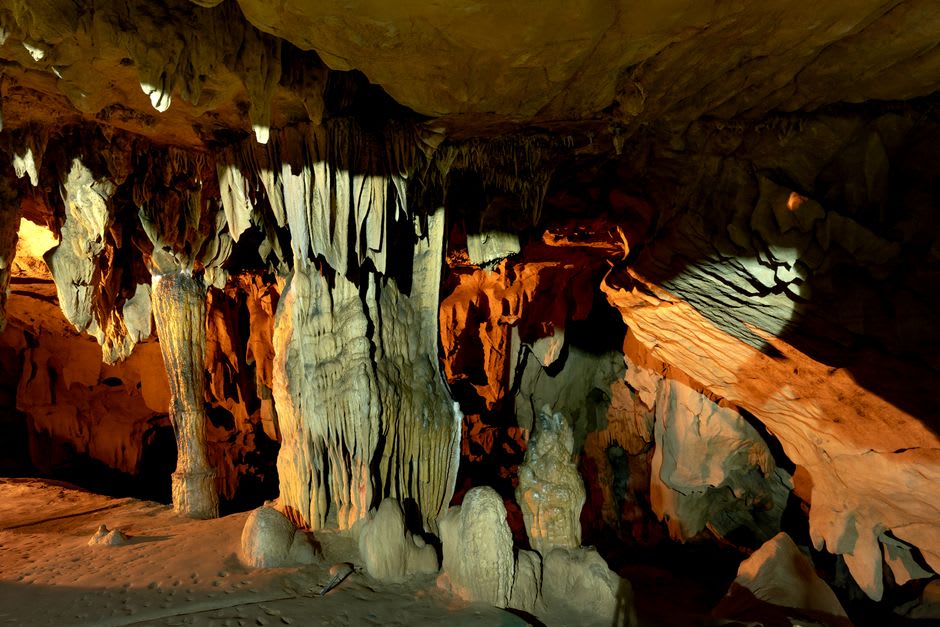
I’d read that people had been ducking into these caves for thousands of years before anyone thought to sell tickets, and standing in the entrance chamber near Oudtshoorn, I believed it instantly. There’s a hush in there that has nothing to do with tourism, something older than the rope railings and the gift shop out front. It was a Khoi herder who first showed the place to a local farmer back in 1780, and that quiet handoff turned the Cango Caves into one of South Africa’s oldest tourist attractions. Lia and I arrived on a weekday morning specifically to dodge the school groups we’d been warned about, and for the first twenty minutes we practically had the Grand Hall to ourselves, necks craned back at formations dripping down like the whole ceiling was mid-melt.
What gets me is the math of it. An underground stream carved this whole dolomitic limestone system through the Swartberg foothills over roughly 20 million years, and even now only about a third of it, some 4 of an estimated 5.3 kilometers, has actually been surveyed and opened to visitors. The rest is still down there in the dark, uncharted. Our guide said it so casually, like it was a fun fact and not the most unsettling thing I’d heard all trip. I kept catching myself doing the math wrong on purpose, trying to make the number smaller, less vertiginous.
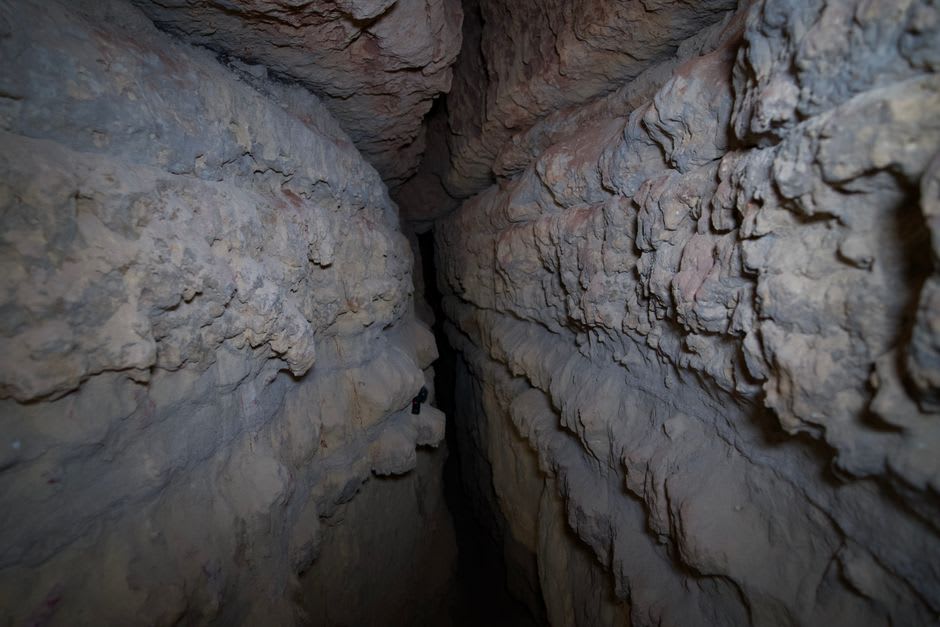
We’d signed up for the adventure tour, which I now understand was a decision made by a version of me who had never heard of the Devil’s Chimney. It’s a squeeze so tight that I had to exhale, turn my shoulders sideways, and trust a rock formation with my dignity. Lia went through first and I could hear her laughing on the other side, which was somehow both encouraging and infuriating. I got stuck for maybe three seconds, just long enough to fully reconsider my choices, before popping out the other end covered in pale dust and grinning like an idiot.
Afterward we sat in the parking lot with the car doors open, drinking lukewarm water and picking limestone dust out of our hair, and I kept thinking about those archaeological finds in the entrance chambers, evidence of people ducking in and out of here on and off for millennia before European contact. It’s easy to treat a cave like a photo backdrop, but this one felt more like a place that’s been quietly witnessing things long before us and will keep doing so long after.
When to go: The caves hold a steady temperature no matter the season, so there’s no bad month to visit, but if you want the Grand Hall to yourself for even a few minutes, go on a weekday morning before the tour buses catch up with you.
Keep exploring
More from Garden Route
 garden-route
 George
The Garden Route's main town — practical, unpretentious, and backed by a mountain pass so beautiful it justifies a detour before you've even unpacked.
Explore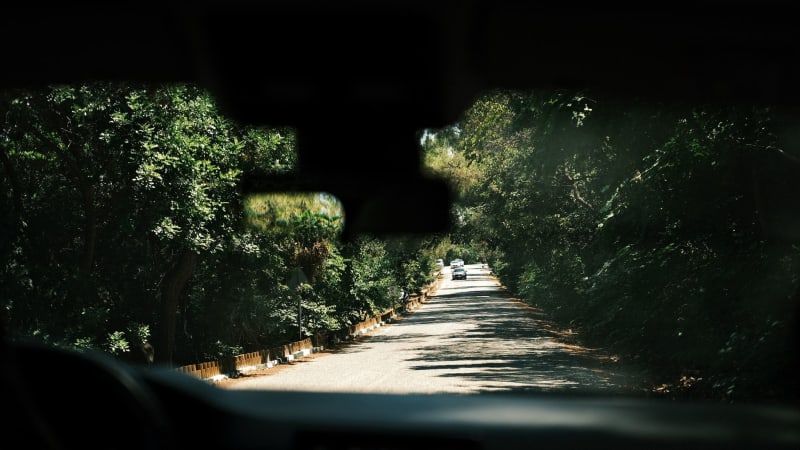 garden-route
 Keurboomstrand
A near-empty beach hamlet west of Plettenberg Bay where crayfish braai stands appear at the roadside and the rock pools are tended by nobody but the tide.
Explore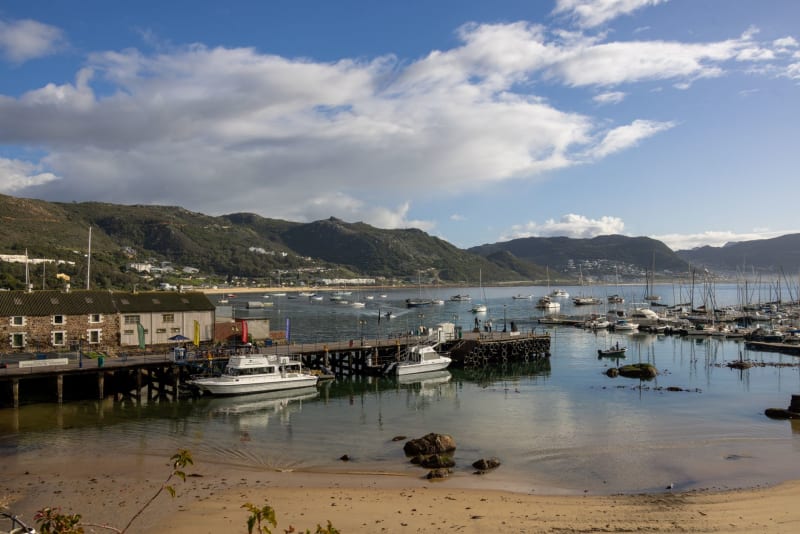 garden-route
 Knysna
A tidal lagoon guarded by two sandstone cliffs, with oysters, timber history, and light that turns the water amber at exactly the right hour.
Explore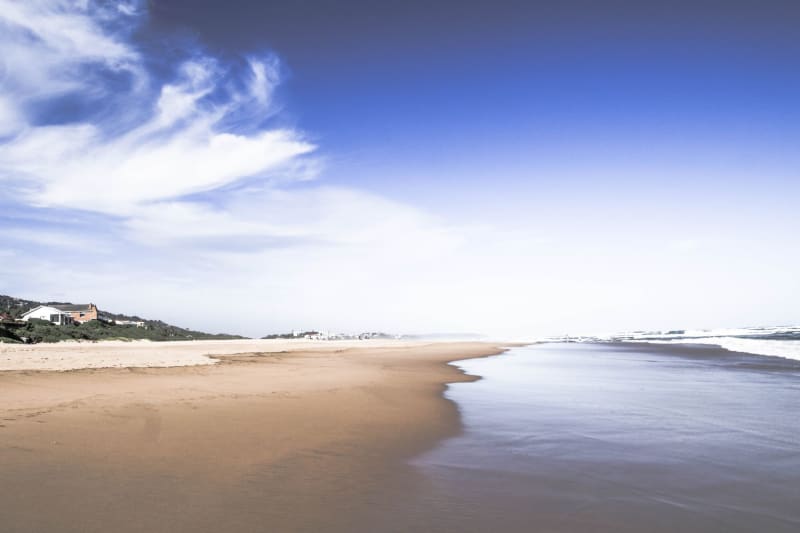 garden-route
 Mossel Bay
The western door of the Garden Route — where Portuguese sailors first landed, whales calve in the bay, and the point produces one of South Africa's most consistent surf breaks.
Explore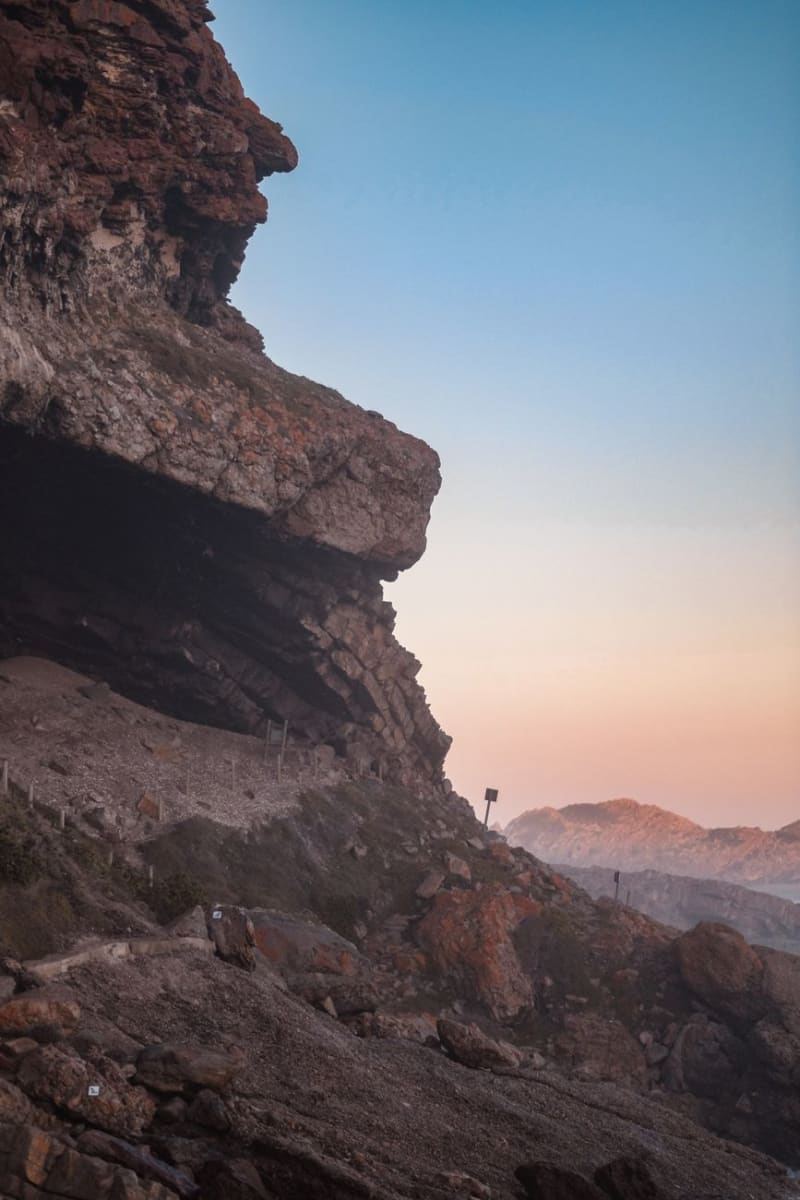 garden-route
 Nature's Valley
A tiny village hidden between forest, lagoon, and a wild beach at the edge of Tsitsikamma, where there is exactly one shop and no reason to hurry.
Explore garden-route
 Oudtshoorn
The ostrich capital of the world sits in the dry Karoo edge just over the mountains — half theatre, half agriculture, with one of the most startling cave systems in the southern hemisphere underneath it.
Explore