
George
"George doesn't try to be charming. That, in the end, is what makes it charming."
The Garden Route's main town — practical, unpretentious, and backed by a mountain pass so beautiful it justifies a detour before you've even unpacked.

Most travel guides treat George as a gateway — the airport you fly into, the town you drive through, the place with the petrol stations and the Checkers supermarket before the scenic stuff begins. I understand that impulse and mostly disagree with it. George is not Knysna. It does not have a tidal lagoon or oyster bars. But it has something that the more photogenic towns of the Garden Route sometimes lack: a sense of being a real place where real people live, and the Outeniqua Mountains rising immediately behind it in a green wall that catches clouds in the late afternoon and turns blue before the sun goes down.

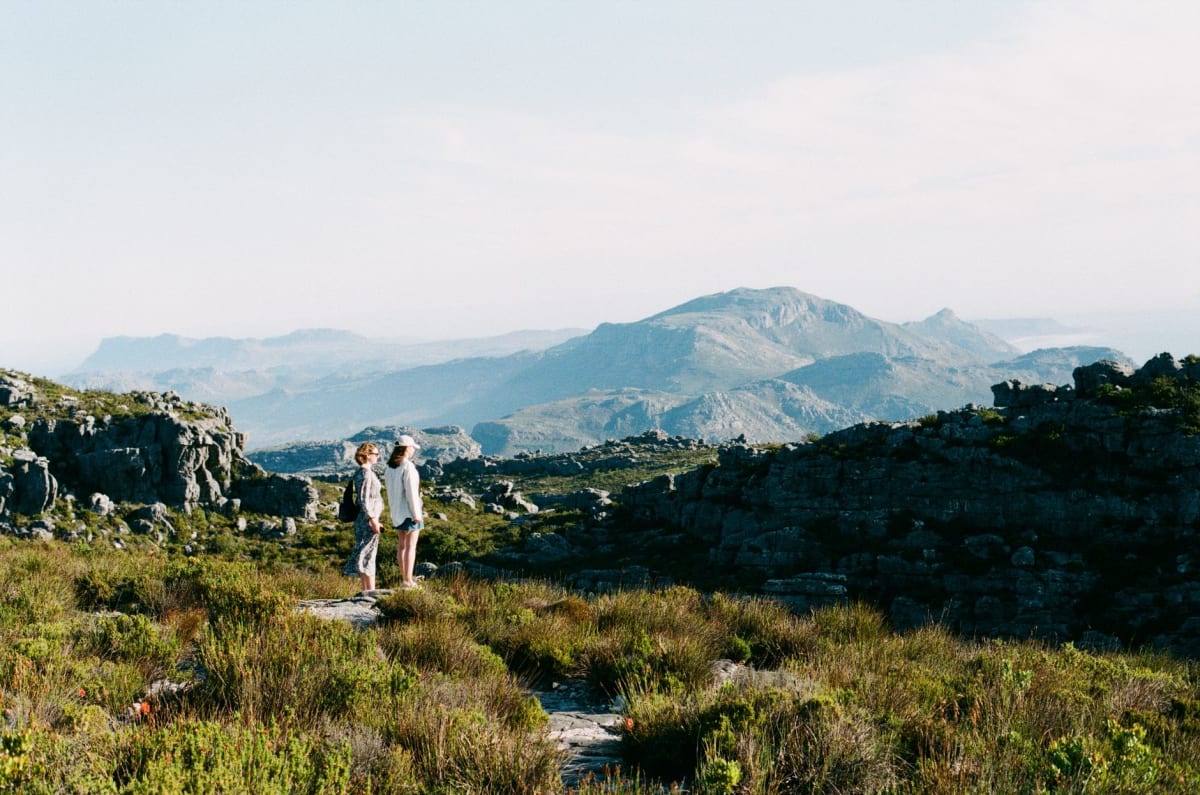
The Outeniqua Pass is the reason to arrive by road from the north if you possibly can. The old pass — not the new N9 tunnel — climbs through eleven kilometres of switchbacks and single-lane hairpins up through indigenous forest, yellowwood trees pressing close on both sides, with views back over the coastal plain that grow more vertiginous with every metre of altitude. I drove it slowly in second gear, windows down, the air cooling fast as I climbed and smelling of damp earth and something resinous I couldn’t name. At the top there’s a viewpoint that looks south over George, the Wilderness lagoon system, and on clear days all the way to the sea at Victoria Bay. Then you descend, and you’re in the Karoo edge before you’ve had time to process the transition.
Back in town, the George Museum on the old Dutch Reformed church square is unexpectedly good — a serious collection of steam railway memorabilia from the Outeniqua Choo-Tjoe, the narrow-gauge line that used to run between George and Knysna before floods wiped out a section of track permanently in 2006. The railway photographs are worth the modest entrance fee by themselves. There’s a particular shot of the train rounding the curve over the Knysna Lagoon with the Heads in the background — iconic in a very specific, unrepeatable South African way.
The Victoria Bay turnoff is eight kilometres west of George and leads down to what might be the best surf point on the Garden Route — a small, perfectly formed right-hand point break in a steep-sided cove with perhaps thirty houses clinging to the hillside and a tidal pool where children and non-surfers coexist happily. On good swells, experienced surfers queue for sets in a well-understood pecking order; on small days, beginners flounder amiably. I sat on the sea wall one evening and ate a sausage roll from a bakery bag while the surfers worked a glassy two-metre swell in the last light, and the moment had a completeness to it that I did not expect from a town I’d planned to drive through.
When to go: George is a year-round destination — it functions as a practical base regardless of season. The pass road is best driven in winter and spring (June–October) when the mist burns off mid-morning and the mountain vegetation is lushest. Victoria Bay gets its best surf from April through August when the winter swells run north from Antarctica.
Keep exploring
More from Garden Route
 garden-route
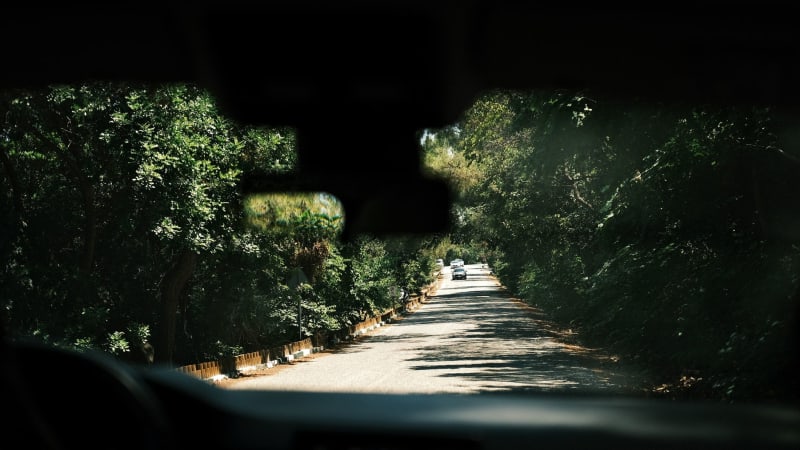
Keurboomstrand
A near-empty beach hamlet west of Plettenberg Bay where crayfish braai stands appear at the roadside and the rock pools are tended by nobody but the tide.
Explore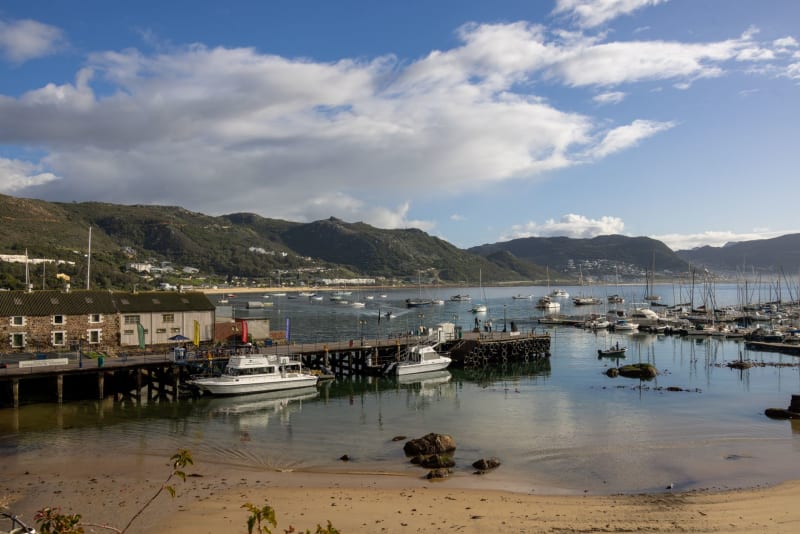 garden-route
Knysna
A tidal lagoon guarded by two sandstone cliffs, with oysters, timber history, and light that turns the water amber at exactly the right hour.
Explore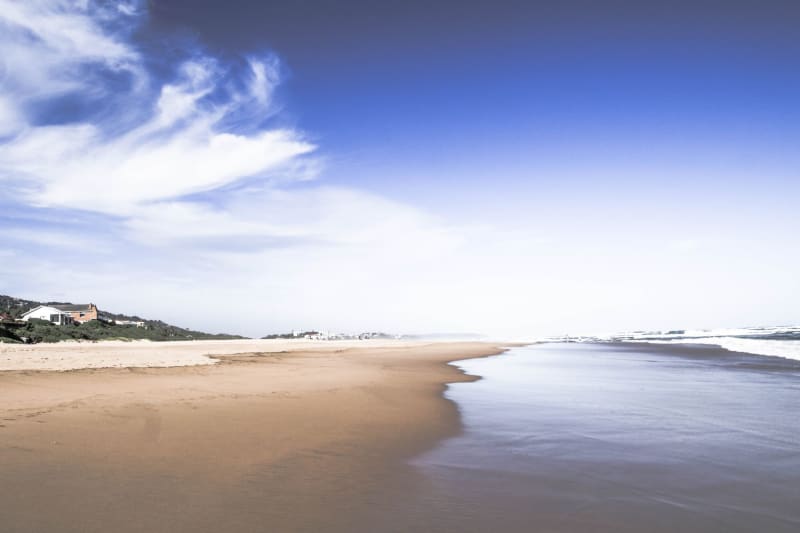 garden-route
Mossel Bay
The western door of the Garden Route — where Portuguese sailors first landed, whales calve in the bay, and the point produces one of South Africa's most consistent surf breaks.
Explore garden-route
Nature's Valley
A tiny village hidden between forest, lagoon, and a wild beach at the edge of Tsitsikamma, where there is exactly one shop and no reason to hurry.
Explore garden-route
Oudtshoorn
The ostrich capital of the world sits in the dry Karoo edge just over the mountains — half theatre, half agriculture, with one of the most startling cave systems in the southern hemisphere underneath it.
Explore garden-route
Plettenberg Bay
The Garden Route's most beautiful bay — wide, curved, impossibly blue — where dolphins work the surf line most mornings before the crowds arrive.
Explore