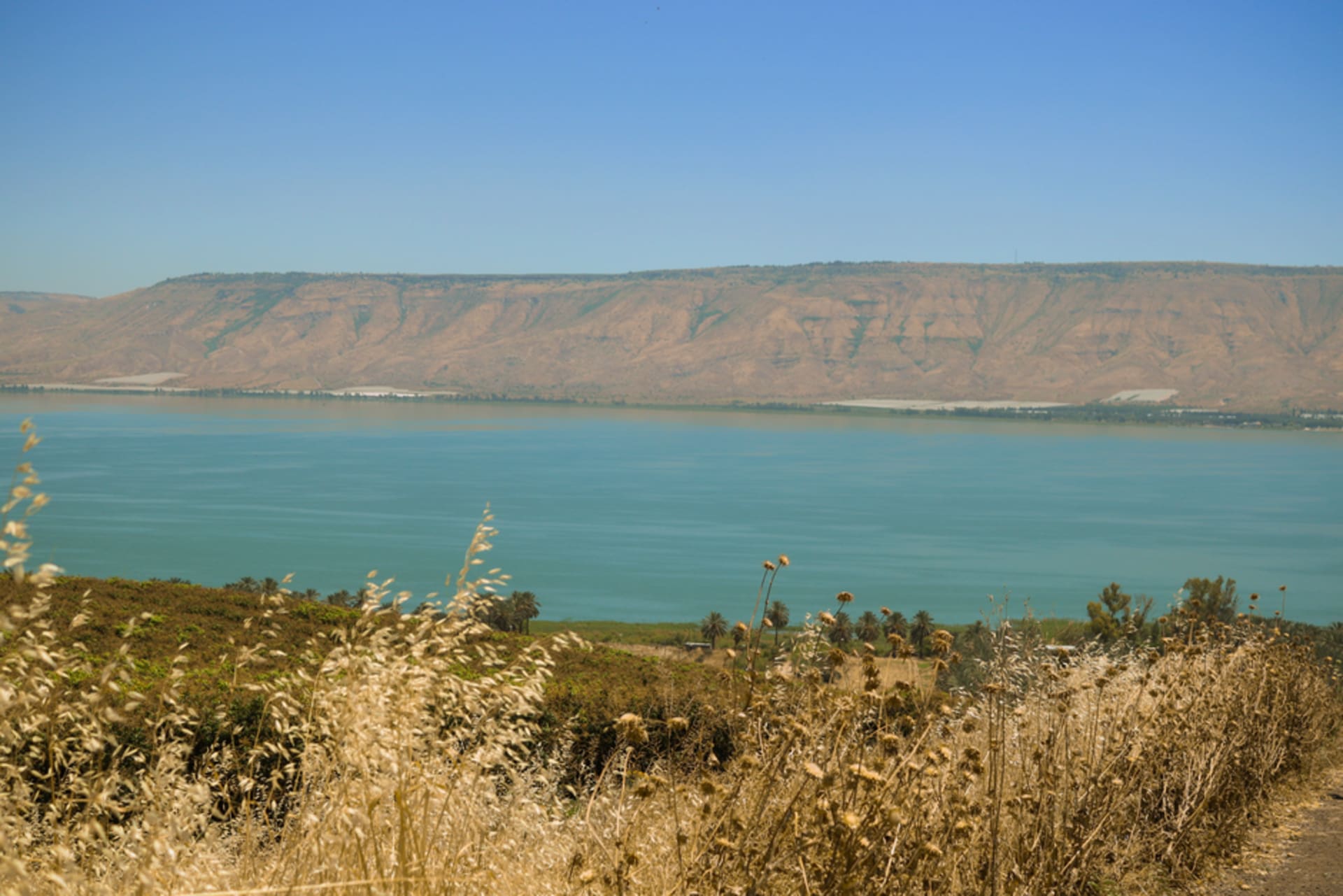
Ginosar
"A boat that spent two thousand years in the mud, and came out looking almost apologetic about it."
A lakeside kibbutz on the Sea of Galilee's northwest shore where a 2,000-year-old fishing boat, pulled whole from the mud during a drought, sits behind glass a few steps from the water that buried it.

I almost skipped Ginosar. It reads on the map as a kibbutz with a museum, and I have walked out of enough kibbutz museums to be wary of the genre. But the Yigal Allon Museum here holds one specific object that changed my mind about the whole detour: the so-called Jesus Boat, a first-century fishing vessel that two brothers from the kibbutz found stuck in the mud during the severe drought of 1986, when the lake’s water level dropped low enough to expose a shape they recognized immediately as a hull. They kept the discovery quiet for days while archaeologists figured out how to extract eight meters of waterlogged, two-thousand-year-old cedar and oak without it disintegrating in the open air. The solution involved polyurethane foam, a custom cradle, and eleven days of round-the-clock excavation in the mud, much of it at night to avoid the heat. The boat now sits in a climate-controlled hall, preserved in wax, looking smaller and more fragile than its fame suggests — a plain, functional Galilean workboat, the kind that would have carried nets and fishermen and, on any given afternoon two thousand years ago, been entirely unremarkable.

What I did not expect was how much I would like the kibbutz itself. Ginosar was founded in 1937 by young socialist pioneers who drained swampland and planted the banana groves and date palms that now shade the entire property, and it still functions as a working agricultural community alongside its guesthouse and museum — there is nothing performative about the fields you walk past to reach the shore. I sat for an hour on the beach behind the guesthouse, which is really the only proper swimming beach on this stretch of the lake, watching the light change on the water while kibbutz kids rode bicycles along the path and a man in his seventies did slow, methodical laps parallel to the shore. St. Peter’s fish, the local tilapia named for the coin found in a fish’s mouth in the Gospel story, showed up on my plate that evening at the lakeside restaurant, fried whole with the head still on, and it tasted exactly the way simple fried fish should taste when it was swimming an hour before you ordered it.

Plan de Galilée is not, strictly speaking, a huge tourist draw beyond the museum and a quick lunch stop, and that is exactly its appeal. It sits a few minutes north of Tiberias on the road toward Capernaum, close enough that most people treat it as a footnote to a busier itinerary, but I found it a genuinely restful place to slow down between the more crowded pilgrimage sites — an hour with the boat, an hour on the beach, and a plate of fish, and I left feeling like I understood the lake’s working life better than I had after visiting three churches.
When to go: Any season works, though the beach is best from April through October. Visit the museum first thing in the morning before tour buses from Tiberias arrive, and stay for a lakeside lunch afterward.
Keep exploring
More from Galilee
 galilee
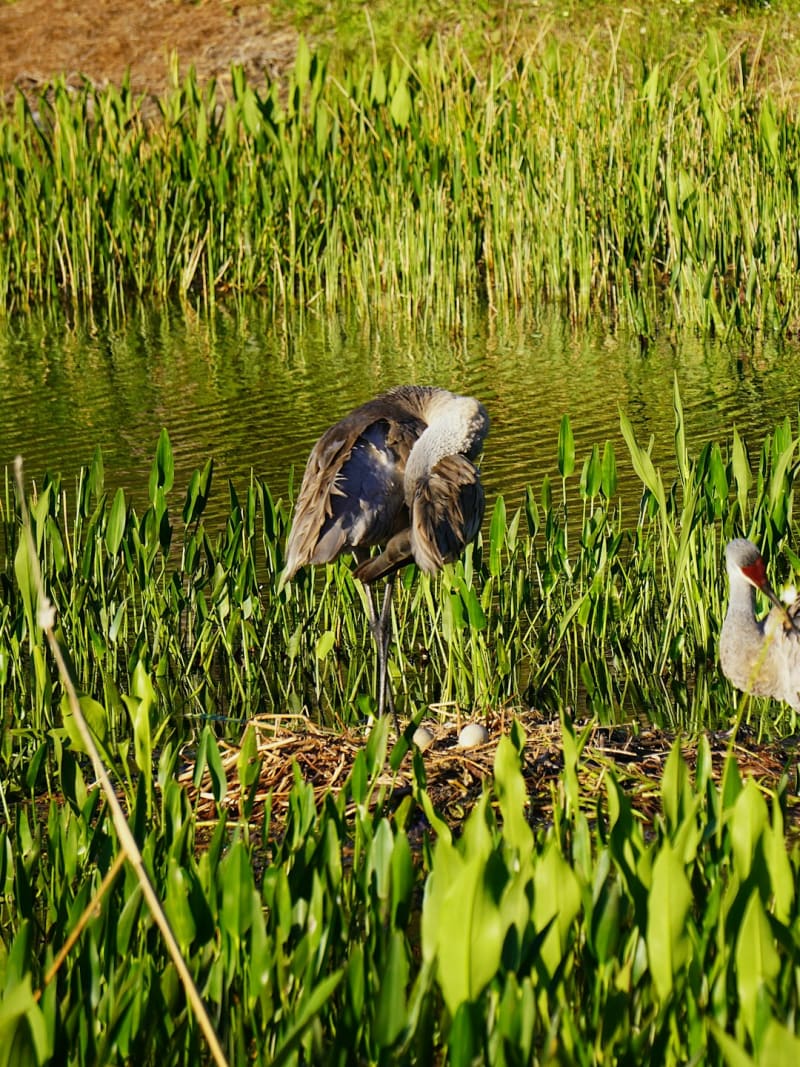
 Hula Valley
A drained-and-restored wetland in the Upper Galilee where half a billion migrating birds pass through every year, including cranes that arrive in such numbers they turn the winter sky grey.
Explore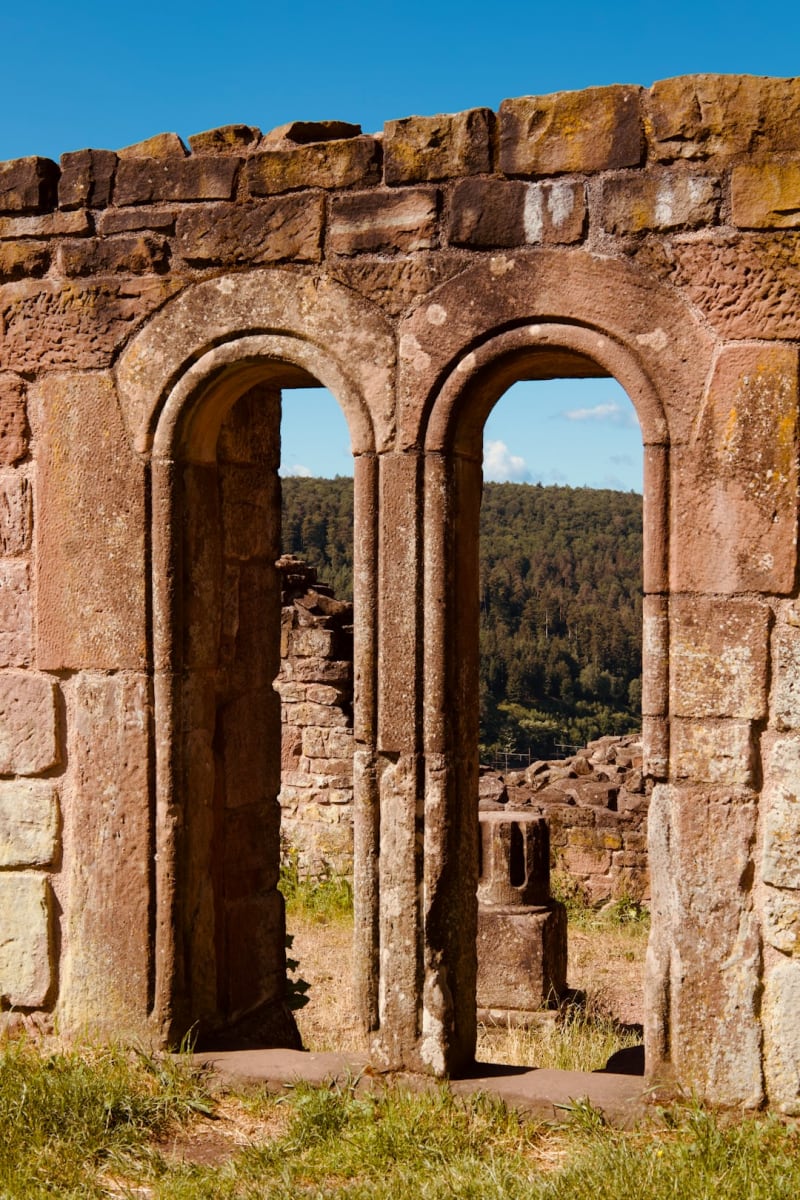 galilee
 Jish
A mixed Maronite and Melkite Christian village in the Upper Galilee hills, built over the ruins of ancient Gush Halav, where an unrestored Roman-era synagogue sits quietly in an olive grove.
Explore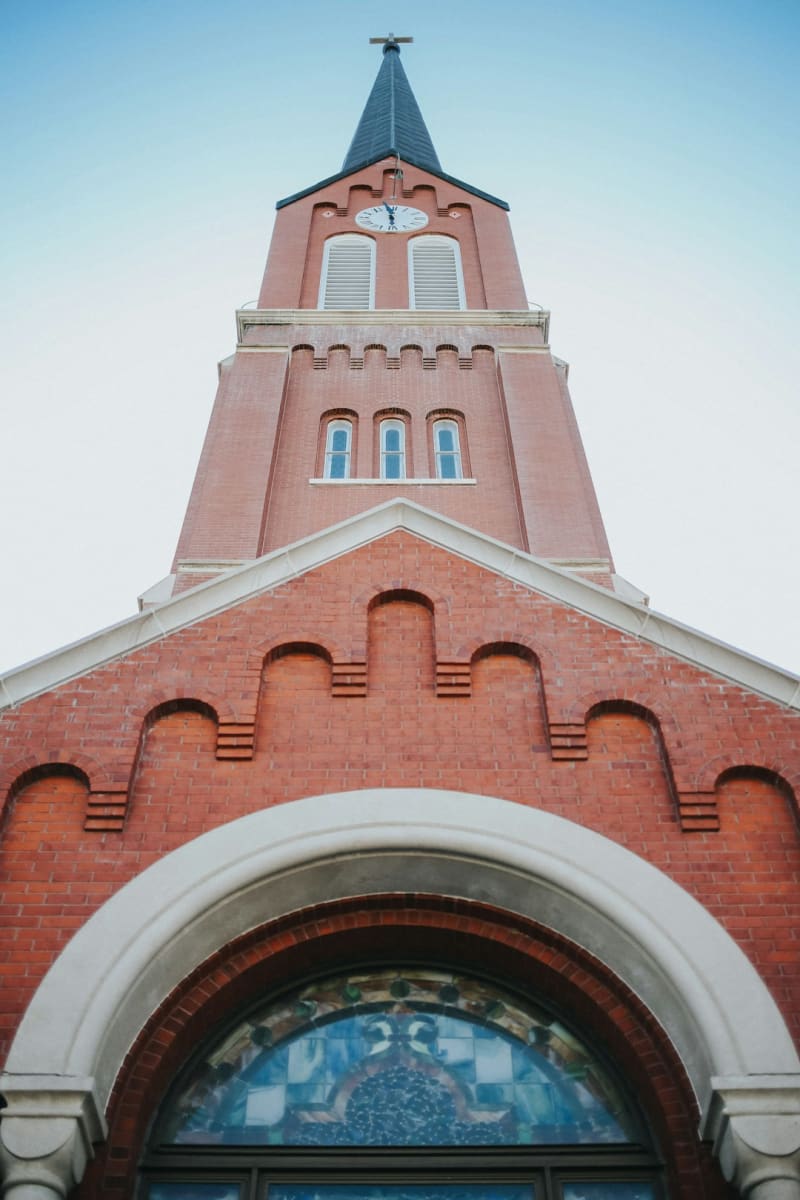 galilee
 Kfar Cana
The Arab town identified since Byzantine times as the site of the wedding at Cana, where couples from across the Christian world renew their vows in a modest stone church a few streets from a busy market.
Explore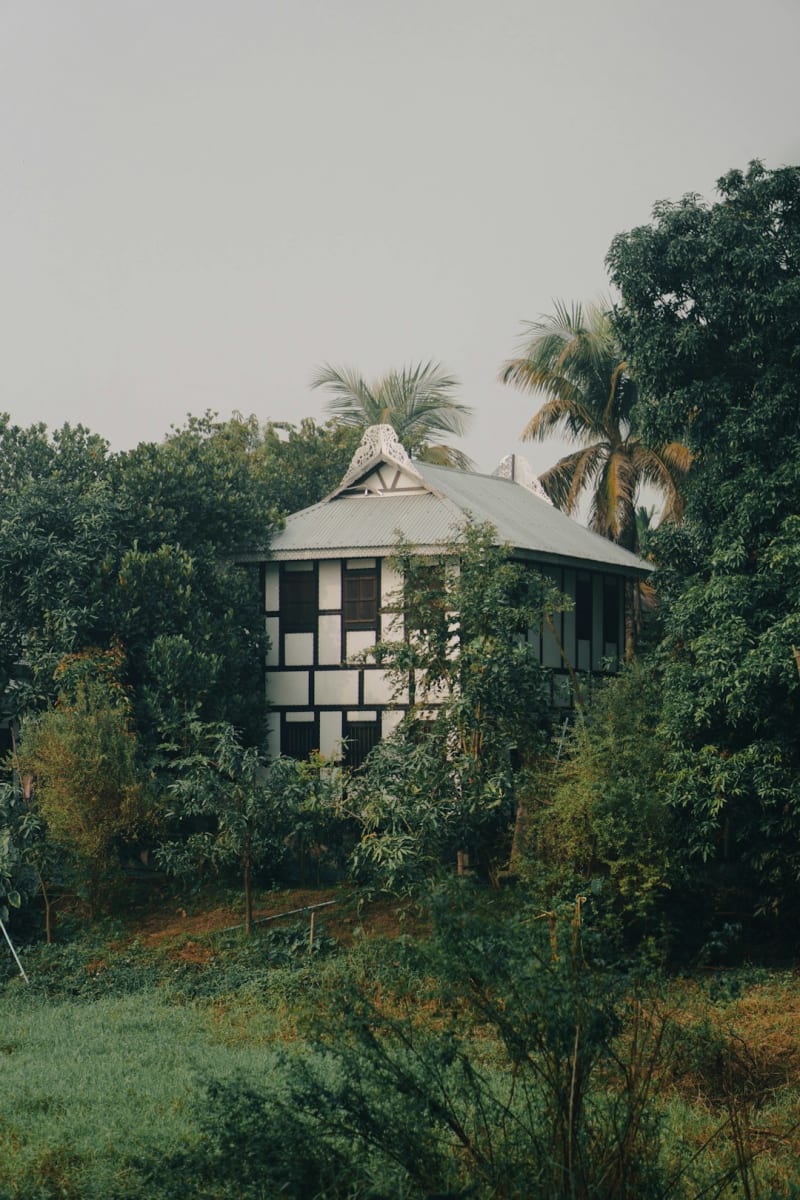 galilee
 Kfar Kama
A Circassian village in the Lower Galilee, founded by refugees from the Caucasus in the 1870s, where a small heritage museum and a restaurant serving cheese pies keep an unlikely diaspora's culture visible.
Explore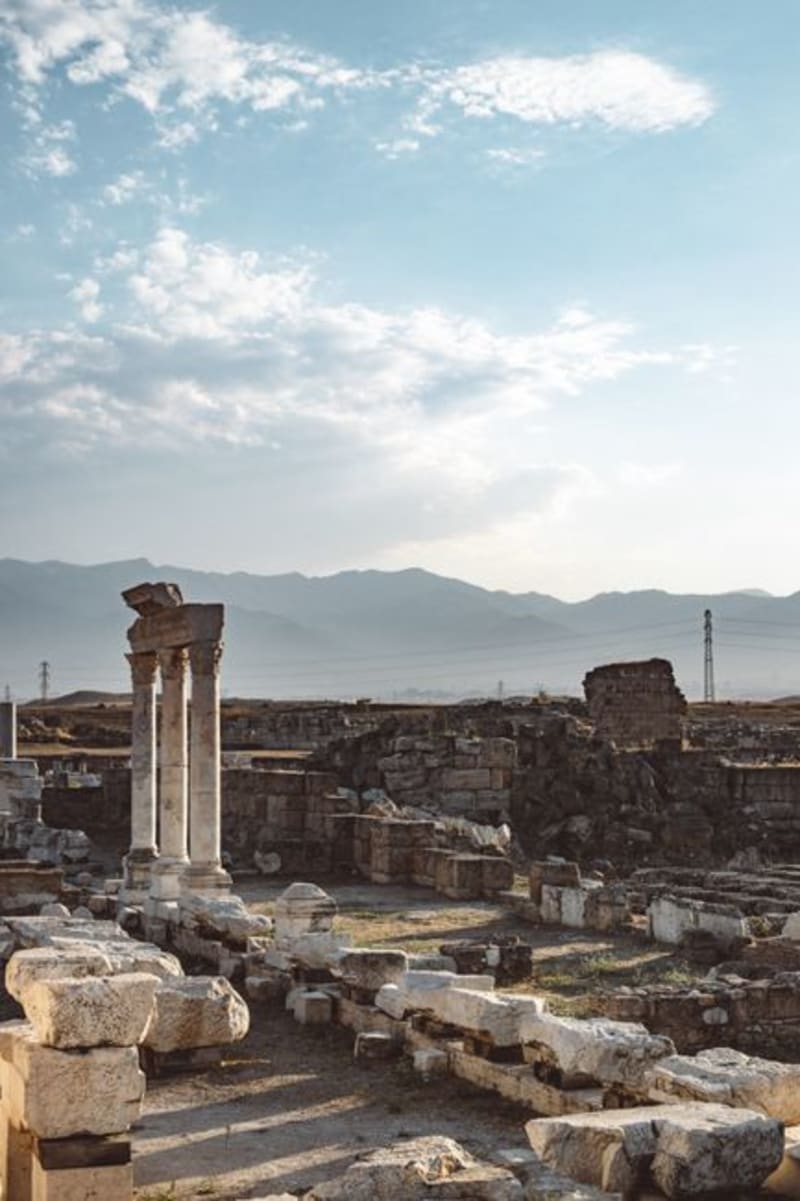 galilee
 Kursi
The ruins of a Byzantine monastery on the Sea of Galilee's eastern shore, built to mark the spot where a herd of swine reportedly ran into the water, now a quiet basalt courtyard that almost nobody stops for.
Explore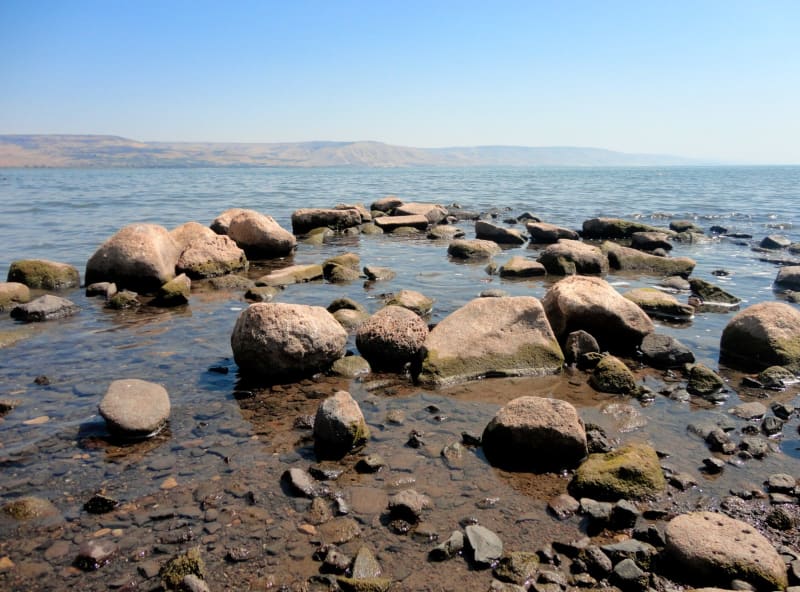 galilee
 Magdala
A first-century fishing town being excavated on the western shore of the Sea of Galilee, where a single intact synagogue mosaic stopped archaeologists in their tracks.
Explore