Middle East
Galilee
"The place where the sacred and the ordinary share the same road."
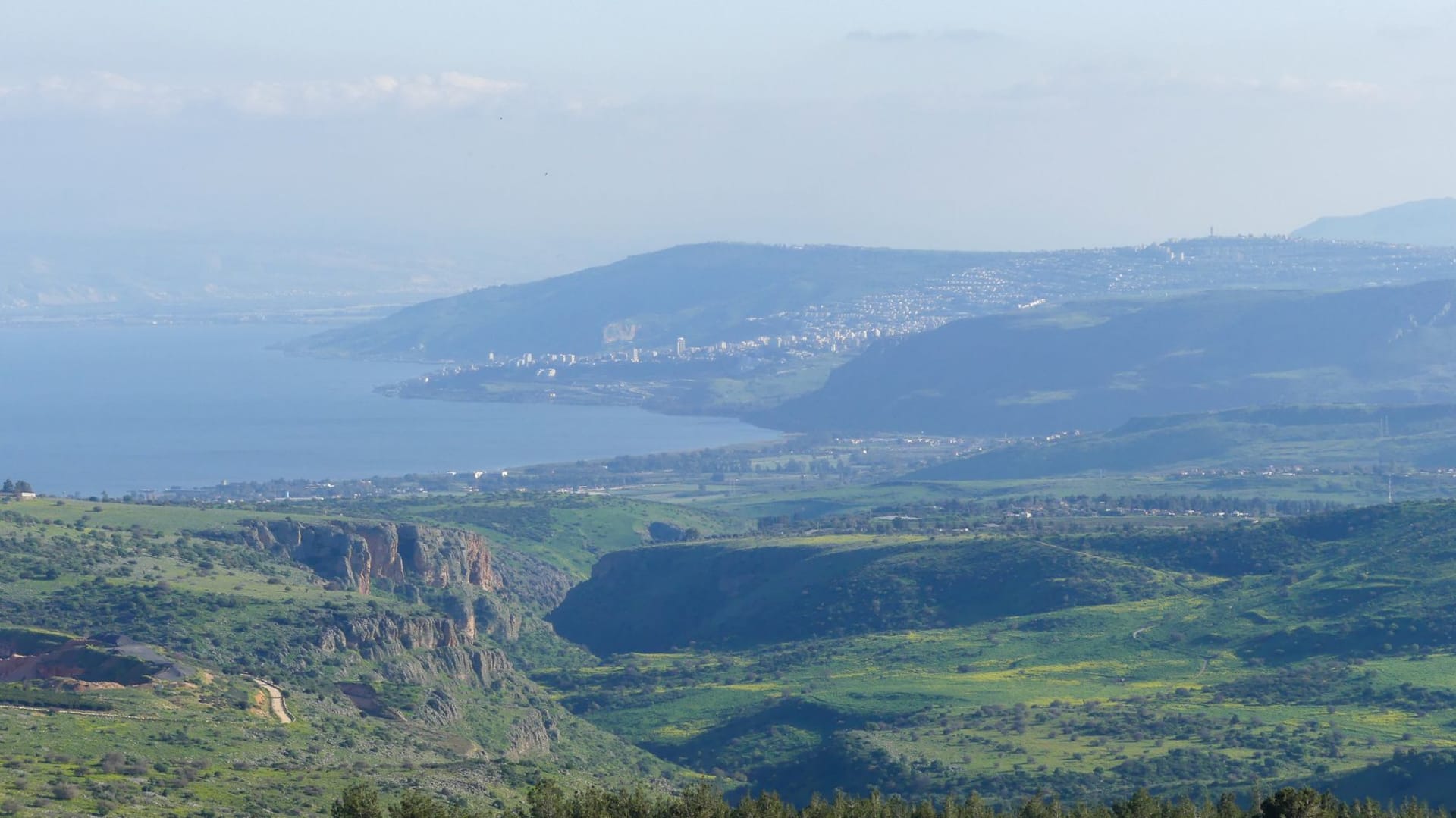
A green corner of the Middle East where fishermen's villages still ring an ancient lake and every hillside carries two thousand years of accumulated meaning.

I arrived at the Sea of Galilee in the late afternoon, when the light turns the water a flat, burnished copper. There is no dramatic entrance, no grand approach — just a road that curves down through the hills and suddenly you are at the edge of this modest inland lake, a body of water smaller than many French reservoirs, ringed by banana plantations and eucalyptus groves and the occasional church dome catching the last of the sun. Kinneret, Israelis call it. The name fits better than the one the tourists bring with them. It is quieter than the name Sea of Galilee suggests. More intimate. And somehow that intimacy makes the weight of the place hit harder.
Tiberias is the main town on the lake and largely missable, but it is the gateway to everything worth reaching. North along the water is Capernaum, where the ruins of a first-century synagogue sit beneath an elevated modern church — the architecture is surreal, the juxtaposition honest — and black basalt fishing village walls still trace their ancient grid into the grass. West of here the hills climb into what Israelis call the Lower Galilee, and this is where the landscape earns its reputation: olive groves in every direction, the smell of sage and wild thyme crushed underfoot, Arab villages with enormous family restaurants where the mezze arrives in fourteen small plates and nobody asks if you want more. You eat the way the region eats — slowly, collectively, without a menu. In a place like Nazareth, which most pilgrims treat as a transit point, the Old City market on a Thursday morning is a proper market: spice sacks, citrus stacked in pyramids, the Arabic of vendors negotiating with the Hebrew of buyers, the smell of ka’ak bread fresh from the oven. I stayed two hours and bought nothing except a bag of za’atar that lasted me three months in Mexico.
The Upper Galilee near Safed changes register entirely. The town clings to a mountaintop and has been a center of Jewish mysticism since the sixteenth century. The old artists’ quarter is a warren of stone passages and blue-painted doors, galleries in what were once tanneries and wool merchants’ workshops. The light at altitude is different — sharper, more northern — and in the early morning, before the tour groups arrive, you can walk the narrow streets in a stillness that makes the mystical reputation feel less like marketing and more like observation.
When to go: October to April is ideal — the hills are green, temperatures are mild, and the lake is at its most atmospheric. July and August bring punishing heat and crowds around the water. March and April add wildflowers across the hillsides and are worth timing for if you can.
What most guides get wrong: They treat Galilee as a day trip from Tel Aviv or Jerusalem, racing through Capernaum and Nazareth and ticking the biblical sites like a checklist. But the place rewards slowness more than almost anywhere I know. Sleep on the lake. Eat in Nazareth’s Old City without a reservation. Drive the back roads through Arab villages in the afternoon. The spiritual dimension people come looking for is not in the shrines — it is in the unhurried quality of life that still exists here, just off the main road.
Explore
Places in Galilee
 galilee
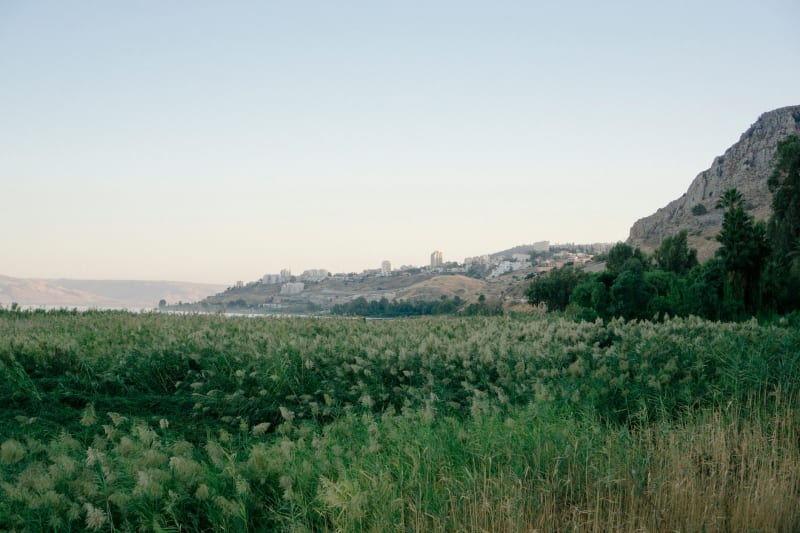
 Acre
A Crusader port city where the underground halls go five stories deep and the hummus has been making people argue about the best bowl in Israel for decades.
Explore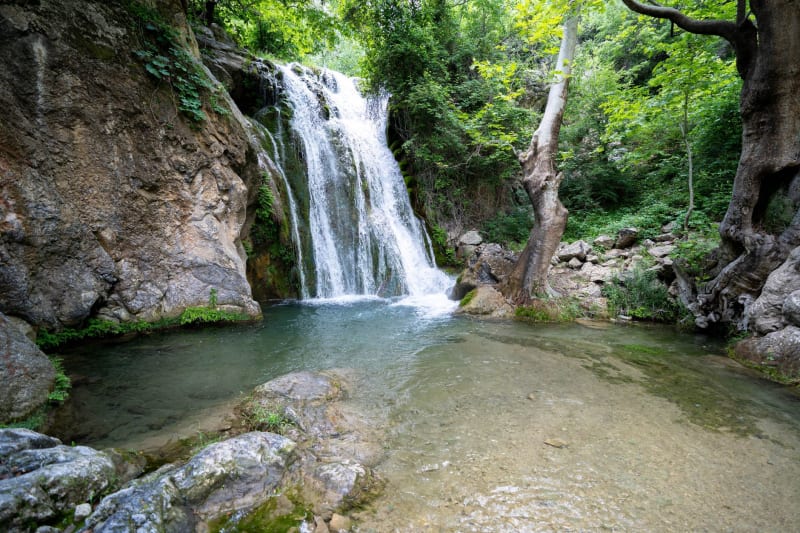 galilee
 Banias
A lush canyon at the foot of Mount Hermon where ancient springs, a Greek god's grotto, and the loudest waterfall in the Galilee all compete for your attention.
Explore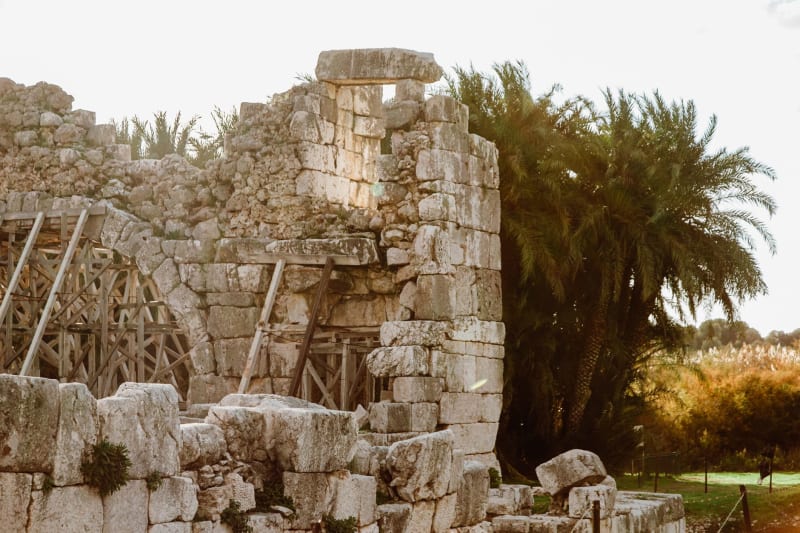 galilee
 Capernaum
A ruined first-century fishing village on the lake's northern shore where black basalt walls still trace their grid into the grass.
Explore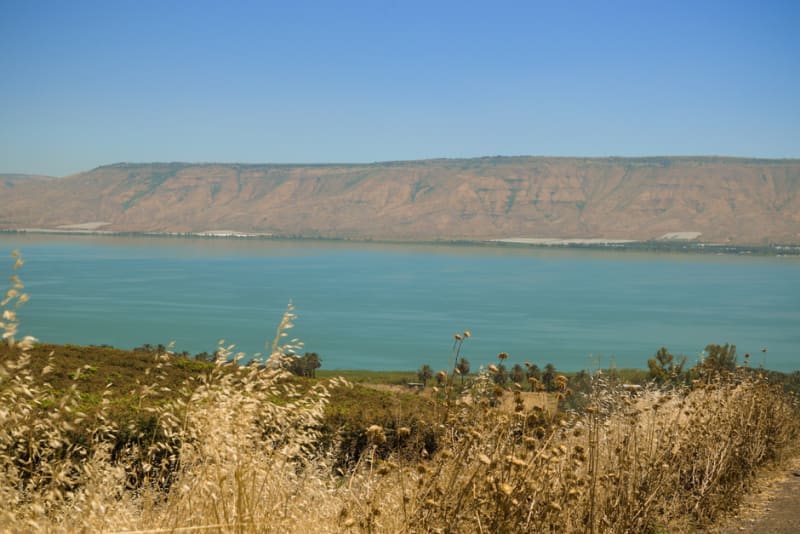 galilee
 Ginosar
A lakeside kibbutz on the Sea of Galilee's northwest shore where a 2,000-year-old fishing boat, pulled whole from the mud during a drought, sits behind glass a few steps from the water that buried it.
Explore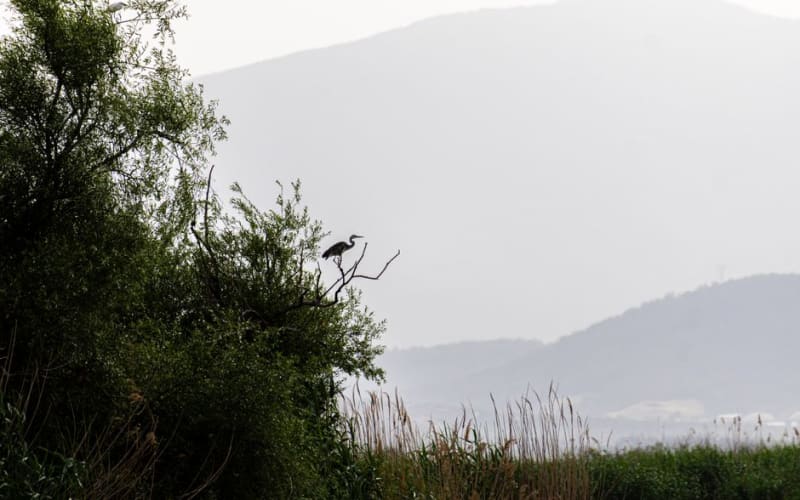 galilee
 Hula Valley
A drained-and-restored wetland in the Upper Galilee where half a billion migrating birds pass through every year, including cranes that arrive in such numbers they turn the winter sky grey.
Explore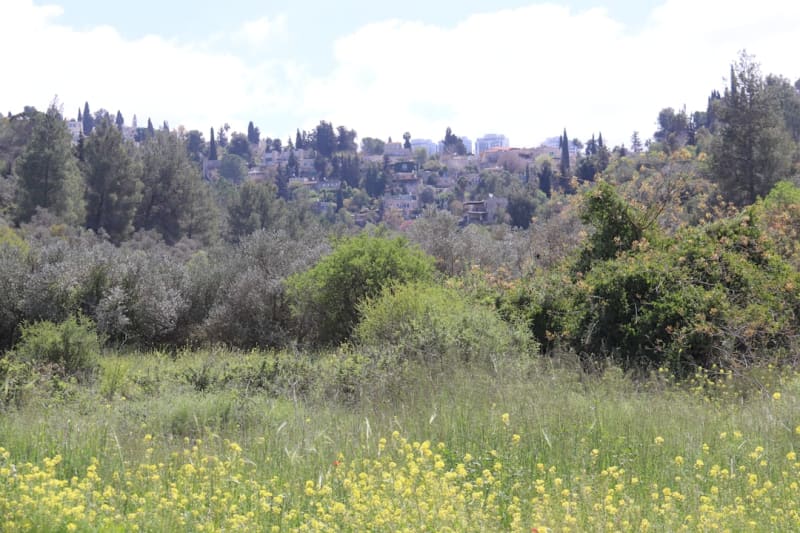 galilee
 Jish
A mixed Maronite and Melkite Christian village in the Upper Galilee hills, built over the ruins of ancient Gush Halav, where an unrestored Roman-era synagogue sits quietly in an olive grove.
Explore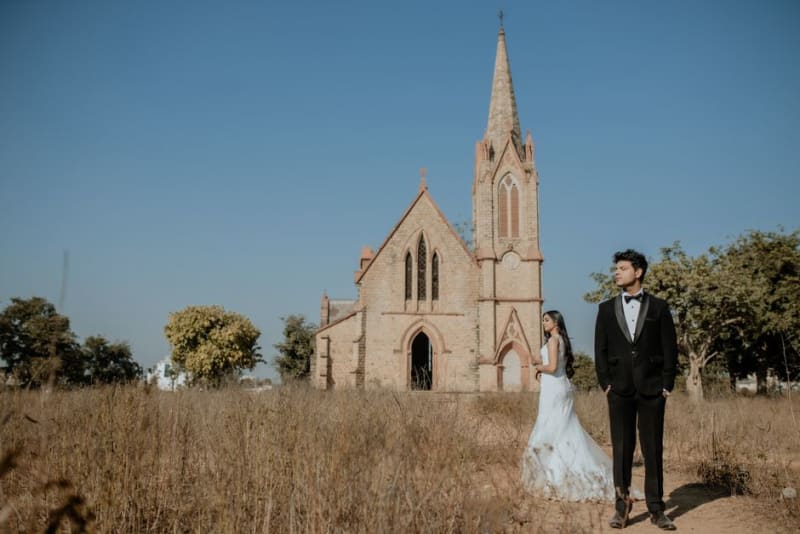 galilee
 Kfar Cana
The Arab town identified since Byzantine times as the site of the wedding at Cana, where couples from across the Christian world renew their vows in a modest stone church a few streets from a busy market.
Explore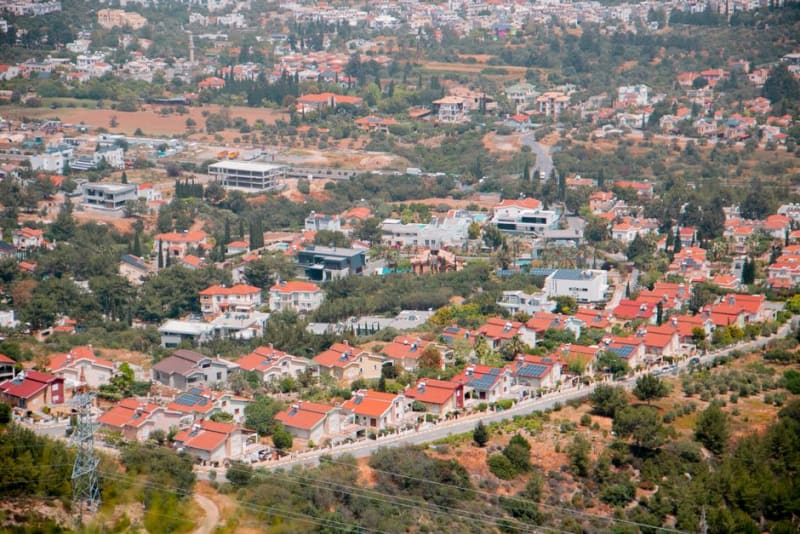 galilee
 Kfar Kama
A Circassian village in the Lower Galilee, founded by refugees from the Caucasus in the 1870s, where a small heritage museum and a restaurant serving cheese pies keep an unlikely diaspora's culture visible.
Explore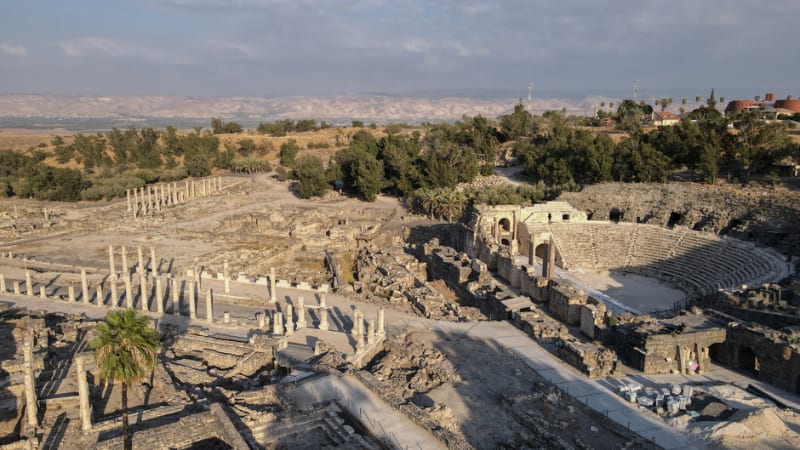 galilee
 Kursi
The ruins of a Byzantine monastery on the Sea of Galilee's eastern shore, built to mark the spot where a herd of swine reportedly ran into the water, now a quiet basalt courtyard that almost nobody stops for.
Explore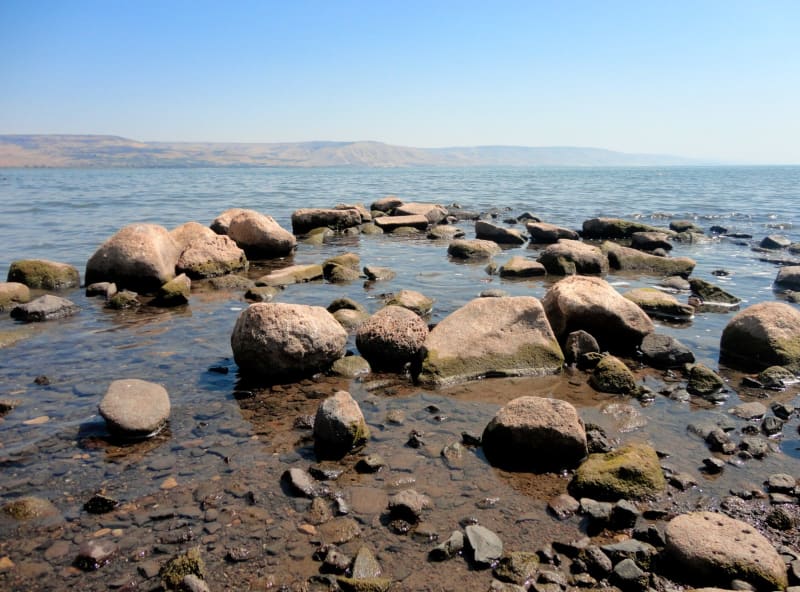 galilee
 Magdala
A first-century fishing town being excavated on the western shore of the Sea of Galilee, where a single intact synagogue mosaic stopped archaeologists in their tracks.
Explore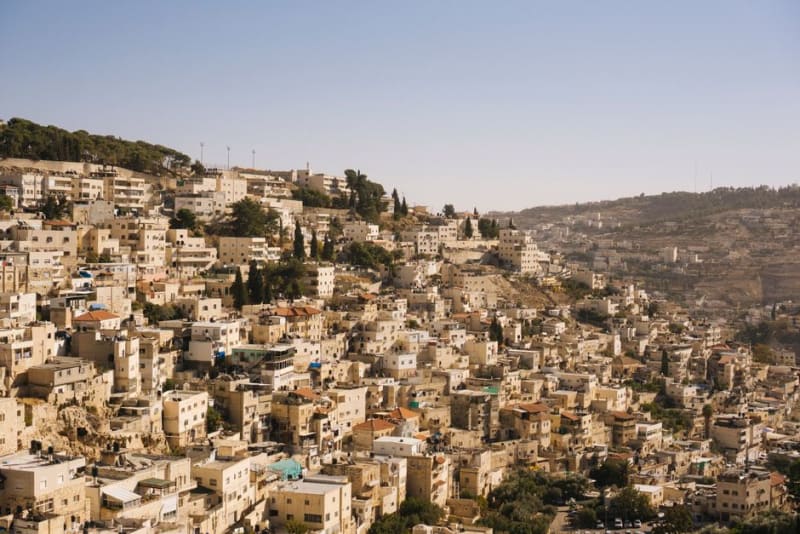 galilee
 Metula
Israel's northernmost town, a single tidy street pressed right against the Lebanese border, with an unexpectedly lush canyon trail and waterfall a short walk from front porches that look straight into another country.
Explore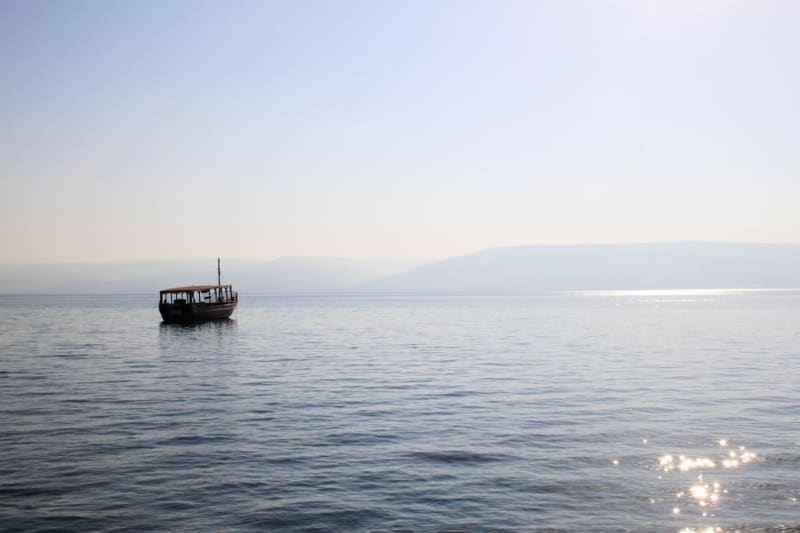 galilee
 Mount Arbel
A sheer cliff above the Sea of Galilee riddled with cave fortresses cut into the rock face, reached by an iron ladder bolted to the stone, with the best single view of the whole lake at the top.
Explore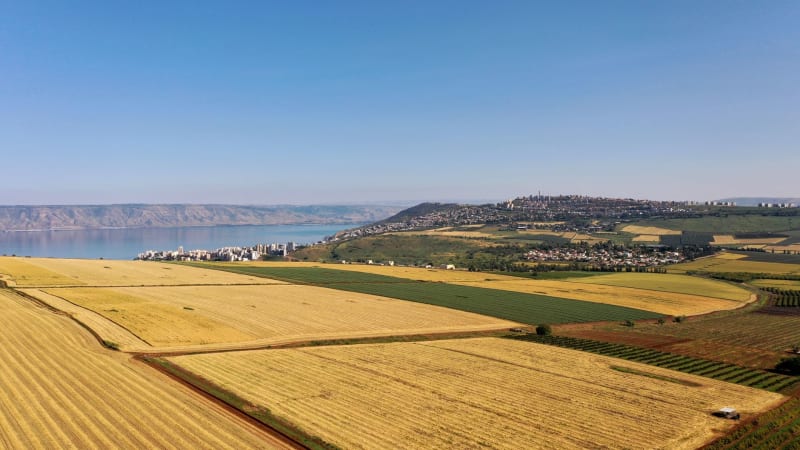 galilee
 Mount of Beatitudes
A hillside garden above the Sea of Galilee where an Italian church stands among bougainvillea and the view does most of the theology.
Explore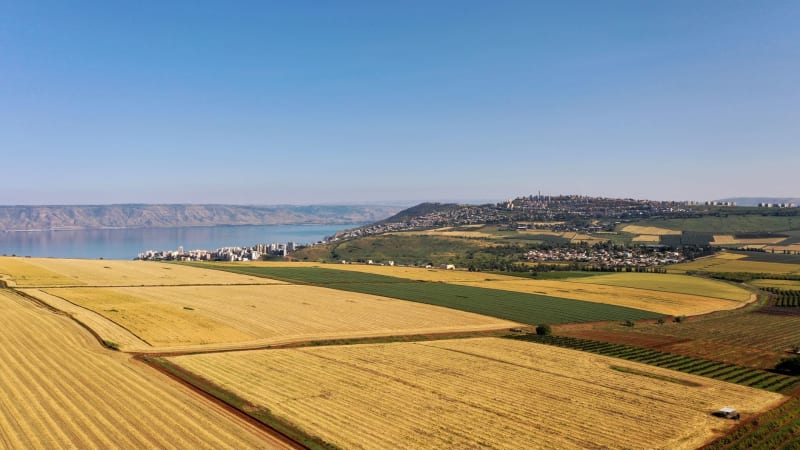 galilee
 Mount Tabor
An isolated volcanic dome rising from the Jezreel Valley floor, crowned by a basilica whose gold mosaics glow like a second sun in the afternoon light.
Explore galilee
 Nazareth
The largest Arab city in Israel, where za'atar, church bells, and the call to prayer arrive in the same breath.
Explore galilee
 Peki'in
A Druze village in the Upper Galilee hills that claims an unbroken Jewish presence stretching back to before the Roman exile, centered on an ancient synagogue and a cave associated with a famous rabbi.
Explore