
North Seymour Island
"The blue-footed booby lifted one foot, then the other, with the solemn focus of someone performing a ritual whose meaning they understand completely and I do not."
A flat, windswept speck of an island where blue-footed boobies dance for mates two feet from the trail and male frigates inflate scarlet throat pouches the size of balloons.

North Seymour is a forty-five minute boat ride from Santa Cruz, small enough to walk a circuit of it in an hour, and so densely colonised by seabirds that the trail markings are somewhat optimistic suggestions rather than actual constraints on your movement. The island sits just north of Baltra and catches the same upwelling cold water that funnels fish up from the deep — which is the explanation, ultimately, for everything that happens here. The birds are here because the fish are here. The fish are here because the cold is here. The cold is here because the Humboldt Current pushes up against the western and southern flanks of the archipelago, and the Cromwell Current wells up from below. Once you understand the machinery, the abundance makes a different kind of sense.
The blue-footed booby courtship display is one of those wildlife spectacles that has been photographed so many millions of times that you think you know what it will feel like. Then you are standing two metres from a male and he begins, and it turns out that photographs do not convey the combination of commitment and biological sincerity with which he lifts first one turquoise foot, then the other, spreads his wings, throws his bill skyward, and whistles with what I can only describe as earnestness. It is both slightly absurd and completely moving. The female stands nearby assessing him with the patience and rigour of someone who understands that the quality of parenting correlates with the brightness of the feet and is therefore not about to settle.

Magnificent frigate birds nest in the low saltbush and palo santo trees that run along the interior of the trail, and during breeding season the males inflate their gular pouches — those scarlet bladders of skin beneath the throat — to extraordinary sizes, the skin stretched and trembling, pulsing with effort. They hold this inflation while calling with a drumming, rattling sound and spreading their wings to frame the display. The females fly overhead, inspecting options, and occasionally land. The whole spectacle has the theatrical ambition of something designed to be seen from a distance and the biological urgency of something that cannot afford to fail.
Nesting chicks are visible from the trail at various stages of development throughout much of the year — white and downy in the saltbush, regarding you with the complete equanimity of creatures that have never been given any reason to fear. Juvenile boobies with their dark brown colouring sit on nest rocks and get fed by parents returning from fishing expeditions offshore, the transfer happening with an efficiency that makes the apparent absurdity of the adult’s feet seem, in context, entirely purposeful.

The sea lions of North Seymour have claimed the landing beach and operate it with the casual authority I encountered at every Galápagos beach but somehow felt most concentrated here, perhaps because there is nothing else to look at while you are waiting to disembark and the juvenile males practising combat in the shallows offer a kind of pre-visit entertainment that nothing else in the archipelago provides. By the time you step onto the island you have already spent twenty minutes watching animals behave with complete disregard for your presence or your schedule, and you arrive already calibrated to the island’s particular frequency.
When to go: North Seymour is accessible year-round as a half or full day trip from Santa Cruz — one of the quickest wildlife experiences available in the archipelago. Frigate bird gular pouch displays peak from June through November, the cold season. Blue-footed booby courtship and chick-raising happens across most of the year, with chicks most visible from roughly July through February. The landing and trail are manageable for most fitness levels, making this one of the best accessible day trips in the islands.
Keep exploring
More from Galápagos Islands
 galapagos-islands
 Plaza Sur
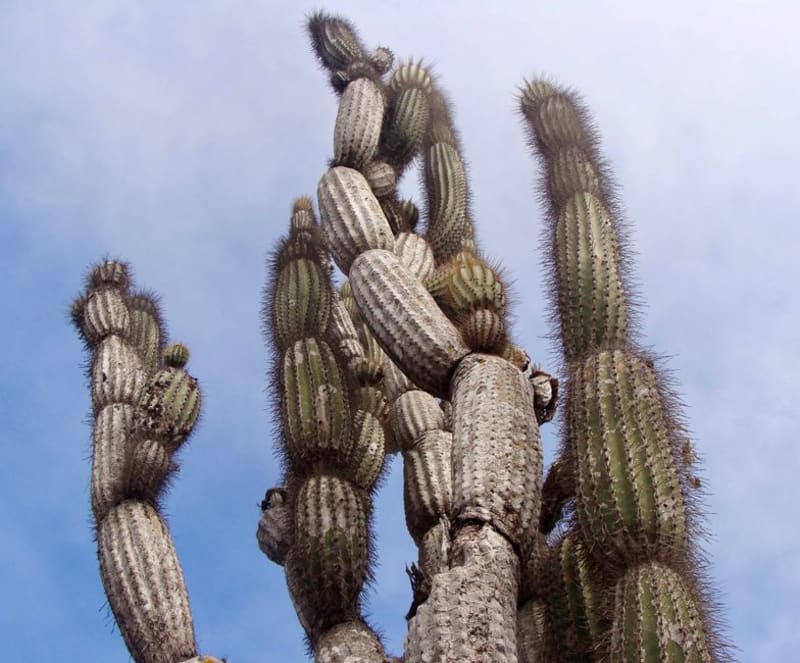
A postage-stamp islet blanketed in prickly-pear cactus and rust-red Sesuvium, patrolled by land iguanas the color of dijon mustard.
Explore galapagos-islands
 Puerto Ayora
The archipelago's unlikely capital — a waterfront town where sea lions share the fish market benches and frigate birds patrol the rooftops at dusk.
Explore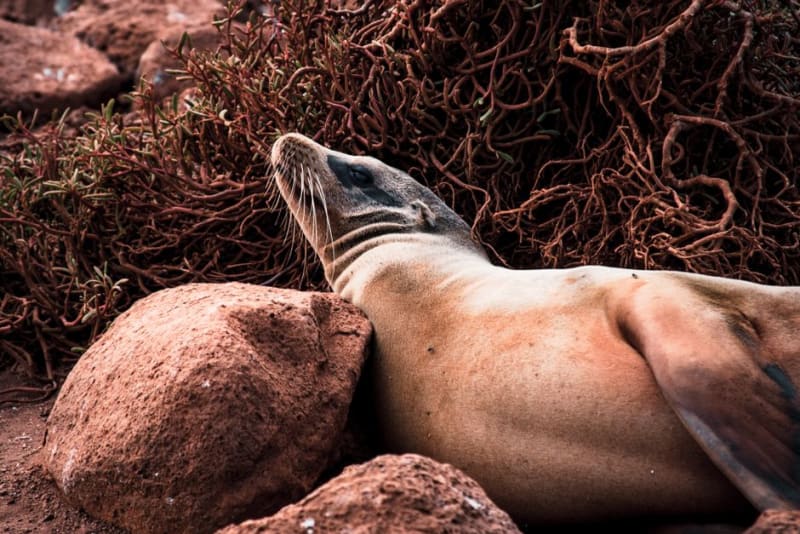 galapagos-islands
 Rabida Island
A pocket-sized island where the sand is the color of dried blood and sea lions nap in the surf like they own the place, because they do.
Explore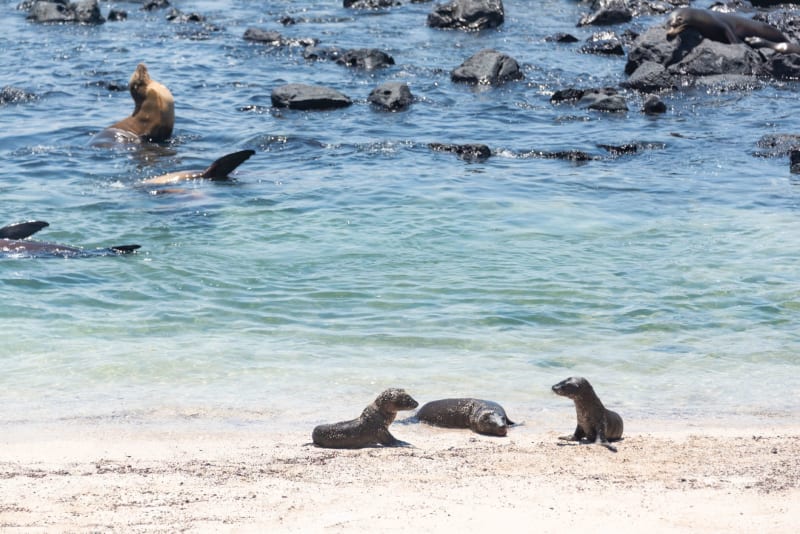 galapagos-islands
 San Cristóbal Island
The first island Darwin reached in 1835 — and the one where the sea lions have so thoroughly colonised the town dock that the boats moor around them.
Explore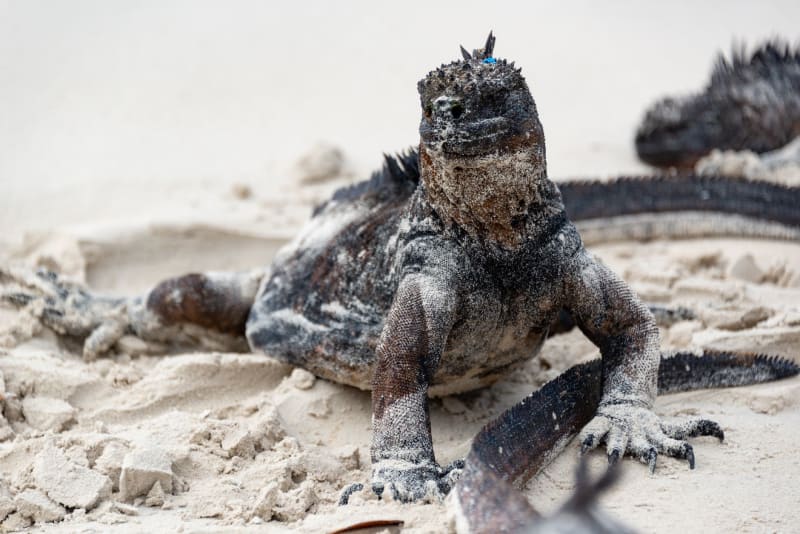 galapagos-islands
 Santa Cruz Island
The beating heart of the archipelago — where giant tortoises still roam highland farms and sea lions claim every public bench in sight.
Explore galapagos-islands
 Santiago Island
A black lava desert cut by mangrove coves, once a hideout for pirates and whalers, now home to marine iguanas and not much else.
Explore