Americas
Galápagos Islands
"The animals don't move for you here. You learn to move around them."
An archipelago where evolution is still happening in front of you — animals that have never learned to fear humans, on islands shaped by fire and sea.

I stepped off the small prop plane onto Baltra Island expecting something dramatic, something that announces itself. What I found instead was volcanic rock, a brutal midday sun, and a marine iguana sunning itself directly on the tarmac path to the terminal. Nobody moved it. The airport staff walked around it. I stood there for a moment, recalibrating everything I thought I understood about how wild animals and people coexist.
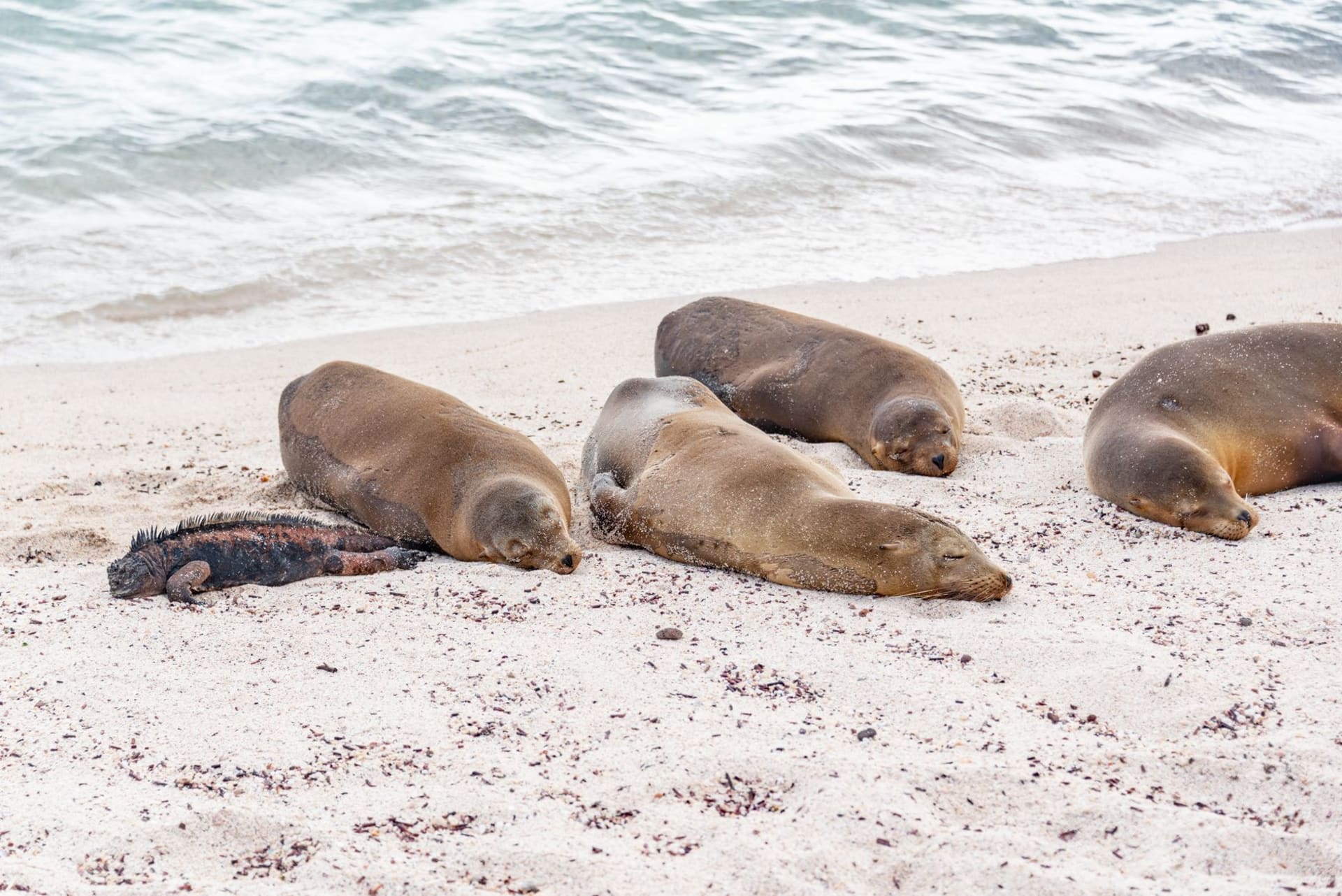
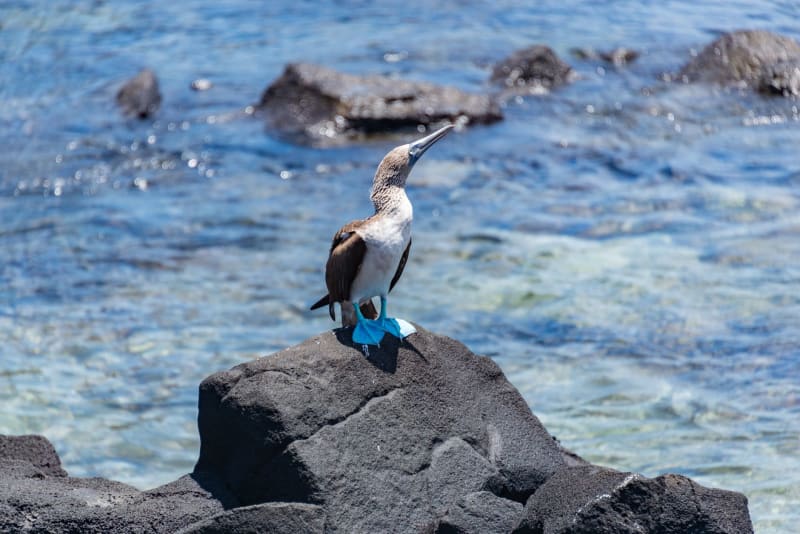
That recalibration never stops in the Galápagos. On Santa Cruz, the main inhabited island, sea lions sprawl across the benches of the fish market in Puerto Ayora like they pay rent. Blue-footed boobies perform their absurd courtship dance two meters from your feet and do not pause when you laugh. On Española Island, Nazca boobies nest in the middle of the walking trail and you have to step carefully around eggs that sit on bare rock, the parents regarding you with mild curiosity and zero alarm. Darwin spent five weeks here and came back with the framework for a theory that reorganized biology. I spent ten days and came back unable to fully explain what I had witnessed to anyone who hadn’t been.
The snorkeling is where everything goes sideways in the best possible way. In the water off Kicker Rock near San Cristóbal, hammerhead sharks move through the blue below you in slow circuits, and Galápagos sea lions torpedo past your mask to play. The water runs cold — the Humboldt Current keeps it between 18 and 24 degrees depending on season — and that cold drives the entire food chain. Giant Pacific green turtles drift below you without urgency. You look up and a pelican hits the surface ten meters away like a thrown javelin. There is nothing meditative about it. It is overwhelming and alive in every direction at once.
When to go: June through December brings the Garúa season — misty, cooler, with stronger currents that attract more marine life and make for the best diving and snorkeling. January through May is warmer and drier with calmer seas, better for first-time snorkelers and families. Sea turtle nesting peaks December through March. Blue-footed booby chick season runs roughly May through August. There is no bad time, only different emphases.
What most guides get wrong: They present the Galápagos as a bucket-list checkbox — something you do once, reverently, expensively, and cross off. What they miss is that the experience scales with how much time and curiosity you bring. The budget option of basing yourself on Santa Cruz or San Cristóbal and doing day trips by boat is legitimate and often underrated. The famous liveaboard cruises cover more islands but you spend a lot of time moving between them. The animals are extraordinary everywhere — not just on the remote islands that cost three times more to reach. Spend three days at Los Túneles off Isabela Island and you will see whale sharks, seahorses, and manta rays in a landscape that looks like a collapsed cathedral of black lava. It costs a fraction of a full cruise and nothing about it is second-rate.
Explore
Places in Galápagos Islands
 galapagos-islands
 Bartolomé Island
A volcanic moonscape centered on Pinnacle Rock — the most photographed formation in the archipelago, and the only place you can swim with Galápagos penguins at close range.
Explore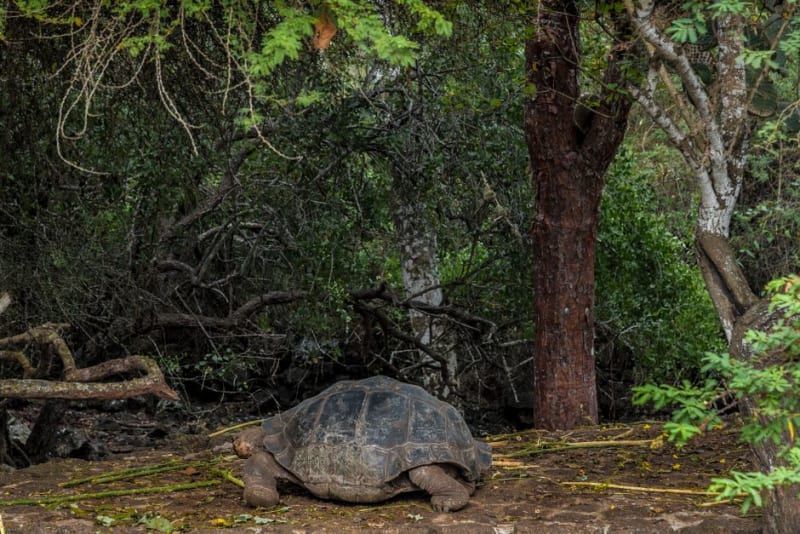 galapagos-islands
 Darwin Island
A remote northern speck reachable only by liveaboard dive boat, where hammerhead sharks circle in schools thick enough to blot out the sun.
Explore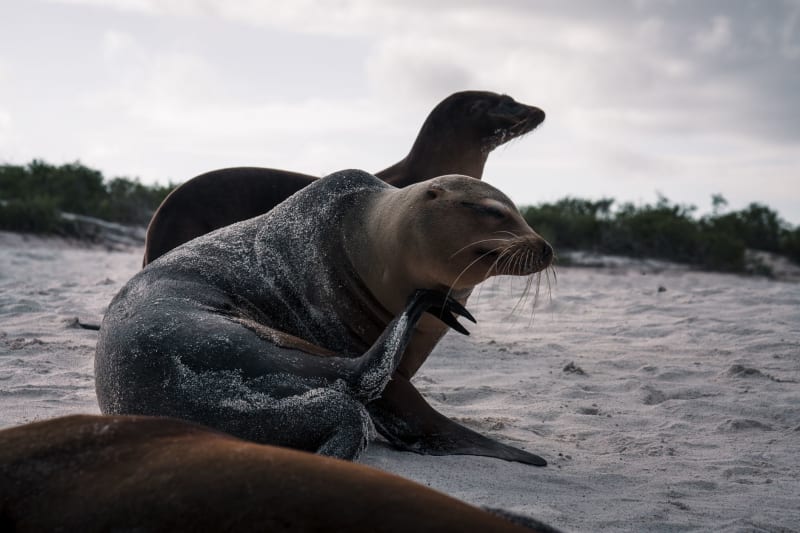 galapagos-islands
 Española Island
The archipelago's southernmost edge, where waved albatrosses perform their strange courtship ballet and cliffs drop into a blowhole that fires spray forty metres into the sky.
Explore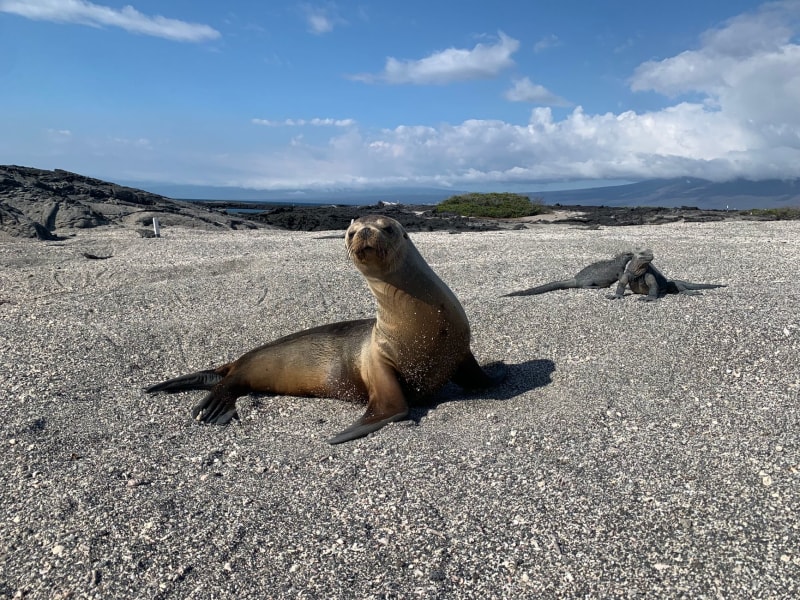 galapagos-islands
 Fernandina Island
The youngest and most pristine island in the archipelago — a still-active shield volcano ringed by marine iguana colonies so dense they look like the lava itself has come alive.
Explore galapagos-islands
 Floreana Island
The most storied island in the archipelago — a place of flamingo lagoons, a 200-year-old postal barrel, and a mystery involving the disappearance of a self-declared countess that has never been resolved.
Explore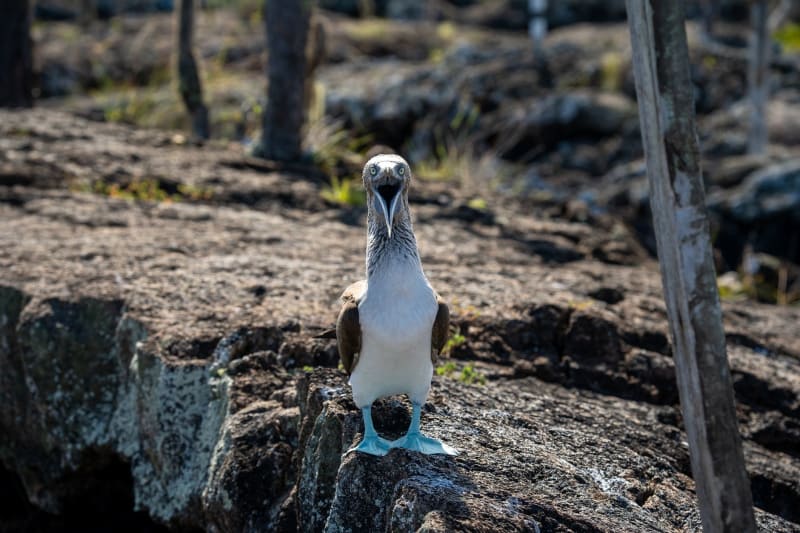 galapagos-islands
 Genovesa Island
A drowned caldera in the remote northeast of the archipelago, ringed by low cliffs and so dense with nesting seabirds that the crews simply call it the bird island.
Explore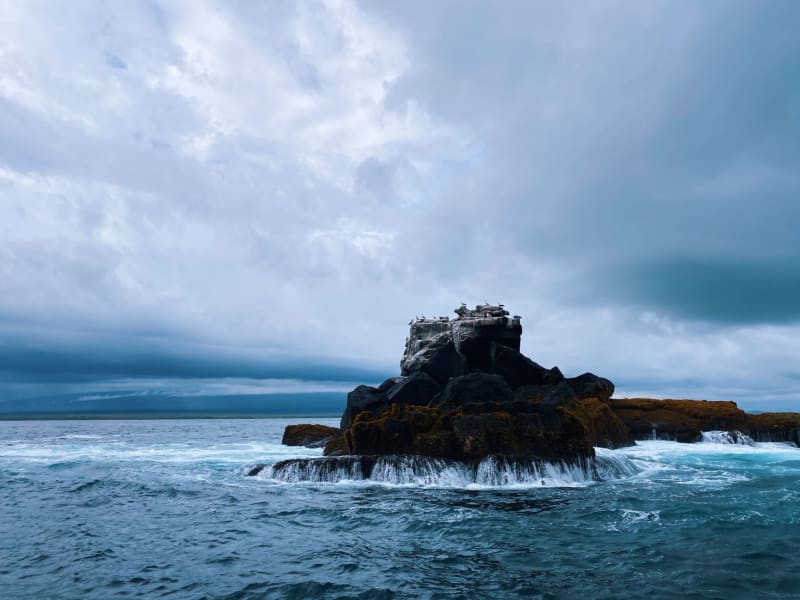 galapagos-islands
 Isabela Island
The largest island in the archipelago by a distance — five shield volcanoes fused into one mass, with flamingos in the saltwater lagoons and penguins in the equatorial shallows.
Explore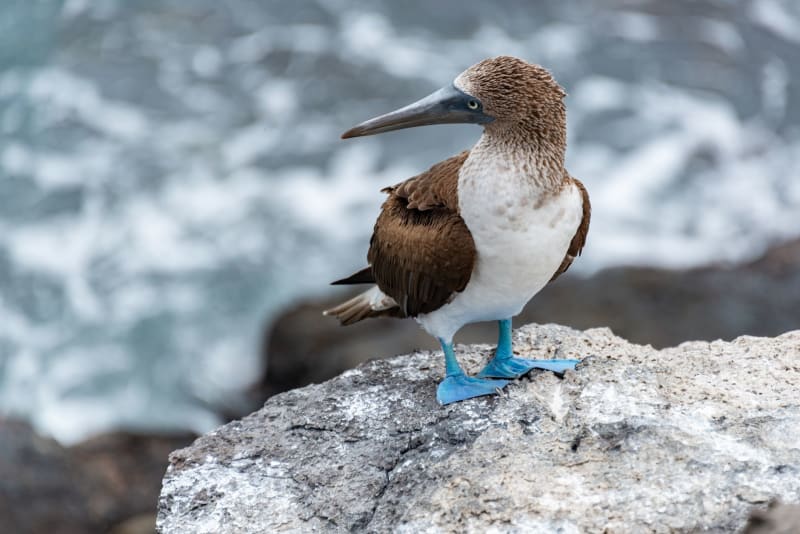 galapagos-islands
 Kicker Rock
A sheer volcanic sea stack rising from the Pacific near San Cristóbal, split by a narrow channel where hammerhead sharks patrol the blue below your fins.
Explore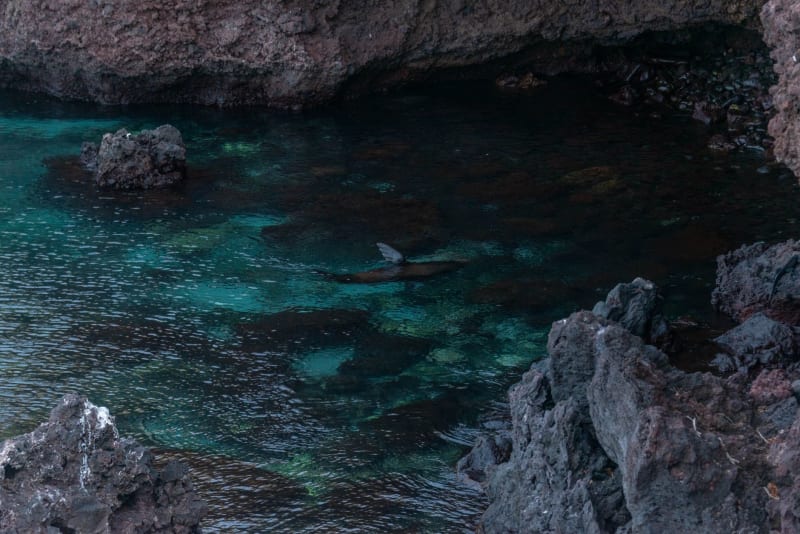 galapagos-islands
 Los Túneles
A collapsed cathedral of black lava arches off Isabela's coast, where seahorses cling to coral, manta rays bank through open water, and whale sharks cruise the deep channels.
Explore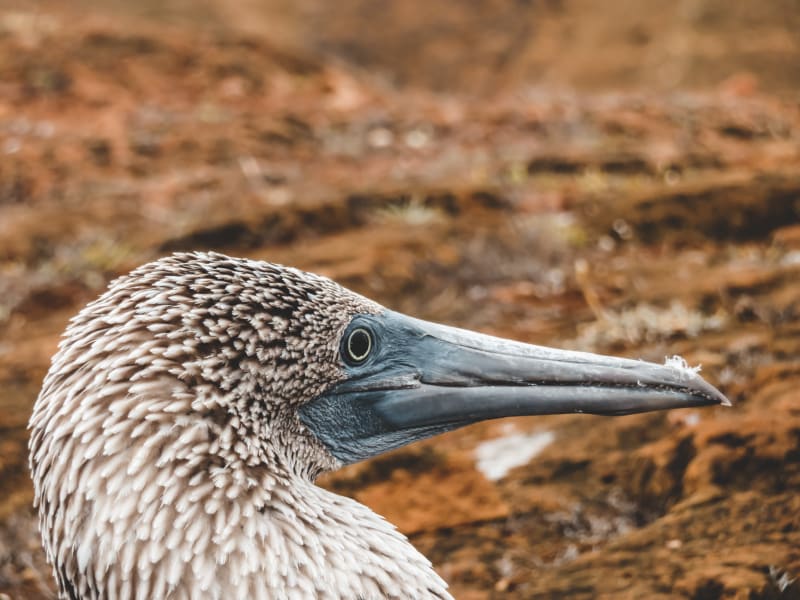 galapagos-islands
 North Seymour Island
A flat, windswept speck of an island where blue-footed boobies dance for mates two feet from the trail and male frigates inflate scarlet throat pouches the size of balloons.
Explore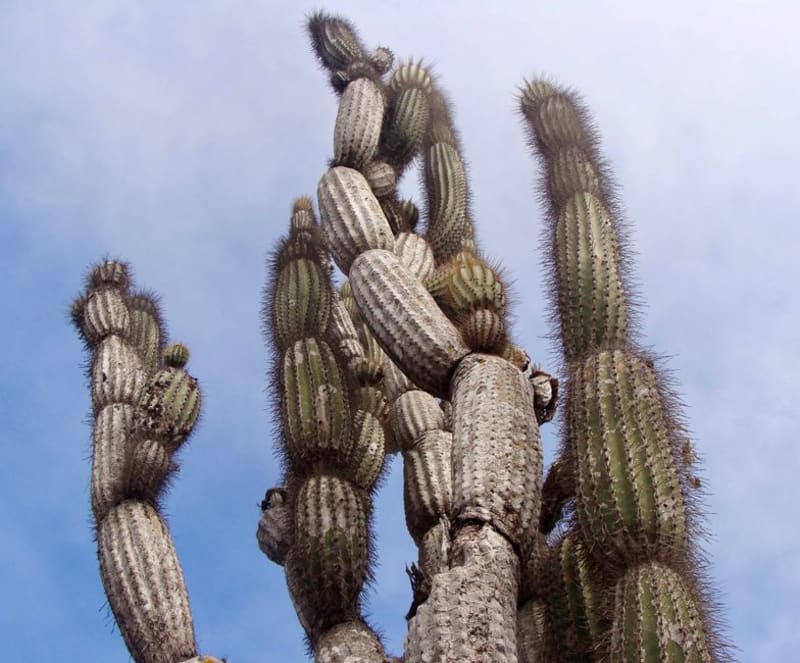 galapagos-islands
 Plaza Sur
A postage-stamp islet blanketed in prickly-pear cactus and rust-red Sesuvium, patrolled by land iguanas the color of dijon mustard.
Explore galapagos-islands
 Puerto Ayora
The archipelago's unlikely capital — a waterfront town where sea lions share the fish market benches and frigate birds patrol the rooftops at dusk.
Explore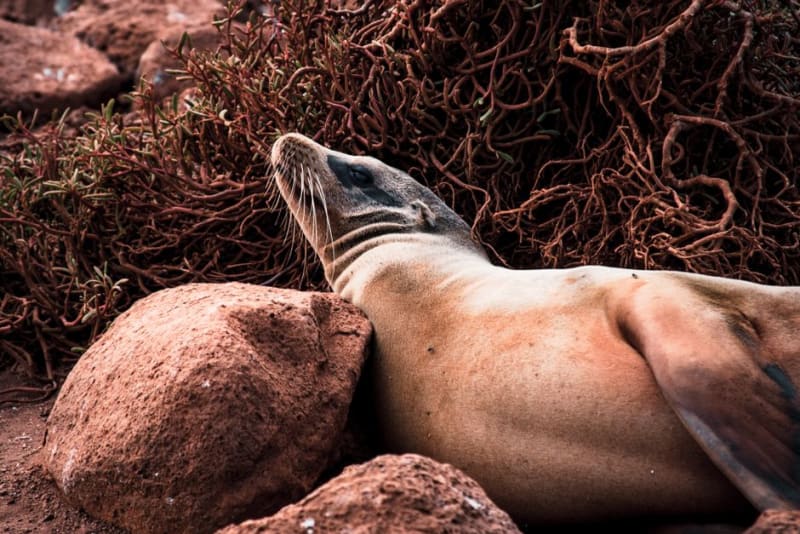 galapagos-islands
 Rabida Island
A pocket-sized island where the sand is the color of dried blood and sea lions nap in the surf like they own the place, because they do.
Explore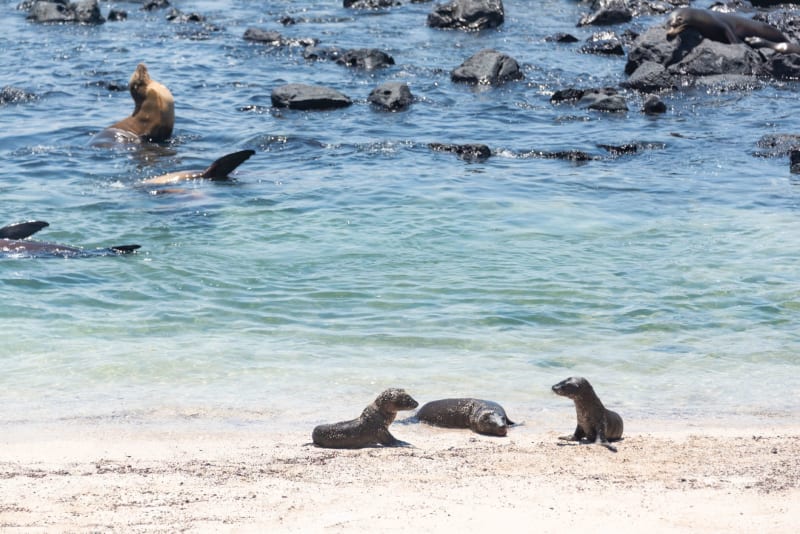 galapagos-islands
 San Cristóbal Island
The first island Darwin reached in 1835 — and the one where the sea lions have so thoroughly colonised the town dock that the boats moor around them.
Explore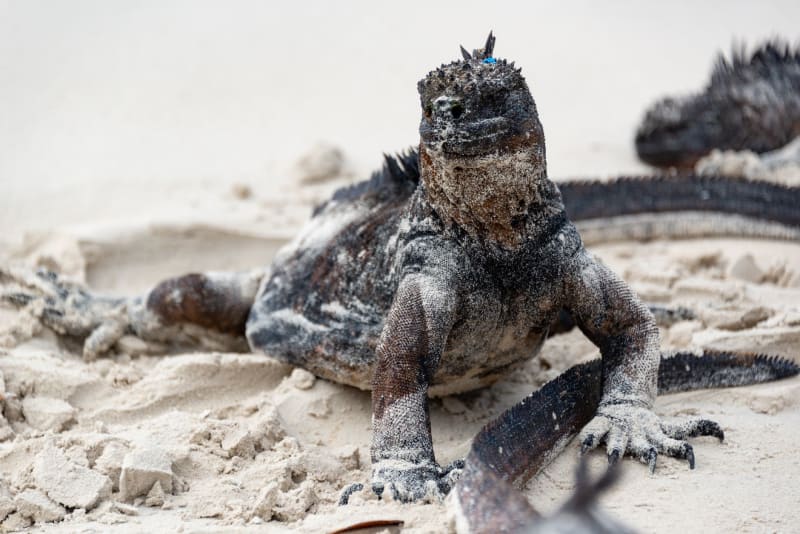 galapagos-islands
 Santa Cruz Island
The beating heart of the archipelago — where giant tortoises still roam highland farms and sea lions claim every public bench in sight.
Explore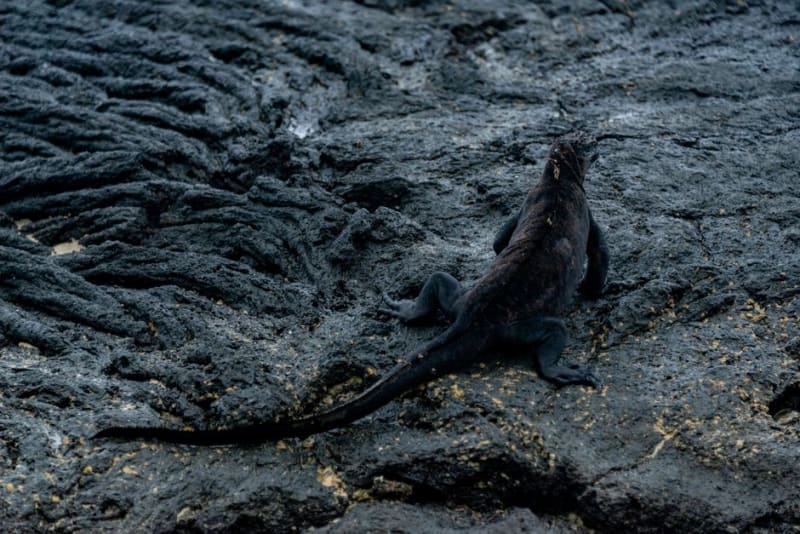 galapagos-islands
 Santiago Island
A black lava desert cut by mangrove coves, once a hideout for pirates and whalers, now home to marine iguanas and not much else.
Explore