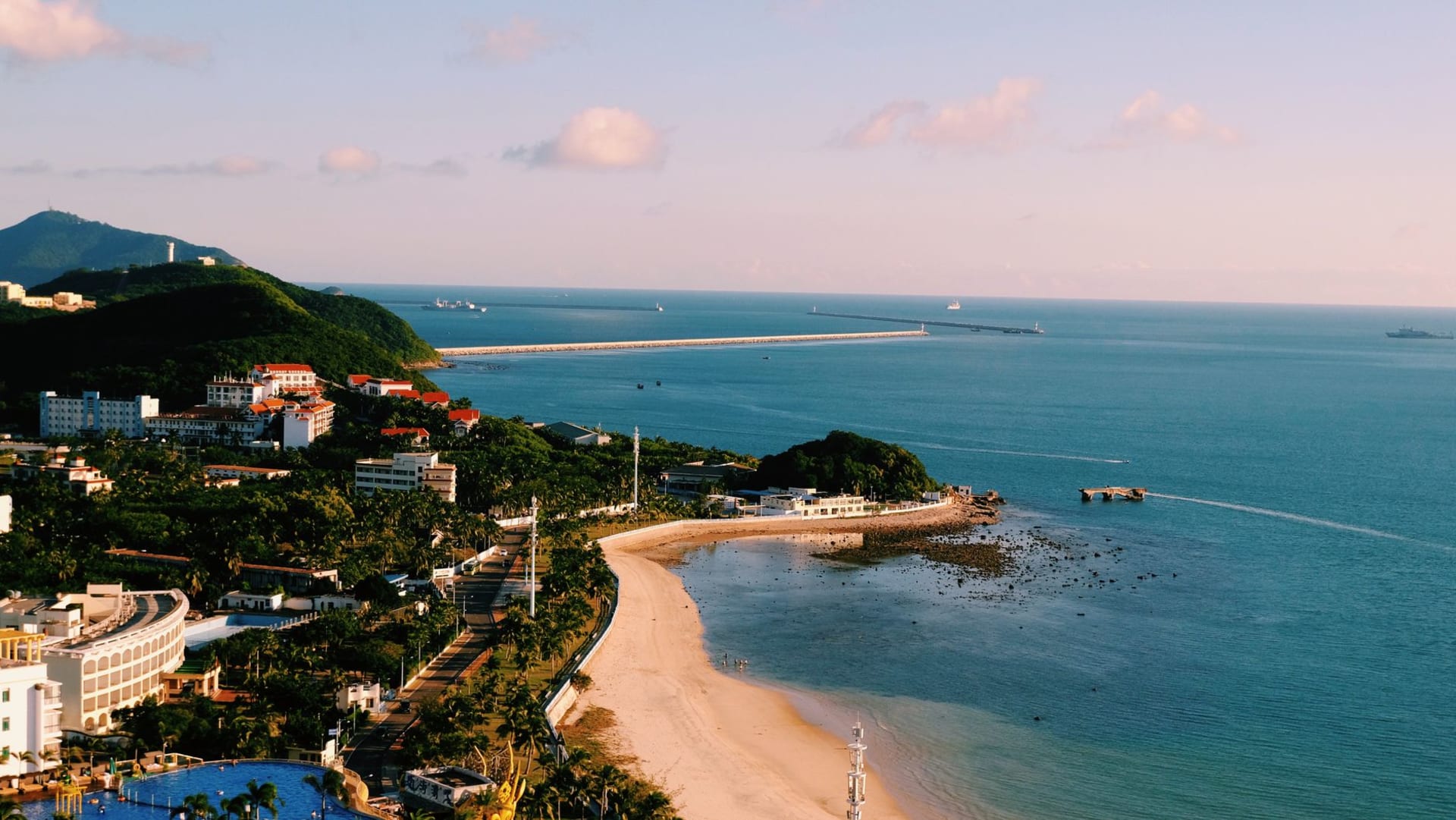
Quanzhou
"I found a mosque, a Hindu temple, and a Taoist shrine on the same street. Marco Polo wasn't exaggerating after all."
A medieval maritime trading city where mosques, Hindu temples, and Buddhist shrines still stand within walking distance of each other on the old Silk Road port.

I almost skipped Quanzhou. My itinerary had me going directly from Xiamen to the tulou, and Quanzhou was a detour of two hours on an additional bus. A stranger in a teahouse in Xiamen talked me into it with a single sentence: “It was once the greatest trading port in the world.” I thought he was being dramatic. He was not being dramatic.
Quanzhou — Marco Polo called it Zayton, and described it as one of the two greatest ports of commerce on earth — was the eastern terminus of the maritime Silk Road from the tenth through the fourteenth centuries. Ships came from Arabia, India, Persia, East Africa. Merchants stayed, built temples to their own gods, married local women, and their grandchildren’s grandchildren built temples to mixed gods that reflected several centuries of theological improvisation. What this history left behind is unlike anything else I’ve encountered in China: a city where a mosque from the seventh century stands near a temple containing Indian-carved Hindu figures incorporated into a Buddhist framework, where the old city streets are named for the ethnic communities that once dominated them, and where the local noodle soup arrives with pork satay sauce that traces a direct lineage back to Indonesian traders who came through a thousand years ago.
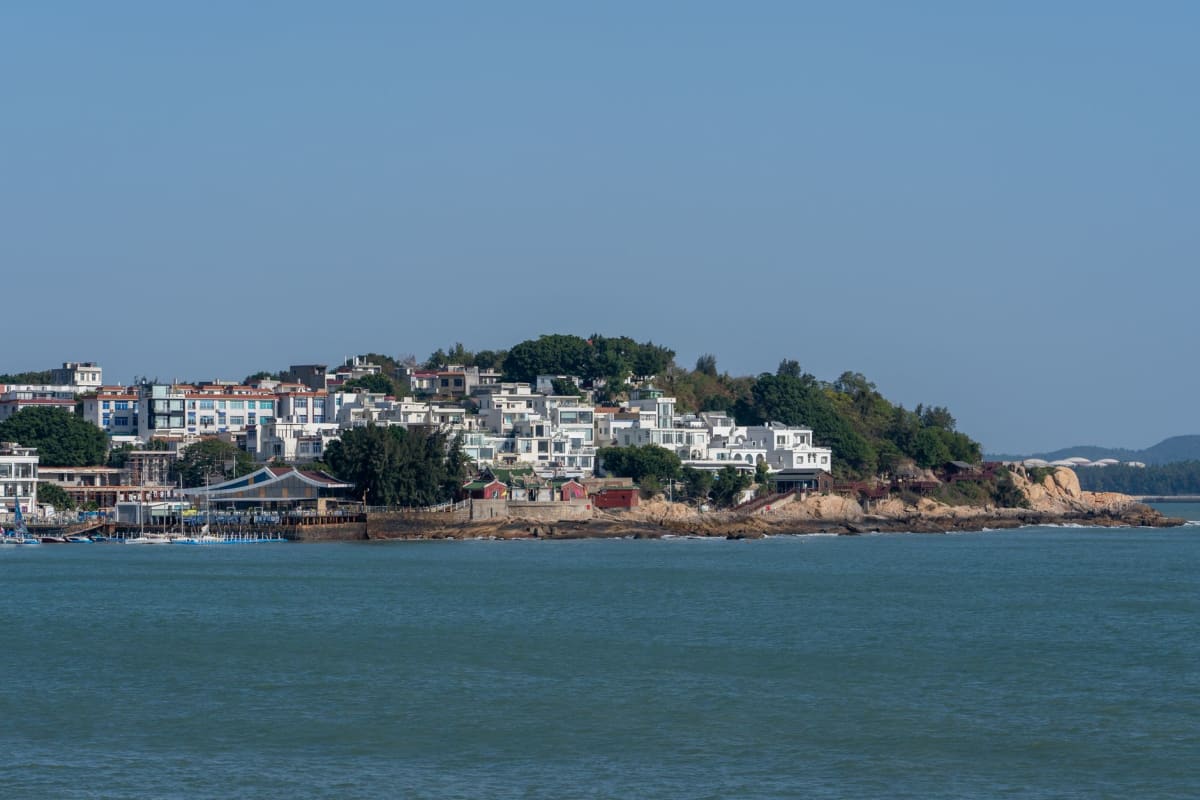
The Qingjing Mosque on Tujie Street is the oldest Arab-style mosque in China still standing, built in 1009 CE by Arab merchants in a style that recalls Damascus. The main prayer hall was destroyed in an earthquake centuries ago and only the stone gateway and outer walls remain, but they remain with remarkable completeness — the Arabic calligraphy carved into the stonework is still sharp, and the courtyard is still used by the city’s Muslim community. I sat in the shade of the old walls for half an hour and watched two elderly men do their afternoon prayers on mats they’d brought from home, their movements unhurried and precise, the Arabic washing over the Chinese street noise outside the gate like something from a completely different temporal frequency.
The Kaiyuan Temple, Quanzhou’s largest Buddhist complex, contains within its main hall two enormous stone columns carved with figures that are unmistakably Indian — twenty-four apsaras, celestial beings rendered in a style that belongs to South Asian temple art, not Chinese Buddhist carving. The columns were recycled from a Hindu temple that stood here before the Buddhist structure was built, and no one who installed them seems to have considered this either unusual or problematic. The syncretism is casual and absolute. Outside the main hall, the twin pagodas rise eleven storeys each, built of granite in the Song dynasty and covered in carved scenes of Buddhist cosmology that have survived eight centuries of coast weather because granite in this province is essentially indestructible.
The food is the final argument for Quanzhou’s uniqueness. Satay noodles — bami — appear here in a form that the rest of Fujian doesn’t do: a thick peanut and spice sauce of clear Southeast Asian lineage served over yellow wheat noodles with pork or seafood. The oyster pancake, cooked in a wok with sweet potato starch and egg and oysters that come in fresh from the estuary, is a dish I ate three times in two days and would have eaten a fourth time if my last bus to the tulou hadn’t departed at noon. The night market off Zhongshan Road runs late enough that the post-dinner crowd overlaps with the post-drinking crowd in a way that gives it an energy more associated with southern Mediterranean evenings than with any Chinese city I’ve been to.
When to go: October through December for comfortable temperatures and low humidity. The spring festival season (January to February) brings Quanzhou’s unique Minnan religious processions onto the streets — worth timing a visit around if you can. Avoid summer for the heat and the crowds that Quanzhou increasingly receives now that its Maritime Silk Road history has UNESCO recognition.
Keep exploring
More from Fujian Coast
 fujian-coast
 Taxia Village
A Hakka valley in Nanjing County where tulou rise from banana groves and a clear stream, quieter and more lived-in than anywhere the tour buses go.
Explore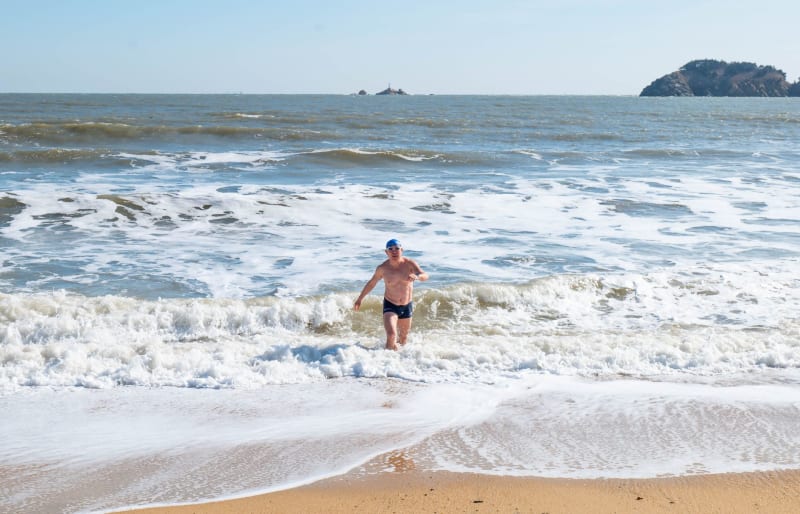 fujian-coast
 Wuyi Mountain
Dramatic red sandstone cliffs above bamboo raft rivers and ancient tea trees producing the most expensive oolongs in the world.
Explore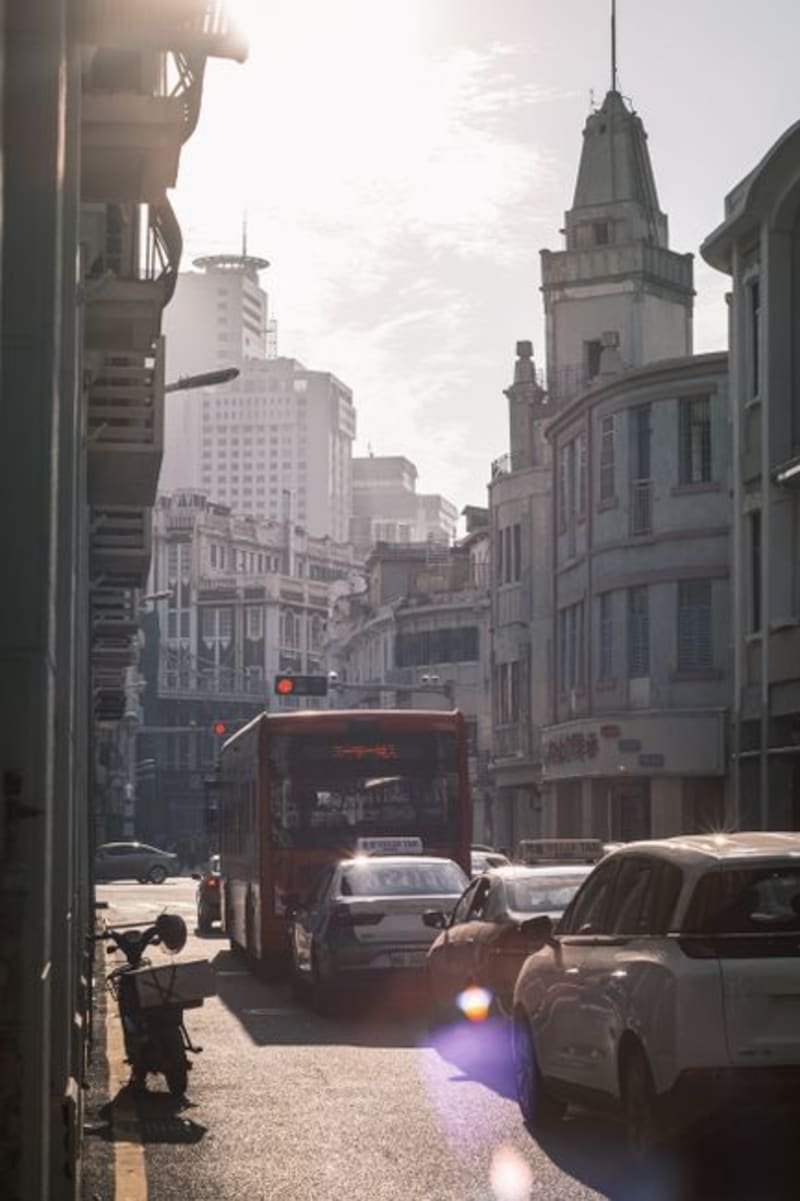 fujian-coast
 Xiamen
A palm-lined port city facing Gulangyu across the strait, where shophouse arcades and salt air still outrun the skyline of glass.
Explore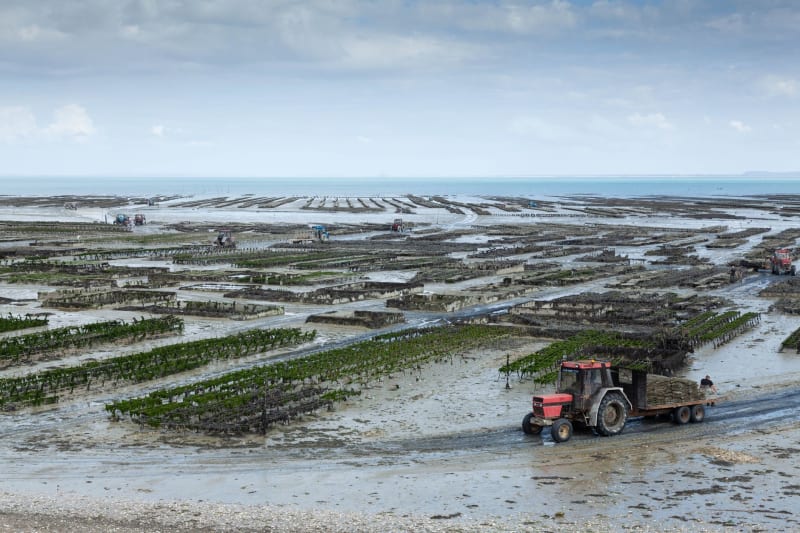 fujian-coast
 Xiapu Mudflats
Tidal mudflats at the edge of Fujian where bamboo-raft fishermen move through silver channels at dawn like figures in an ink painting.
Explore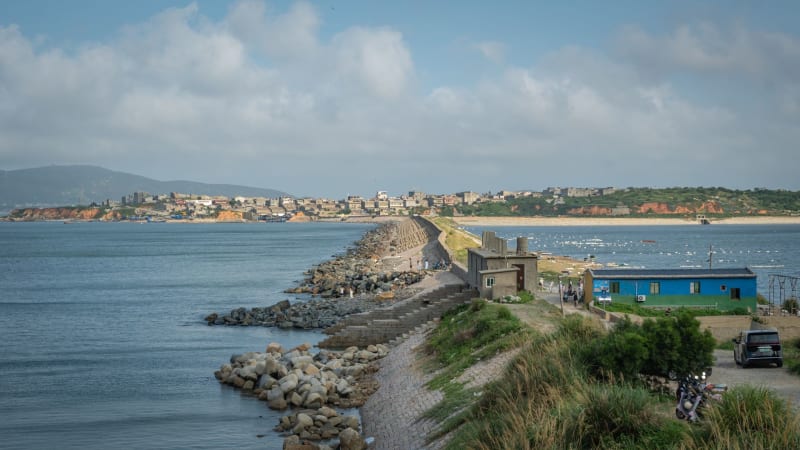 fujian-coast
 Yongding Tulou
Circular Hakka earthen fortresses five stories high, built to house entire clans, and some families still live in them.
Explore fujian-coast
 Zhangzhou
A low-key Minnan city of flower markets, Satay noodle shops, and old streets that domestic tourists haven't quite caught up with yet.
Explore