Asia
Fujian Coast
"Nowhere else in China felt both this ancient and this completely overlooked."
A province where UNESCO-listed Hakka tulou roundhouses rise from inland tea valleys and the coastline frays into fishing islands that still operate on their own ancient rhythm.

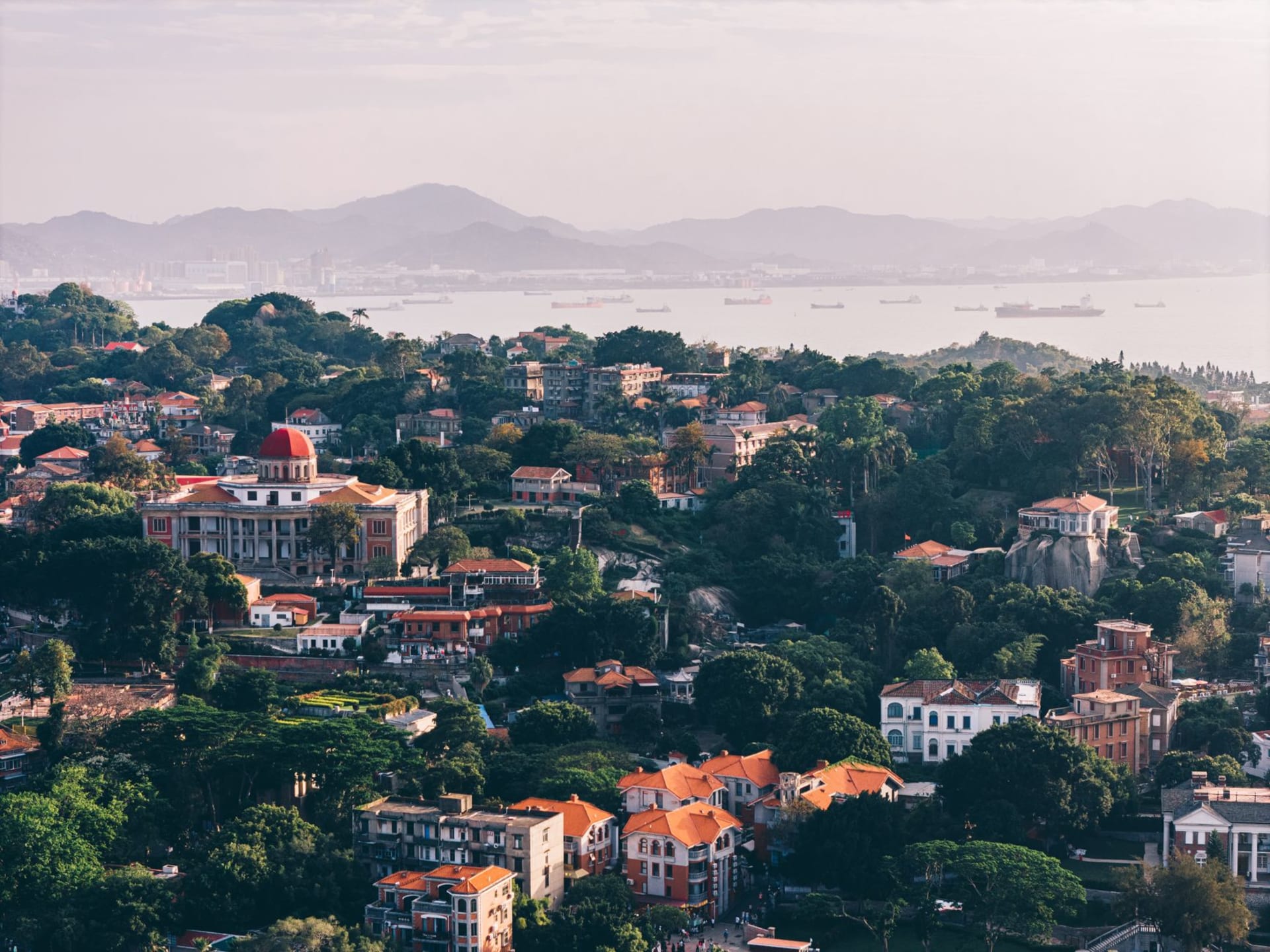
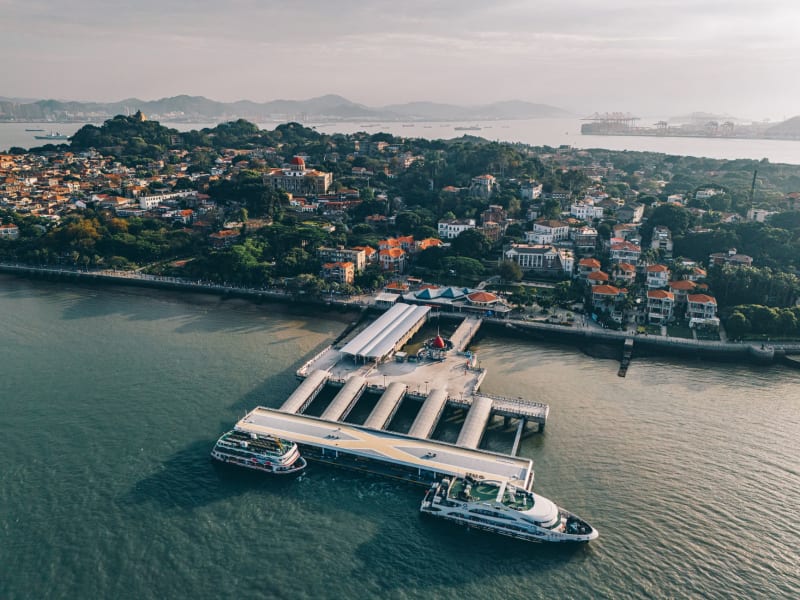
I arrived by overnight train from Guangzhou and stumbled onto the Gulangyu Island ferry still half-asleep, coffee-less, dragging a bag that was too heavy for the heat. The island announced itself immediately: no cars, narrow lanes between century-old colonial buildings, bougainvillea climbing over wrought-iron balconies left by Dutch and British merchants who’d set up here in the 1840s. A kid was practicing piano through an open window — Gulangyu is famous enough for its musicians that it’s sometimes called the Island of Piano. I sat down on a sea wall, watched a fishing boat chug past the skyline of Xiamen across the water, and understood in about four minutes why people who’ve been to Fujian become mildly evangelical about it.
The province operates at two speeds and on two scales that most visitors never connect. Down on the coast you have Xiamen — clean, walkable, student-city energy, some of the best seafood noodles I’ve eaten in China at the hawker stalls around Zhongshan Road. But two hours inland by bus the terrain shifts completely: forested hills, Wuyi Mountain tea plantations producing the oolongs that command absurd prices in Shanghai, and then the tulou. The Hakka tulou of Yongding County are the reason I came back a second time. They are circular earthen fortresses, five or six stories high, built to house entire clans — sometimes four hundred people living in concentric rings around a communal courtyard. The UNESCO brochure photographs don’t prepare you for the scale of them in person, or for the fact that some families still live inside, drying laundry on bamboo poles between floors that were built in the Ming dynasty.
The coast itself around Xiapu County offers something even the domestic Chinese tourist circuit hasn’t fully absorbed: mudflats at dawn when the tidal channels run silver and the fishing families go out on bamboo rafts to tend their oyster lines. This is the image you’ve seen — the one that looks like a painting — and yes, it’s real, and yes, it requires waking up at 4:30am, and yes, it’s worth every second of it.
When to go: October and November are ideal — the heat breaks, the rice paddies around the tulou turn gold before harvest, and the coastal fog at Xiapu is thick enough in early morning to make every photograph look like it was shot through gauze. Spring (March to April) works well too for Wuyi tea season. Avoid July and August: typhoon season on the coast and oppressive humidity inland.
What most guides get wrong: They treat Fujian as a day trip from Shanghai or a transit point between bigger cities. It isn’t. The tulou alone require at least two nights in Yongding to see different clusters at different times of day, and the Xiapu mudflats demand their own overnight stop. Rushing Fujian is how you end up with bad photos and the nagging feeling that you missed the real thing — which you did.
Explore
Places in Fujian Coast
 fujian-coast
 Chongwu
A Ming-dynasty granite fortress town on a rocky Fujian headland, still walled, still fishing, where the women in flowered headscarves haul the nets and the sea has worn the stone smooth.
Explore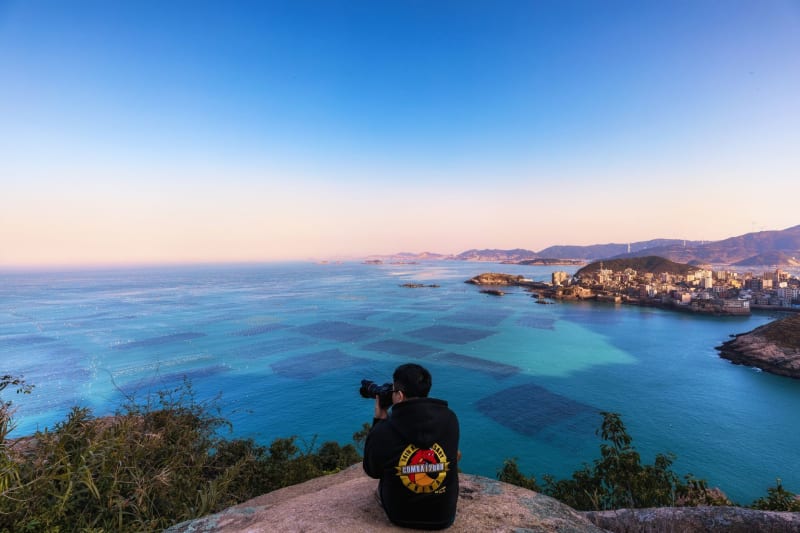 fujian-coast
 Dongshan Island
A southern Fujian island of wind-sculpted granite boulders and quiet beaches where the 1950s military standoff left its own strange archaeology.
Explore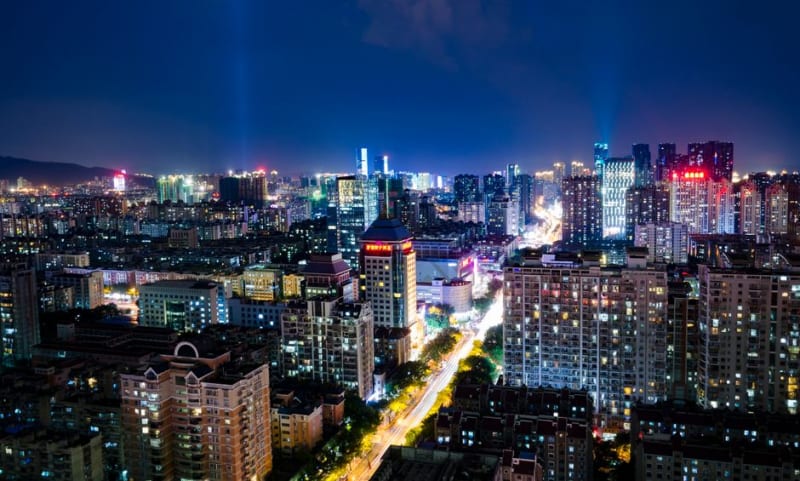 fujian-coast
 Fuzhou
A river capital of banyan trees and Ming-era courtyards, where 2,200 years of history hide behind quiet stone gates.
Explore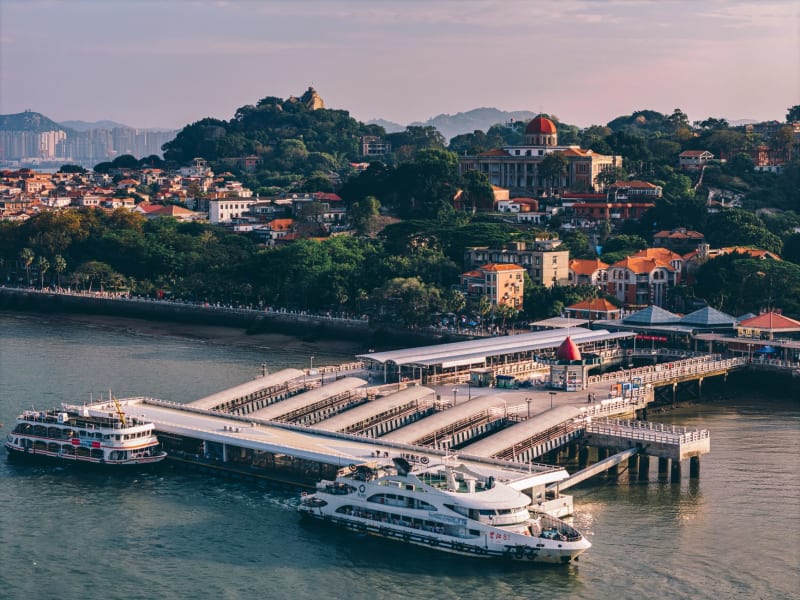 fujian-coast
 Gulangyu Island
A car-free island of colonial mansions and piano music where the sea air smells like bougainvillea and old ambition.
Explore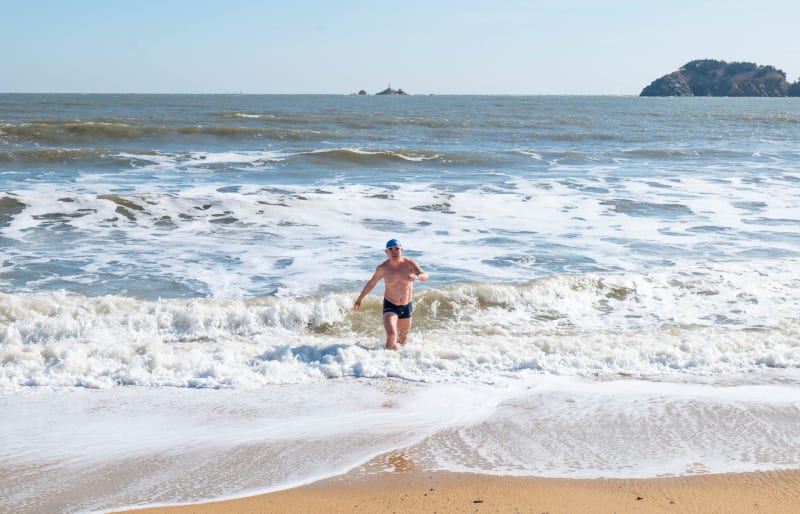 fujian-coast
 Meizhou Island
The birthplace of the sea goddess Mazu, a granite island where pilgrims have sailed across the strait for a thousand years.
Explore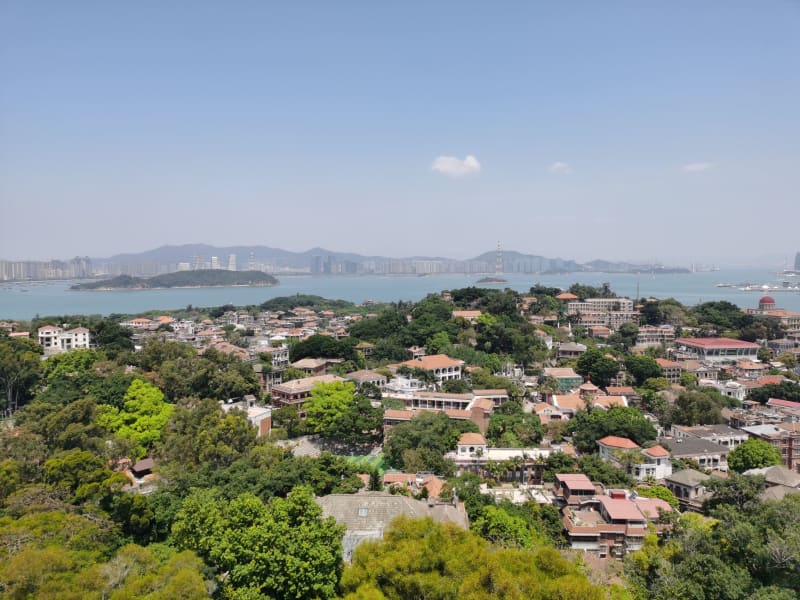 fujian-coast
 Pingtan Island
Fujian's largest island with granite-carved beaches and winds so fierce they've shaped a whole culture, close enough to Taiwan that on clear days you can see it.
Explore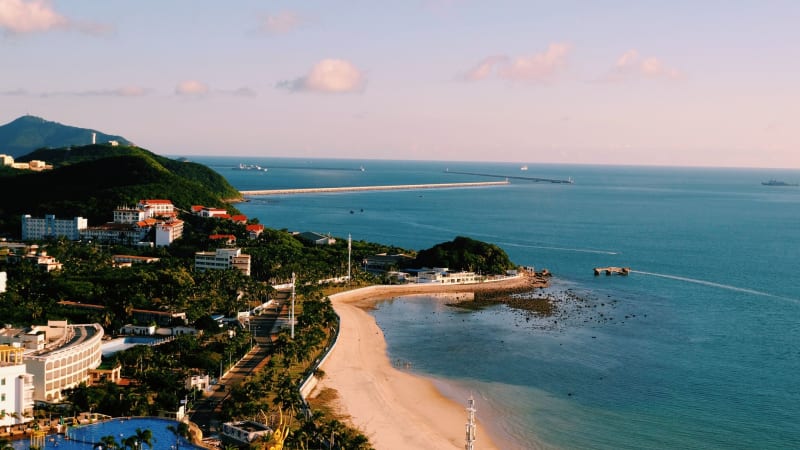 fujian-coast
 Quanzhou
A medieval maritime trading city where mosques, Hindu temples, and Buddhist shrines still stand within walking distance of each other on the old Silk Road port.
Explore fujian-coast
 Taxia Village
A Hakka valley in Nanjing County where tulou rise from banana groves and a clear stream, quieter and more lived-in than anywhere the tour buses go.
Explore fujian-coast
 Wuyi Mountain
Dramatic red sandstone cliffs above bamboo raft rivers and ancient tea trees producing the most expensive oolongs in the world.
Explore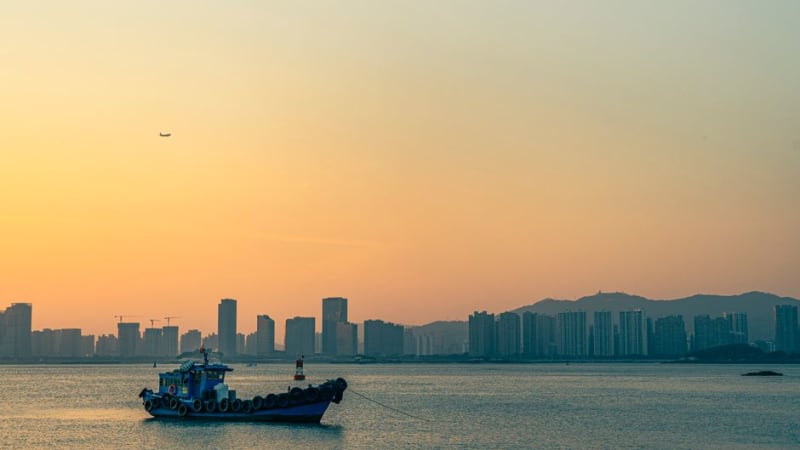 fujian-coast
 Xiamen
A palm-lined port city facing Gulangyu across the strait, where shophouse arcades and salt air still outrun the skyline of glass.
Explore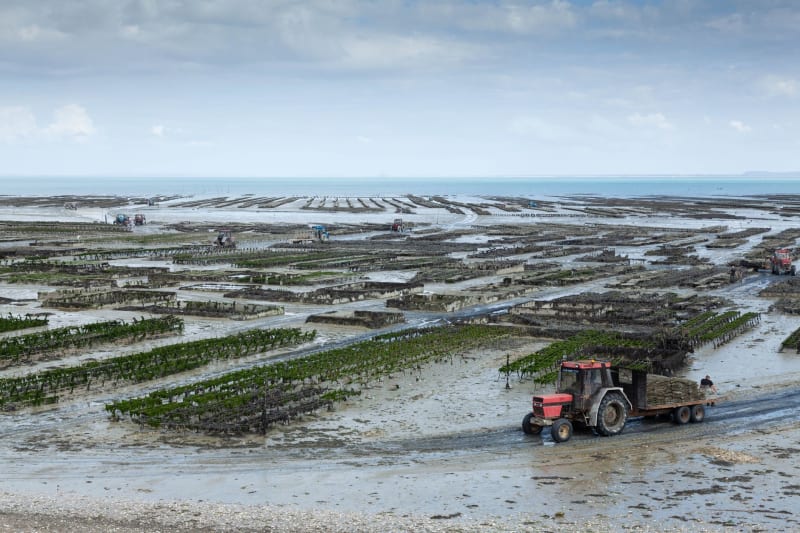 fujian-coast
 Xiapu Mudflats
Tidal mudflats at the edge of Fujian where bamboo-raft fishermen move through silver channels at dawn like figures in an ink painting.
Explore fujian-coast
 Yongding Tulou
Circular Hakka earthen fortresses five stories high, built to house entire clans, and some families still live in them.
Explore fujian-coast
 Zhangzhou
A low-key Minnan city of flower markets, Satay noodle shops, and old streets that domestic tourists haven't quite caught up with yet.
Explore