Cayenne
"The iguana on the pharmacy wall told me everything I needed to know about this city."
A Creole capital where colonial ochre walls meet Amazon iguanas and the Saturday market smells like three continents at once.

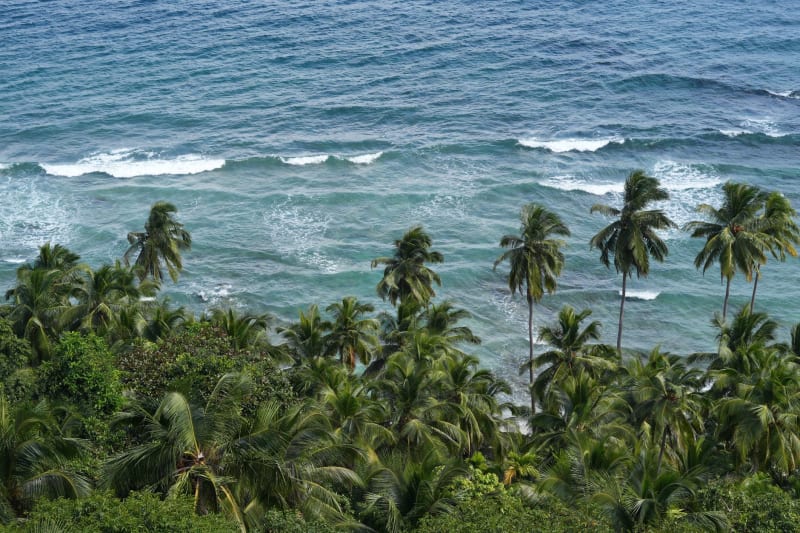
I had been in Cayenne less than twelve hours when I watched a woman buy a kilo of freshwater shrimp, argue the price entirely in Creole, then walk off with a baguette tucked under her arm. This is Cayenne in miniature — a city operating on multiple registers simultaneously, where France and the Amazon are perpetually negotiating the terms of their coexistence, and neither side is winning cleanly. The gendarmerie patrol car outside arrivals had the same logo as the one outside my local commissariat in Lyon. The palm trees were forty feet tall and louder with birds than a morning forest should be allowed to be.
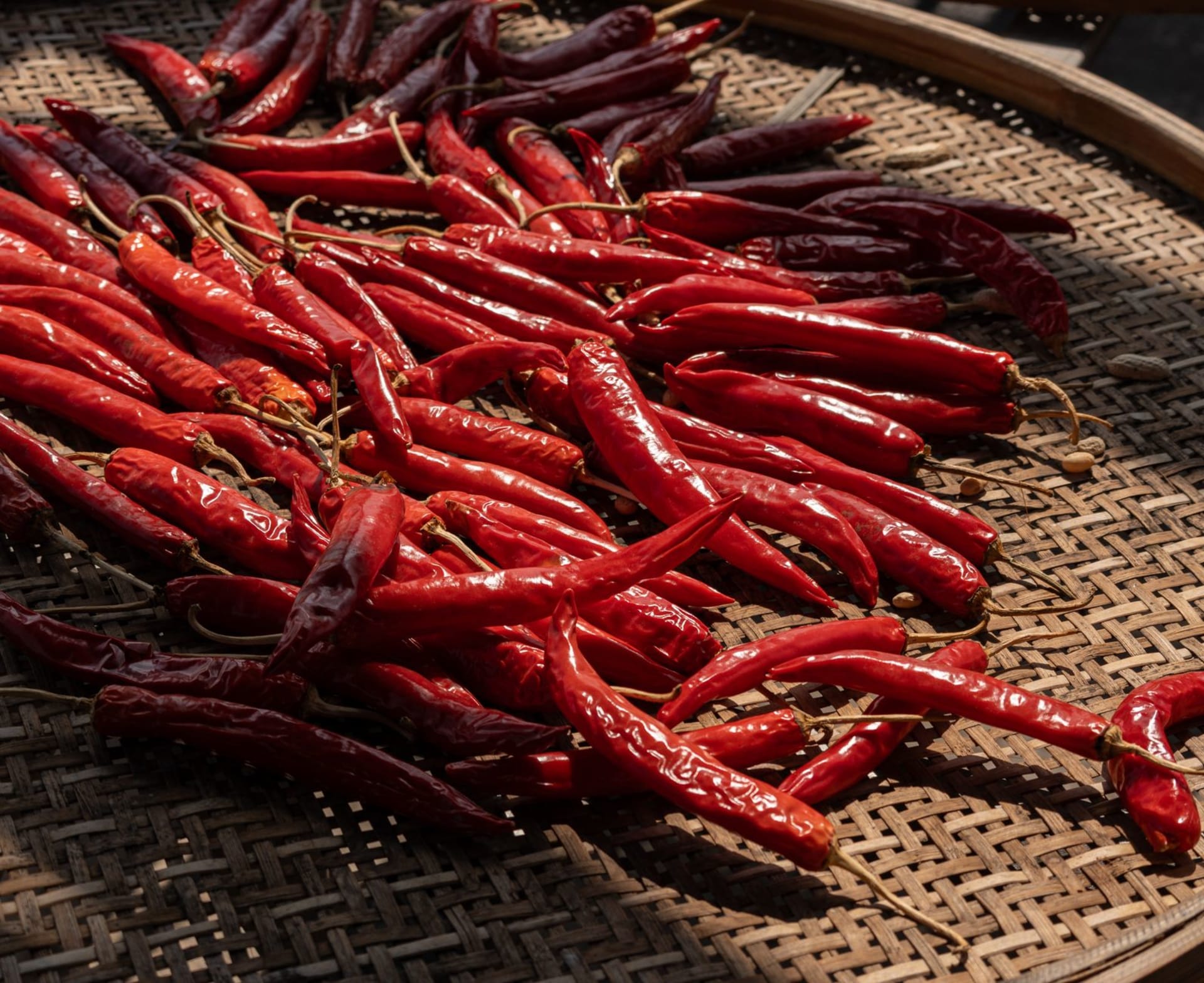
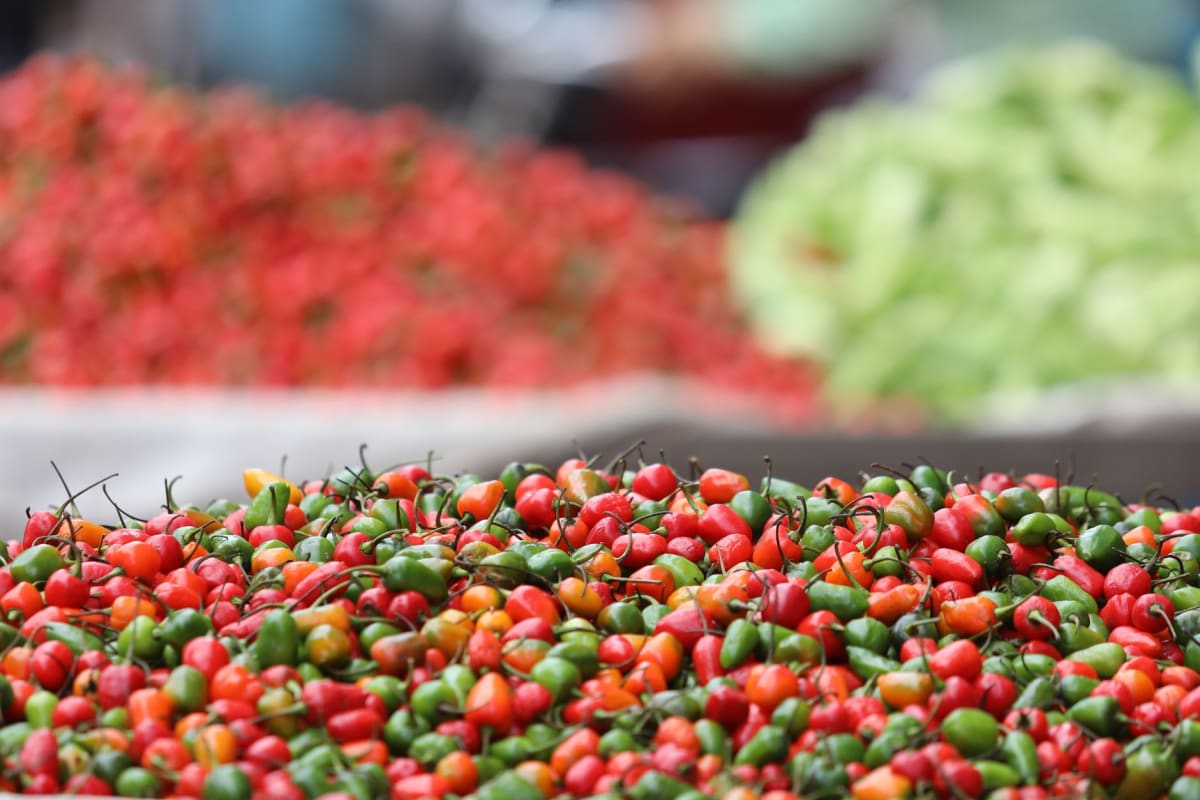
The Saturday market on Rue du Marché is the city’s gravitational center, and I arrived early before the heat settled in and found the stalls already dense with color. Chinese merchants stood behind towers of canned goods, Brazilian women sold bundles of dried herbs I couldn’t identify, Amerindian vendors had manioc in cloth sacks, and Creole grandmothers presided over buckets of freshwater fish still gasping. The smell of acras frying in a wok — those small, fierce fritters made from dried salt cod and chili — caught me from half a block away and did not let go. I ate three of them standing up, juice running down my hand, while a chicken somewhere nearby made its feelings about market day loudly known.
The old town around Place Auguste-Horth holds Cayenne’s most legible history. The buildings here were painted in shades of mustard and terracotta and pale yellow by someone who understood that the equatorial light would bleach everything eventually, so you might as well start saturated. The Préfecture — unmistakably French in its bureaucratic gravity — sits behind an iron gate while iguanas the length of my forearm sun themselves on the surrounding walls. The birds in the palm trees are so loud by seven in the morning that I had to raise my voice to ask directions. Nobody found this unusual. Fort Cépérou, up on the hill at the city’s northern end, provides the view you need to understand the place: a sprawling, low-rise city edging into dense forest, the river estuary glinting to the west, container ships dissolving into haze, and above it all a sky so large and blue it feels like something is showing off.
The food is what stays with me longest. Cayenne’s Creole cuisine is distinct from anything in the French Antilles — earthier, more heavily influenced by the Amerindian kitchen, built around cassava and palm fruit and freshwater fish. I tracked down a bowl of bouillon d’awara near the fort — a woman had made a pot for Easter and had some left over. The stew was extraordinary: dark orange, richly fatty from the palm fruit, threaded with smoked meat and crab and yam, warming in a way that had nothing to do with the ambient temperature outside. She served it in a plastic container with a spoon and didn’t charge me and I still think about it.
Cayenne does not present itself prettily. It is slightly messy, perpetually under construction, crossed by the noise of mopeds and market vendors and birds that never seem to stop. But it has something that more polished cities lose the moment they figure out their tourist pitch — an unselfconsciousness, a quality of being entirely absorbed in itself. Spend a week here and it starts to feel not just interesting but genuinely alive in the way that only cities with layered, unresolved histories can manage.
When to go: February and March, during the short dry season, offer the most comfortable conditions — tolerable heat, functional roads, and the Saturday market at its most vibrant. Avoid April through June when the rains can be biblical and the streets flood with impressive dedication.
Keep exploring
More from French Guiana
 french-guiana
 Îles du Salut
Three small islands where howler monkeys have colonized the ruins of France's most notorious penal colony and the turquoise water makes cruelty look impossibly beautiful.
Explore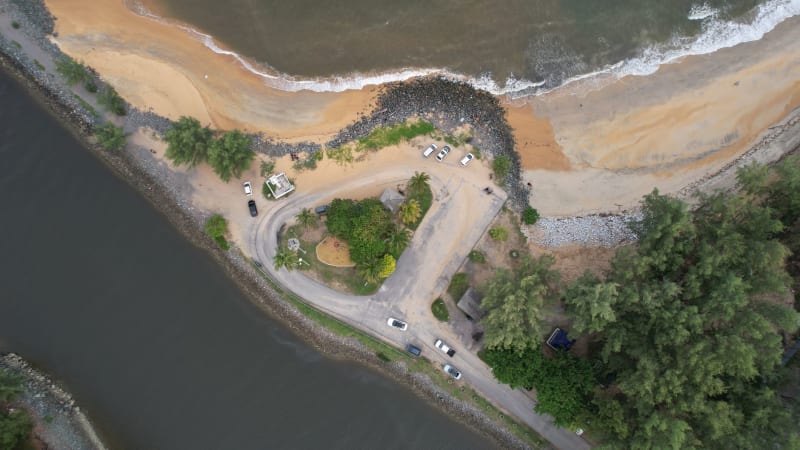 french-guiana
 Kourou
Where rocket gantries rise out of primary jungle and a night launch turns the Amazonian sky orange for thirty seconds that reorder your sense of scale.
Explore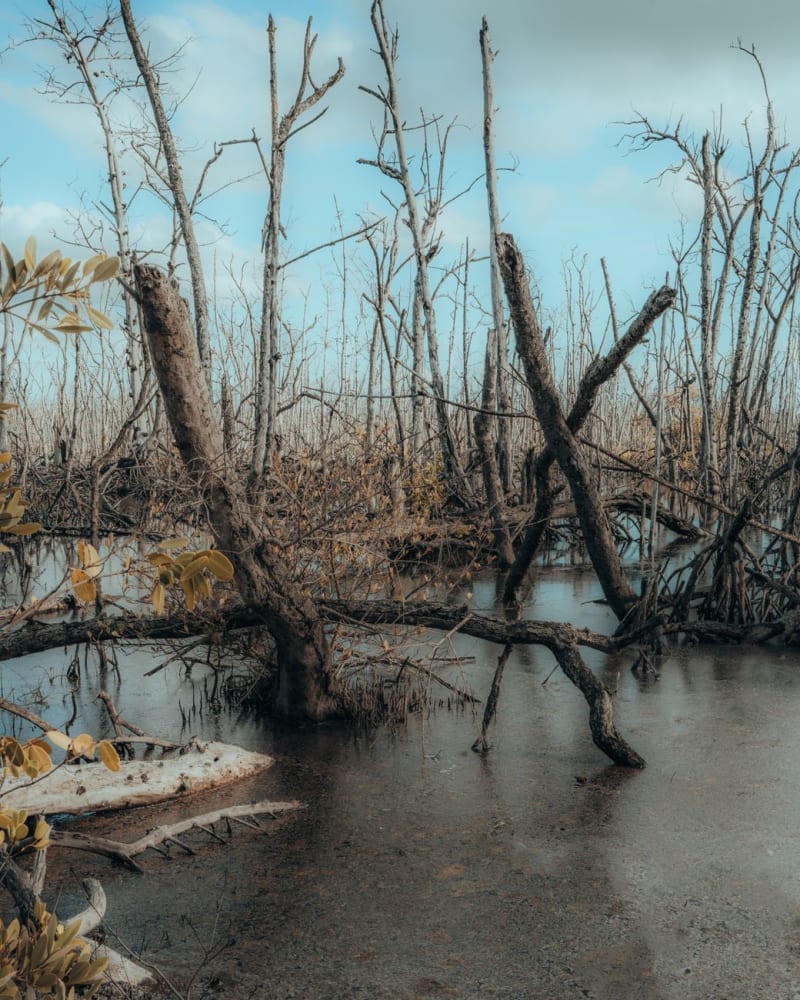 french-guiana
 Kaw Marshes
A vast flooded savannah east of Cayenne, a nature reserve of floating vegetation and black water where black caimans the length of a canoe surface in the beam of a torch at night.
Explore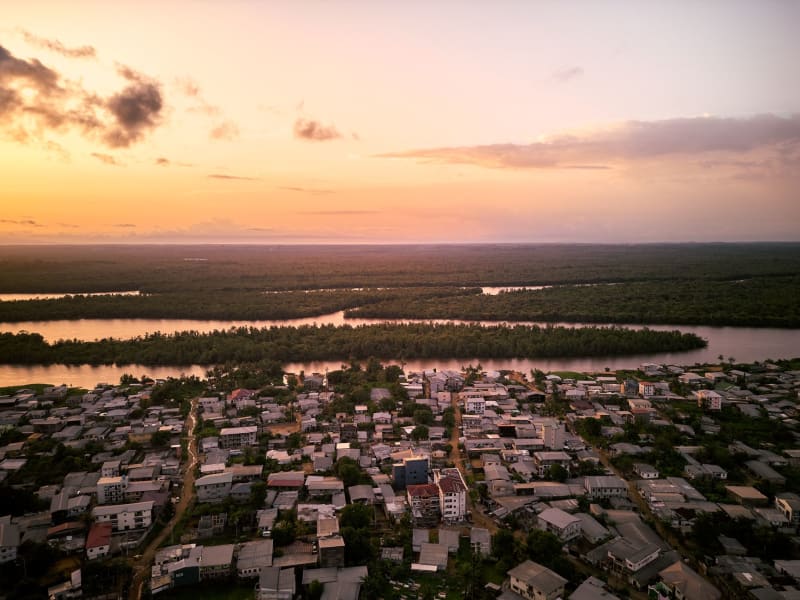 french-guiana
 Maroni River
A river road into the interior where Aluku and Saramaka villages carry three centuries of Maroon freedom in their wood carvings and the pirogues at dawn will rearrange your priorities.
Explore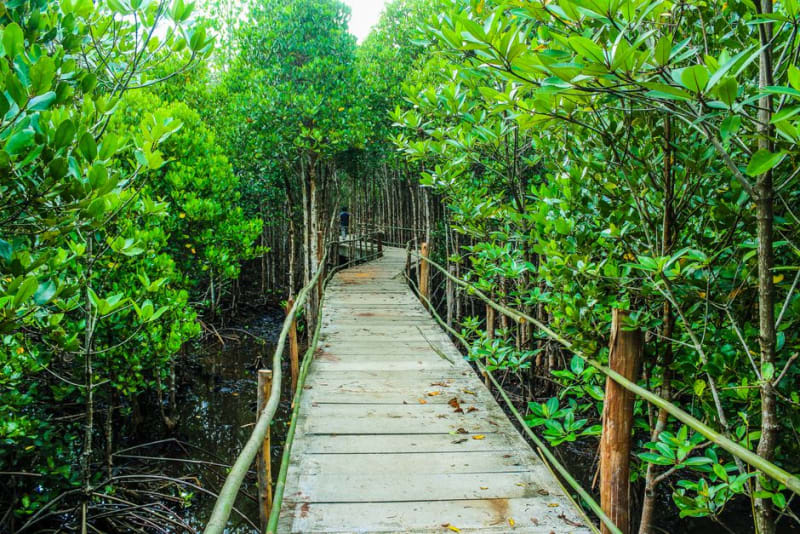 french-guiana
 Matoury
A residential Cayenne suburb where mangrove boardwalks along the Mahury estuary offer an easy, unexpectedly peaceful escape from the capital.
Explore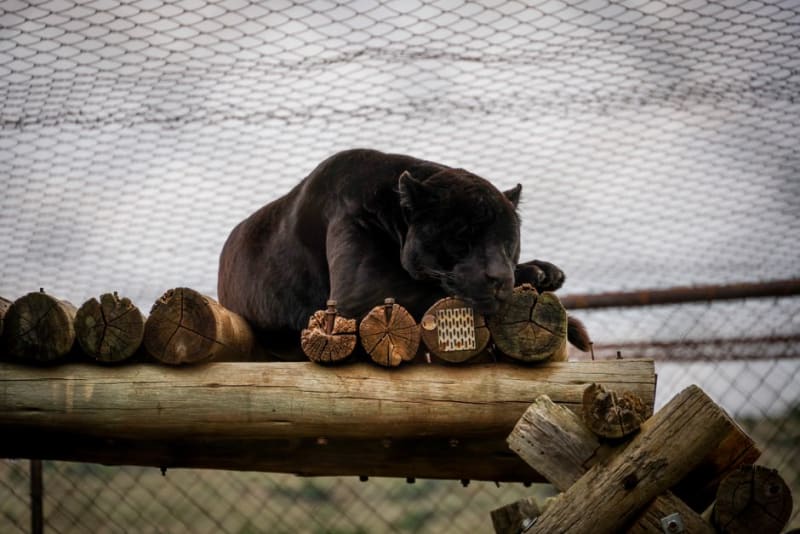 french-guiana
 Montsinery
A quiet forest commune south of Cayenne where a jaguar rehabilitation reserve gives you a real, unglamorous look at Amazonian wildlife recovery.
Explore