Montsinery
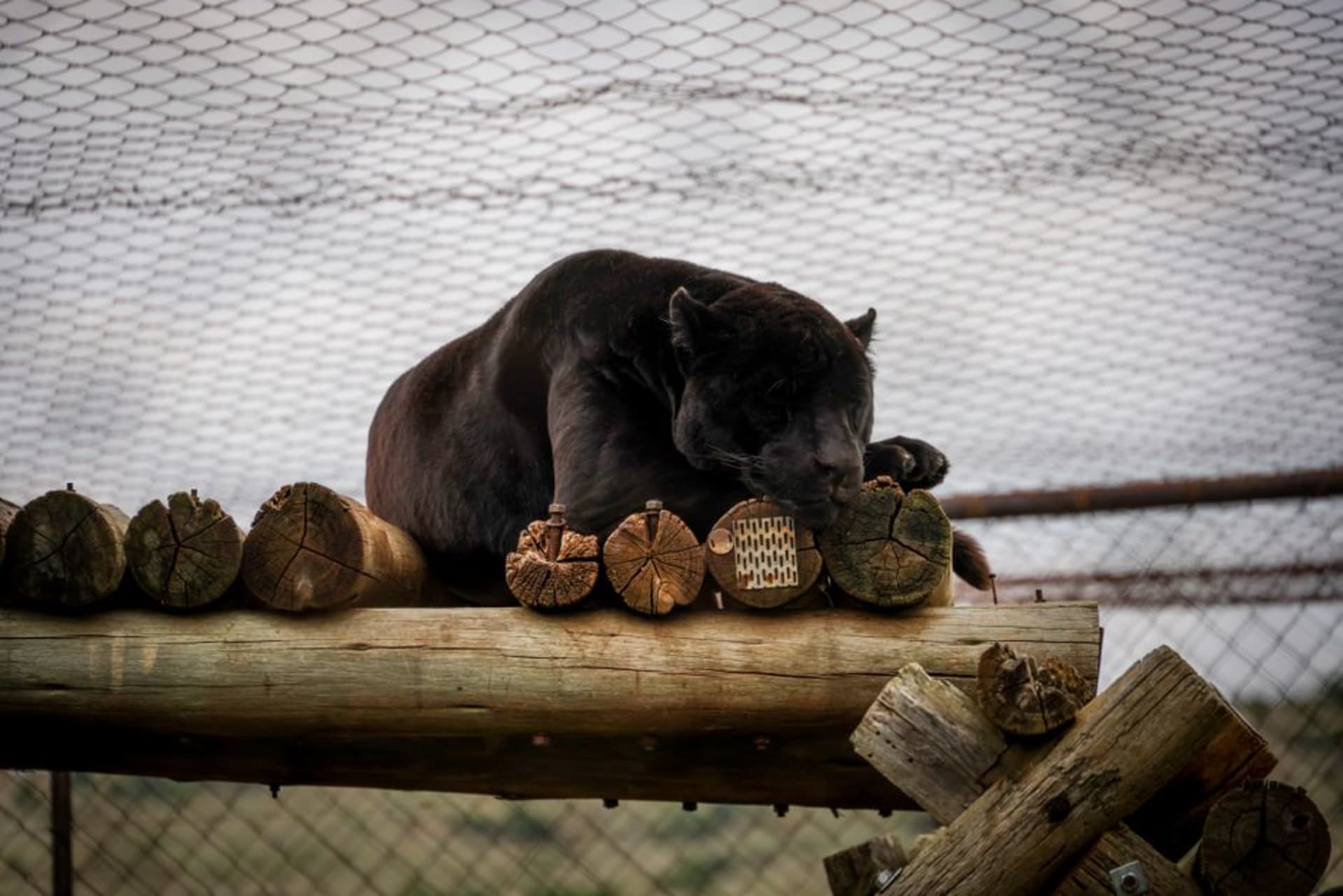
"Lia grabbed my arm the second the jaguar's eyes caught the light, and neither of us said anything for a full minute."
A quiet forest commune south of Cayenne where a jaguar rehabilitation reserve gives you a real, unglamorous look at Amazonian wildlife recovery.

I almost didn’t stop in Montsinery. It’s the kind of place that shows up on the map as a smear of green between Cayenne and Kourou, no real center to speak of, and I figured we’d just drive through on our way to the space center. But a friend in Cayenne kept telling me about the animal reserve there, the one that takes in jaguars and ocelots that can’t be released back into the wild, and eventually curiosity won out. We turned off the main road onto a red laterite track that got narrower and muddier the further we went, Lia complaining the whole time that we should’ve rented something with better clearance.
The reserve itself is modest, not a zoo in any polished sense, more like a collection of large enclosures carved out of the forest with as little disruption as possible. What struck me was how the guide talked about each animal by name and by history: this one was confiscated from someone keeping it illegally as a pet, that one was found injured on a logging road near Saint-Laurent. It’s sobering in a way that most wildlife encounters aren’t, because there’s no pretending it’s a nature documentary. It’s aftermath.

We spent maybe three hours walking the trails between enclosures, sweating through our shirts by the second stop, mosquitoes finding every gap in the repellent I’d applied badly. Montsinery isn’t a town you photograph for its architecture, since there really isn’t much of one, just scattered houses and a small church along the river. What it has instead is proximity to genuine, thick, humid rainforest that hasn’t been logged out, the kind you smell before you see, all wet leaves and rot and something sweet underneath.

On the way back we stopped at a roadside stand where an older woman sold grilled corn and cold Fanta from a cooler, and we sat on plastic chairs listening to her explain, half in Creole, half in French, how the commune used to be mostly agricultural before the reserve brought a trickle of visitors like us. She didn’t seem particularly impressed by the jaguars. “They were always here,” she said, shrugging, “just not in cages.” That stuck with me more than anything I saw behind the fencing.
When to go: Visit during the dry season, roughly August through November, when the access road is passable without a serious 4x4 and the animals are more active in the cooler morning hours.
Keep exploring
More from French Guiana
 french-guiana
Parc Amazonien de Guyane
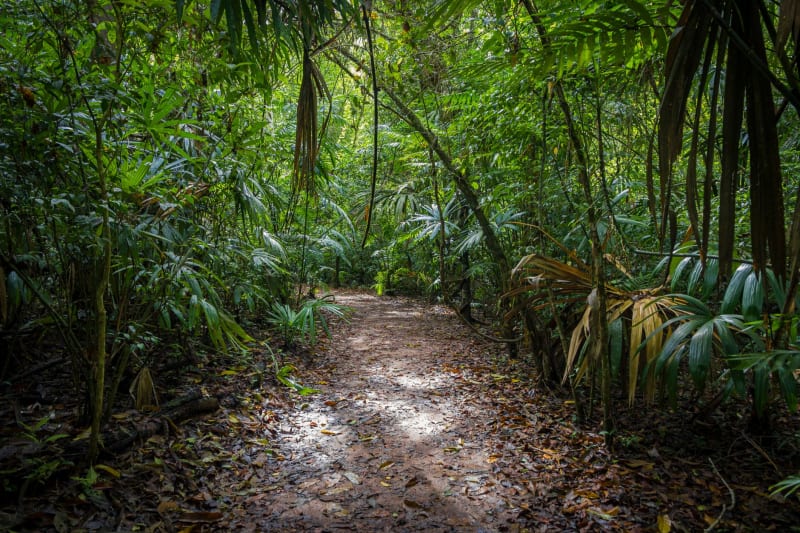
The largest national park in the EU covers a third of French Guiana with roadless primary Amazon — entry is by pirogue or light aircraft and the silence is genuinely disorienting.
Explore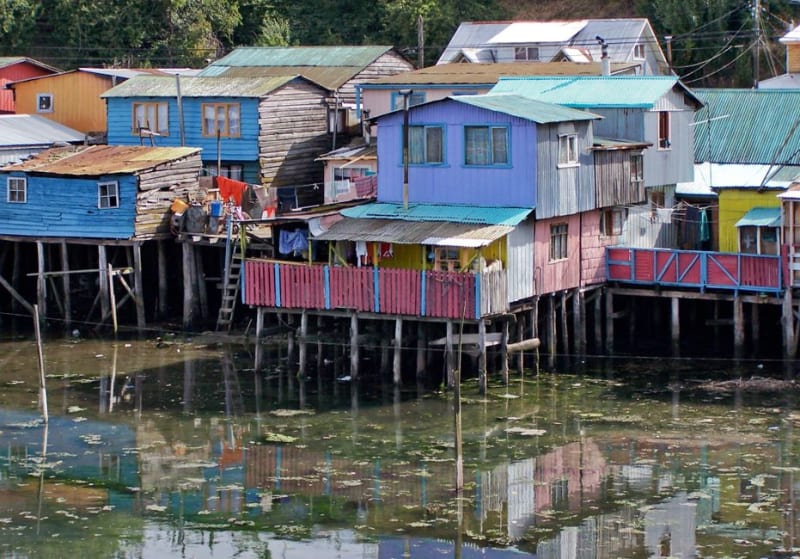 french-guiana
Regina
A sleepy river town on the Approuague where the last paved road ends and the Amazon actually begins, one pirogue at a time.
Explore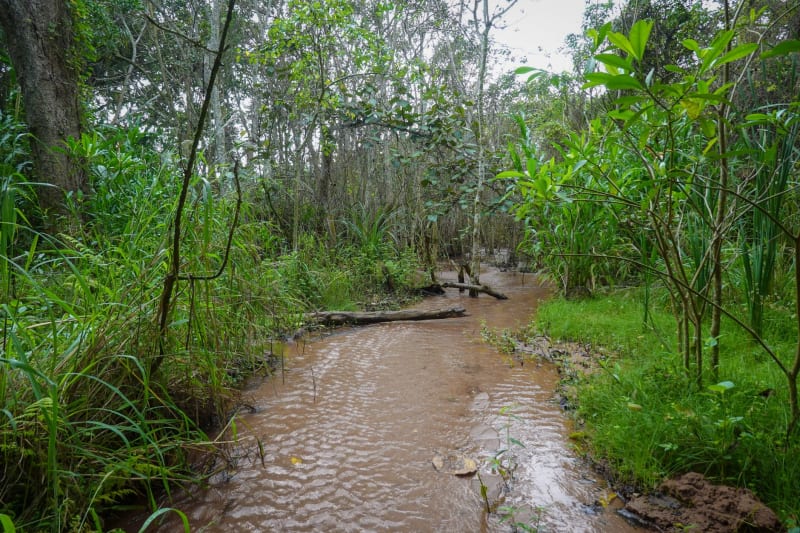 french-guiana
Réserve Naturelle des Nouragues
A remote CNRS research reserve deep in primary Amazonian forest, accessible only by helicopter, where ninety thousand hectares of intact canopy have never been logged.
Explore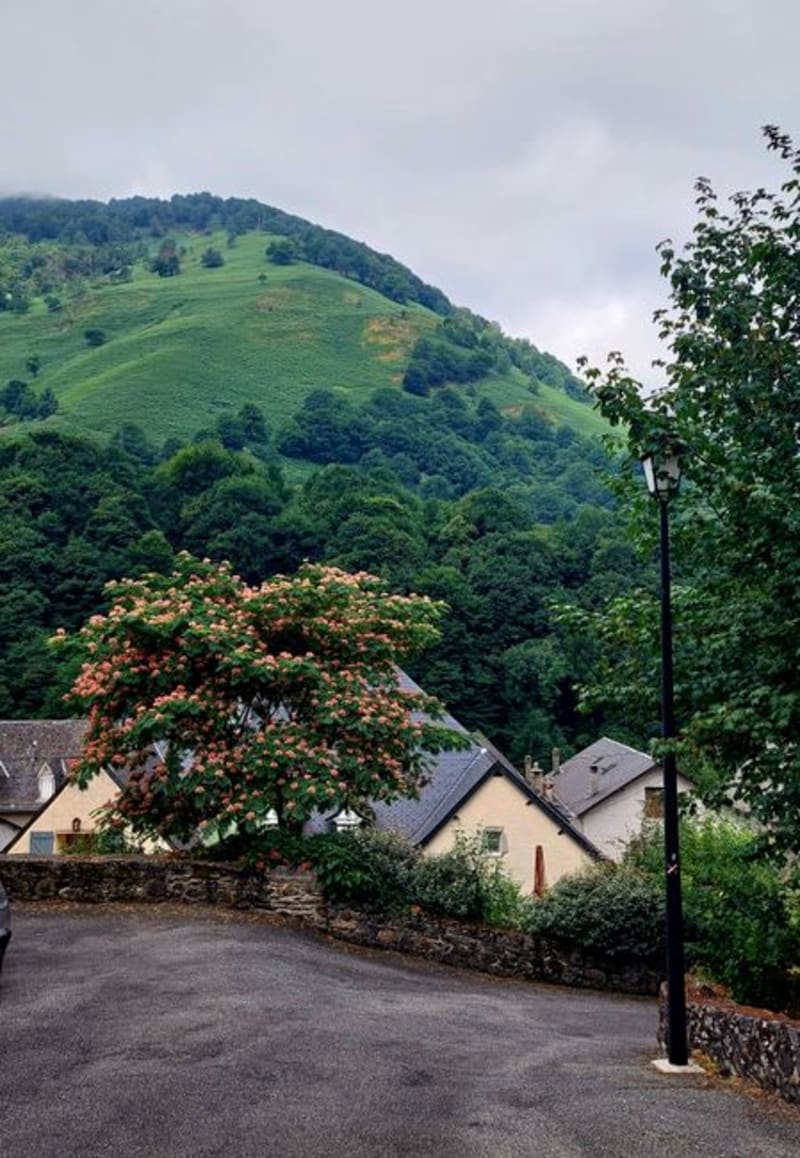 french-guiana
Roura
A riverside mission town on the Oyak, where creole church bells and jungle trailheads share the same small square.
Explore french-guiana
Saint-Georges-de-l'Oyapock
The easternmost French town in South America sits on a border river where Europe ends, Brazil begins, and the Teko Amerindians have been here longer than either nation.
Explore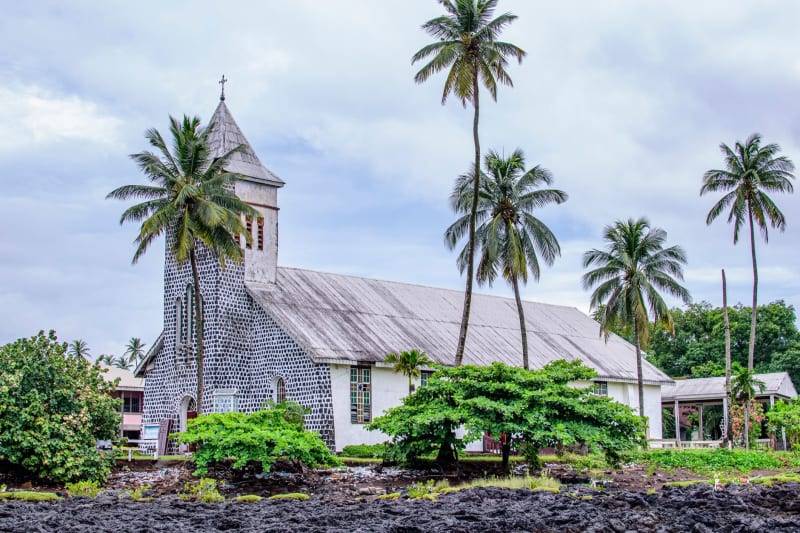 french-guiana
Saint-Laurent-du-Maroni
A riverside colonial town built on one of history's darker chapters, where penal colony walls hold the heat of the afternoon and the pirogues never stop moving.
Explore