Alençon
"I watched a woman work a single square centimeter of lace for twenty minutes and she wasn't even close to finished."
The lace town on Normandy's southern edge, where a stitch so fine it takes months to make a few centimeters is still, somehow, being kept alive by a handful of women.

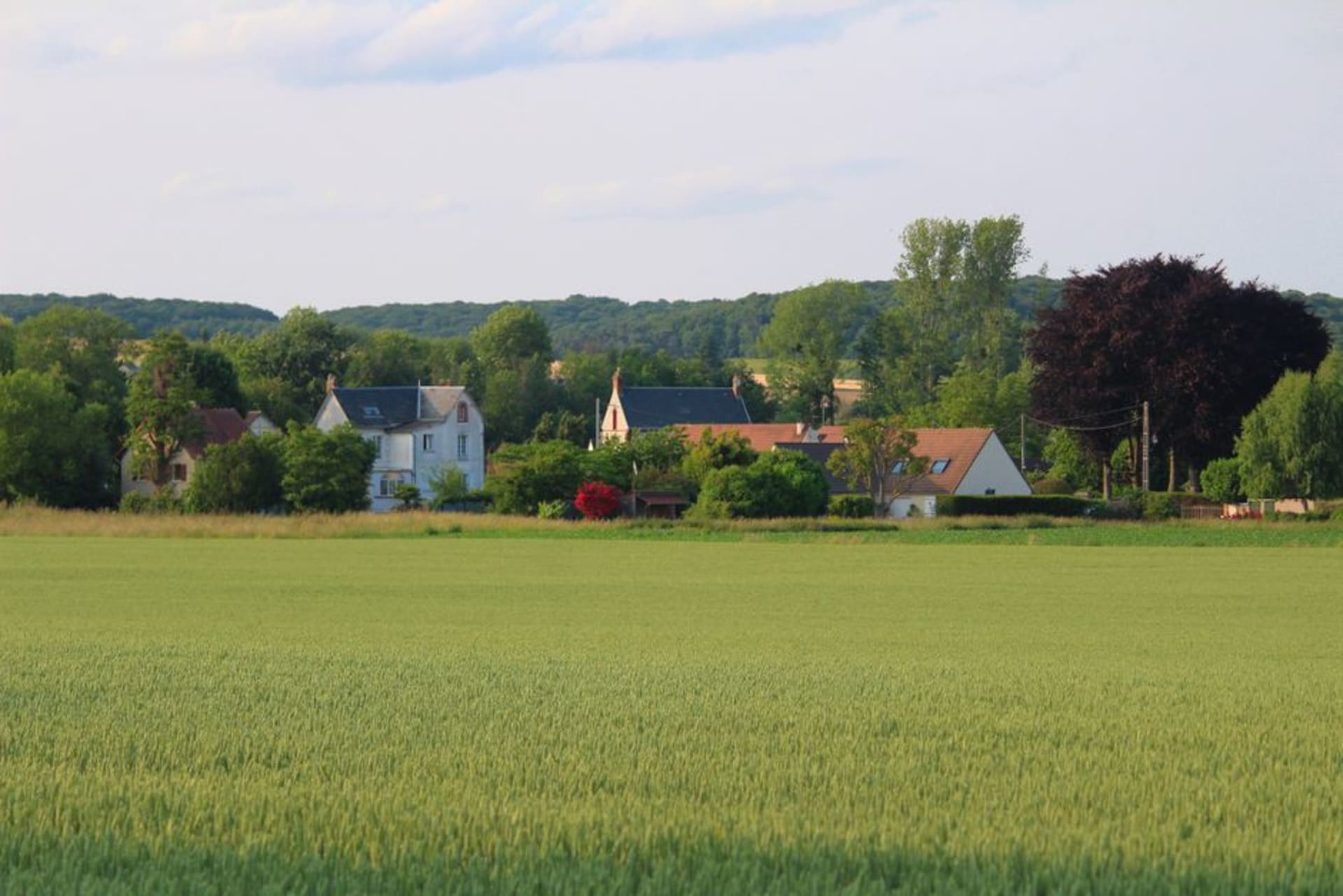
Alençon sits right at the point where Normandy softens into the Perche countryside, close enough to the regional border that some maps seem unsure which side to put it on, and we ended up there almost by accident, chasing a recommendation for a lace museum that Lia had read about years earlier and never forgotten.
A stitch that takes a year to learn and a lifetime to master
Point d’Alençon, needle lace made entirely by hand with a single needle and thread rather than bobbins, was developed here in the 17th century, reportedly encouraged by Colbert under Louis XIV to keep French money from flowing to Venice for imported lace. It became so prized that it was known as the “Queen of Lace,” worn at royal courts across Europe, and the technique is so painstaking — built up stitch by stitch over a paper pattern, then painstakingly removed and reinforced — that a skilled lacemaker might produce only a few square centimeters in a month. UNESCO recognized the craft as an Intangible Cultural Heritage in 2010, largely because so few people still know how to do it; at the Musée des Beaux-Arts et de la Dentelle, we watched a lacemaker demonstrate the technique in a small workshop attached to the museum, and the sheer slowness of it, thread looping over thread under a magnifying lamp, made every finished piece in the display cases look almost unreasonable.

A quiet gateway between two Normandies
Beyond the lace, Alençon works well as a hinge point between the wilder, hedgerow country of the Perche to the south and the rest of lower Normandy to the north — the old town has a genuinely handsome core, with the flamboyant Gothic façade of the Église Notre-Dame and its unusual porch, plus a scatter of half-timbered houses along Rue du Château near the surviving keep of the old ducal castle. We wandered without much of a plan for an afternoon, ate crepes filled with local Camembert in a square that felt entirely unbothered by tourism, and left with a small framed sample of lace that Lia still won’t let anyone touch.

When to go: Come on a weekday so the lace workshop demonstrations are calmer and you can talk with the lacemakers directly rather than watching from a crowd.
Keep exploring
More of Normandy
Keep exploring
More from Normandy
 france
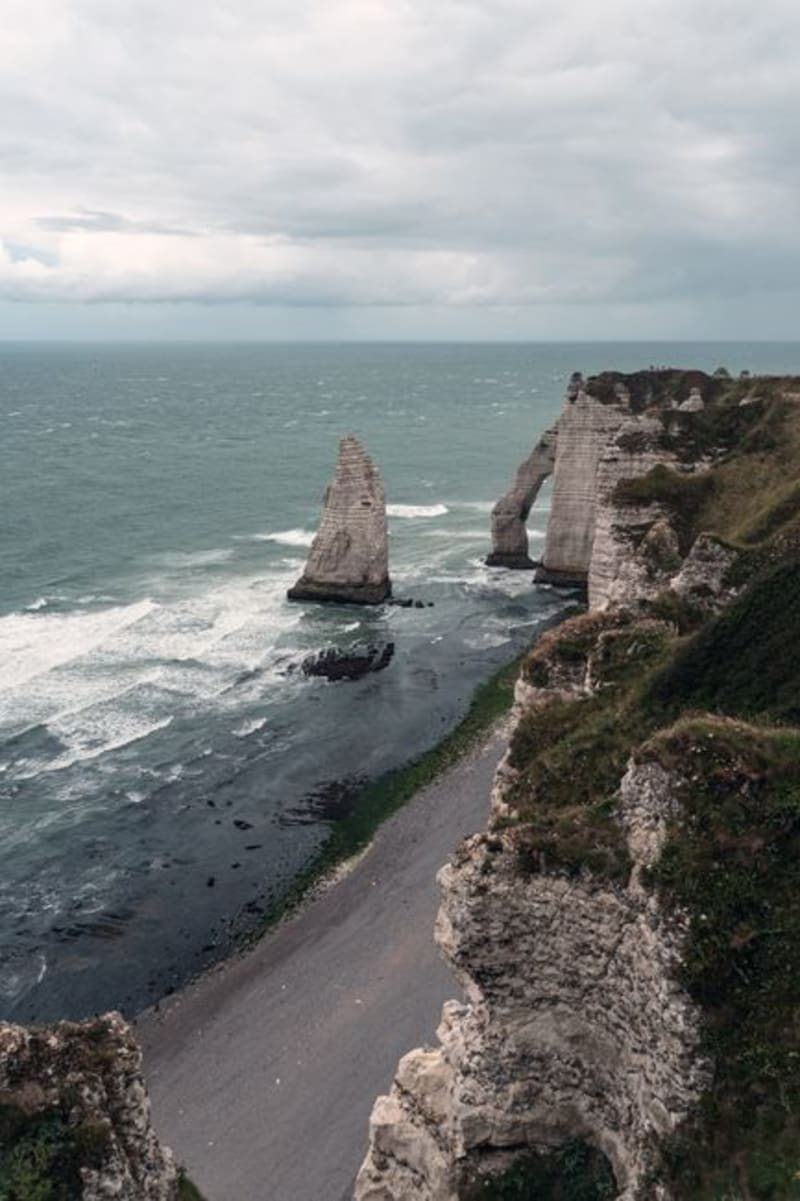
 Falaise
The fortress town where William the Conqueror was born a duke's illegitimate son and where, nine centuries later, one of the war's bloodiest battles closed around it like a trap.
Explore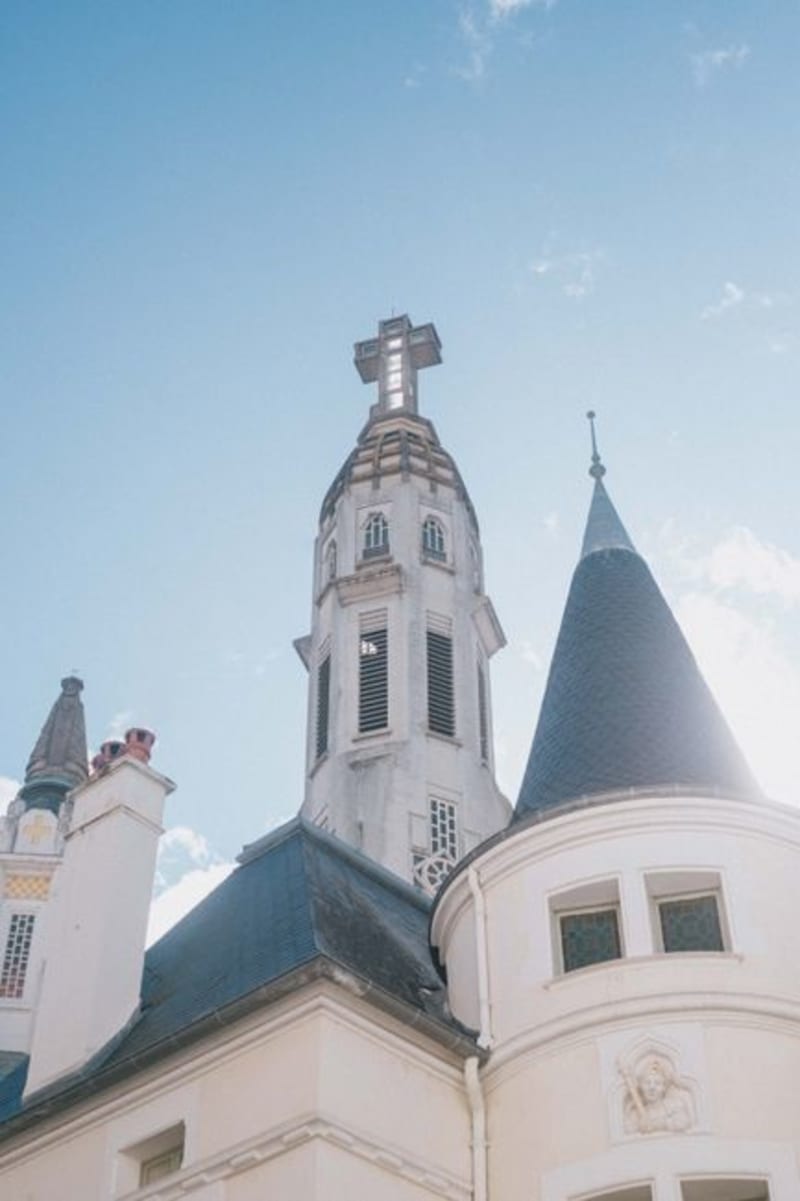 france
 Lisieux
A pilgrimage town built almost entirely around one young nun, sitting at the edge of cheese-and-cider country that made the drive there far more enjoyable than I expected.
Explore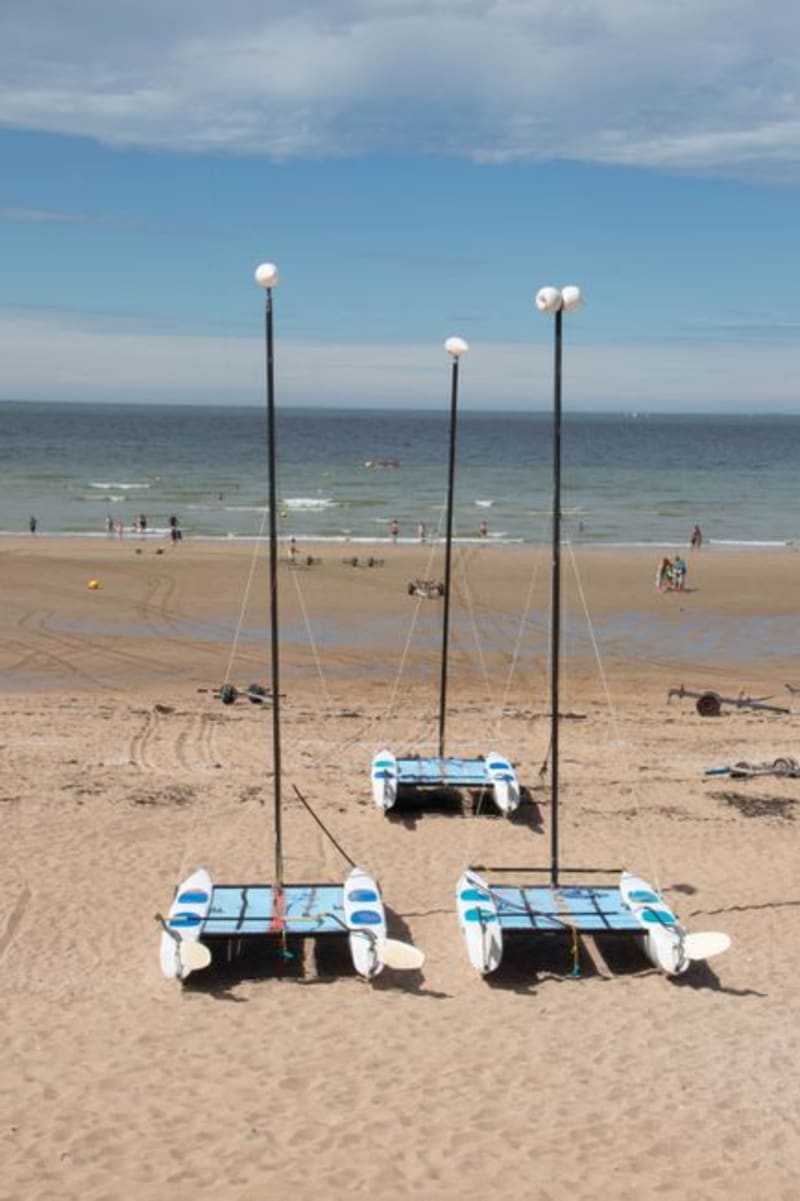 france
 Cabourg
A genteel Belle Époque seaside town on the Côte Fleurie where Marcel Proust holidayed so often that the boardwalk is now named after him and one of his characters.
Explore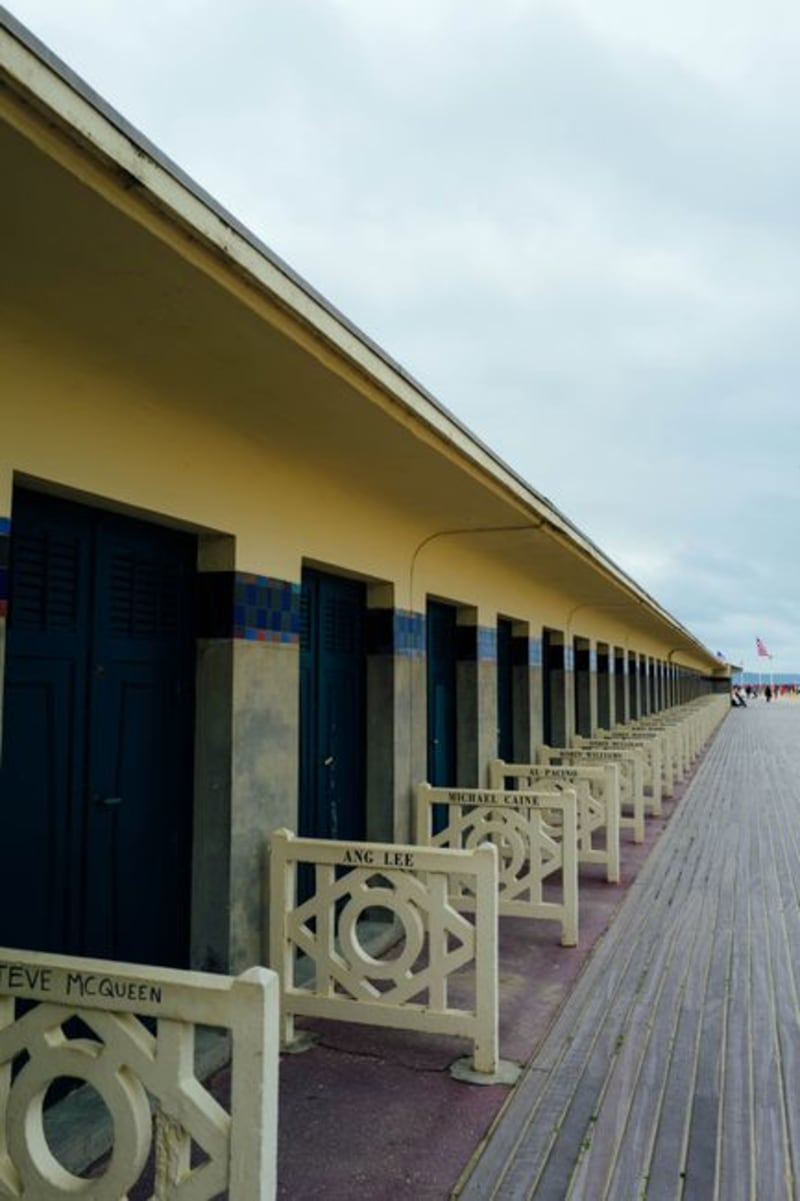 france
 Deauville
A polished Norman beach resort where the boardwalk is lined with wooden beach huts named after film stars and everyone seems to be dressed slightly better than the occasion requires.
Explore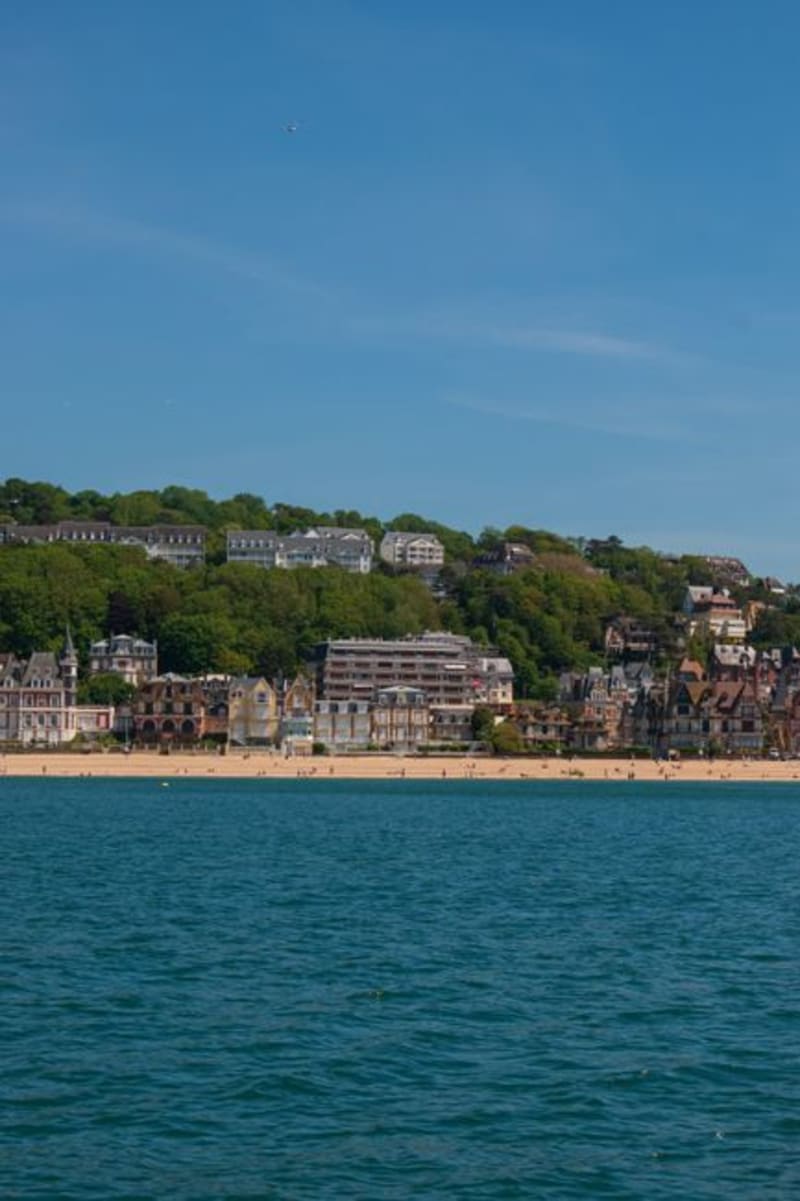 france
 Trouville-sur-Mer
Deauville's older, scruffier twin across the river, where the fish market is louder than the boutiques and I actually felt comfortable in my beach clothes.
Explore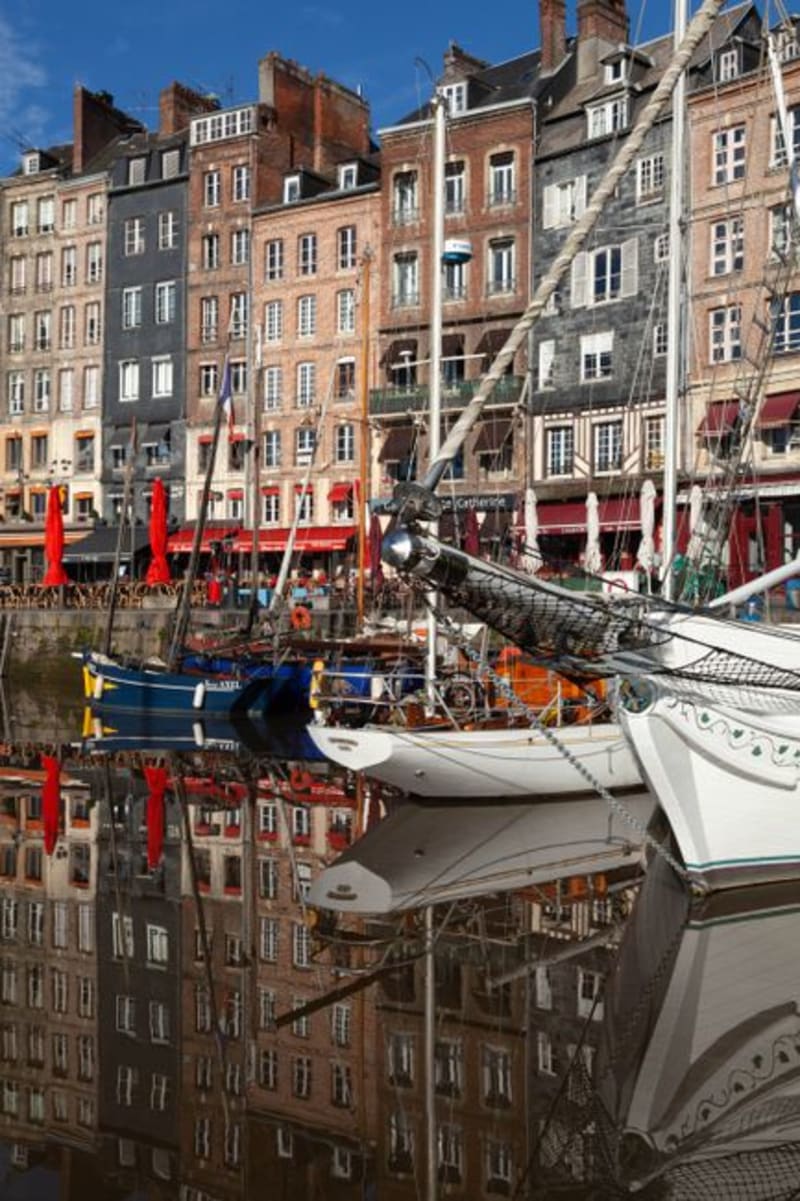 france
 Honfleur
A harbour town at the mouth of the Seine where tall, narrow houses crowd the old dock and every painter who ever visited seems to have painted the exact same view.
Explore