Cabourg
"The whole town felt like it was built around the idea of a slow, deliberate walk before dinner."
A genteel Belle Époque seaside town on the Côte Fleurie where Marcel Proust holidayed so often that the boardwalk is now named after him and one of his characters.

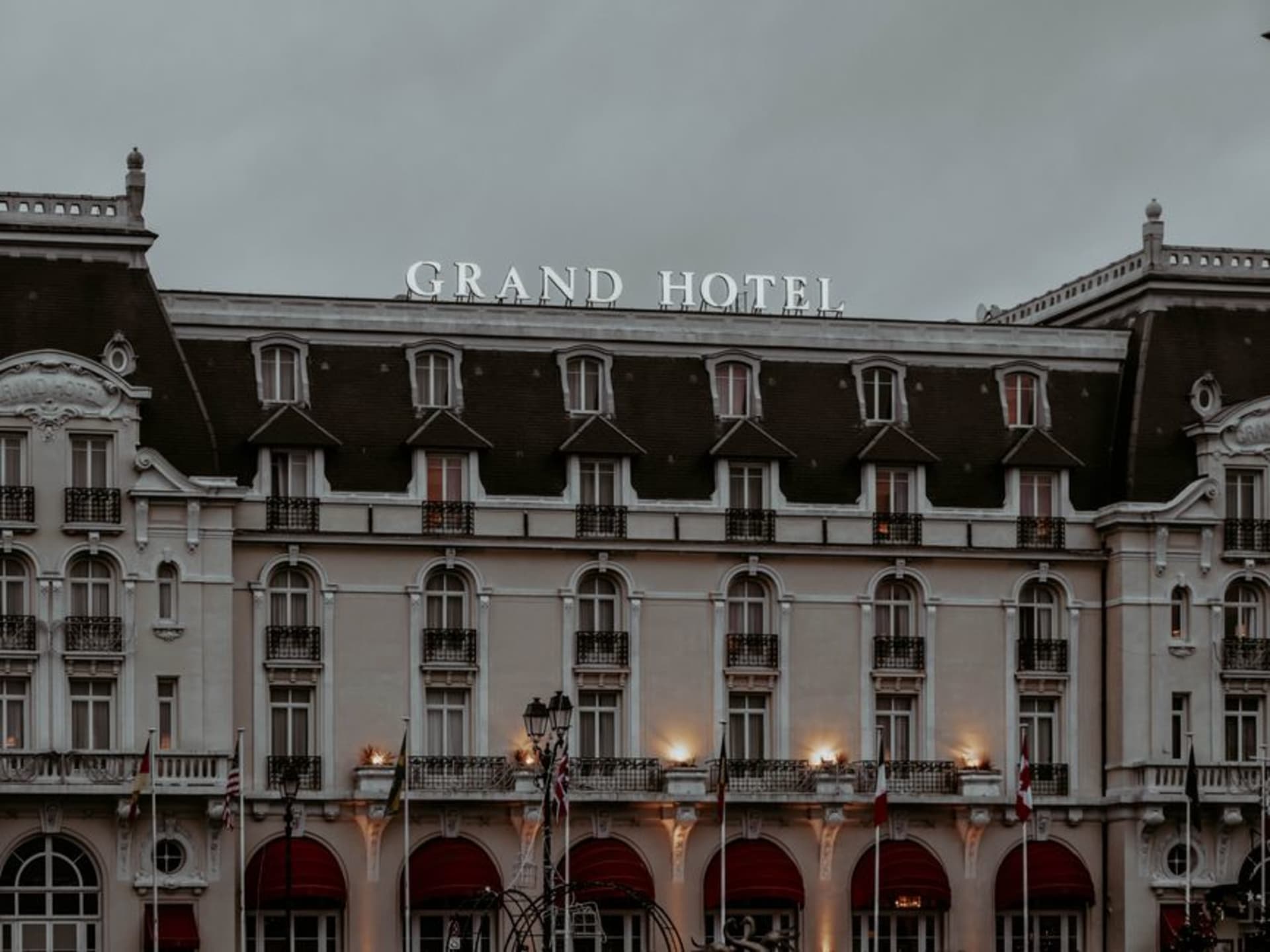
Cabourg is smaller and quieter than its glossier neighbour Deauville, and that’s exactly what drew us there after a couple of louder stops along the coast. It was laid out in the 1850s by developers who planned the entire town around its seafront in a deliberate half-moon shape, streets radiating out from the Grand Hôtel like spokes, and it still has the unhurried, faintly old-fashioned feel that made it a favourite of Belle Époque Paris.
Proust’s boardwalk
Marcel Proust holidayed at the Grand Hôtel de Cabourg for years, and the town became the model for the fictional resort of Balbec in In Search of Lost Time, where his narrator spends long, sensory summers by the sea. The boardwalk running along the beach is now officially named the Promenade Marcel Proust, and small plaques along it quote passages from the novel describing the exact light and the exact stretch of sand you’re standing on. Even without having read a word of Proust — Lia hadn’t, and admitted it freely — the walk works on its own terms: a long, curving stretch of pale sand, striped cabins, and a horizon of grey-green Channel water that clearly hasn’t changed much since he wrote about it.

A hotel built for a whole town’s social life
The Grand Hôtel itself, a vast white Belle Époque building with a curved façade mirroring the shape of the bay, was as much a social institution as a place to sleep — its terrace and casino were where 19th-century Parisian society came to see and be seen, and Proust reportedly wrote much of his work in a room there overlooking the sea. We didn’t stay the night but had a drink on the terrace at golden hour, watching a handful of sailboats drift past and a few determined swimmers braving water that, this far up the Channel, never really warms up. Afterward we walked the radiating streets behind the seafront, lined with pastel villas built in the same era, each one slightly different but clearly cut from the same architectural cloth.

When to go: Come in late spring or early autumn for mild weather and a quieter version of the promenade. The Festival du Film Romantique in June brings a burst of cinema-related energy if you want to catch it.
Keep exploring
More of Normandy
Keep exploring
More from Normandy
 france
 Deauville
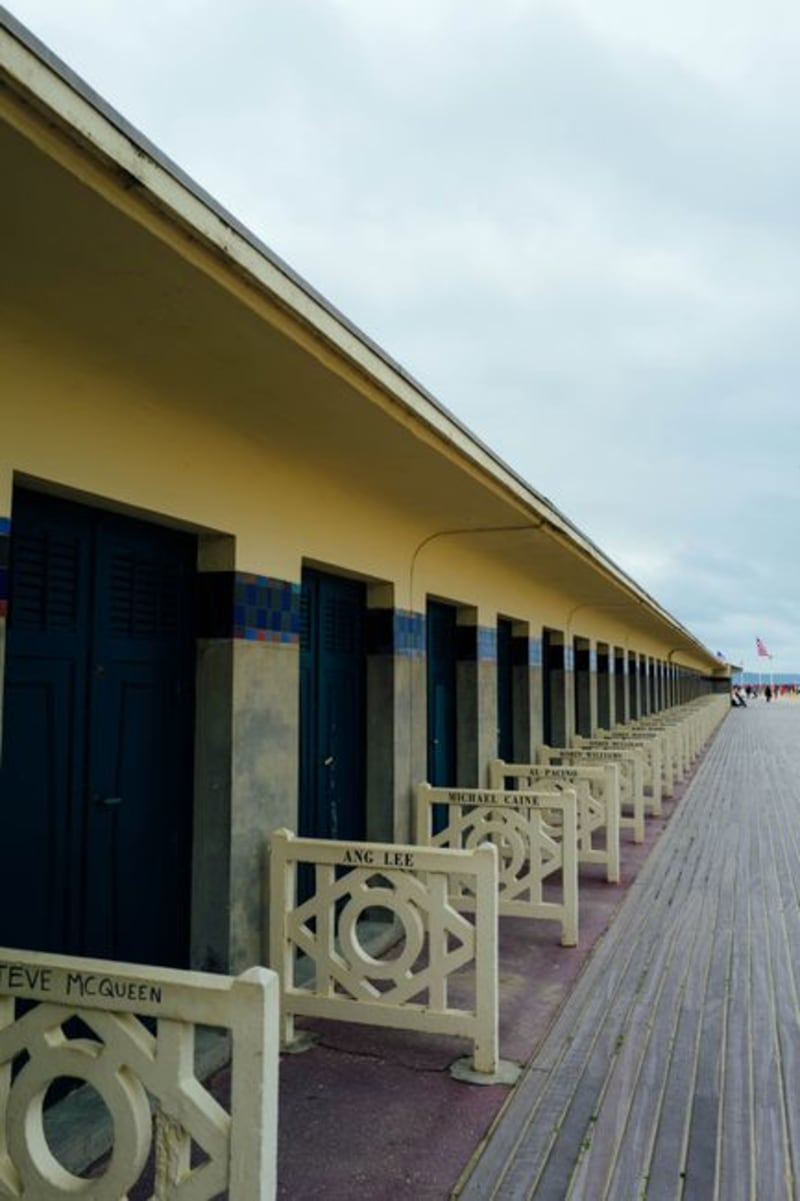
A polished Norman beach resort where the boardwalk is lined with wooden beach huts named after film stars and everyone seems to be dressed slightly better than the occasion requires.
Explore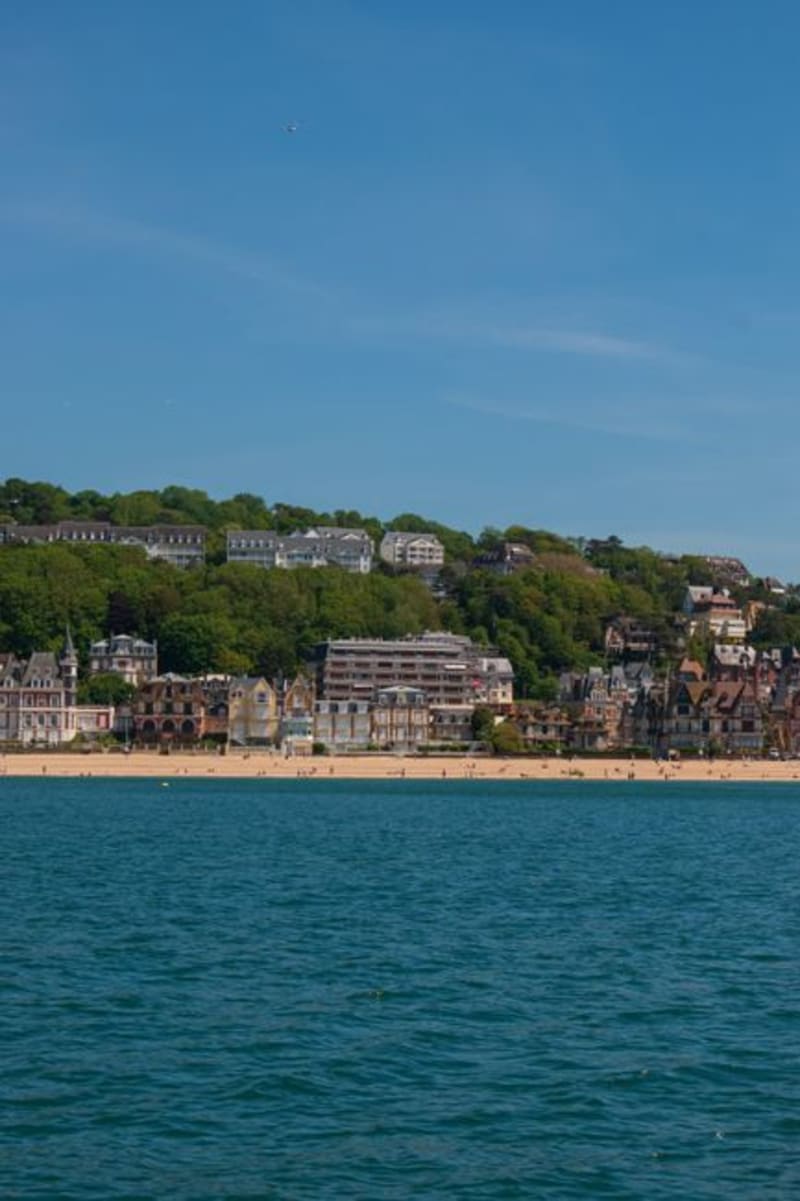 france
 Trouville-sur-Mer
Deauville's older, scruffier twin across the river, where the fish market is louder than the boutiques and I actually felt comfortable in my beach clothes.
Explore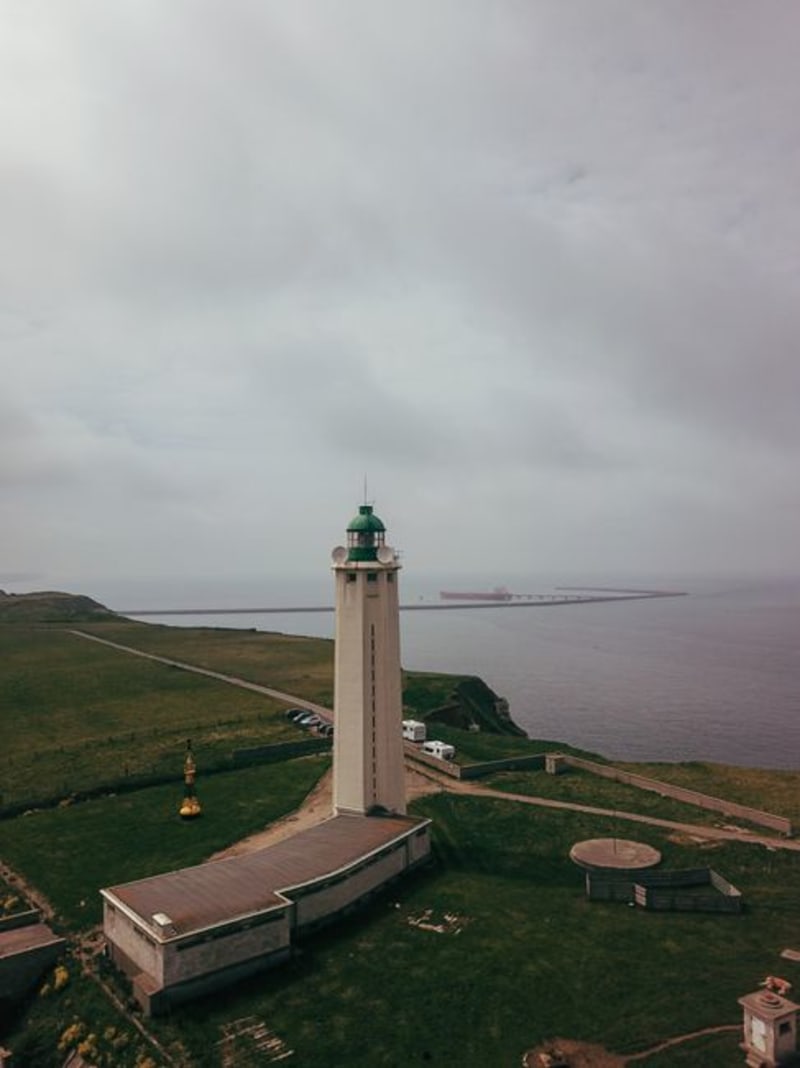 france
 Le Havre
The city Monet painted at sunrise and the Allies flattened in 1944, rebuilt in raw concrete by Auguste Perret into something Lia and I found ourselves oddly moved by, against every expectation.
Explore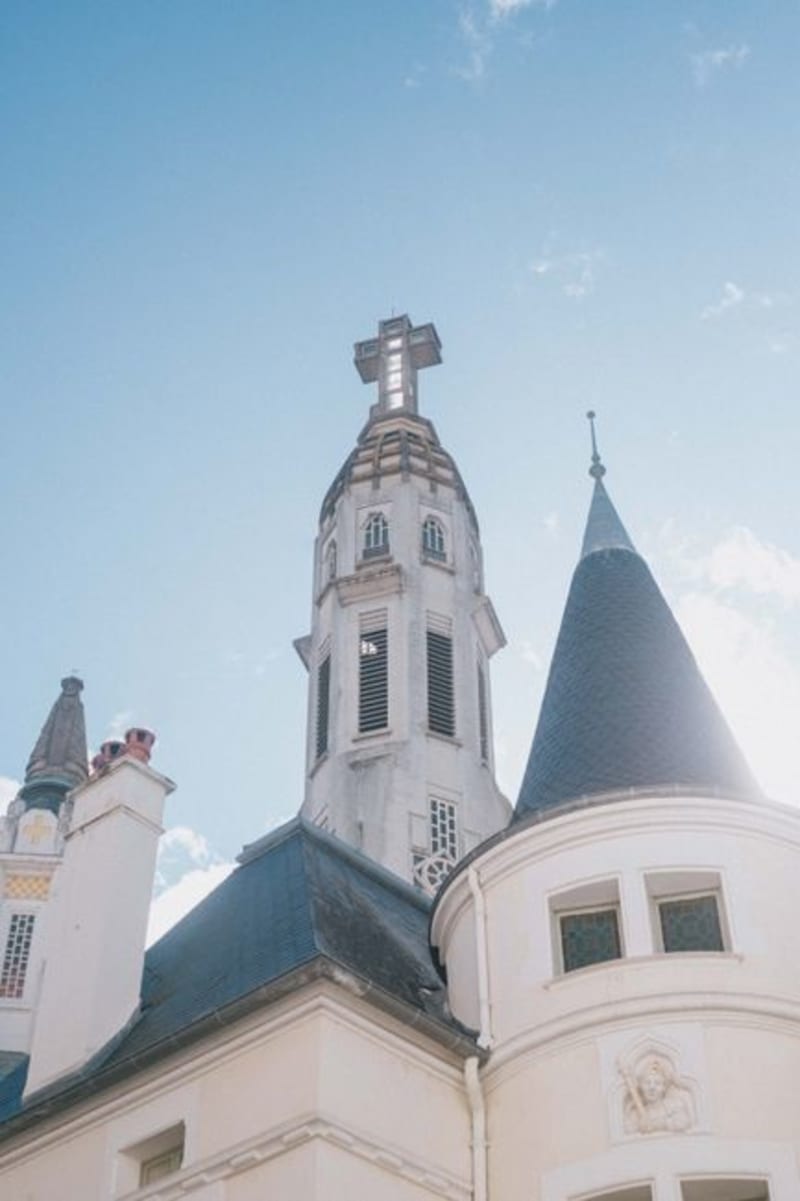 france
 Lisieux
A pilgrimage town built almost entirely around one young nun, sitting at the edge of cheese-and-cider country that made the drive there far more enjoyable than I expected.
Explore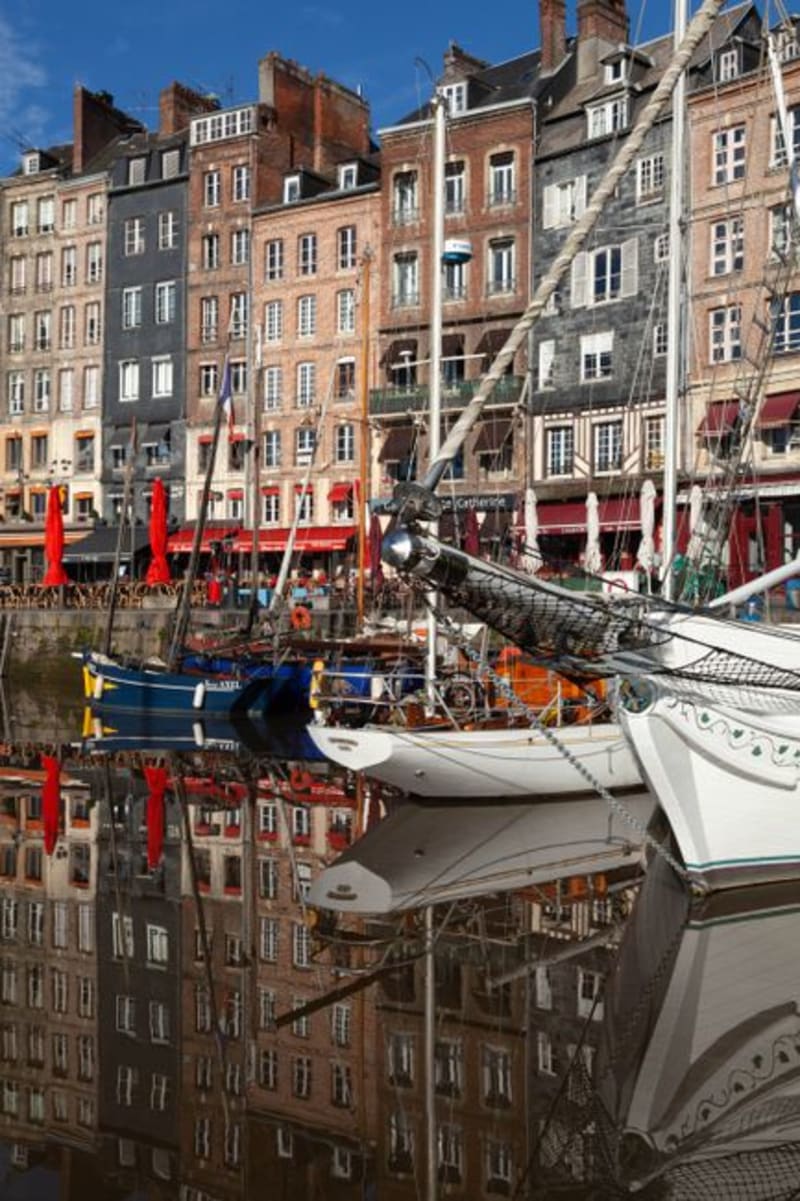 france
 Honfleur
A harbour town at the mouth of the Seine where tall, narrow houses crowd the old dock and every painter who ever visited seems to have painted the exact same view.
Explore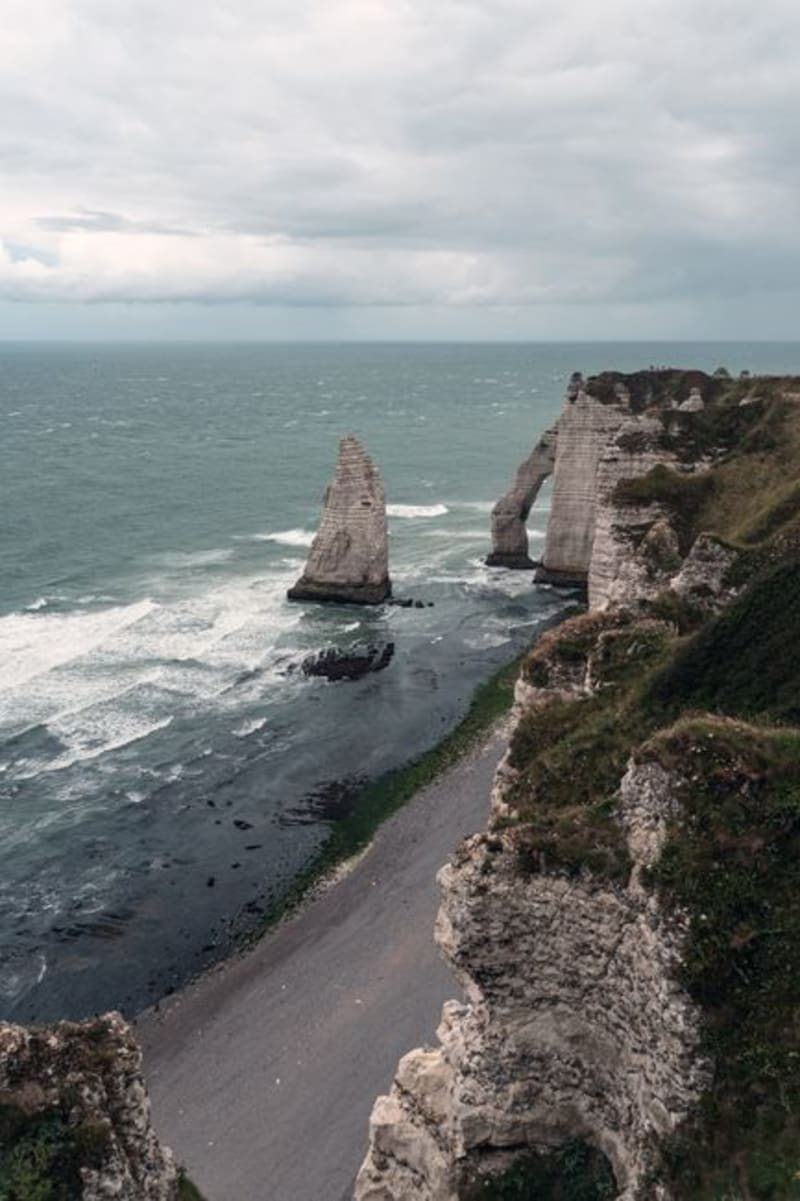 france
 Falaise
The fortress town where William the Conqueror was born a duke's illegitimate son and where, nine centuries later, one of the war's bloodiest battles closed around it like a trap.
Explore