Loches
"Loches is the closest I've come in France to walking straight into the fourteenth century."
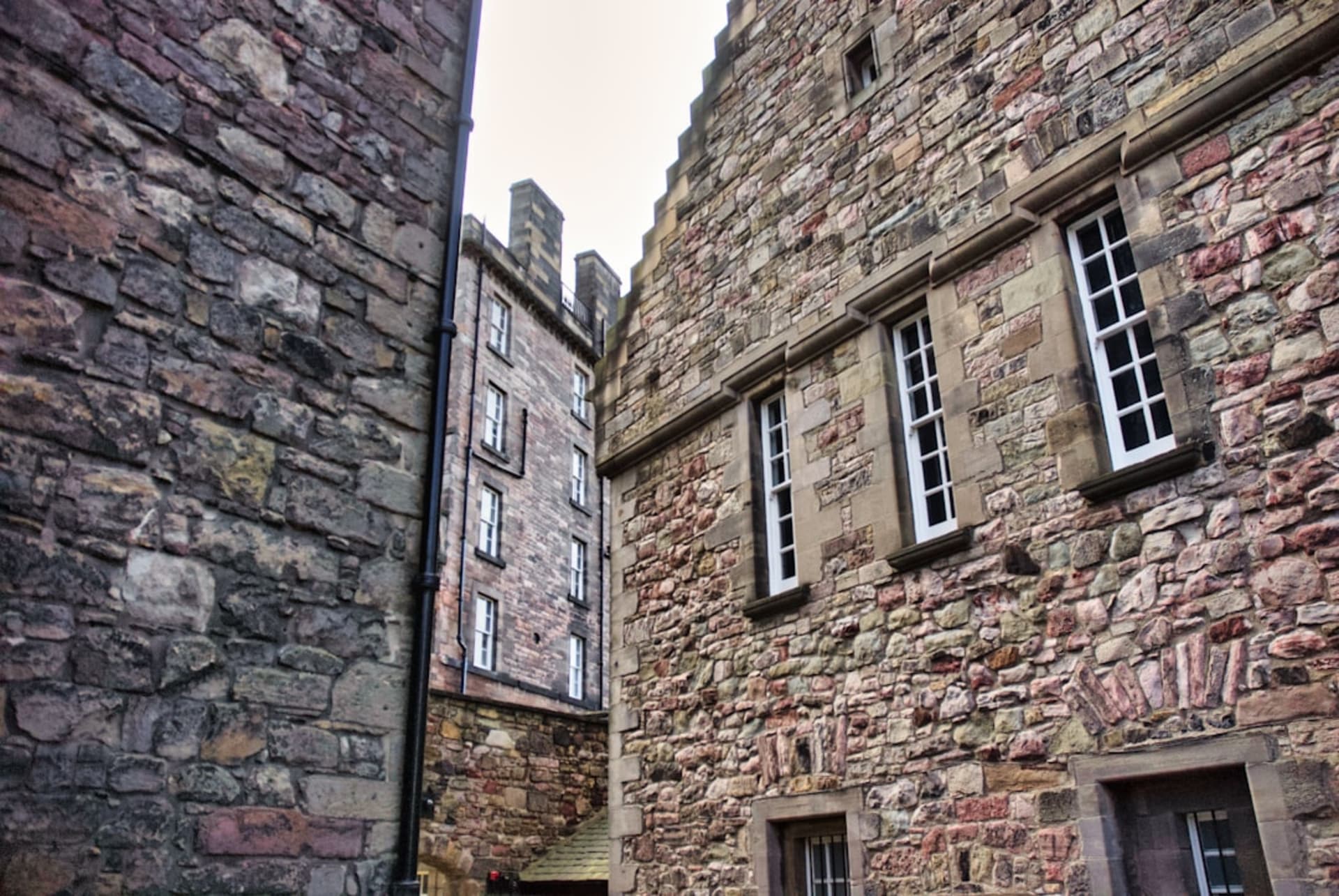
A walled medieval town on a rocky spur south of the Loire, still ringed by its original ramparts, with a royal keep, a prison tower, and none of the crowds that gather further north.

We added Loches to the itinerary almost as an afterthought, a forty-minute drive south of the main château cluster, and it ended up being the town where the Middle Ages felt most physically present. Loches is still entirely enclosed by its medieval ramparts, over a kilometre of them intact, and the old town inside is compact enough to walk end to end in under twenty minutes — cobbled streets, stone houses leaning slightly with age, almost no tourist infrastructure beyond what the town genuinely needs.
A keep, a tower, and a very real prison
The Cité Royale at the southern end of town is really two structures in one: the Logis Royal, a royal residence where Charles VII’s mistress Agnès Sorel lived and where Joan of Arc came to convince the king to march to Reims for his coronation after her success at Chinon, and, at the opposite end, the Donjon, an eleventh-century square keep among the oldest and best-preserved in France. Between them sits the Tour Ronde, later converted into a prison that held political detainees for centuries, including, most famously, Ludovico Sforza, the Duke of Milan, who was imprisoned here by Louis XII and, according to local legend, painted stars on his cell ceiling to mark the days.
We climbed the keep’s narrow stone stairs to the top, wind cutting hard across the open platform, and looked out over a landscape of farmland and forest with almost no other town visible — a genuinely different feeling from the busy river valley we’d been driving through for days.

Agnès Sorel’s tomb and a quiet market square
Inside the Logis Royal, the most striking thing is Agnès Sorel’s tomb — an alabaster effigy of the king’s mistress, the first officially acknowledged royal mistress in French history, shown with two lambs at her feet, a reference to her patron saint. She died young, likely poisoned, and the tomb has been moved several times over the centuries as opinion about her shifted, ending up back in the château where she once lived.
Down in the town itself, the Wednesday and Saturday market fills the streets below the collegiate church of Saint-Ours, whose two unusual pyramidal stone roof spires — designed, unusually, without wood framing — mark the town’s skyline from any direction. We bought a round of Sainte-Maure de Touraine goat cheese from a stall there, ash-coated and shaped in its distinctive log, and ate it that evening with bread on a bench along the ramparts.

When to go: Spring or autumn weekdays for the quietest version of the ramparts walk, though Loches rarely feels crowded even in summer — it’s one of the few Loire towns where I’d say the season barely matters.
Keep exploring
More of Loire Valley
Keep exploring
More from Loire Valley
 france
 Chenonceaux
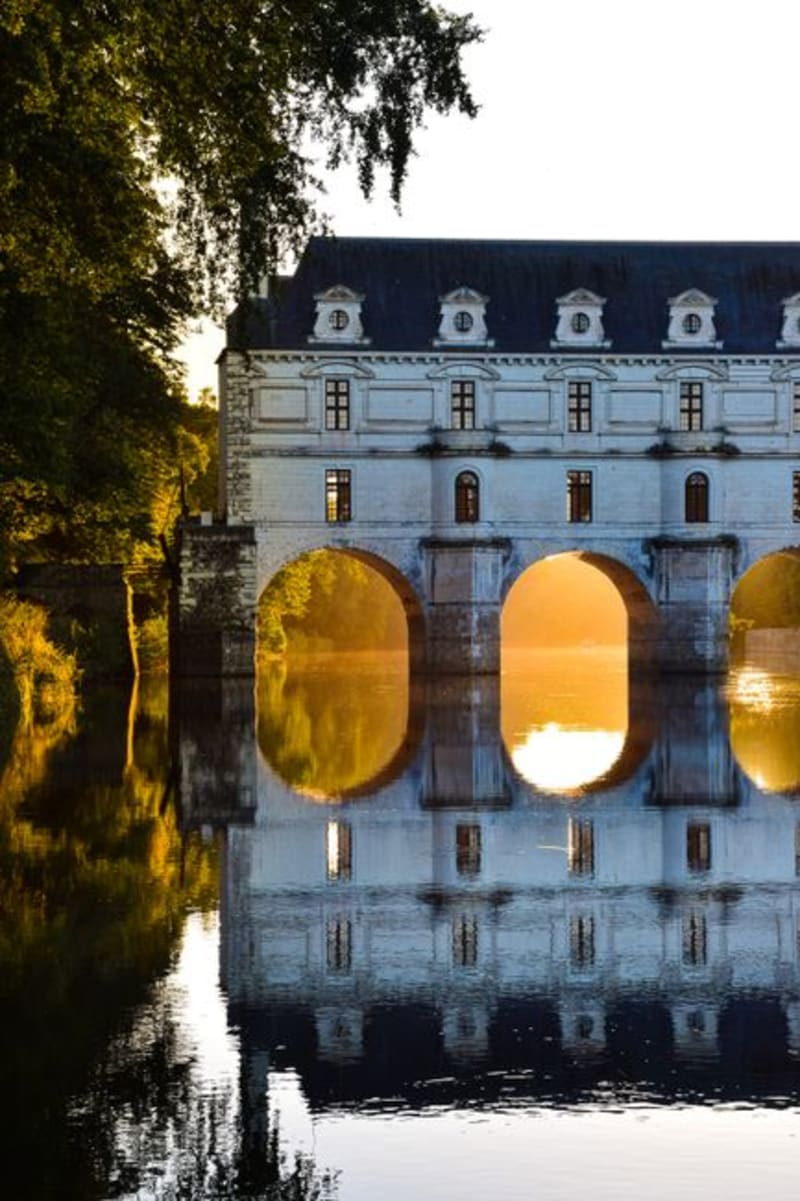
A tiny village that exists almost entirely to serve the château arching over the River Cher beside it, built and shaped by a string of formidable women whose rivalry you can still trace room by room.
Explore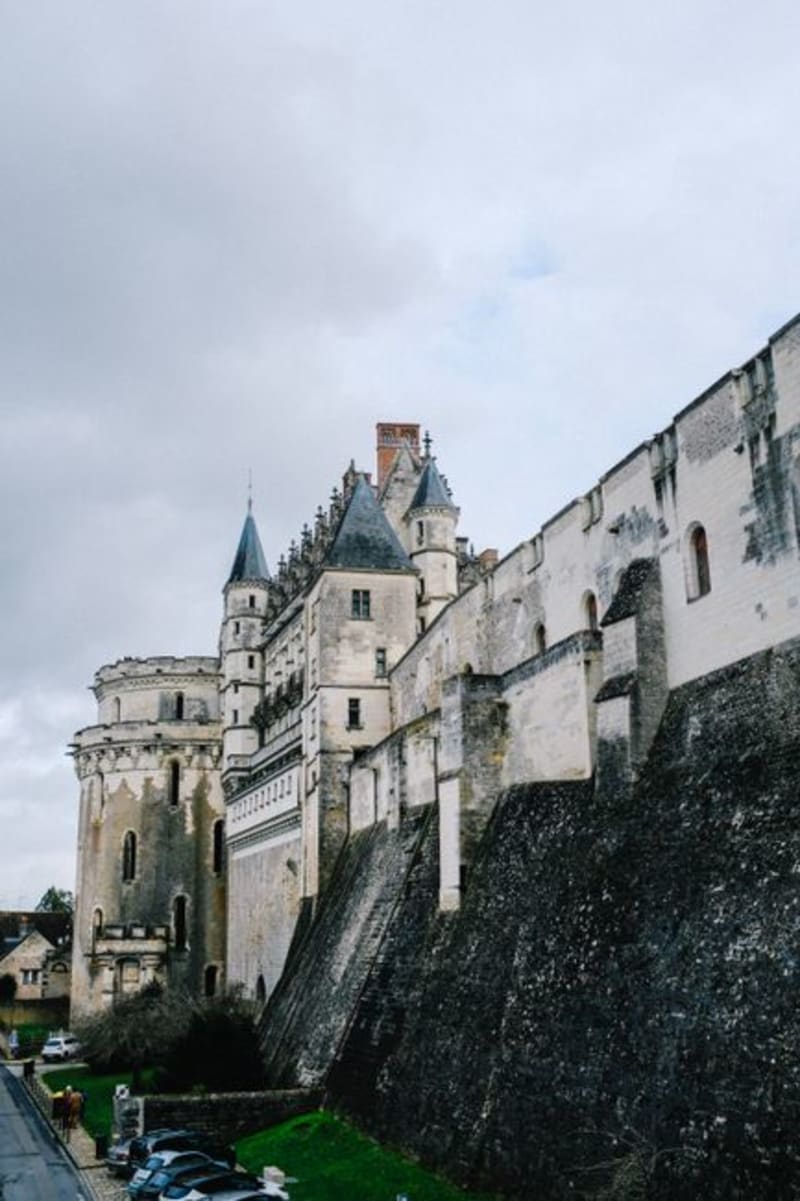 france
 Amboise
A honey-stone town on the Loire where Leonardo da Vinci lived out his last years, and where the château's terrace still catches the best light on the river in the valley.
Explore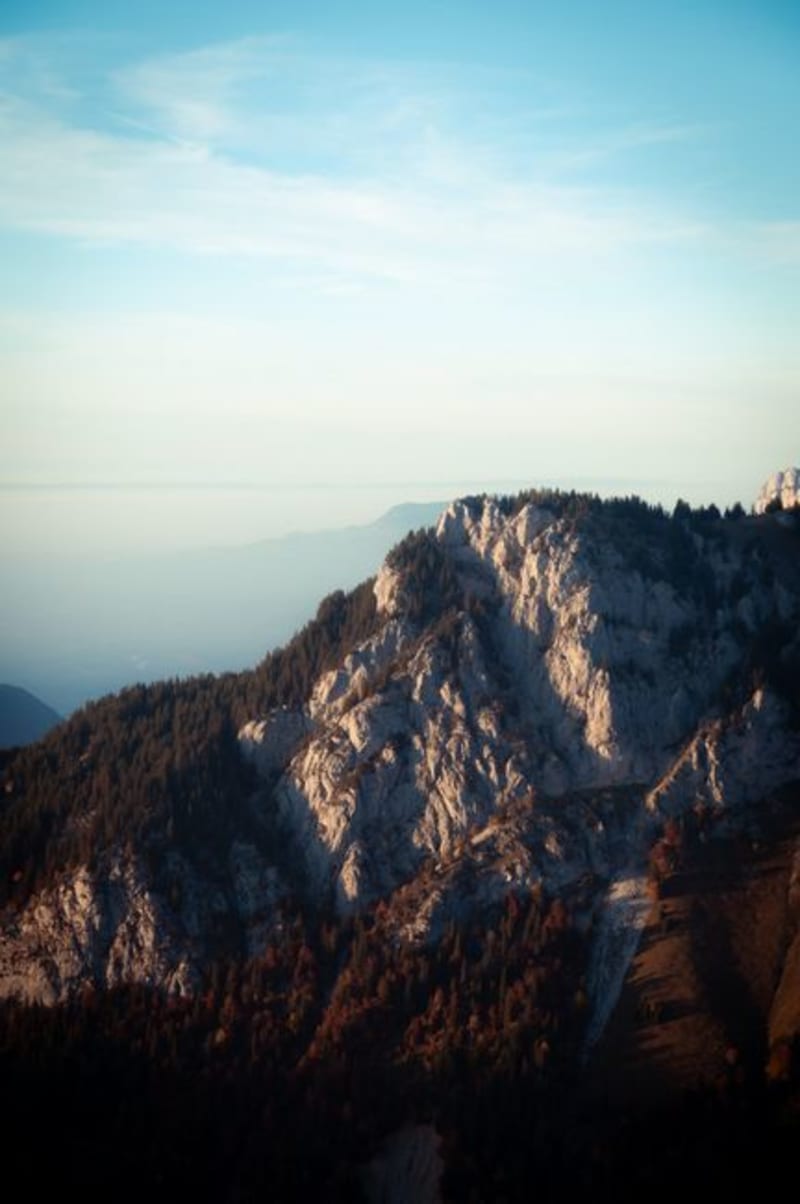 france
 Le Grand-Pressigny
A small village that was, five thousand years ago, apparently the flint-tool capital of Europe — proof that this valley has been worth fighting over since long before anyone thought to build a château.
Explore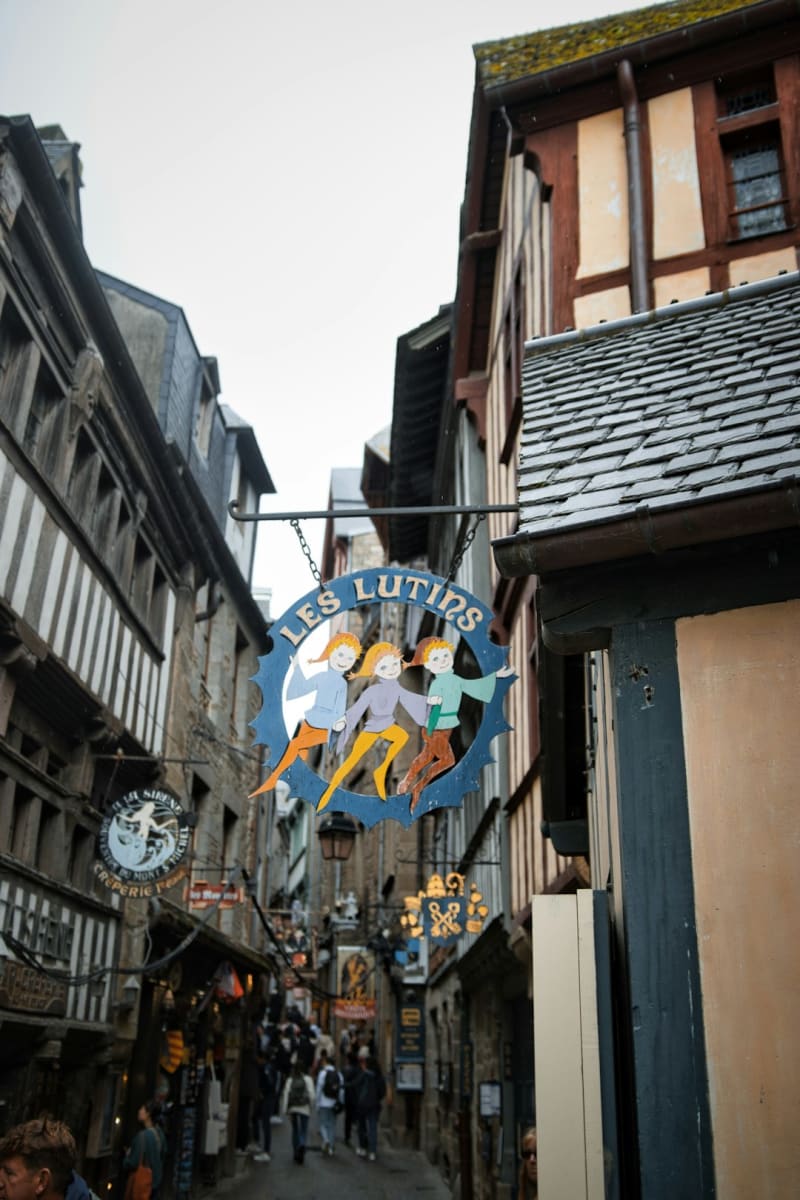 france
 Tours
The real capital of the Loire, a lively university city with a half-timbered old quarter, a cathedral of shifting styles, and a student-driven bar scene that makes it feel nothing like the sleepy château towns around it.
Explore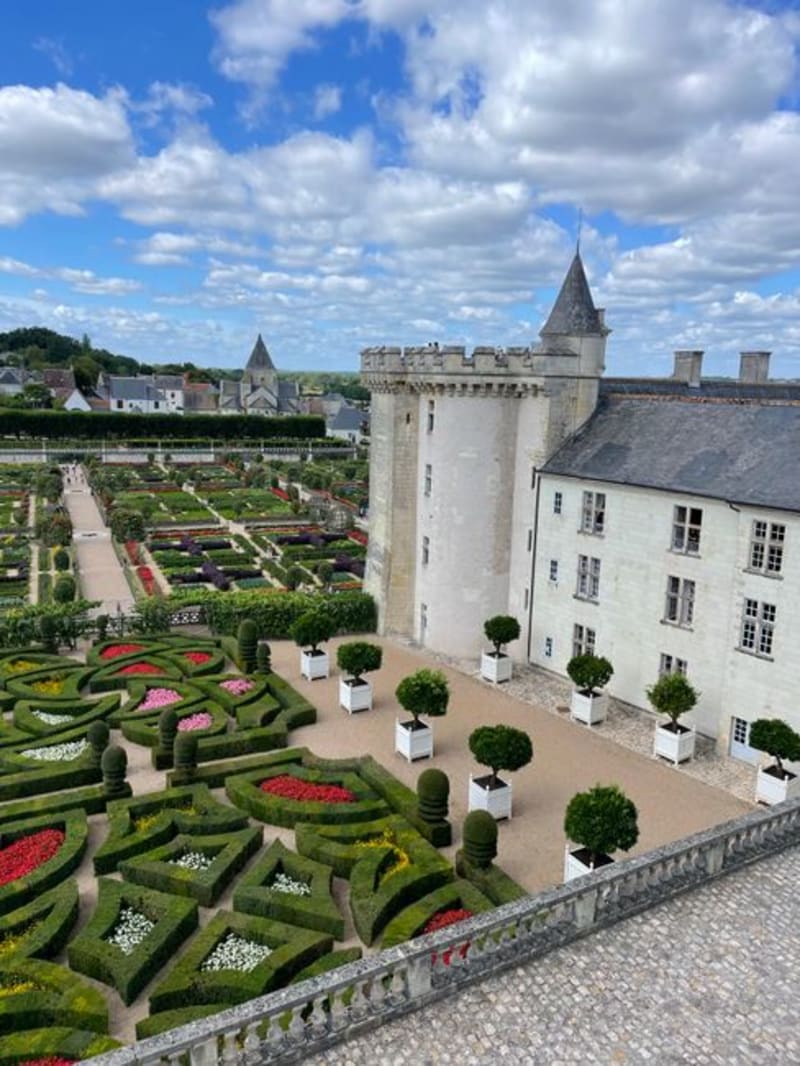 france
 Villandry
A small village known for exactly one thing, but it's a spectacular one — the last great Renaissance château garden in the Loire, still laid out as ornamental vegetable beds by the family that saved it a century ago.
Explore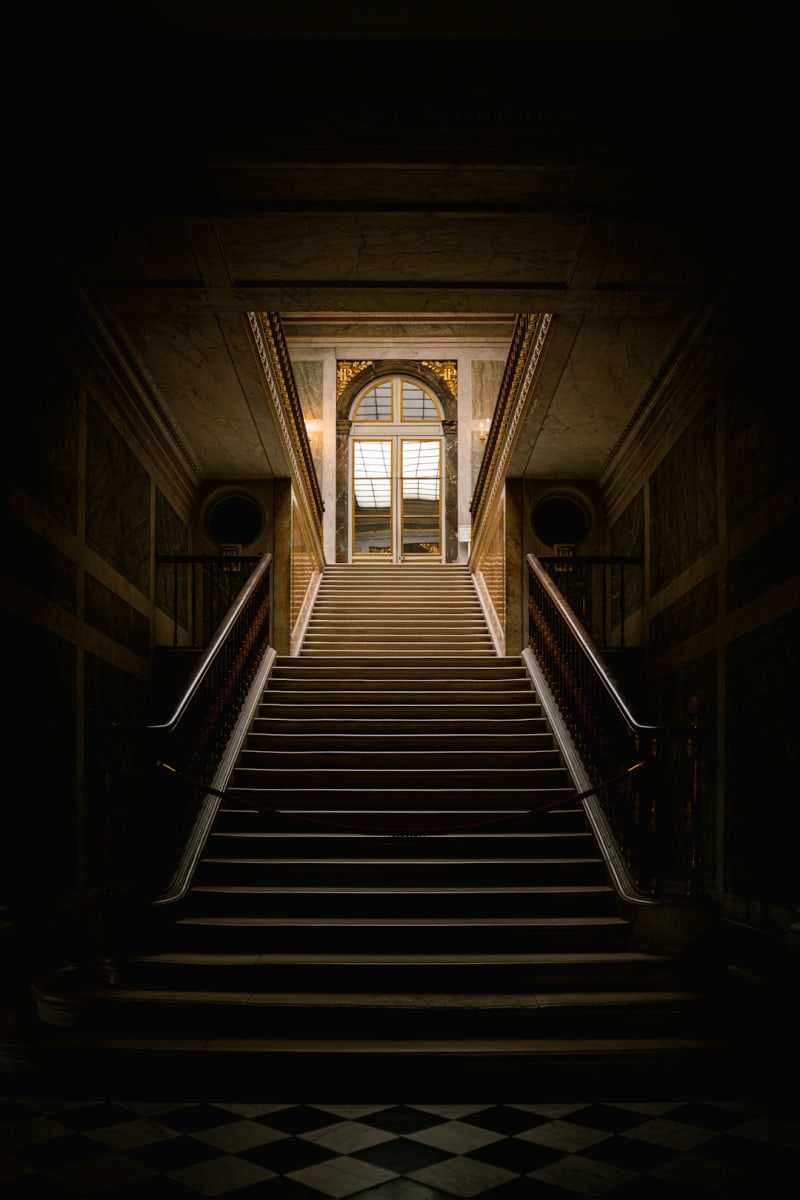 france
 Azay-le-Rideau
A small village built almost entirely around a Renaissance château that seems to float on its own reflecting moat, quiet enough that we had whole rooms of it to ourselves on a Tuesday afternoon.
Explore