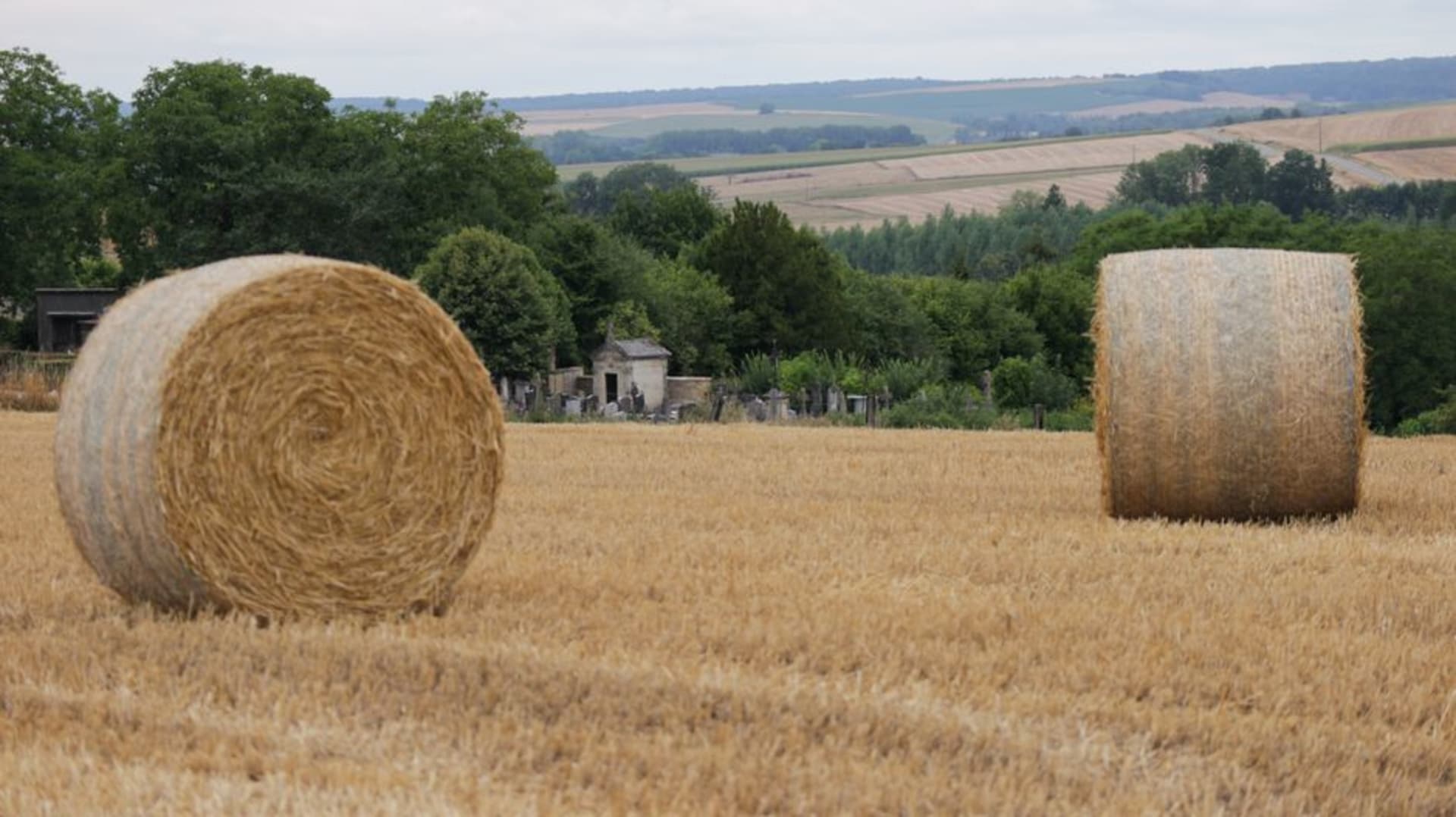
Le Grand-Pressigny
"Five thousand years before anyone here worried about kings, this valley was already exporting to half a continent."
A small village that was, five thousand years ago, apparently the flint-tool capital of Europe — proof that this valley has been worth fighting over since long before anyone thought to build a château.

Le Grand-Pressigny is a genuine detour — it sits south of the main château cluster, on the Claise river rather than the Loire itself, and we only went because a friend in Tours insisted we’d regret skipping it. She was right, though not for any reason I expected going in. This isn’t a Renaissance story. It’s a Stone Age one.
The workshop that supplied prehistoric Europe
Around 5,000 years ago, in the late Neolithic, the hills around Le Grand-Pressigny sat on top of an unusually pure, honey-coloured flint that turned out to be ideal for knapping long, straight blades. What developed here wasn’t casual local toolmaking but something closer to industrial production — specialized workshops turning out enormous quantities of long flint blades, some over thirty centimetres, that archaeologists have since traced as far as Switzerland, the Netherlands, and southern Germany. The scale of it is what got me: this tiny patch of the Touraine countryside was, for a few centuries, a genuine export hub in a network stretching across much of western Europe, thousands of years before anyone here spoke a language we’d recognize.
The museum built into and around the town’s Renaissance château lays this out with real clarity, cases of honey-gold blades arranged by findspot, maps tracing the trade routes, and a display comparing raw nodules to the finished blades that made the skill involved suddenly very tangible. I’ve walked past flint arrowheads in a dozen museums without much reaction; seeing the scale of production here changed that.

A château that’s almost an afterthought
The Renaissance château sitting above the village, which houses part of the collection, would be a notable stop on its own anywhere else in the valley — a fifteenth and sixteenth-century residence with a good watchtower view over the Claise valley and its patchwork of farmland. Here it’s almost secondary, a beautiful shell wrapped around fifty centuries of continuous human presence that the building itself only represents the last sliver of. Standing on the terrace looking out over quiet, unremarkable farmland, knowing that this exact ground once anchored a trade network reaching hundreds of kilometres away, gave me a kind of vertigo I didn’t get from any of the actual châteaux.

When to go: Spring or autumn on a weekday, when the museum is quiet enough to actually take your time with the display cases rather than shuffling past them.
Keep exploring
More of Loire Valley
Keep exploring
More from Loire Valley
 france
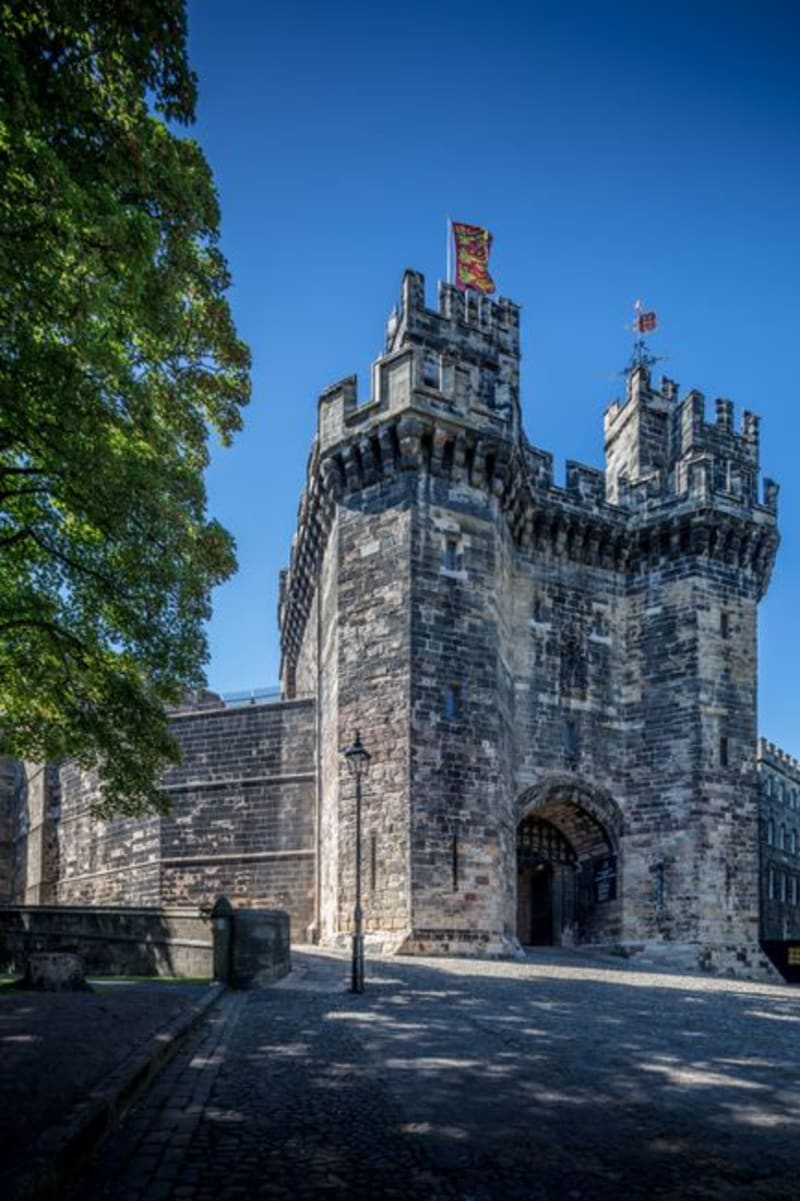
 Loches
A walled medieval town on a rocky spur south of the Loire, still ringed by its original ramparts, with a royal keep, a prison tower, and none of the crowds that gather further north.
Explore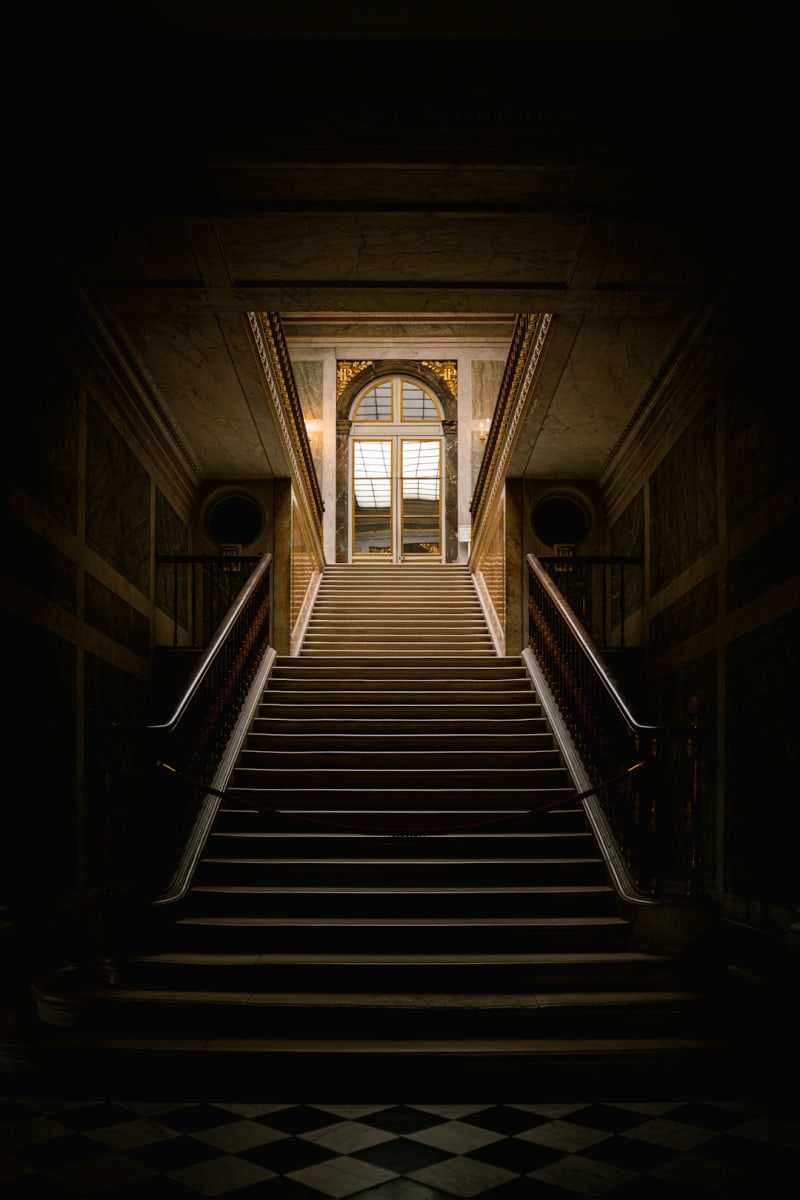 france
 Azay-le-Rideau
A small village built almost entirely around a Renaissance château that seems to float on its own reflecting moat, quiet enough that we had whole rooms of it to ourselves on a Tuesday afternoon.
Explore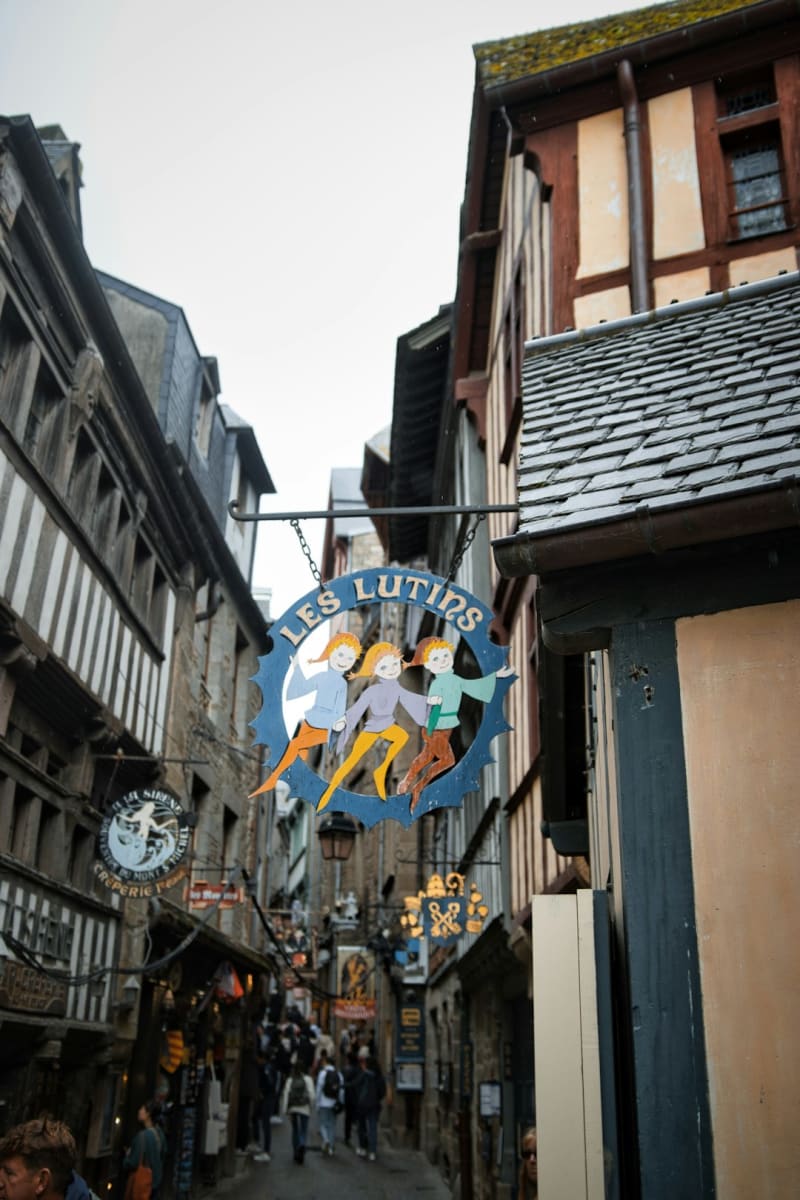 france
 Tours
The real capital of the Loire, a lively university city with a half-timbered old quarter, a cathedral of shifting styles, and a student-driven bar scene that makes it feel nothing like the sleepy château towns around it.
Explore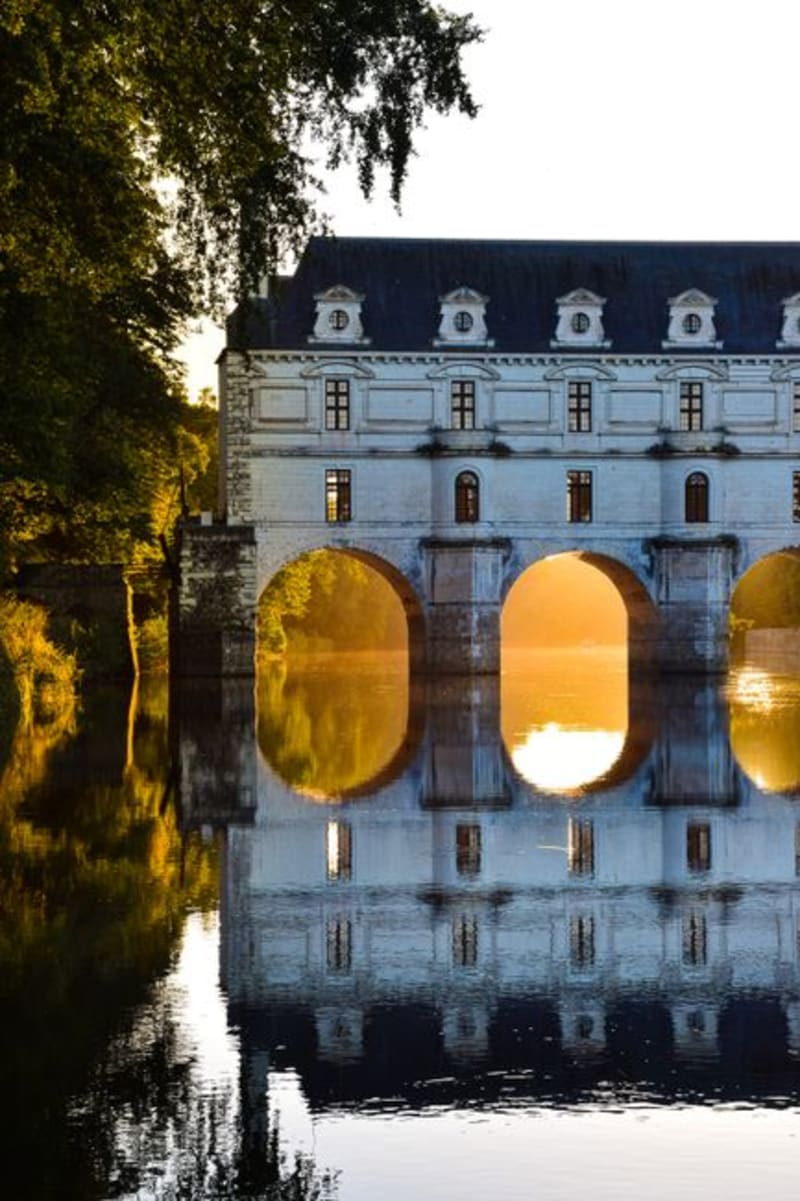 france
 Chenonceaux
A tiny village that exists almost entirely to serve the château arching over the River Cher beside it, built and shaped by a string of formidable women whose rivalry you can still trace room by room.
Explore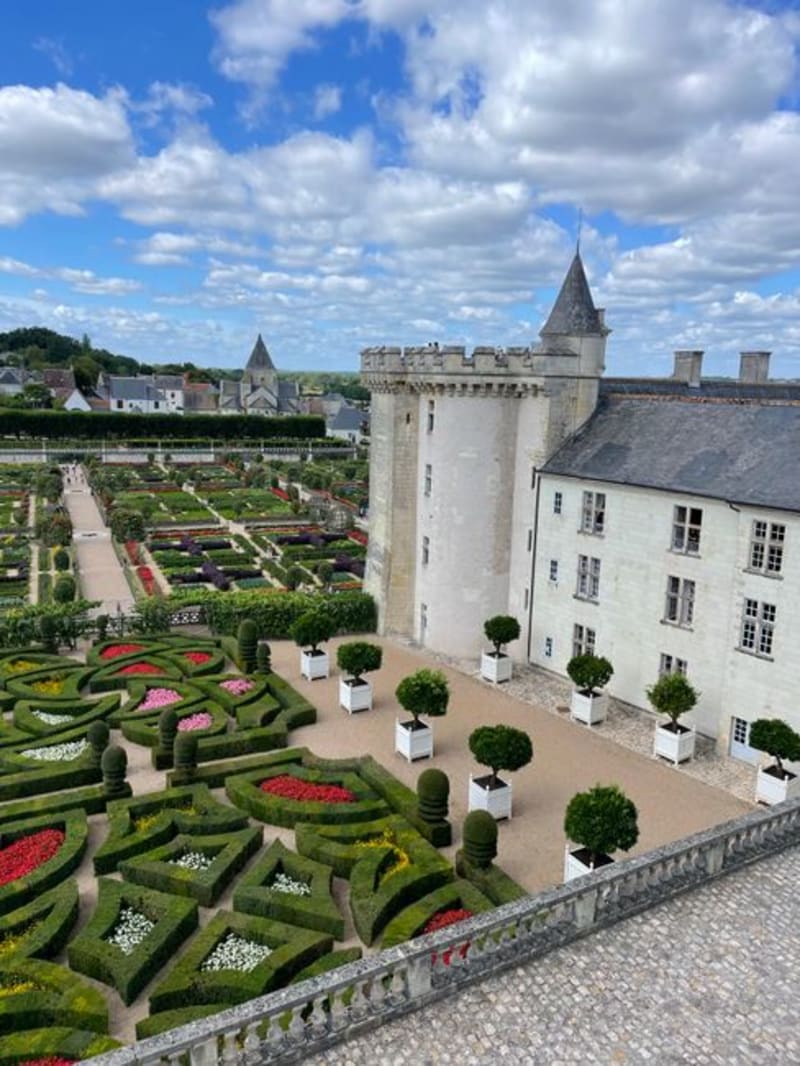 france
 Villandry
A small village known for exactly one thing, but it's a spectacular one — the last great Renaissance château garden in the Loire, still laid out as ornamental vegetable beds by the family that saved it a century ago.
Explore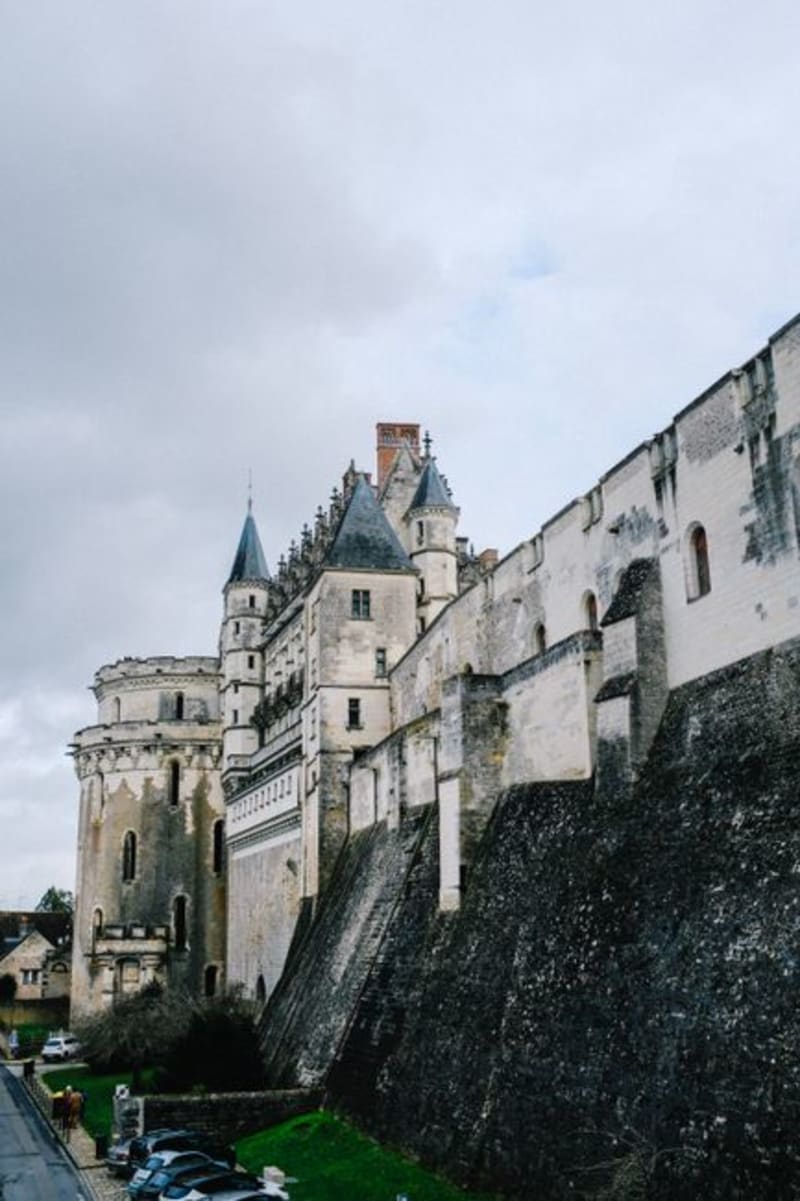 france
 Amboise
A honey-stone town on the Loire where Leonardo da Vinci lived out his last years, and where the château's terrace still catches the best light on the river in the valley.
Explore