Saint-Point
"He wrote about the lake from his window. We just got in a kayak and let it write itself into the afternoon."
The lakeside estate where the poet Lamartine came home to write, and where his château now overlooks a lake we spent an entire lazy afternoon paddling across instead of reading a single line of his poetry.

Alphonse de Lamartine is one of those French literary names everyone half-remembers from school without quite placing, and coming to Saint-Point filled in the gap for me. This is where he kept his family château, a turreted medieval-and-Renaissance building he inherited through marriage and returned to obsessively throughout his life, restoring it, writing in it, and eventually choosing to be buried in its grounds beside his wife and daughter rather than in Paris, where his political career and his fame as a Romantic poet had otherwise unfolded.
A poet’s retreat with a view worth the reputation
The château sits on a rise with a clear line of sight down to Lac de Saint-Point, and it’s easy to see why Lamartine kept coming back here to write rather than staying in the capital — the combination of the château’s quiet, ivy-softened stone and the lake glinting below has an obvious pull even now. The rooms open to visitors keep much of his furniture and manuscripts in place, and the small family chapel where he’s buried has a plainness that feels deliberate, a Romantic poet choosing an unshowy final resting place after a very showy public life.

The lake he wrote about, from a kayak instead of a window
Lac de Saint-Point is the second-largest natural lake in the Jura, and unlike the château it rewards active use rather than quiet contemplation — there’s a public beach, a sailing club, and kayak and paddleboard rentals along the shore that we took full advantage of on a warm afternoon. Paddling out toward the middle, with the château visible on its rise and the forested hills closing around the water on every side, I had a brief, unearned moment of understanding what kept pulling Lamartine back here, before promptly forgetting all his poetry again and just enjoying the water.

When to go: Summer for swimming, sailing, and kayaking on the lake, though the château grounds are pleasant for a quieter visit in spring or autumn.
Keep exploring
More of Jura
Keep exploring
More from Jura
 france
 Lons-le-Saunier
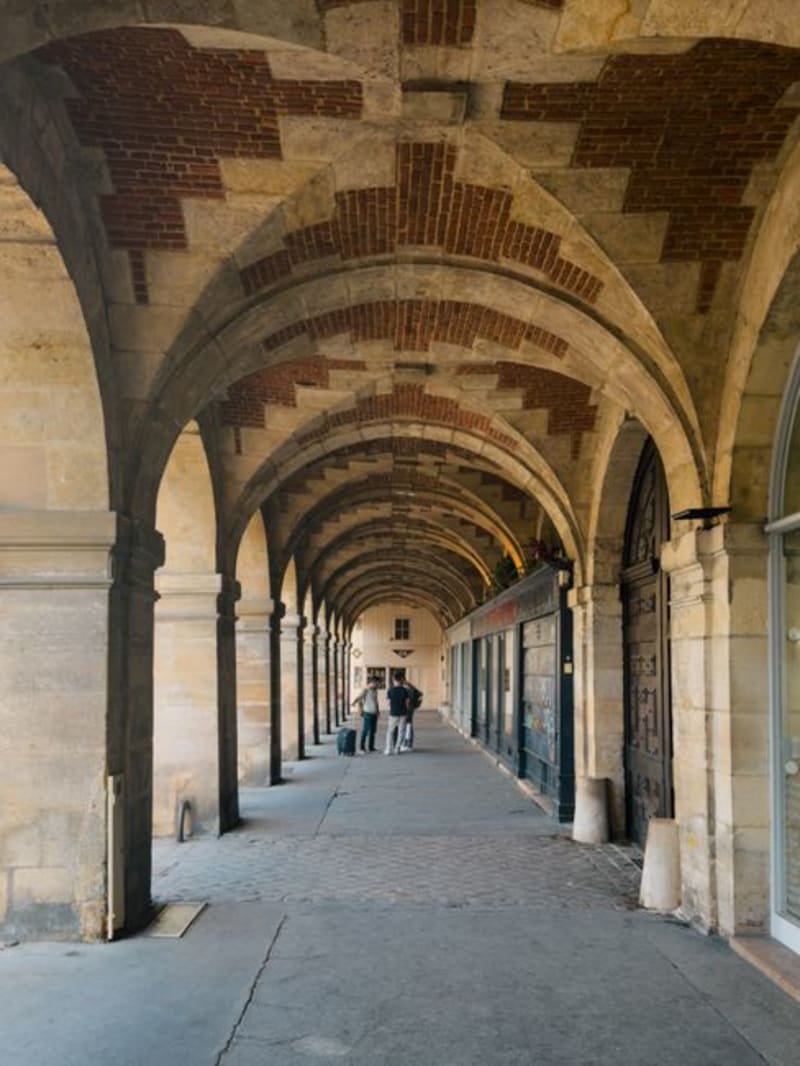
A salt-built spa town in the Jura and the birthplace of the man who wrote La Marseillaise, its arcaded main street and thermal park giving it a quieter, more civic charm than the Jura's postcard villages.
Explore france
 Château-Chalon
A clifftop village of barely one hundred and fifty people that somehow invented vin jaune, and where the ruined abbey above the vines gave us the single best view of the whole Jura wine country.
Explore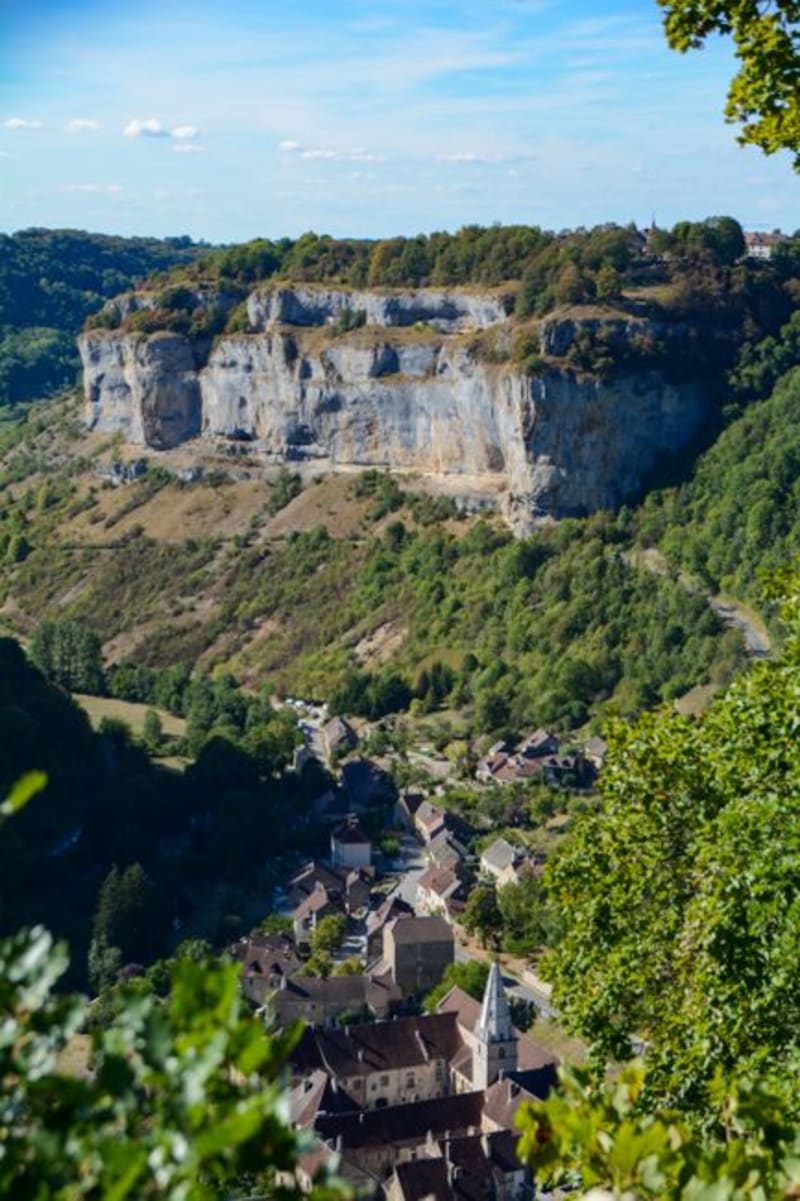 france
 Baume-les-Messieurs
A village hidden inside a dead-end limestone canyon in the Jura, built around an ancient abbey and surrounded by cheese cellars ageing the region's prized Comté in caves cut into the cliffs.
Explore france
 Dole
The town where Louis Pasteur was born in a tannery by the canal, and where the old quarter's arcaded streets convinced me the Jura had a proper city hiding at its edge all along.
Explore france
 Saint-Claude
A town squeezed into a river gorge so tight the streets have to climb in switchbacks, famous for carving pipes and cutting diamonds, which is a stranger combination than it sounds until you see the place.
Explore france
 Pupillin
A village of maybe two hundred people and roughly as many wine cellars, self-declared capital of the Poulsard grape, where every second door seemed to open onto someone's family cave.
Explore