
Lyon
"In Lyon, the question is never whether to eat well — it is how many courses you can survive."
The gastronomic capital of France — a city where eating is not a meal but a philosophy, and the traboules hide centuries of secrets.

Lyon is the city that taught France how to eat. This is not hyperbole — it is history. The bouchon lyonnais, a type of restaurant unique to this city, serves a cuisine so rich, so unapologetically carnivorous, so rooted in the traditions of the silk workers and market traders who invented it, that a proper Lyon lunch can leave you incapable of dinner. I say this from experience. The quenelles de brochet (pike dumplings in crayfish sauce), the tablier de sapeur (breaded tripe), the salade lyonnaise with its poached egg and lardons, the cervelle de canut (silk worker’s brains — actually herbed fresh cheese) — this is food that was designed to fuel people through physical labor, served now to people whose only exertion is the walk from the restaurant to the nearest park bench for recovery.
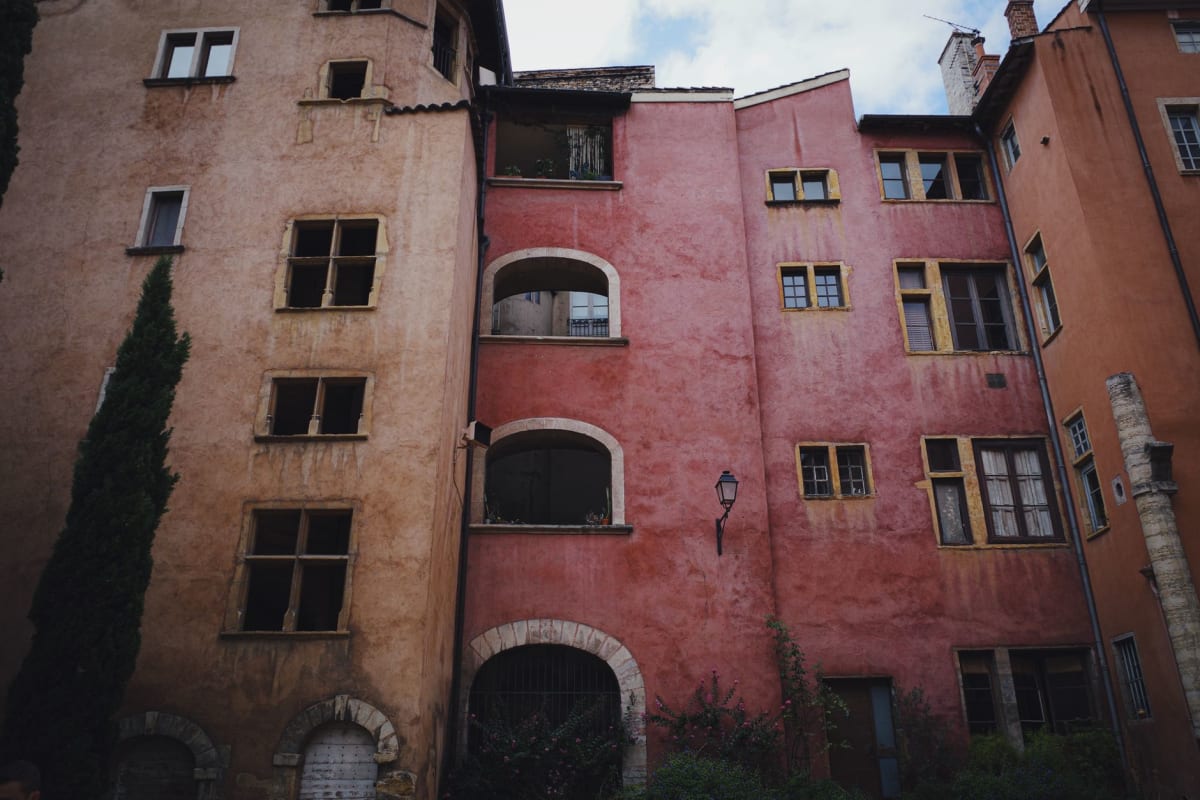
The Vieux Lyon — the Renaissance old town at the foot of Fourvière hill — is one of the largest Renaissance neighborhoods in Europe, a labyrinth of traboules (covered passageways that connect streets through the interiors of buildings) that were used by silk merchants, then by the Resistance during World War II, and now by visitors who push open unmarked doors and discover courtyards, spiral staircases, and centuries of architectural history hidden behind ordinary facades.
The Presqu’île — the peninsula between the Rhône and the Saône — is the city’s commercial heart, with the Place Bellecour (one of the largest public squares in Europe), the Opéra (its modern glass barrel vault sitting atop a 19th-century facade), and the streets around Rue Mercière where the restaurants concentrate with a density that would be suspicious anywhere else but in Lyon feels simply like common sense.
Fourvière crowns the city — the Basilica of Notre-Dame de Fourvière, a 19th-century confection of marble, mosaic, and gold that the Lyonnais either love or mock (they call it “the upside-down elephant”), sits on the hill where the Roman city of Lugdunum once stood. The Gallo-Roman museum and amphitheater are next door, and the view from the esplanade — the city below, the Alps on the horizon on a clear day — is the best panorama in eastern France.
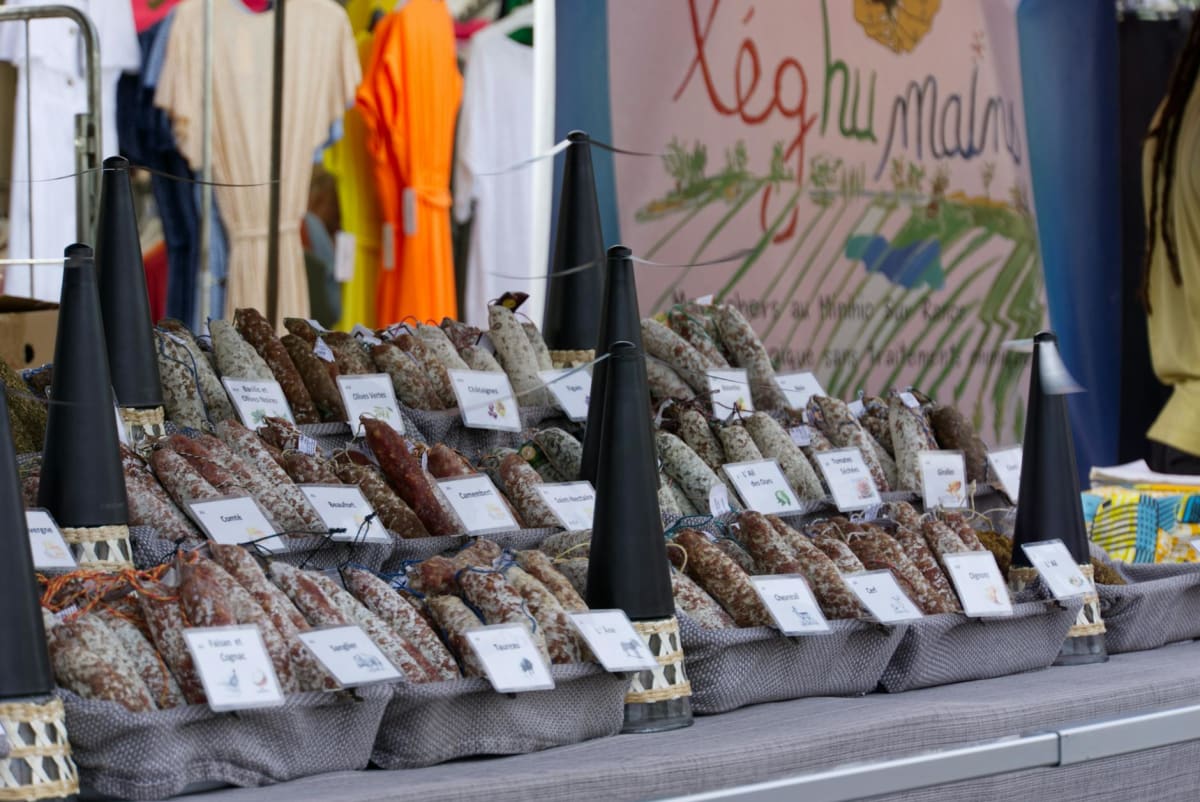
The Halles de Lyon Paul Bocuse is the covered market named for the city’s most famous chef, and it is the place where Lyon’s culinary identity is most concentrated. The charcuterie stalls, the cheese merchants, the pastry shops turning out praline tarts (a Lyon specialty: almonds and sugar, pink-tinted, caramelized), the oyster bars that open at 8am — this is where chefs shop and where visitors begin to understand that in Lyon, food is not an interest. It is an identity.
When to go: April to June or September to October. The Fête des Lumières in December (four nights of light installations across the city) is extraordinary and worth braving the cold.
Keep exploring
More of French Alps
Keep exploring
More from French Alps
 france
 Grenoble
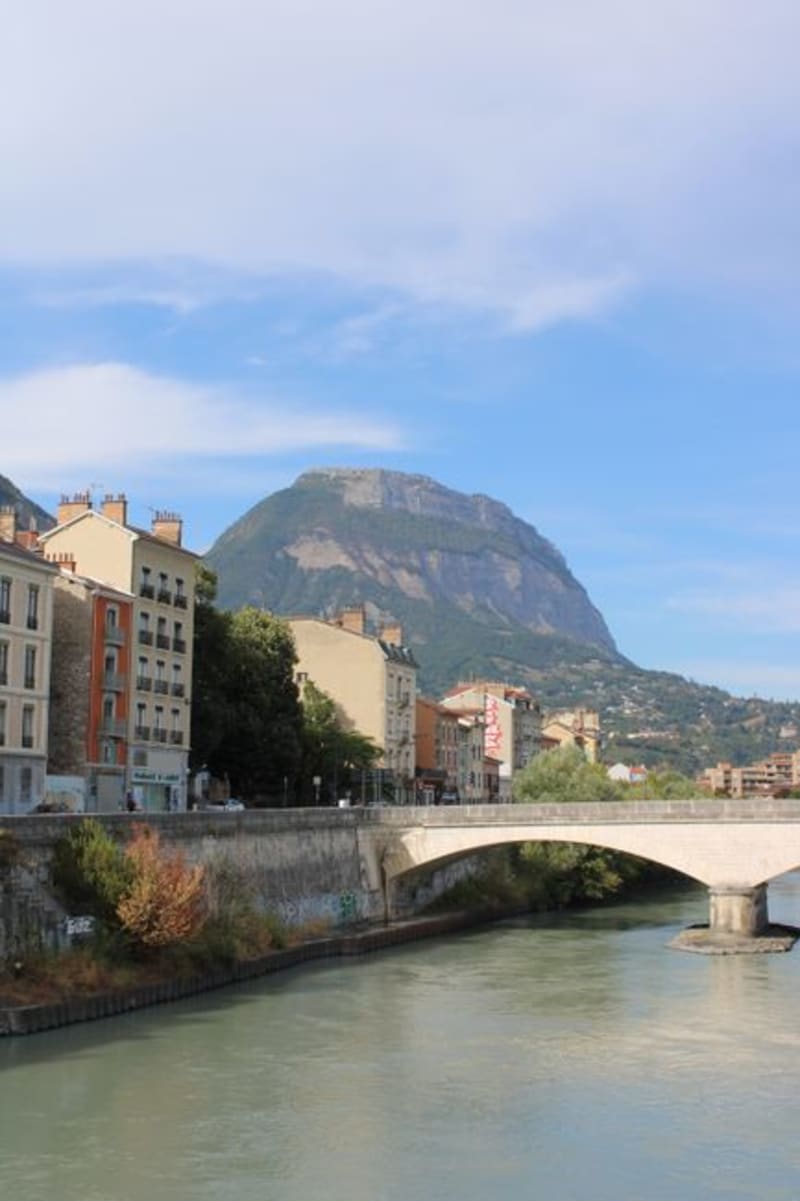
A city ringed by three mountain ranges where a cable car of glass bubbles hauls you up to a fort in five minutes, and where half my engineer friends from Paris eventually moved for the same reason.
Explore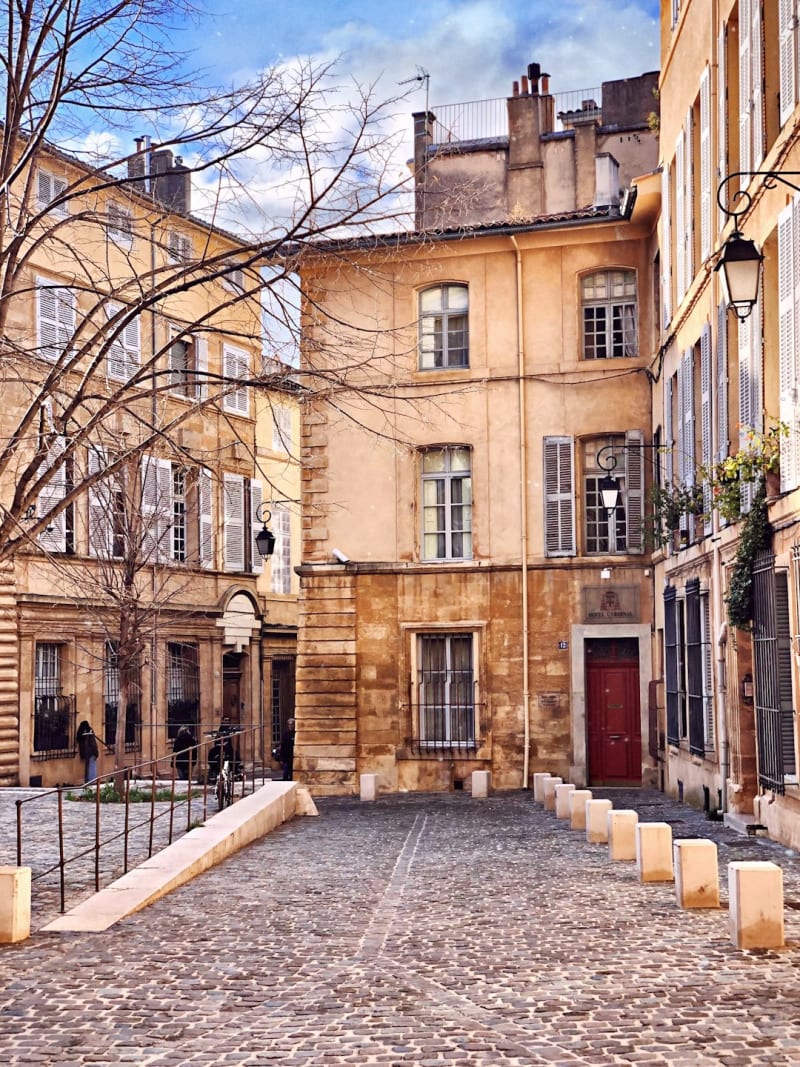 france
 Aix-les-Bains
A Belle Époque spa town on Lac du Bourget where Lamartine mourned a lost love in verse every French schoolchild still memorises, and where the thermal baths still smell faintly of sulphur and old money.
Explore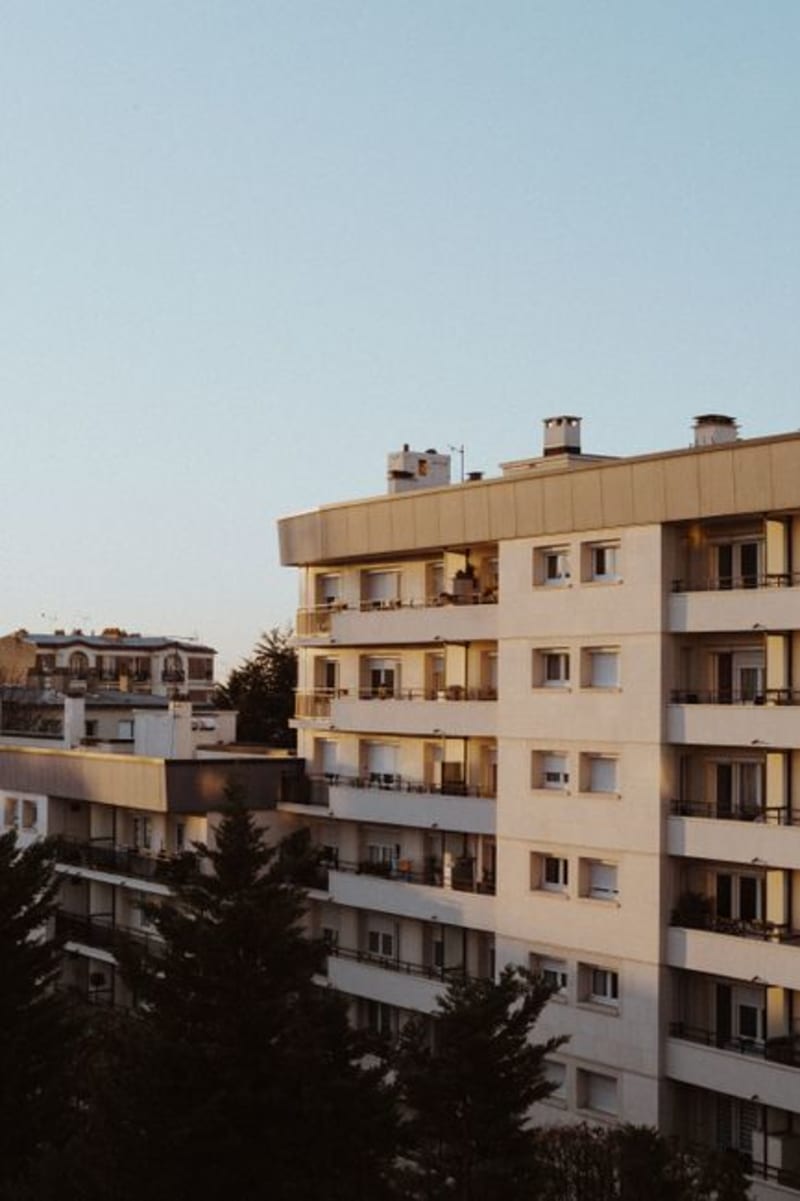 france
 Chambéry
The old capital of Savoy, a duchy that ruled its own patch of the Alps for centuries before it was ever fully French, and a city that still carries itself like it remembers being independent.
Explore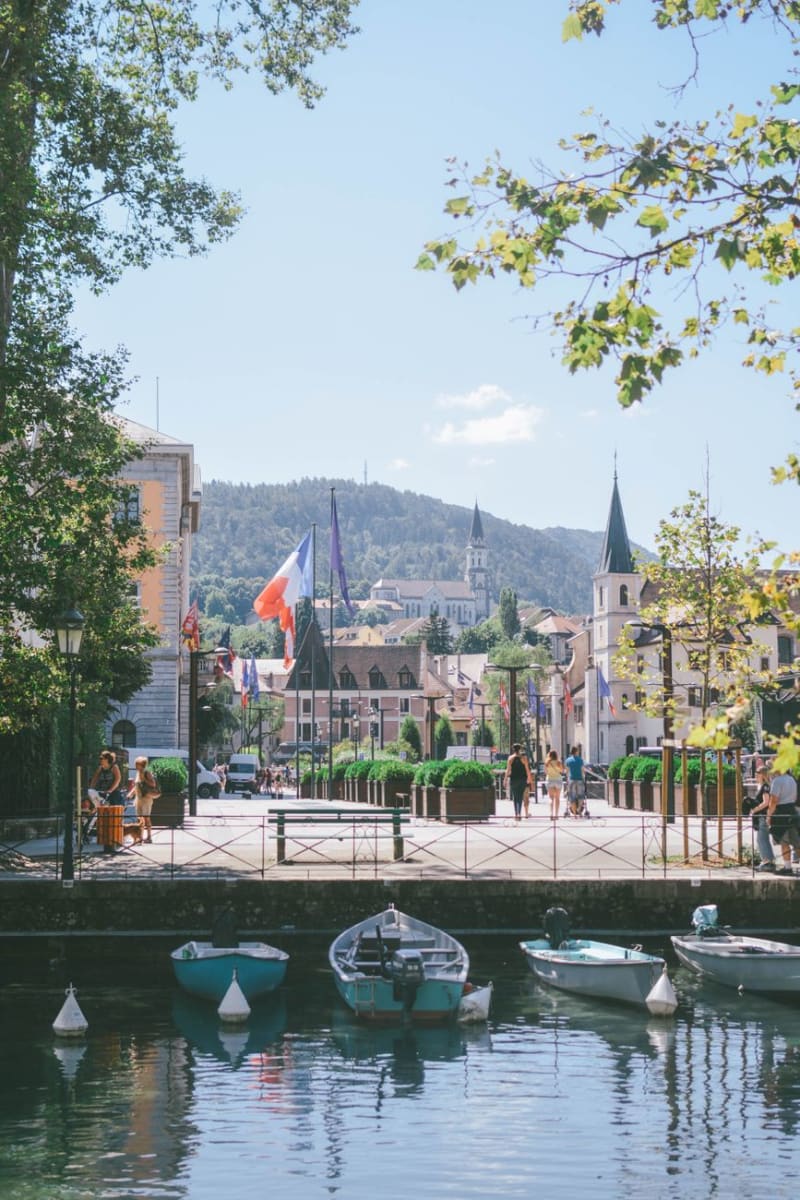 france
 Annecy
An alpine lake town in Haute-Savoie where turquoise spring water laps against pastel old-town canals and the mountains rise straight from the shore.
Explore france
 Talloires
A sliver of shoreline on Lake Annecy where Benedictine monks settled thirteen centuries ago and where I finally understood why French food writers get so worked up about lakeside tables.
Explore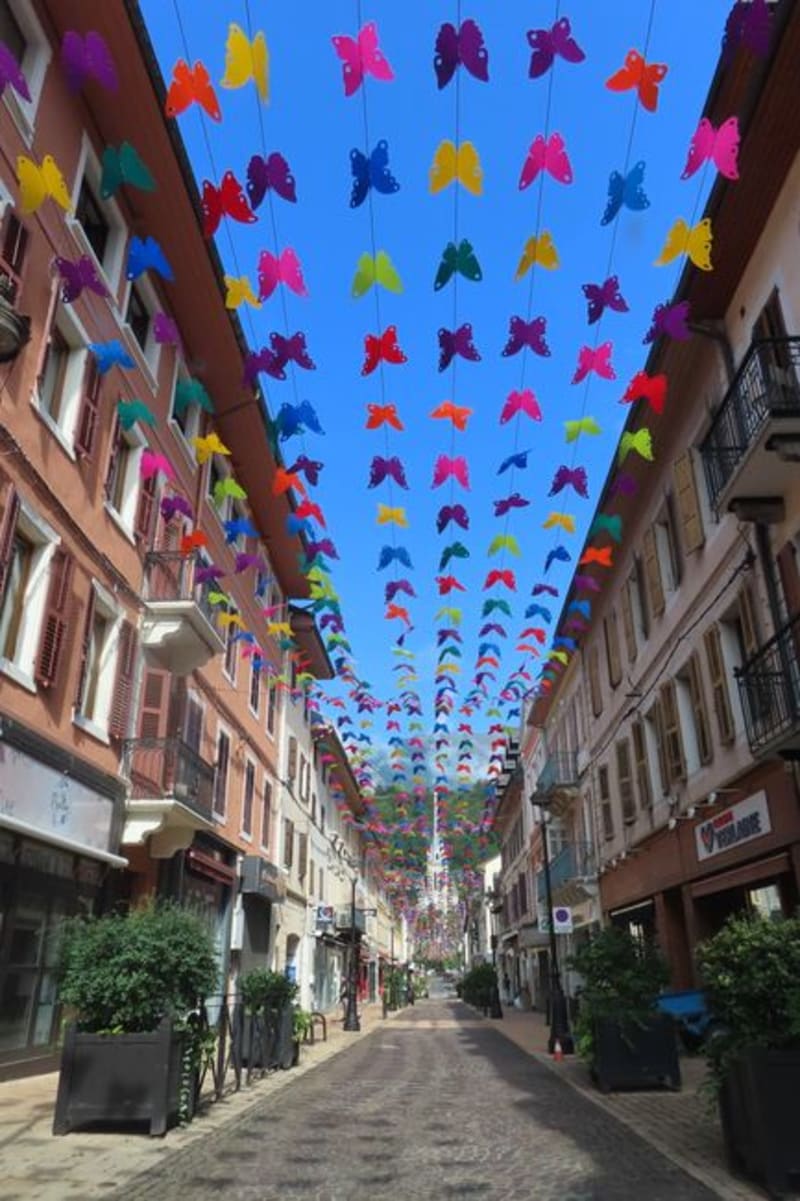 france
 Albertville
The valley town the 1992 Olympics put on the map, with a medieval old town on the hill above it that was already old when the rings were painted.
Explore