
Grenoble
"I know engineers in Grenoble who ski before work and I have never once envied a commute this much."
A city ringed by three mountain ranges where a cable car of glass bubbles hauls you up to a fort in five minutes, and where half my engineer friends from Paris eventually moved for the same reason.

Grenoble occupies a genuinely unusual spot on the map: it’s the only city I know in France that’s boxed in on three sides by distinct mountain ranges, each one a different character. The Chartreuse rises to the north, all limestone and monastery history — this is where the Carthusian monks distil the actual Chartreuse liqueur, in a valley up the road. The Vercors climbs to the west, a vast forested plateau riddled with wartime Resistance history. And the Belledonne massif closes off the east, granite and glacier-carved, feeding straight into the high Alps. Three ranges meeting at one river confluence, the Isère and the Drac, is not a coincidence anyone planned — it’s just geology being generous.
The bubbles up to the Bastille
The thing every visitor does, correctly, is ride les bulles — the Bastille cable car, whose round glass gondolas genuinely look like bubbles drifting up the cliff face above the old town. It opened in 1934 as one of the first urban cable cars in the world, built to connect the city directly to the 19th-century Bastille fortress on the ridge above, and it still runs on more or less the same principle: you step in near Quai Stéphane-Jay, and five minutes later you’re standing on ramparts looking down at the entire city fanned out below you, with all three ranges visible at once if the weather cooperates. I’ve done this ride with visiting friends from Paris a half-dozen times now and it never stops being a slightly absurd, slightly magical five minutes.

A university town that builds chips
What keeps Grenoble interesting beyond the postcard view is that it’s not a museum city coasting on scenery — it’s genuinely busy. The university here, one of France’s oldest and largest, and research institutes like the CEA and companies like STMicroelectronics have made Grenoble one of Europe’s real centres for microelectronics and materials science, a sort of quieter, Alpine answer to Grenoble’s own reputation problem of being “just” a gateway to skiing. Stendhal was born here and famously loathed the place, which the city has, in classic French fashion, turned into a minor tourism industry anyway — there’s a Stendhal walking trail through streets he supposedly despised.

We wandered the old town on a weekday afternoon, past the covered market at Les Halles Sainte-Claire and into streets full of students and researchers rather than tourists, and it struck me as one of the few Alpine gateway cities that would still be worth visiting even if the mountains weren’t there.
When to go: Late spring and early autumn give the clearest views from the Bastille and pleasant temperatures for walking the old town. Grenoble also works well as a winter base — the TER trains reach several ski resorts, including the Chartreuse and Belledonne stations, within an hour, letting you sleep in a real city and ski by day.
Keep exploring
More of French Alps
Keep exploring
More from French Alps
 france
 Chambéry
The old capital of Savoy, a duchy that ruled its own patch of the Alps for centuries before it was ever fully French, and a city that still carries itself like it remembers being independent.
Explore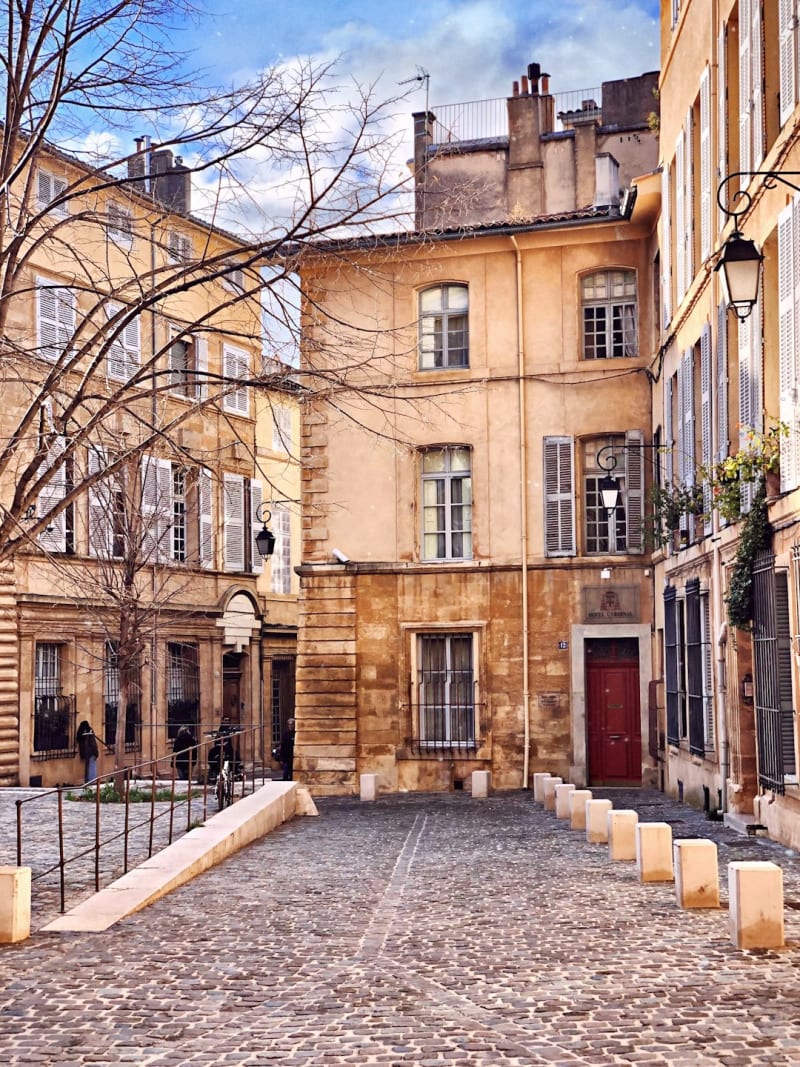 france
 Aix-les-Bains
A Belle Époque spa town on Lac du Bourget where Lamartine mourned a lost love in verse every French schoolchild still memorises, and where the thermal baths still smell faintly of sulphur and old money.
Explore france
 Talloires
A sliver of shoreline on Lake Annecy where Benedictine monks settled thirteen centuries ago and where I finally understood why French food writers get so worked up about lakeside tables.
Explore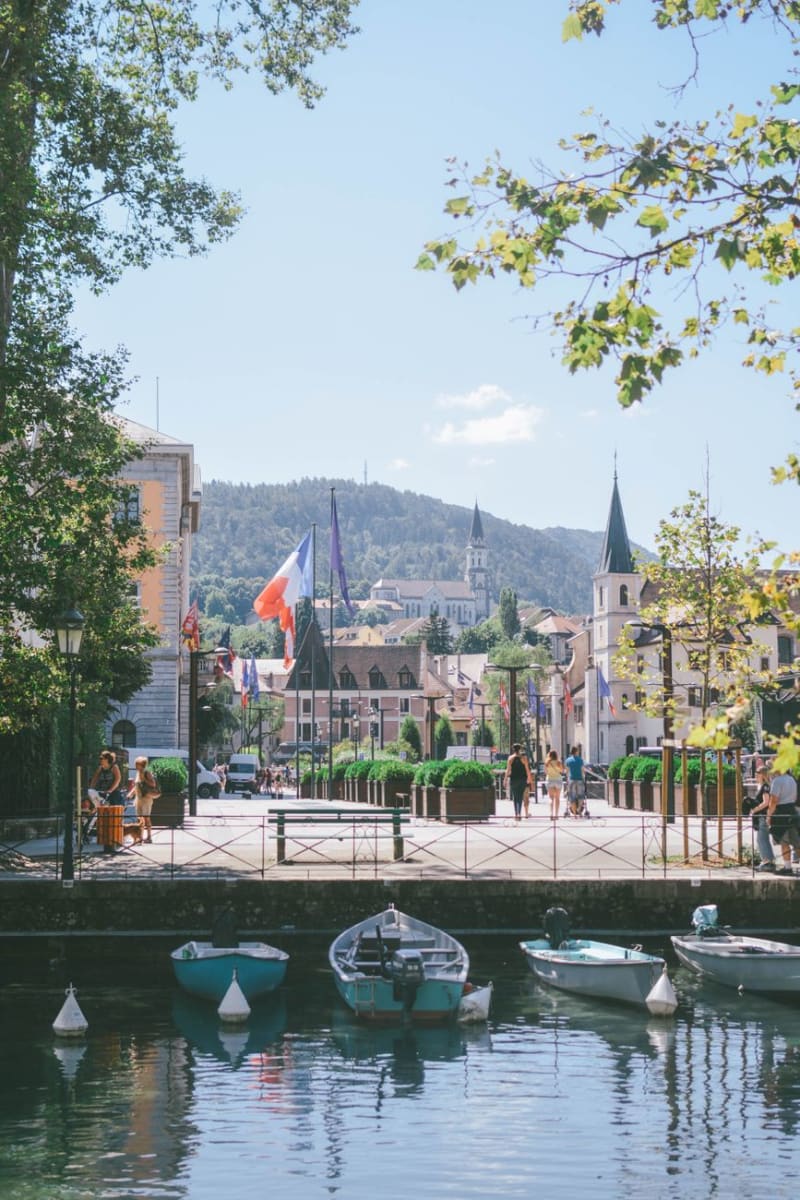 france
 Annecy
An alpine lake town in Haute-Savoie where turquoise spring water laps against pastel old-town canals and the mountains rise straight from the shore.
Explore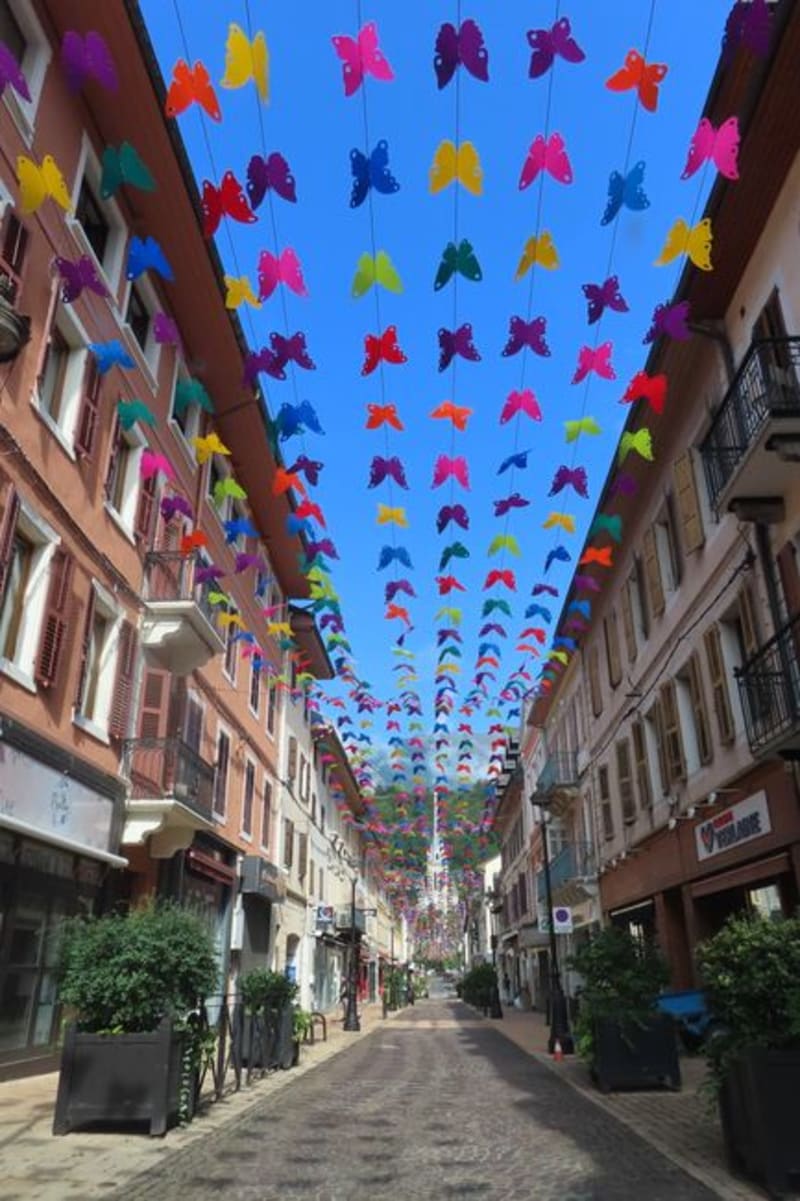 france
 Albertville
The valley town the 1992 Olympics put on the map, with a medieval old town on the hill above it that was already old when the rings were painted.
Explore france
 Courchevel
The most Michelin-starred square kilometre of snow in the world, with an airport runway so short and steep that pilots need special certification to land on it.
Explore