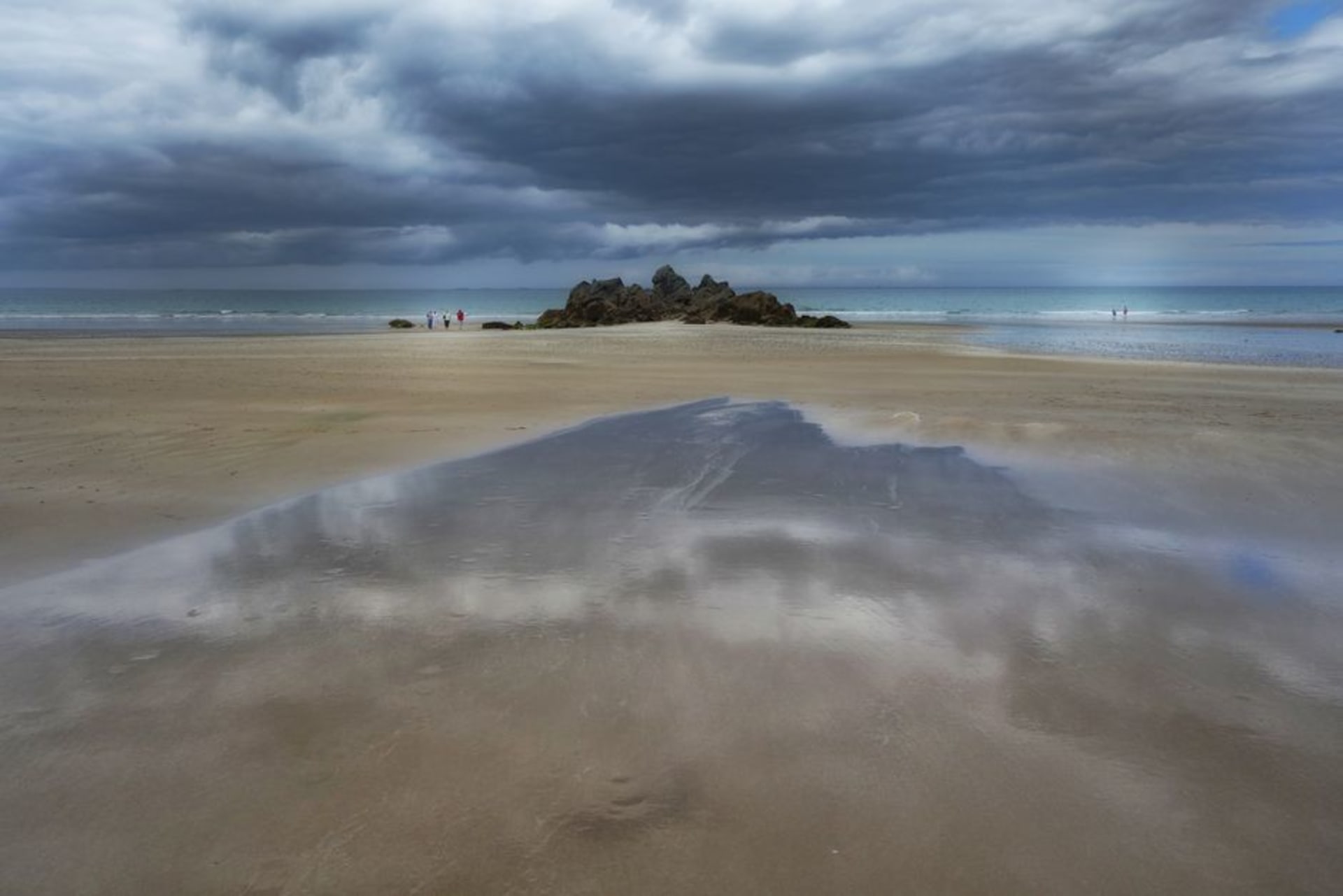
Erquy
"Half the scallops on French menus this winter probably came off boats I watched dock right here."
A scallop port under a heather-covered cape where the pink-sand coves made Lia forget she was supposed to be watching the tide.

Erquy calls itself the coquille Saint-Jacques capital of Brittany, and unlike a lot of towns that hang their identity on a single food product mostly for the tourists, this one actually earns the title — a large share of France’s scallop harvest comes out of the bay here, and the fishing season, which runs through the colder months, genuinely structures the town’s whole calendar. We arrived in early autumn, just as boats were being readied for the season, and the harbor had a purposeful, slightly tense energy that felt very different from the sleepier resort towns further along this coast.
A cape of heather above pink coves
What pulled us out of the harbor and onto the coastal path was Cap d’Erquy, a headland just east of town where the landscape changes abruptly from tidy Breton port to something closer to moorland — gorse and heather covering low cliffs, wind-flattened and purple-brown in September, dropping down to a scatter of small coves where the sand and rock genuinely do have a pink cast to them, an effect of the local pink sandstone that crops up along this stretch of coast and nowhere else nearby. We walked the cape path for a couple of hours, finding fewer people than I expected given how striking it is, and ended up scrambling down to one of the smaller coves for a swim in water cold enough to make Lia shriek and then refuse to get out.

Watching the boats come in
Back in town, the port itself is small and still working rather than performed for visitors — a fleet of coquillards, the scallop boats, tied up along the quay with their dredges stacked on deck, and a fish market that sells the catch straight off the boat when the season allows it. We got talking to a fisherman mending gear on the quayside who told us, half proud and half resigned, that Erquy’s scallops get shipped out to restaurants across the country almost as fast as they’re landed, and that most of the people eating them in Paris have no idea the boats that caught them are barely bigger than the trailers hauling them to market. Standing there at dusk with the boats rocking gently against the quay and the cape darkening behind them, it was easy to believe him.

When to go: For swimming and walking the cape, come between June and September when the heather is in bloom and the coves are warm enough to actually enjoy. If you want to see the scallop fleet at full activity, aim for October through March, which is peak dredging season, though the weather along the cape gets considerably rougher.
Keep exploring
More of Brittany
Keep exploring
More from Brittany
 france
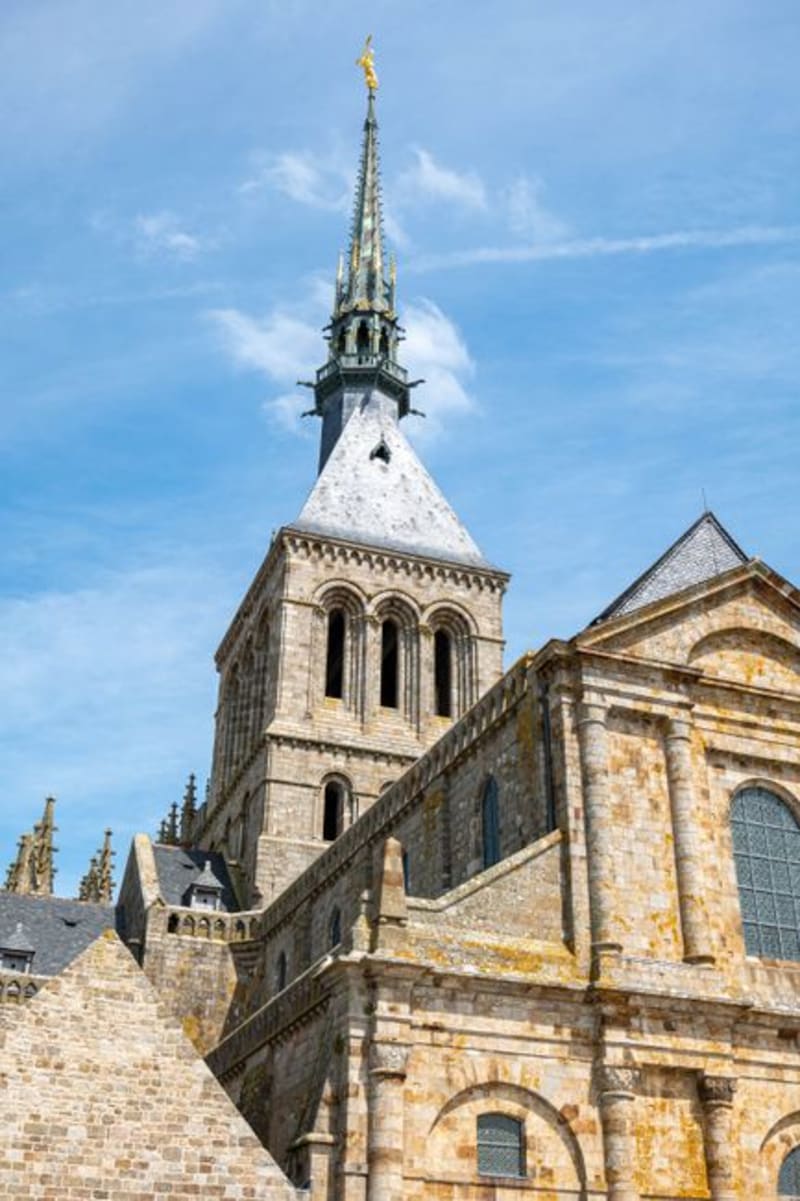
 Saint-Brieuc
The regional capital everyone drives past on the way to somewhere prettier, which is exactly why I keep finding reasons to stop.
Explore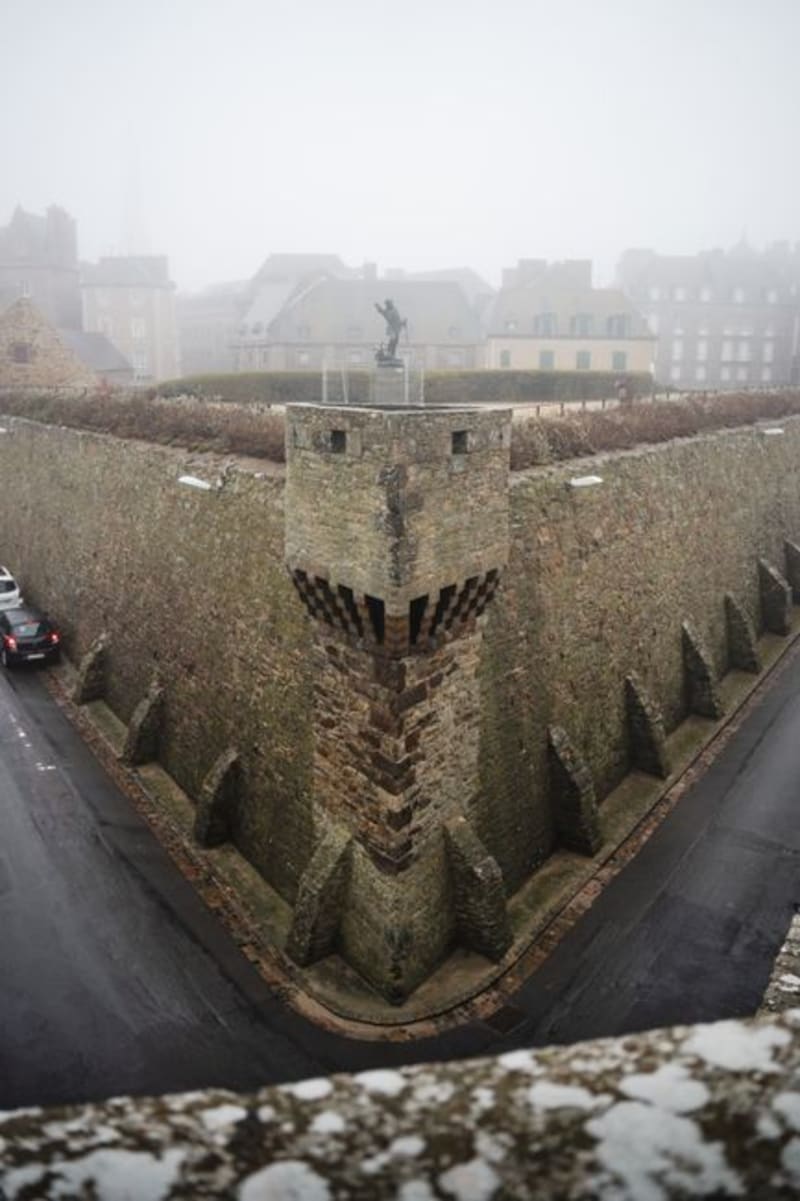 france
 Saint-Malo
A walled corsair city on Brittany's Emerald Coast where the tide swings nearly fourteen metres and the ramparts turn the whole town into a stage for watching the sea come and go.
Explore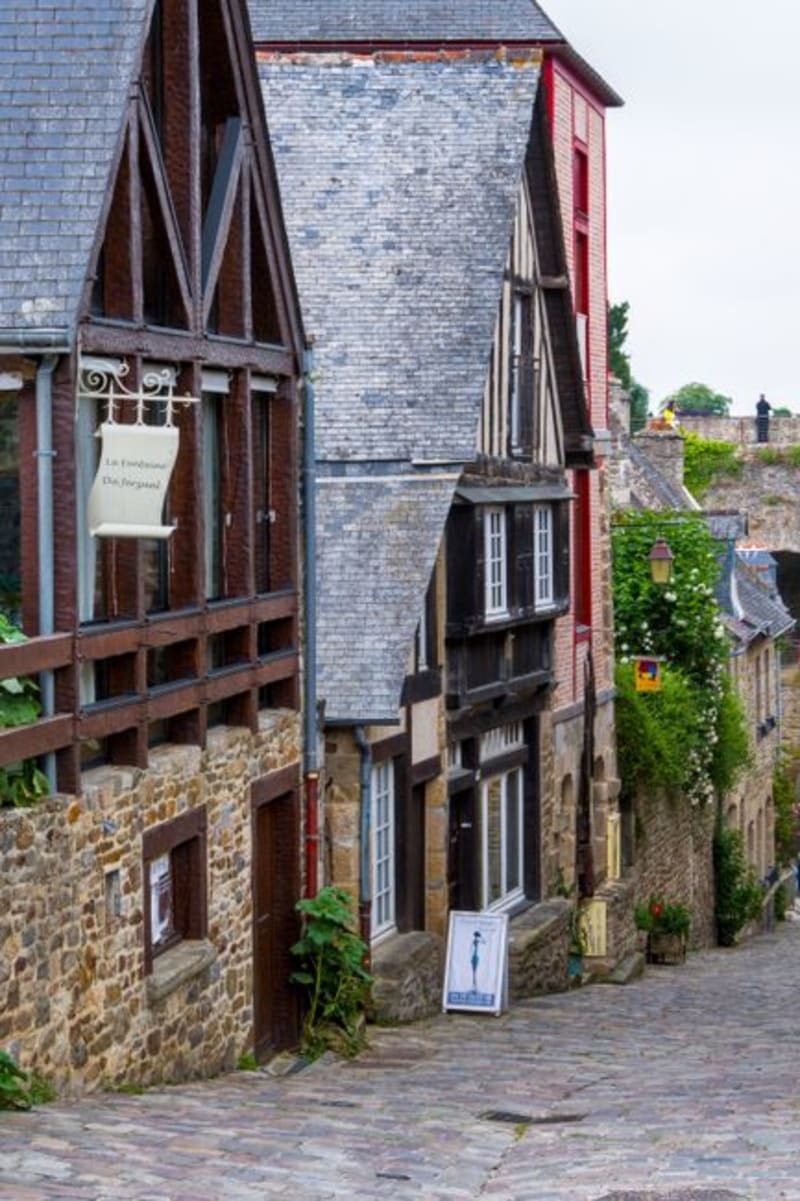 france
 Dinan
A hilltop medieval town above the Rance river where a cobbled street drops so steeply toward the port that Lia insisted we take it slow just to keep our coffees from spilling.
Explore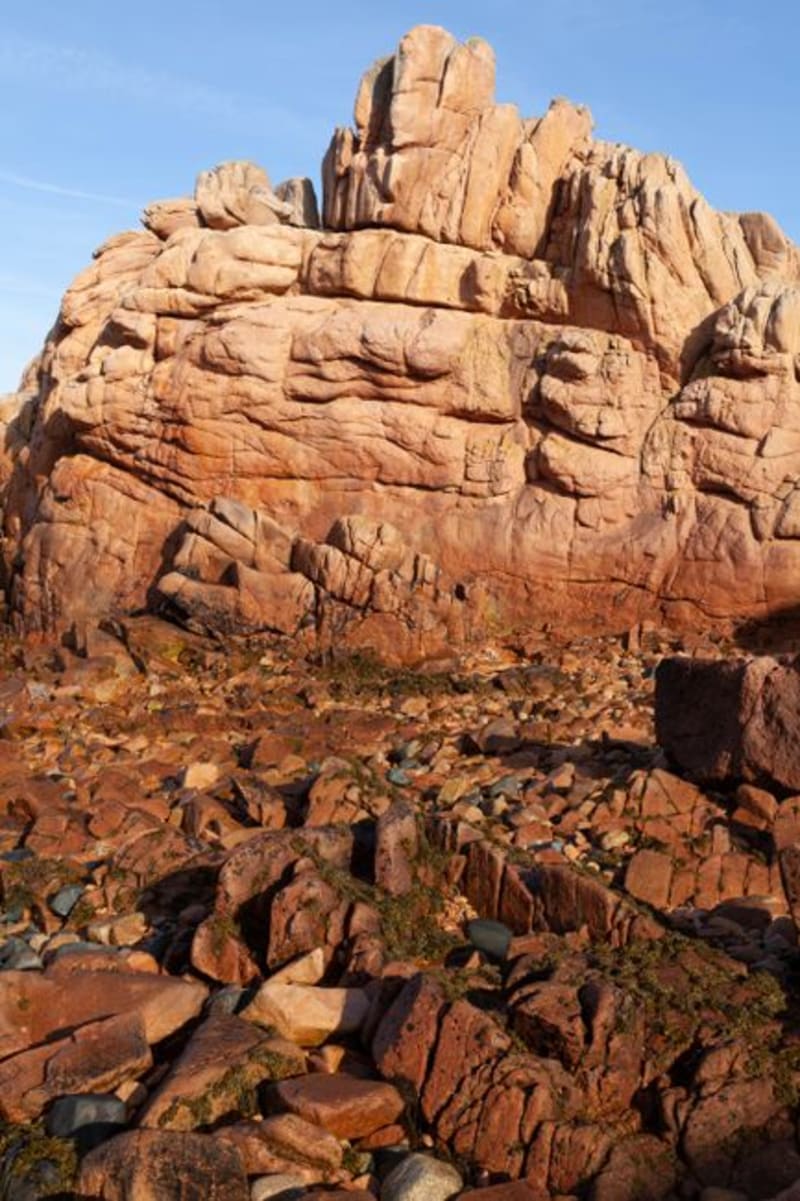 france
 Île de Bréhat
An island with no cars, pink rocks that look lit from within at sunset, and gardens growing mimosa and eucalyptus like it forgot which coast of France it's on.
Explore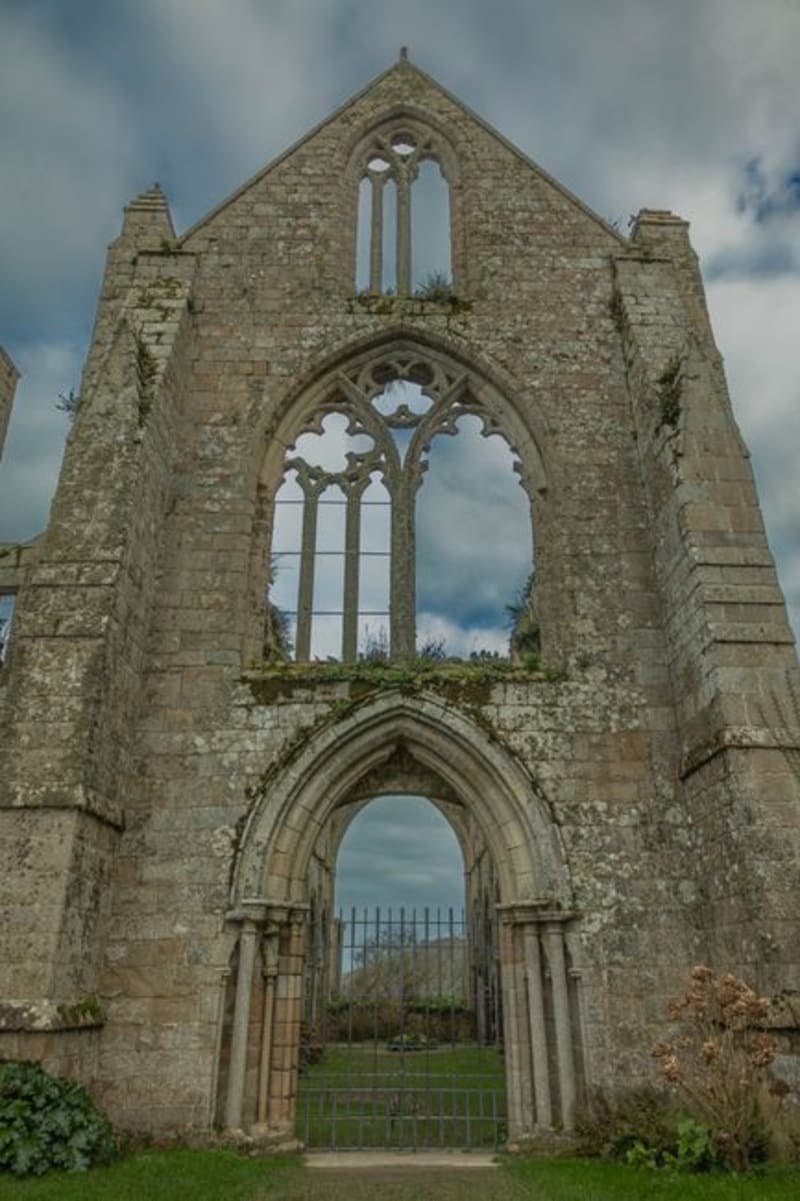 france
 Paimpol
A fishing port that used to send its men to Iceland for months at a time, and now sends day-trippers to Bréhat instead — a gentler kind of departure, but the same harbor.
Explore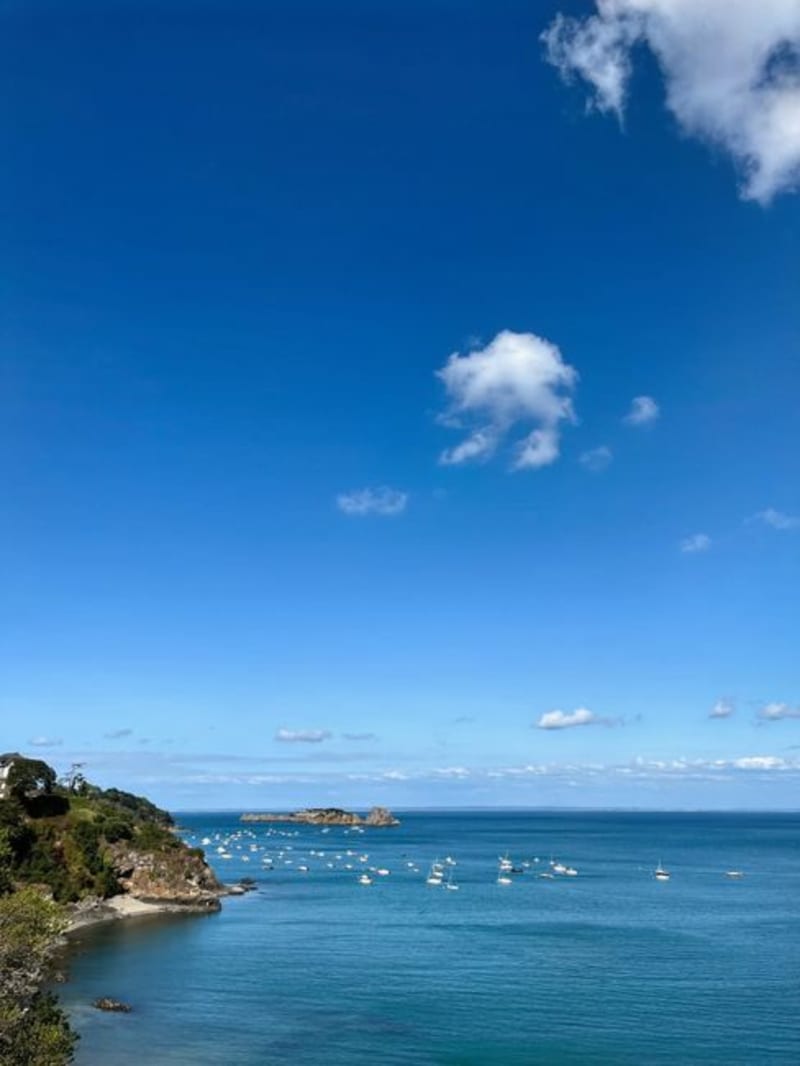 france
 Cancale
The town where I finally understood why the French treat oysters as a ritual rather than a snack — you eat them standing at a harbor wall, shells thrown straight into the sea.
Explore