Dinan
"Every other street in the old town seemed to be leaning on the one next to it, and somehow it all still stood."
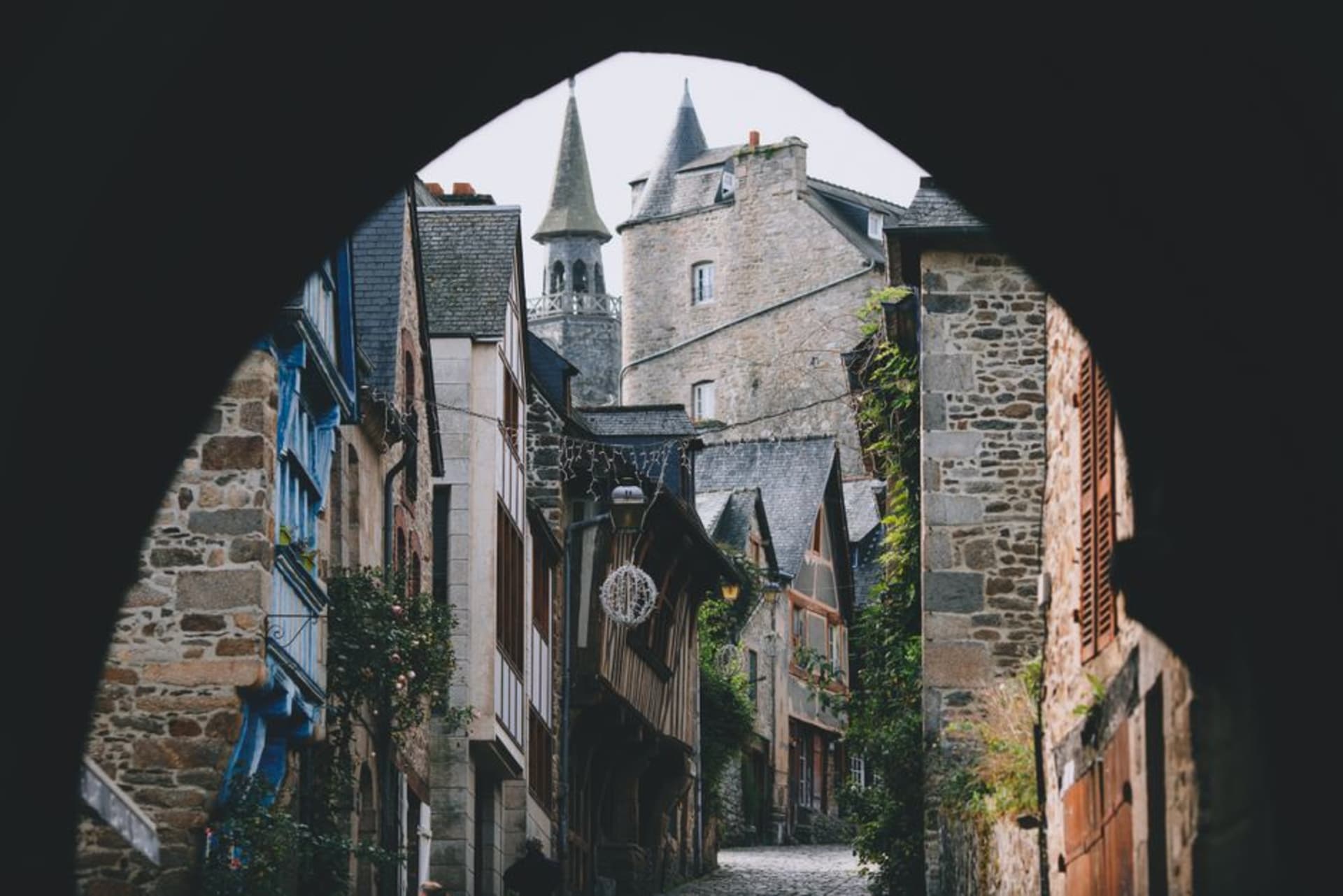
A hilltop medieval town above the Rance river where a cobbled street drops so steeply toward the port that Lia insisted we take it slow just to keep our coffees from spilling.

We came to Dinan as a detour from Saint-Malo, thinking an hour would cover it, and stayed until the shopkeepers on Rue du Jerzual were pulling down their shutters. Dinan sits on a granite bluff above the Rance river, ringed by nearly three kilometres of intact ramparts, and the old town inside them is so densely packed with half-timbered houses leaning into the street that walking through it feels less like sightseeing and more like being slowly swallowed by the 15th century.
The street that falls toward the river
Rue du Jerzual is the reason people photograph Dinan more than they photograph most Breton towns. It drops steeply from the Porte du Jerzual gate down to the old port on the Rance, cobbles worn smooth by five centuries of cart traffic and lined with artisan workshops — potters, engravers, a woodworker whose shop smelled so strongly of fresh oak shavings that Lia went back twice. At the bottom, the port itself is almost startlingly quiet: a handful of pleasure boats tied up along a river that once carried Breton linen and timber out to the English Channel. We sat at a café table right on the water and watched a group of teenagers jump off the old stone bridge, which the waiter assured us was both illegal and completely normal.

Ramparts, a basilica, and a heart in a wall
The walk along the ramparts gives you the town’s whole shape at once — turrets, slate roofs, the spire of the Basilique Saint-Sauveur, and the Rance looping away toward the sea. Dinan’s other claim to fame is stranger: the heart of Bertrand du Guesclin, a 14th-century Breton knight who became one of France’s most celebrated military commanders, is kept in a small reliquary inside the basilica, the rest of him having been buried in four separate places across the country after his death, in the fragmented way medieval nobility sometimes were. We found the little urn almost by accident, tucked into a side chapel, and stood there longer than either of us expected to for what is, when you get down to it, a very old box.

When to go: Late spring through early autumn keeps the ramparts walk pleasant and the port café terraces open. The Fête des Remparts, a medieval festival held in odd-numbered years, is worth planning around if the dates line up.
Keep exploring
More of Brittany
Keep exploring
More from Brittany
 france
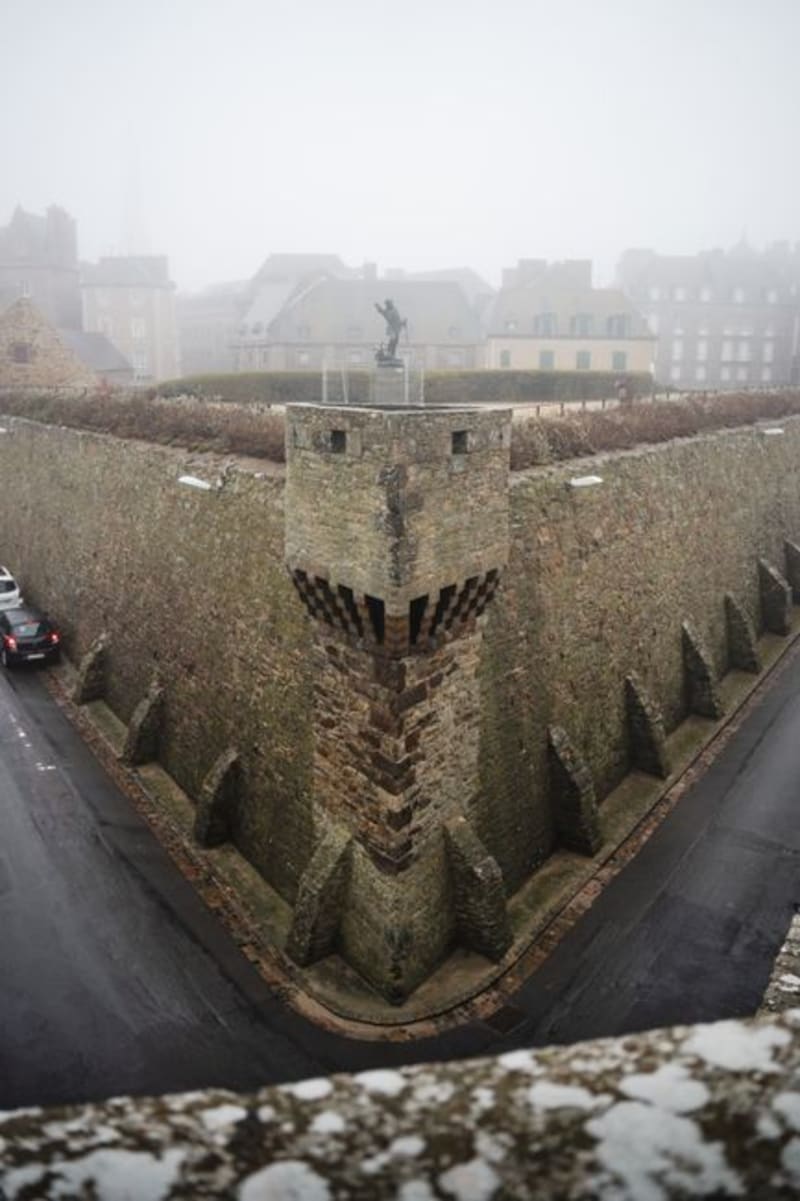
 Saint-Malo
A walled corsair city on Brittany's Emerald Coast where the tide swings nearly fourteen metres and the ramparts turn the whole town into a stage for watching the sea come and go.
Explore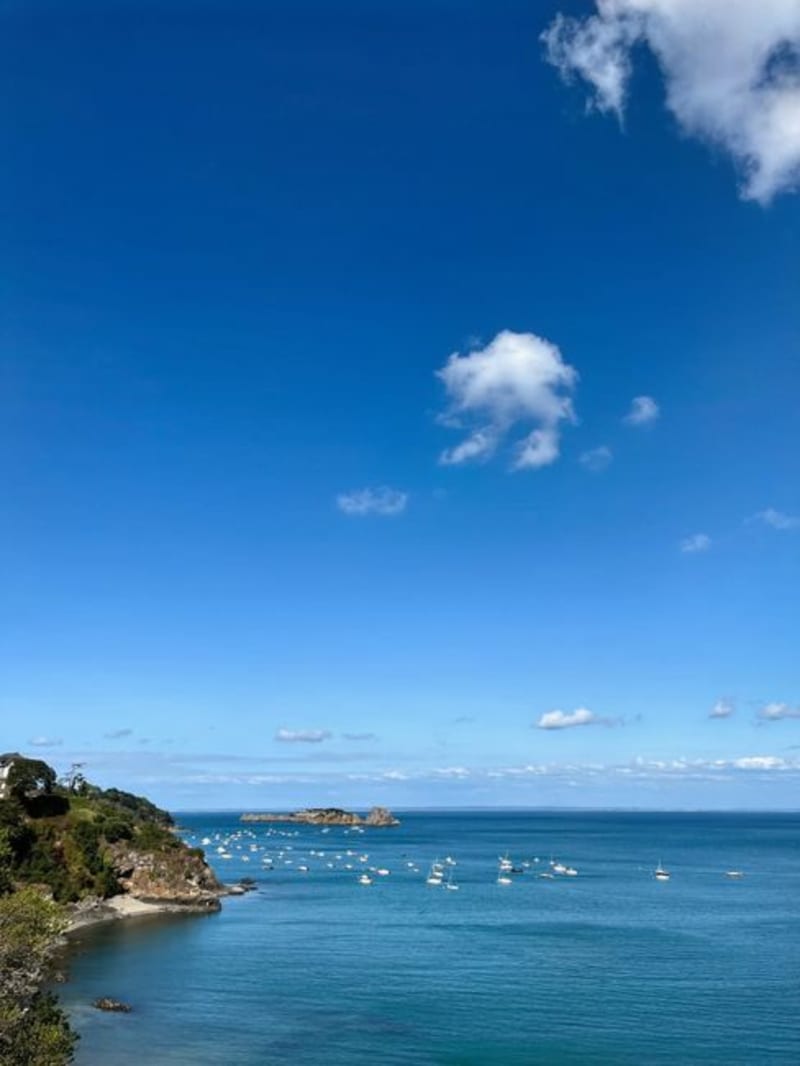 france
 Cancale
The town where I finally understood why the French treat oysters as a ritual rather than a snack — you eat them standing at a harbor wall, shells thrown straight into the sea.
Explore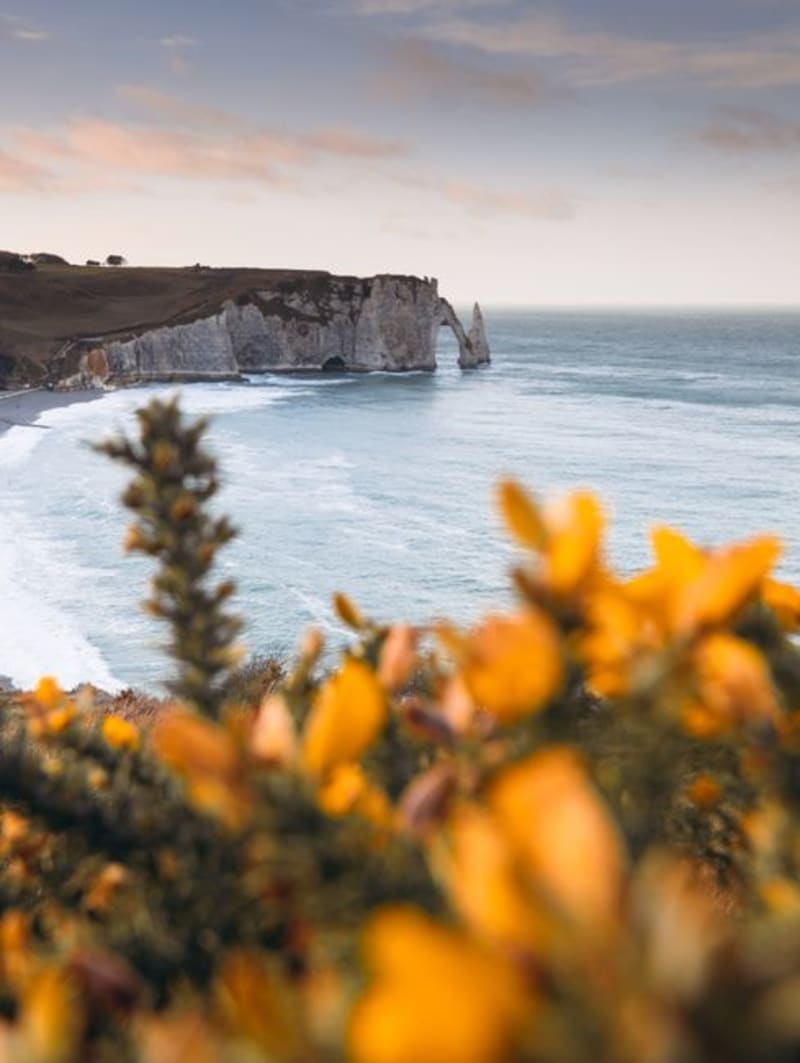 france
 Erquy
A scallop port under a heather-covered cape where the pink-sand coves made Lia forget she was supposed to be watching the tide.
Explore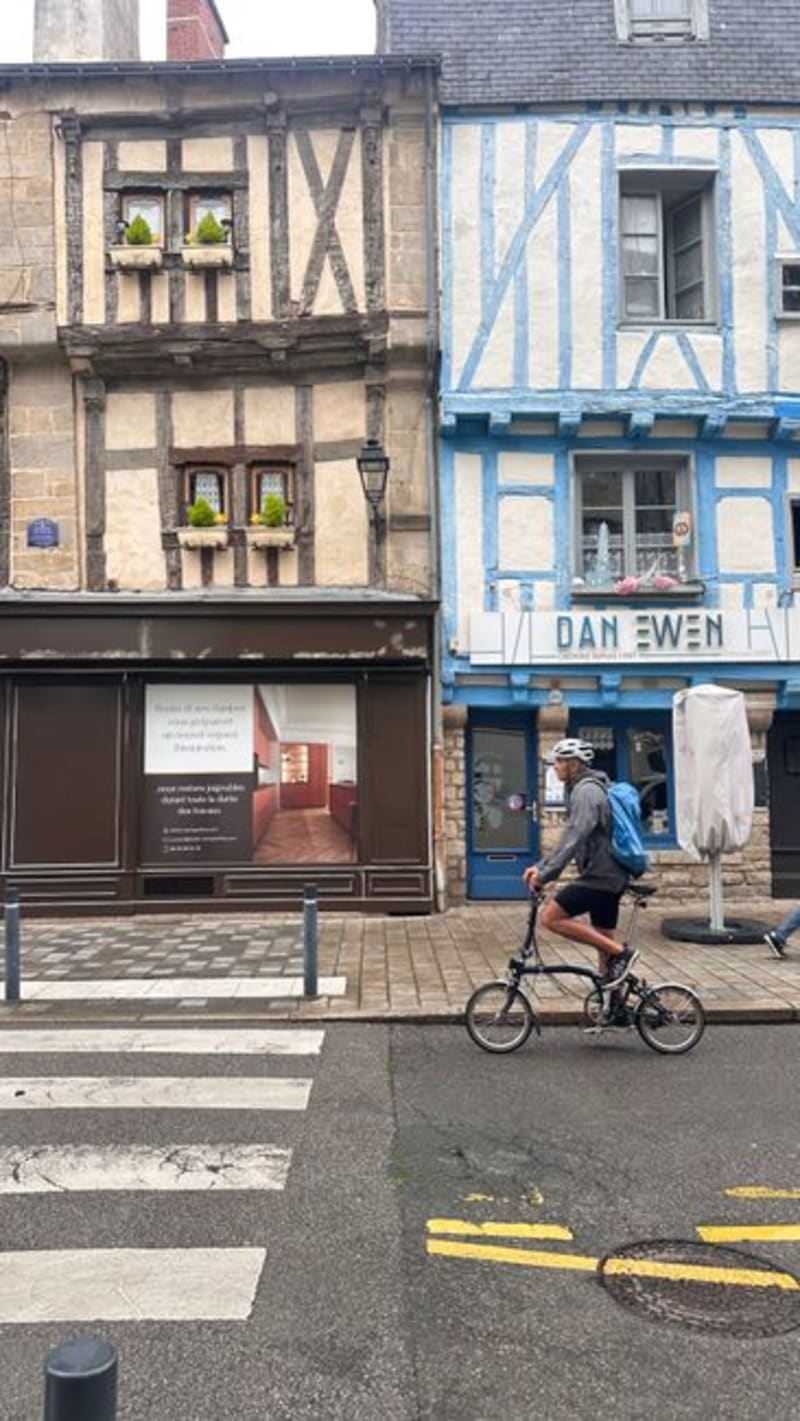 france
 Rennes
Brittany's capital, where a fire in 1720 burned half the city and left it with an odd, likeable mix of leaning medieval streets and grand stone squares built to replace them.
Explore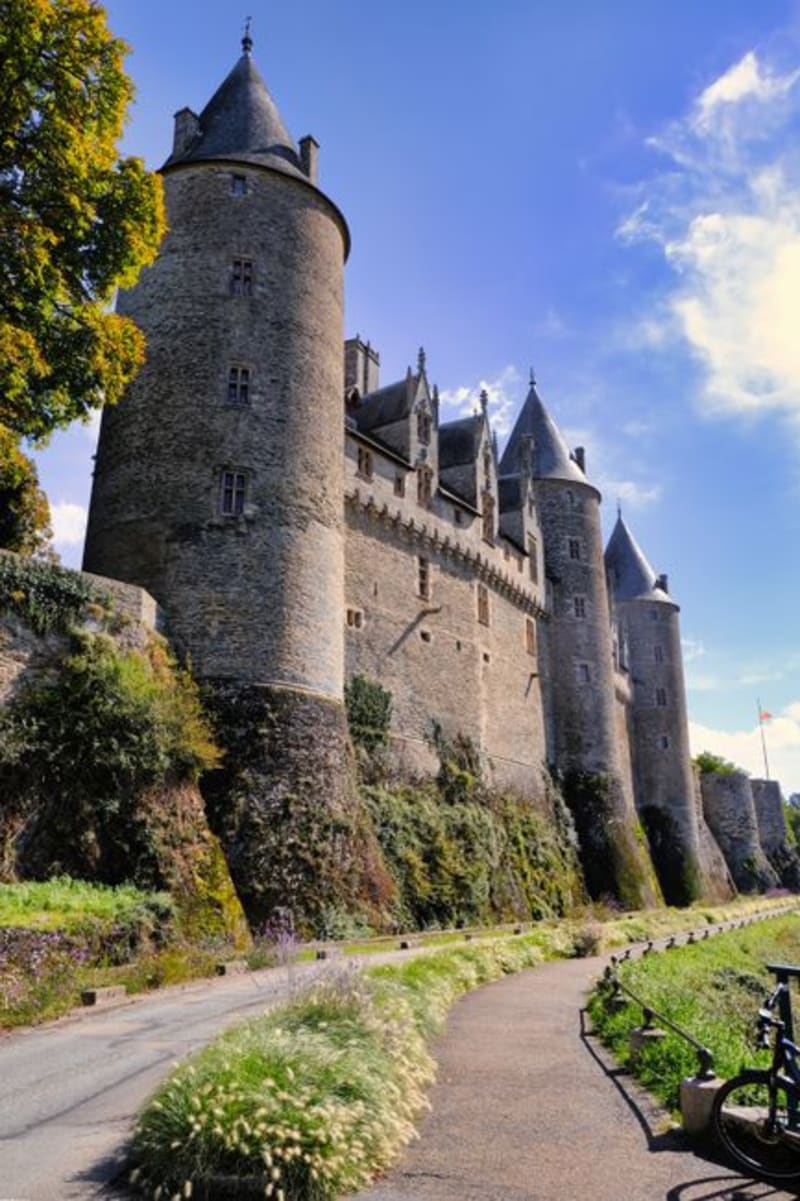 france
 Josselin
A château so improbably fairy-tale that I assumed it was a reconstruction until someone told me the same family has lived there since the 12th century.
Explore france
 Saint-Brieuc
The regional capital everyone drives past on the way to somewhere prettier, which is exactly why I keep finding reasons to stop.
Explore