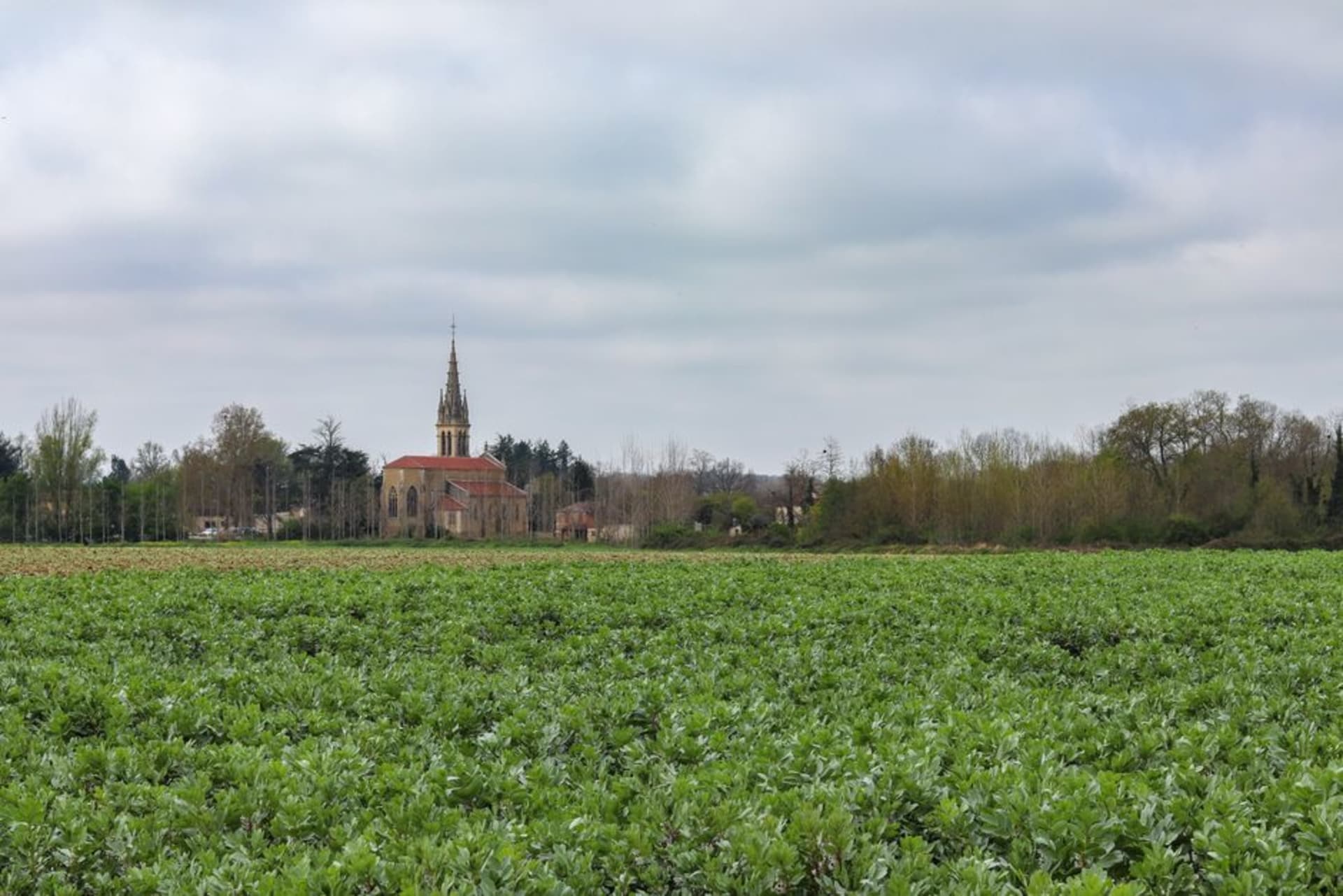
Saint-Lary-Soulan
"We came for the skiing and left planning a summer trip for the lakes instead."
A ski village that quietly turns into a thermal spa town every spring, tucked at the foot of one of the wildest nature reserves in the French Pyrenees.

Saint-Lary-Soulan lives two completely different lives depending on the season, and we’ve now seen both, a year apart, which felt like visiting two different towns wearing the same stone houses. In winter it’s one of the bigger ski resorts in the central Pyrenees, gondola swinging skiers straight up from the village square. In summer the same gondola carries hikers instead, and the whole valley turns into a staging ground for the Néouvielle nature reserve above it.
A funicular from the village square
What sets Saint-Lary apart from most French ski towns is that the lift system starts right in the middle of the village rather than up at some purpose-built station car park — you can walk out of a boulangerie with a croissant still in hand and be on a gondola within five minutes. We rode it up on a grey February morning mostly to see the view, since neither of us skis particularly well, and the ridge lines opening up above the tree line made the trip worth it even without poles. The resort itself, spread across Saint-Lary and the linked village of Vielle-Aure, has kept enough of its old slate-roofed core that it doesn’t feel like the concrete ski factories you find elsewhere in the range.

Thermal water and a reserve of lakes
Saint-Lary also has its own thermal baths, smaller and less grand than Bagnères’ but built around genuinely hot mineral springs used since Roman times, and after a day on the slopes we went straight there instead of a bar, which tells you something about how tired we were. The bigger draw for me, though, is what starts just past the village: the Réserve Naturelle Néouvielle, a granite wilderness of more than seventy glacial lakes scattered across a landscape that looks more like Scandinavia than the Mediterranean-adjacent France most people picture. We only managed a short loop near the Lac d’Orédon on a later summer visit, but the water was that improbable turquoise you don’t quite believe until you’ve seen it, ringed by bare granite domes with barely another hiker in sight.

When to go: December through March for skiing on generally reliable snow at this altitude, or July and August for the Néouvielle lakes, when the high trails are finally clear of snow — just book accommodation early, since the town has surprisingly few beds for how popular both seasons are.
Keep exploring
More of Basque Country
Keep exploring
More from Basque Country
 france
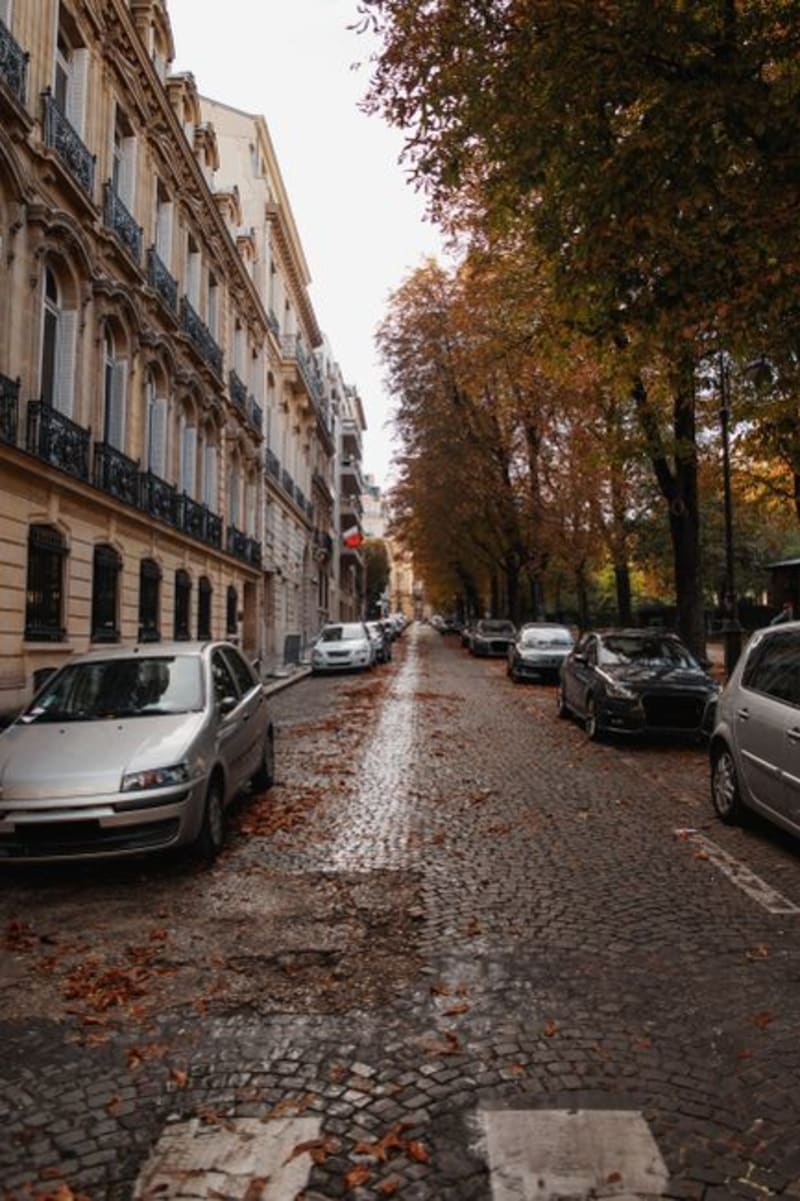
 Bagnères-de-Luchon
A grand thermal town in the high Pyrenees nicknamed the Queen of the Pyrenees, its wide tree-lined avenue of nineteenth-century spa buildings leading straight toward the mountain wall behind it.
Explore france
 Bagnères-de-Bigorre
A thermal town that has been sending people up into the mountains since Roman times, and where every July the whole place still seems to hold its breath for the Tourmalet.
Explore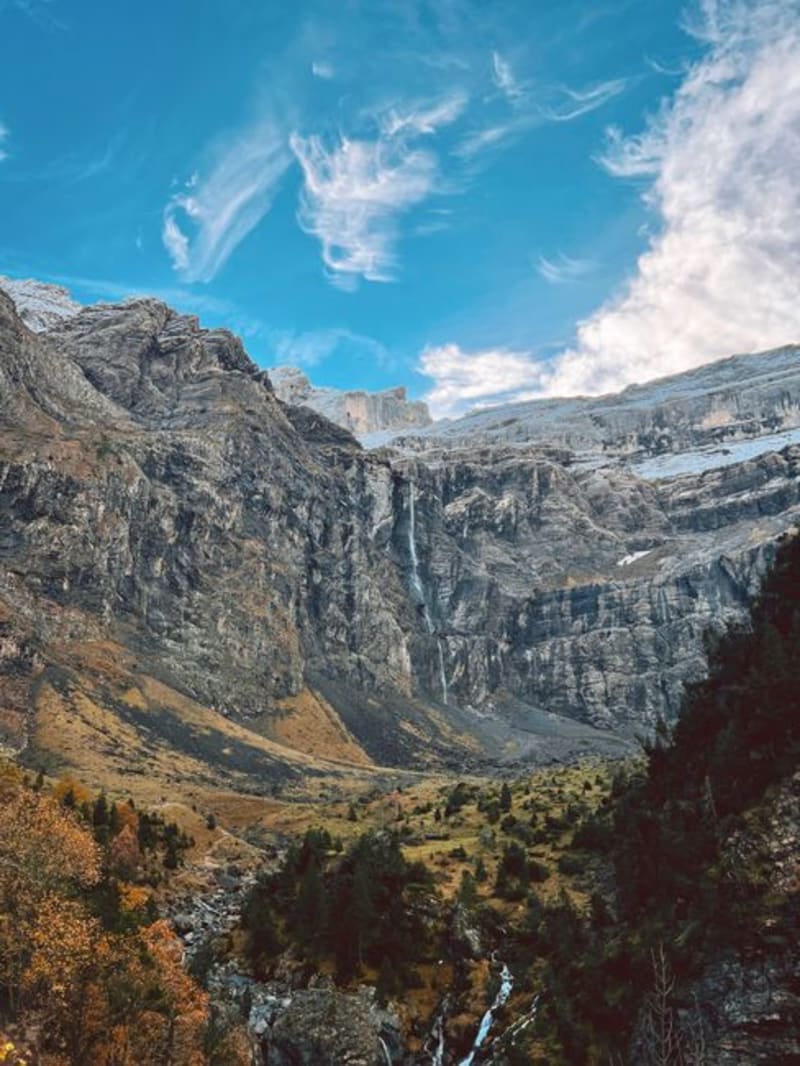 france
 Gavarnie
A tiny mountain village in the high Pyrenees that exists mostly as a staging post for the Cirque de Gavarnie, a natural amphitheatre of cliffs and waterfalls that Victor Hugo called the Colosseum of nature.
Explore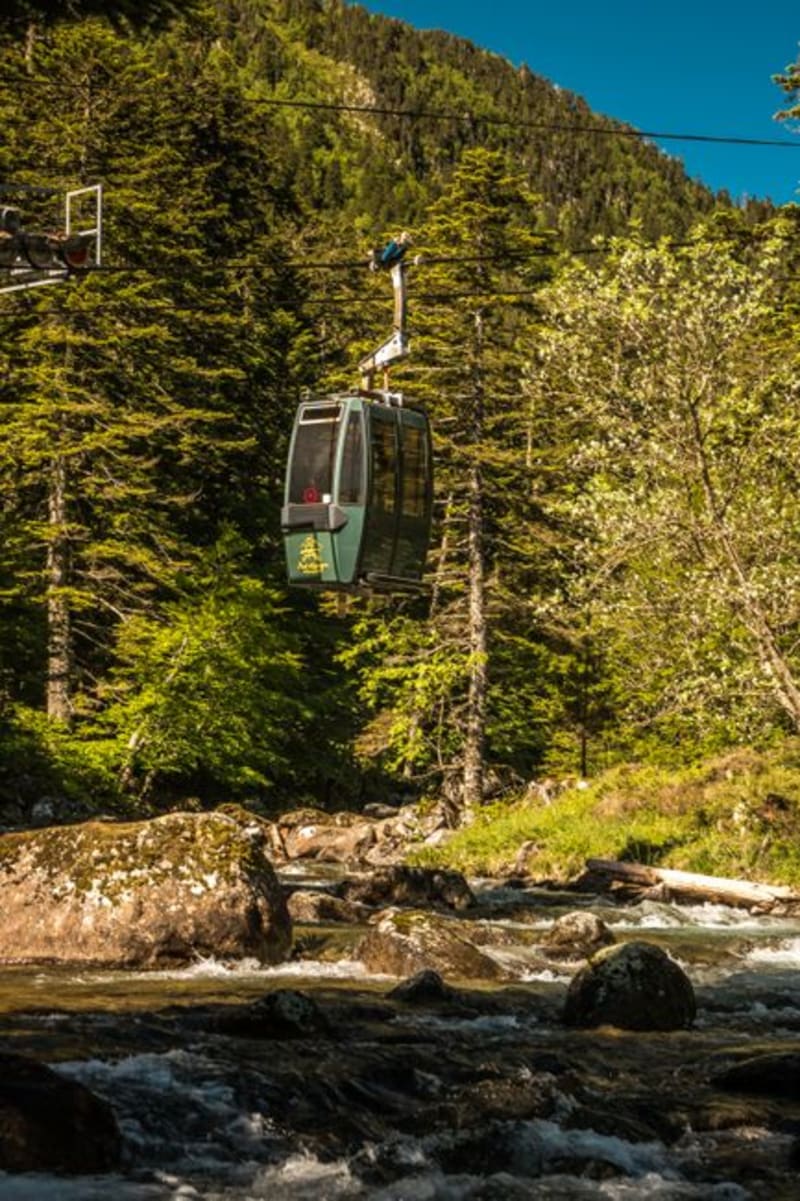 france
 Cauterets
A Belle Époque spa town tucked into a Pyrenean valley, its sulphur-scented thermal baths and faded grand hotels still carrying the glamour of the nineteenth century when half of literary Paris came to take the waters.
Explore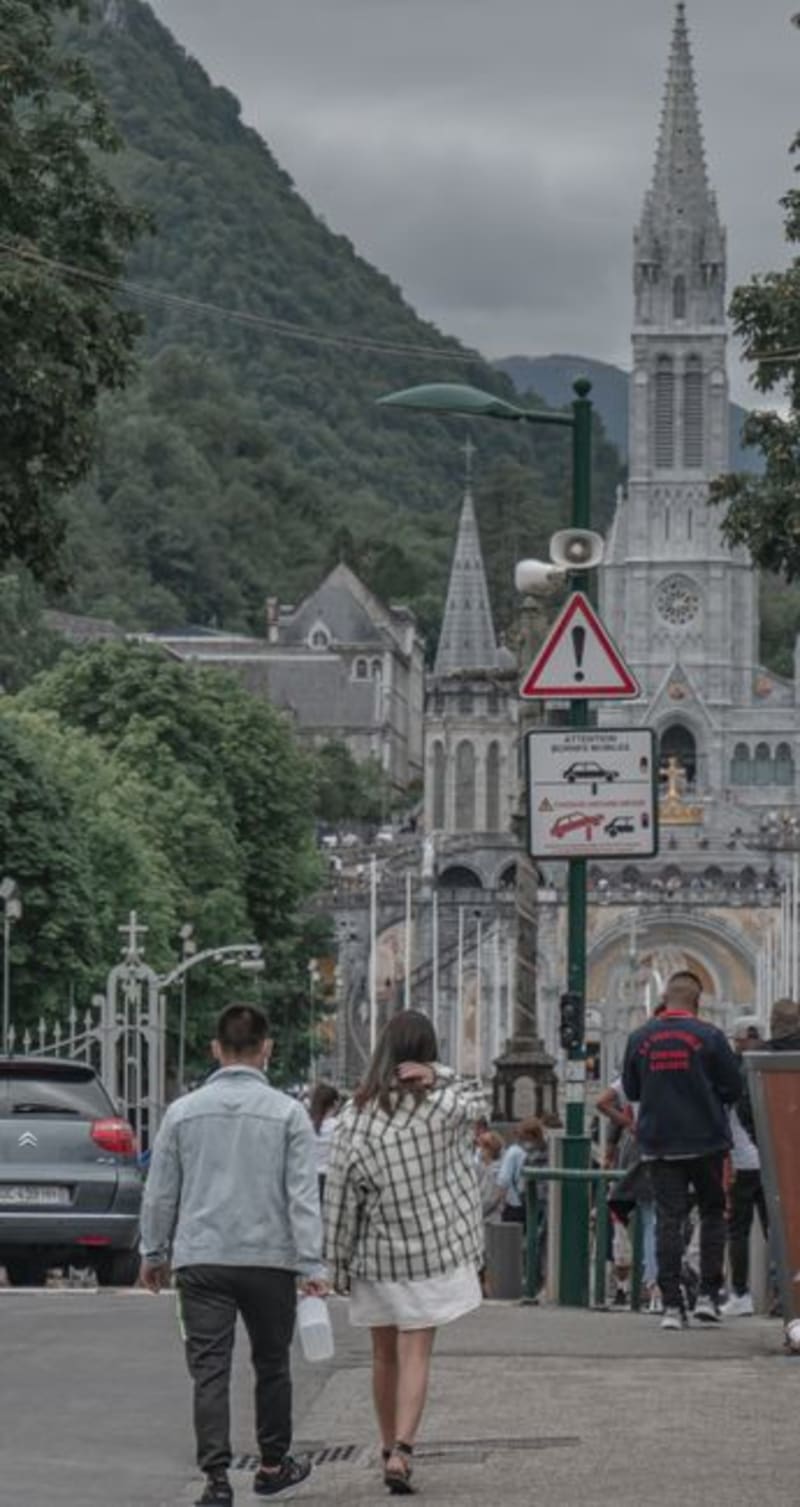 france
 Lourdes
The second-most-visited pilgrimage site in the Catholic world, wedged into a Pyrenean valley, where the candlelight procession made me set aside every ounce of my usual skepticism for a couple of hours.
Explore france
 Argelès-Gazost
A modest spa town in its own wide Pyrenean valley, the kind of unglamorous base that makes Cauterets, Saint-Savin, and Lourdes all feel like easy day trips instead of destinations in their own right.
Explore