
Argelès-Gazost
"The town nobody comes for turned out to be the one I was gladdest we'd chosen to stay in."
A modest spa town in its own wide Pyrenean valley, the kind of unglamorous base that makes Cauterets, Saint-Savin, and Lourdes all feel like easy day trips instead of destinations in their own right.

Argelès-Gazost doesn’t try very hard to sell itself, which after two weeks of postcard villages in the Basque Country was exactly the relief we needed. It sits in a broad, flat-bottomed valley — unusual in the Pyrenees, where most towns get squeezed onto a slope or a riverbank — surrounded by green foothills that don’t fully commit to being mountains yet, and it’s been a thermal spa town since the nineteenth century, when Belle Époque visitors came to take the waters and left behind a handful of grand, slightly faded buildings that still give the centre an air of quiet formality. We stayed here for three nights and used it as a base the way locals clearly do: a comfortable, affordable town to sleep in while the more famous names nearby did the heavy lifting.
Base camp for Cauterets and Saint-Savin
From Argelès-Gazost, Cauterets is a fifteen-minute drive up its own steep side valley, and the abbey village of Saint-Savin, with its fortified Romanesque church perched above the valley floor, is barely five. We made both trips in a single day and were back in Argelès in time for dinner, which is the whole appeal of staying here rather than committing to a room in whichever village happens to be busiest that week. The valley itself has its own gentle walking trails along the Gave de Pau, flat enough that we did an evening loop without any real hiking gear, past grazing cows entirely unbothered by our presence.

Lourdes down the road, without the crowds
Lourdes itself sits only about ten kilometres away, and staying in Argelès-Gazost instead meant we could visit the sanctuary during the day and retreat somewhere quieter by evening, away from the coach parks and souvenir strips that build up around the shrine. The market in Argelès on Wednesday and Saturday mornings does a better job of showing you actual Pyrenean life than anything closer to the pilgrimage crowds — cheese from the surrounding valleys, honey, and an unreasonable number of walking-stick vendors for a town this size.

When to go: Late spring through early autumn, when the surrounding valley roads to Cauterets and the high passes are fully open and the thermal spa season is in full swing.
Keep exploring
More of Basque Country
Keep exploring
More from Basque Country
 france
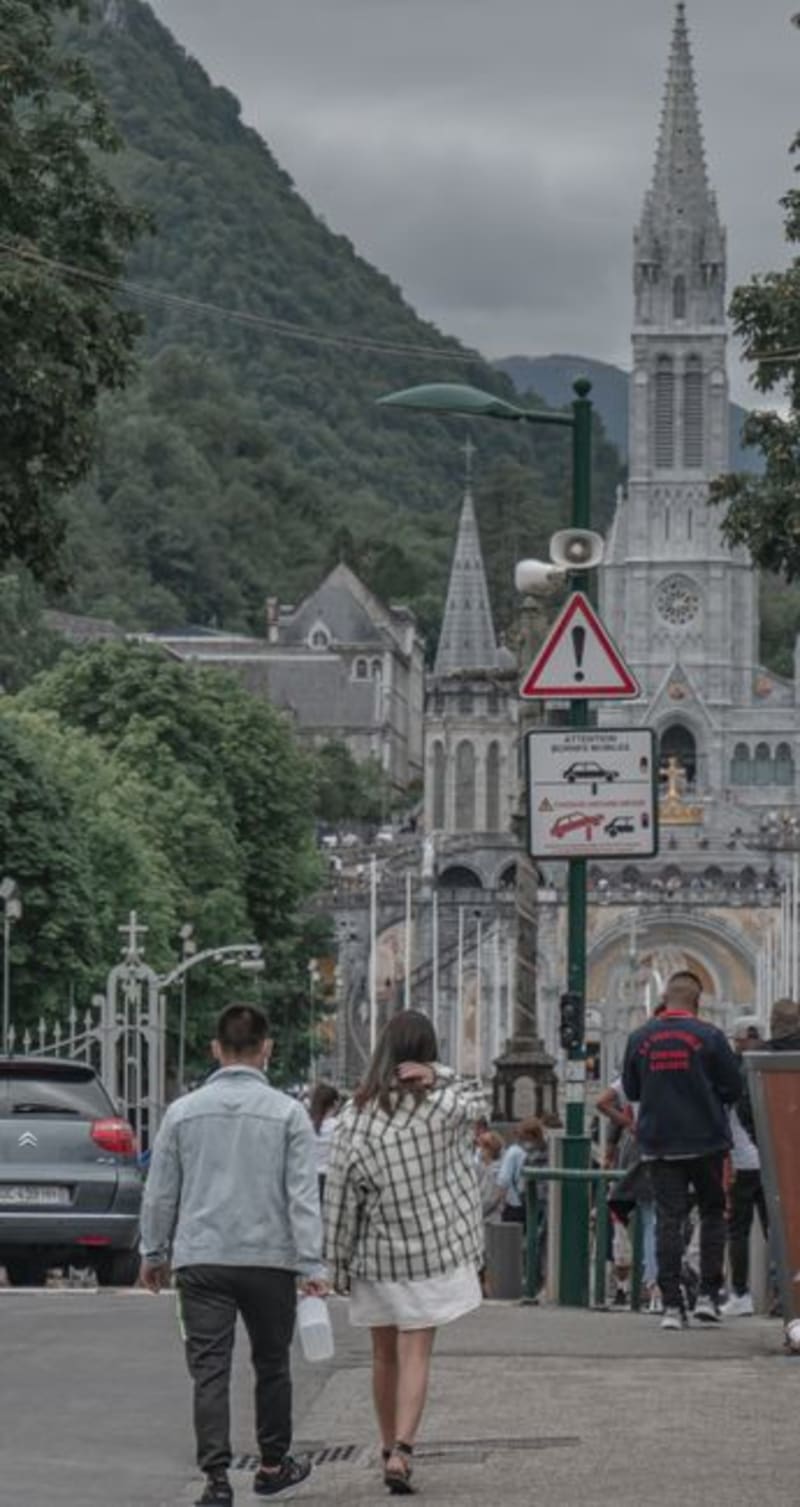
 Lourdes
The second-most-visited pilgrimage site in the Catholic world, wedged into a Pyrenean valley, where the candlelight procession made me set aside every ounce of my usual skepticism for a couple of hours.
Explore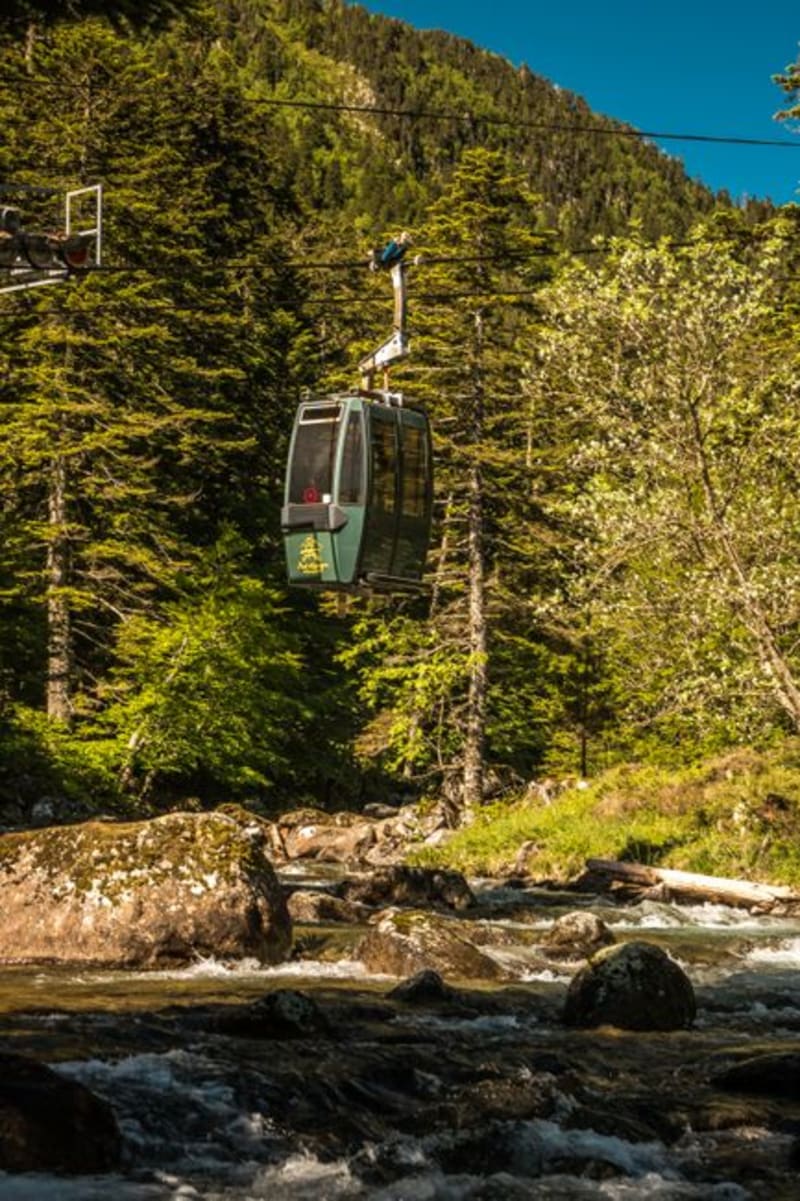 france
 Cauterets
A Belle Époque spa town tucked into a Pyrenean valley, its sulphur-scented thermal baths and faded grand hotels still carrying the glamour of the nineteenth century when half of literary Paris came to take the waters.
Explore france
 Bagnères-de-Bigorre
A thermal town that has been sending people up into the mountains since Roman times, and where every July the whole place still seems to hold its breath for the Tourmalet.
Explore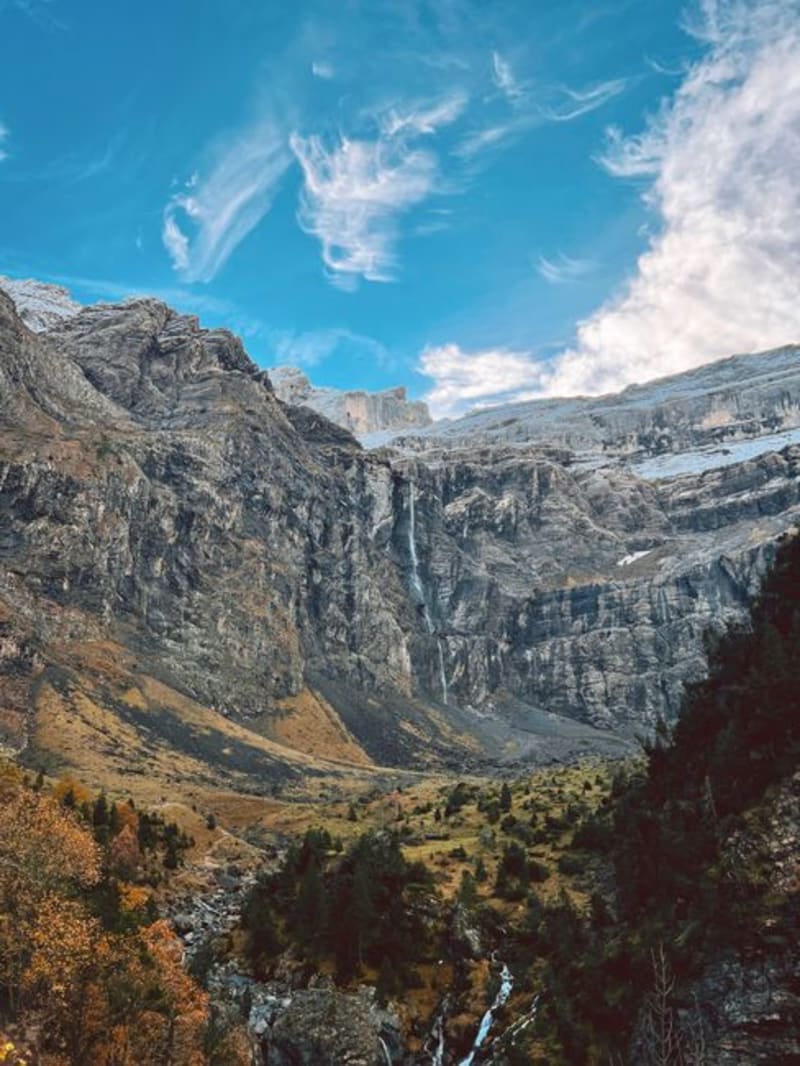 france
 Gavarnie
A tiny mountain village in the high Pyrenees that exists mostly as a staging post for the Cirque de Gavarnie, a natural amphitheatre of cliffs and waterfalls that Victor Hugo called the Colosseum of nature.
Explore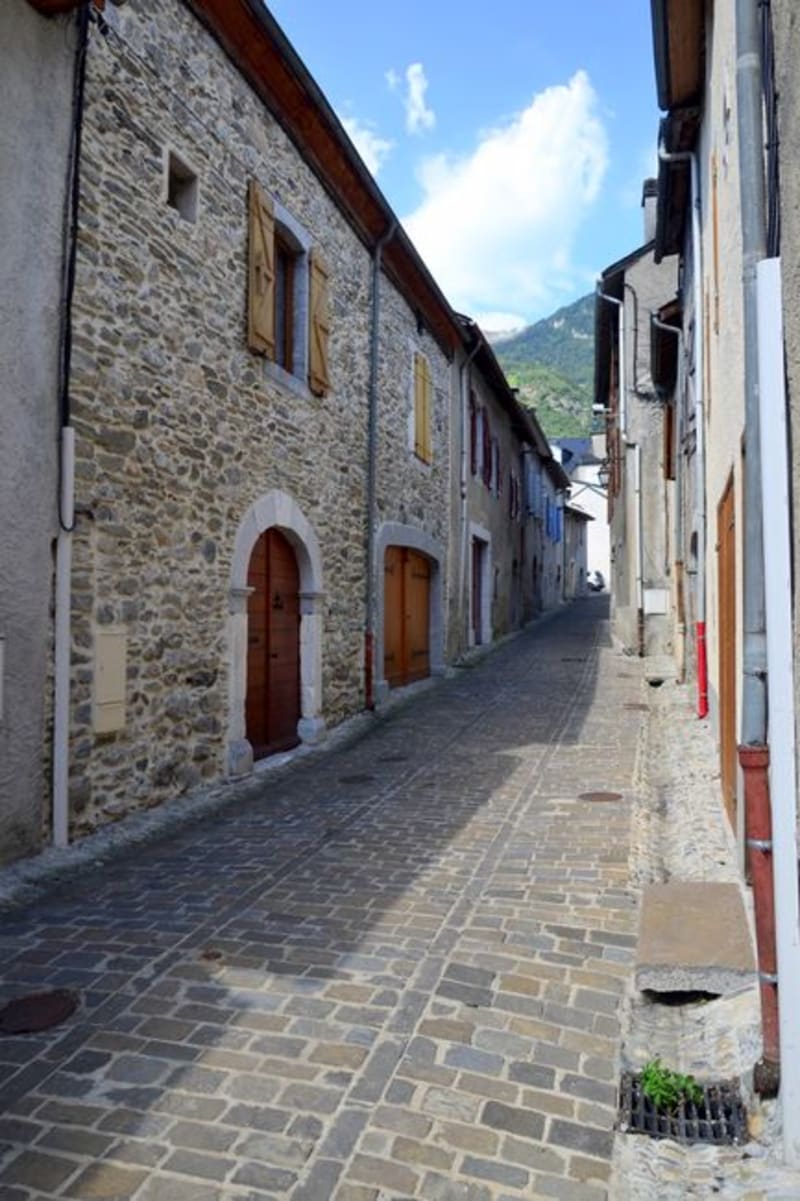 france
 Laruns
The last real village before the Col d'Aubisque, where shepherds still walk their flocks up to the high pastures every June and the Tour de France turns the same road into a wall of screaming fans every few summers.
Explore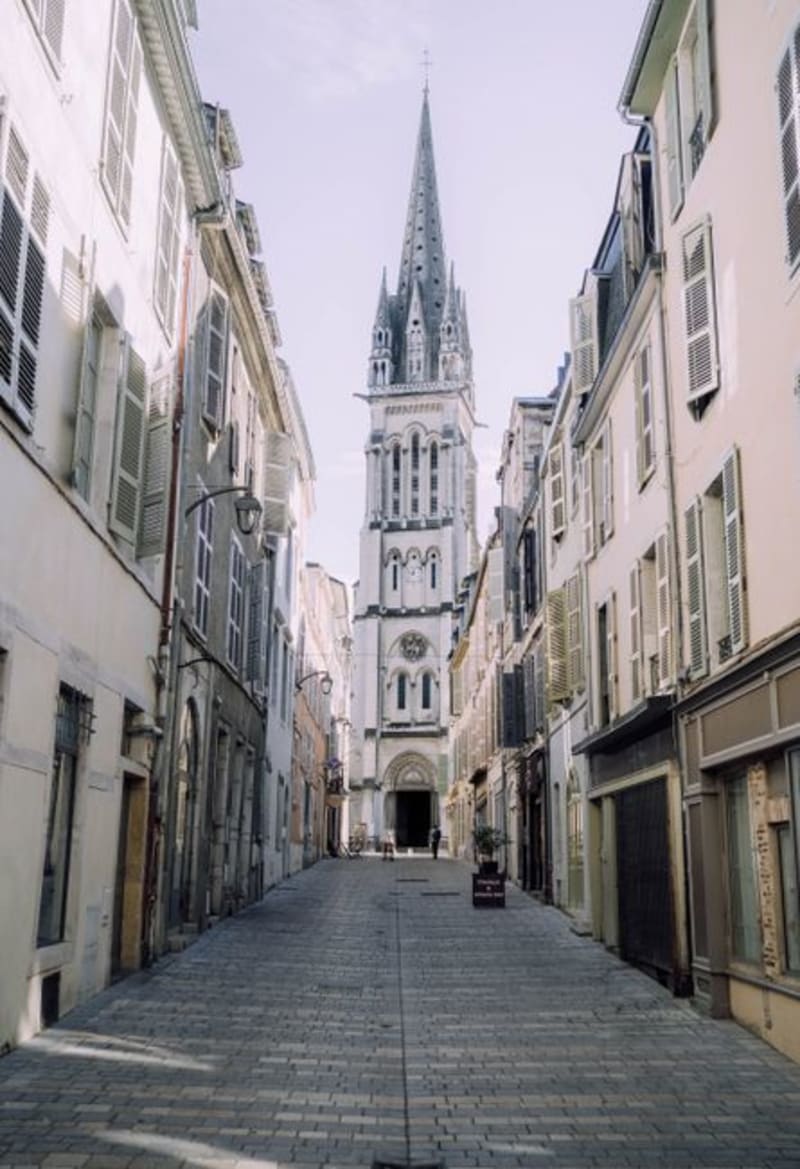 france
 Pau
The birthplace of Henri IV, a boulevard the English built just to stare at the Pyrenees, and a city that feels more genteel than anywhere else at the foot of the mountains.
Explore