
Oloron-Sainte-Marie
"Two rivers becoming one right under a bridge is a strangely satisfying thing to watch for twenty minutes straight."
A Béarnais town built at the exact spot where two Pyrenean rivers merge into one, with a Romanesque cathedral portal that's survived better than the beret factories that once made this the town's whole economy.

Oloron-Sainte-Marie isn’t technically Basque — it sits just over the linguistic border in Béarn, the old province that shares the western Pyrenees with the Basque Country and gets folded into the same corner of France on most maps — but it’s close enough, and unusual enough, that we detoured off the Basque circuit to see it. The whole town is built around a confluence: the Gave d’Aspe, flowing down from the Spanish border through the Aspe valley, meets the Gave d’Ossau, coming from the Ossau valley to the east, and the two combine right below the old quarter to form the Gave d’Oloron. We stood on the bridge at Sainte-Croix for a good while just watching the two currents, visibly different colours, refuse to blend for a surprisingly long stretch downstream.
A cathedral portal that outlasted an empire
The Cathédrale Sainte-Marie sits in the older of Oloron’s two historic quarters, up on the hill above the rivers, and its twelfth-century carved portal is one of the finest pieces of Romanesque sculpture in the Pyrenees — a tympanum crowded with figures, chained captives carved into the trumeau said to represent Moorish prisoners, and stonework brought back, according to local tradition, on the proceeds of a Béarnais lord’s crusading campaigns in Spain. Centuries of weather have worn some of the finer detail down, but enough survives that we spent longer standing in front of the doorway than we did inside the nave.

The town that dressed half of France’s heads
Down in Sainte-Marie’s twin quarter across the river, Notre-Dame, Oloron built its more recent identity on the beret: by the early twentieth century the town and its surrounding valleys housed dozens of beret and wool workshops, exporting the classic French headwear well beyond the Pyrenees before cheaper foreign production hollowed the industry out mid-century. One historic maker still operates today, and we found a small shop near the covered market selling berets made a short drive from where we stood, which felt like a better souvenir than anything stamped “Basque” for tourists forty kilometres away.

When to go: Spring and early autumn give the best light on the cathedral portal and comfortable weather for wandering both quarters; this is also a natural stopover if you’re heading up the Aspe valley toward the Col du Somport into Spain.
Keep exploring
More of Basque Country
Keep exploring
More from Basque Country
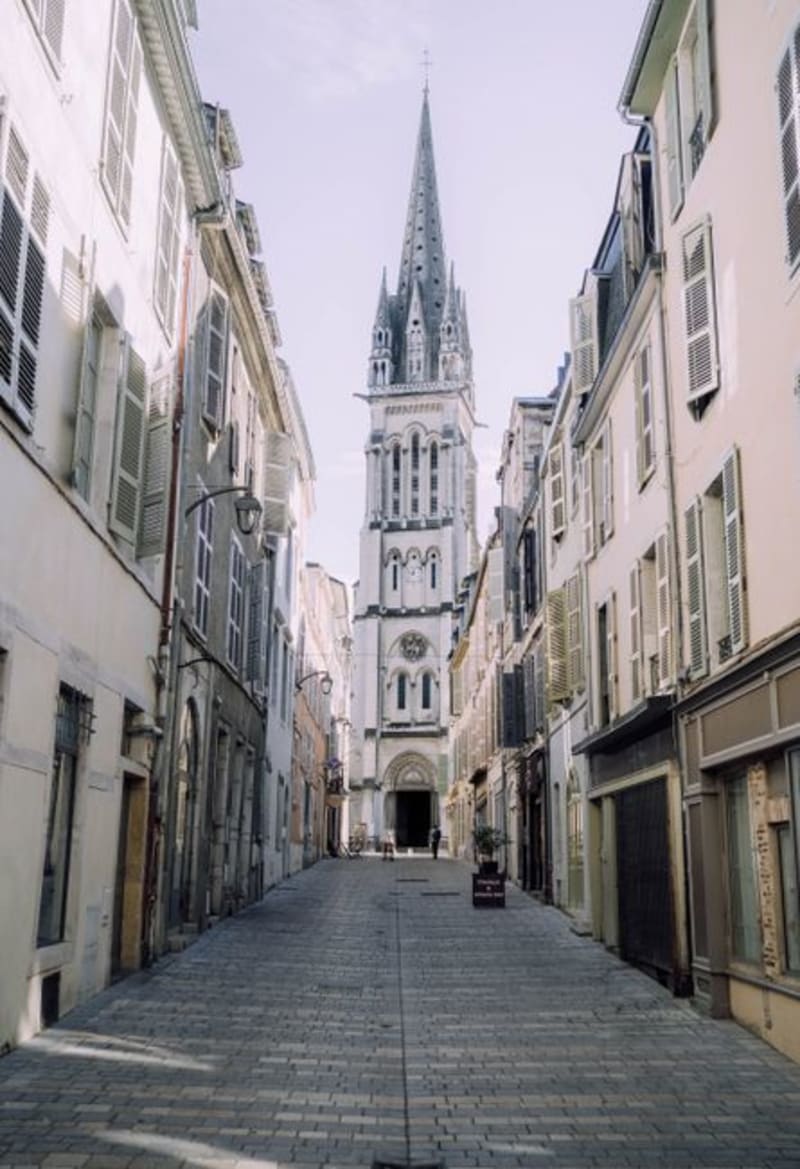 france
 Pau
The birthplace of Henri IV, a boulevard the English built just to stare at the Pyrenees, and a city that feels more genteel than anywhere else at the foot of the mountains.
Explore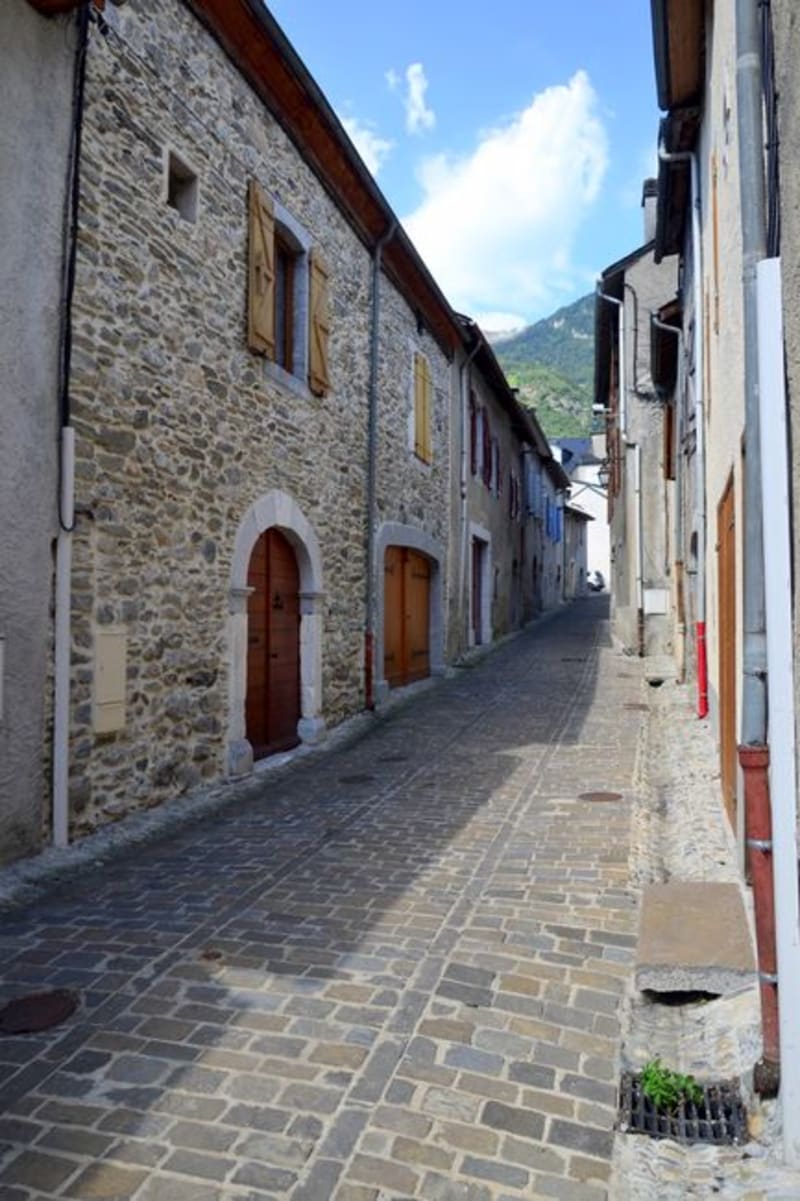 france
 Laruns
The last real village before the Col d'Aubisque, where shepherds still walk their flocks up to the high pastures every June and the Tour de France turns the same road into a wall of screaming fans every few summers.
Explore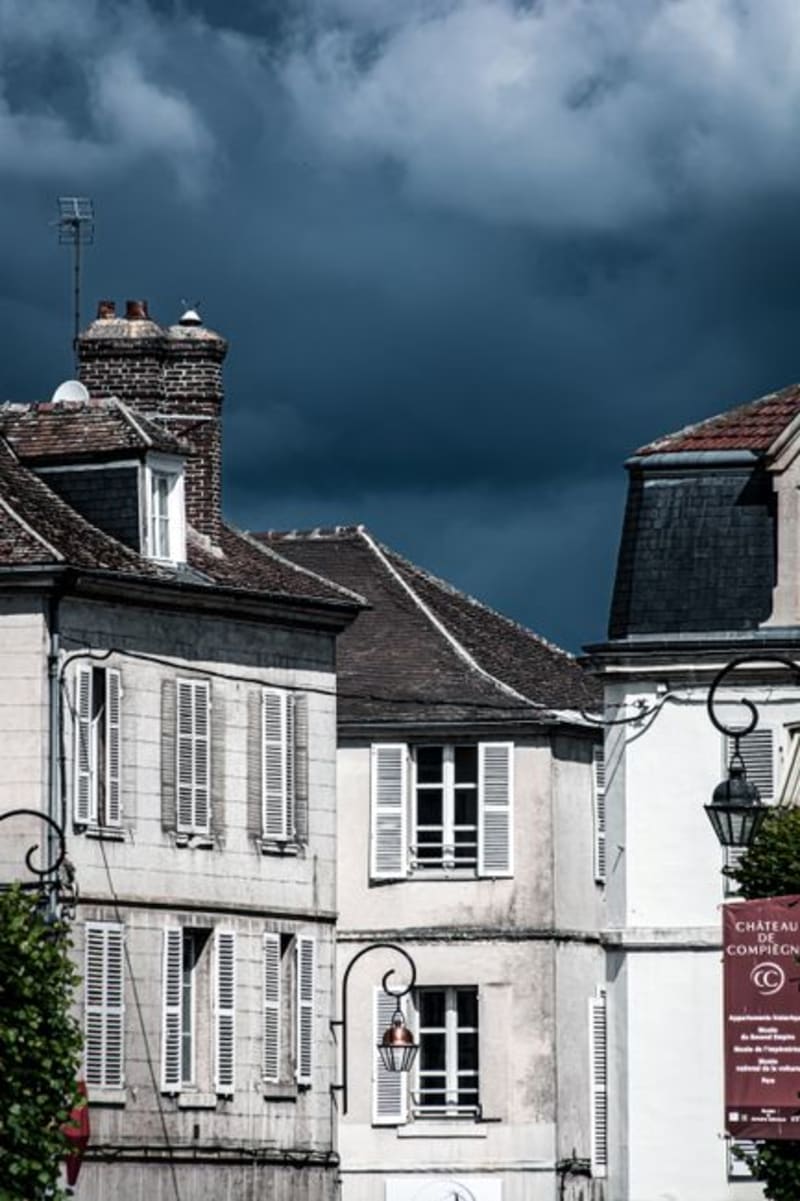 france
 Mauléon-Licharre
The old capital of Soule province, where a ruined castle looks down on a river valley and half the town still stitches espadrilles the way its grandparents did.
Explore france
 Argelès-Gazost
A modest spa town in its own wide Pyrenean valley, the kind of unglamorous base that makes Cauterets, Saint-Savin, and Lourdes all feel like easy day trips instead of destinations in their own right.
Explore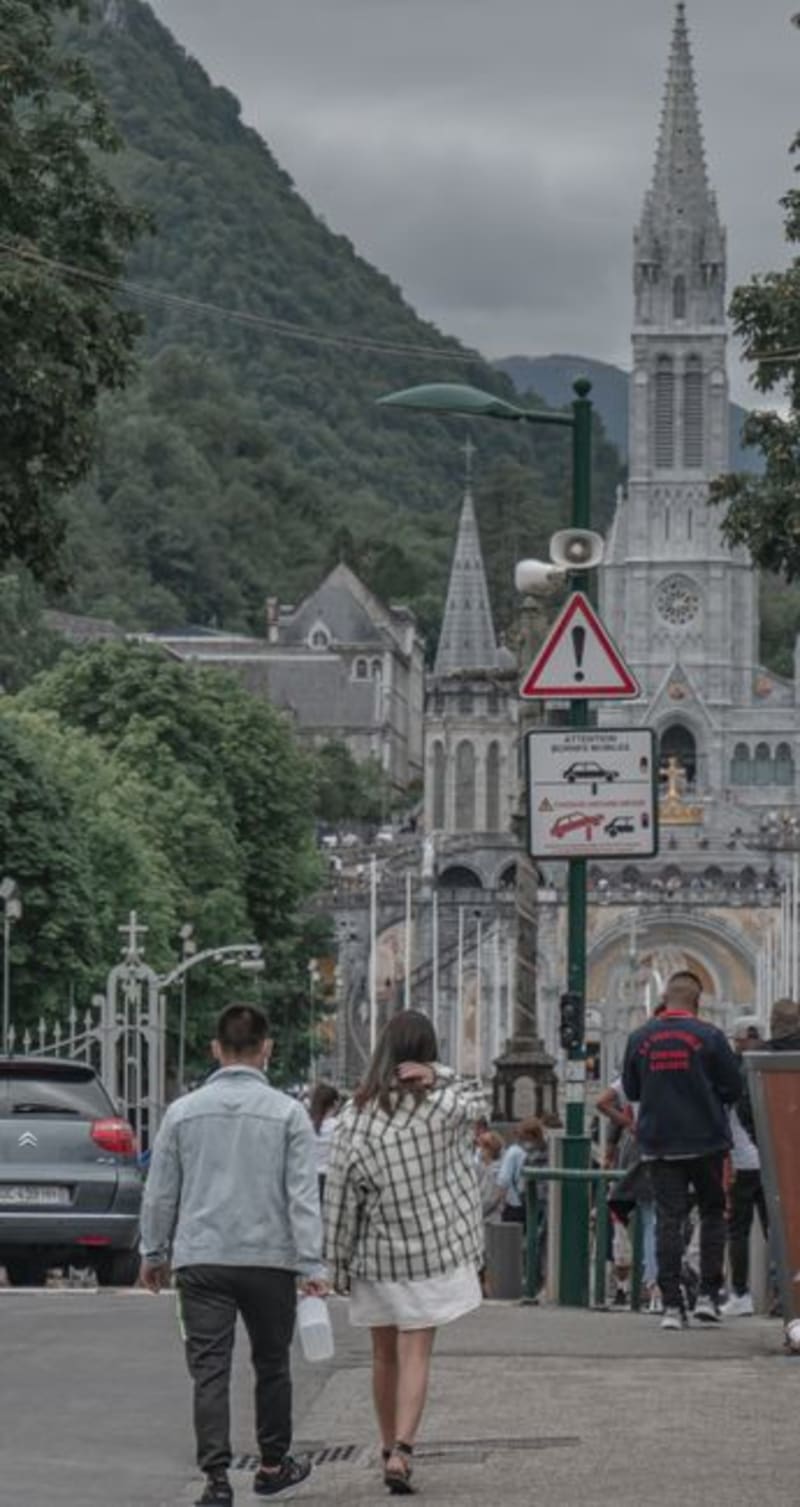 france
 Lourdes
The second-most-visited pilgrimage site in the Catholic world, wedged into a Pyrenean valley, where the candlelight procession made me set aside every ounce of my usual skepticism for a couple of hours.
Explore france
 Cauterets
A Belle Époque spa town tucked into a Pyrenean valley, its sulphur-scented thermal baths and faded grand hotels still carrying the glamour of the nineteenth century when half of literary Paris came to take the waters.
Explore