Biarritz
"An empress built her summer palace here, and now teenagers in wetsuits treat the view as background noise."
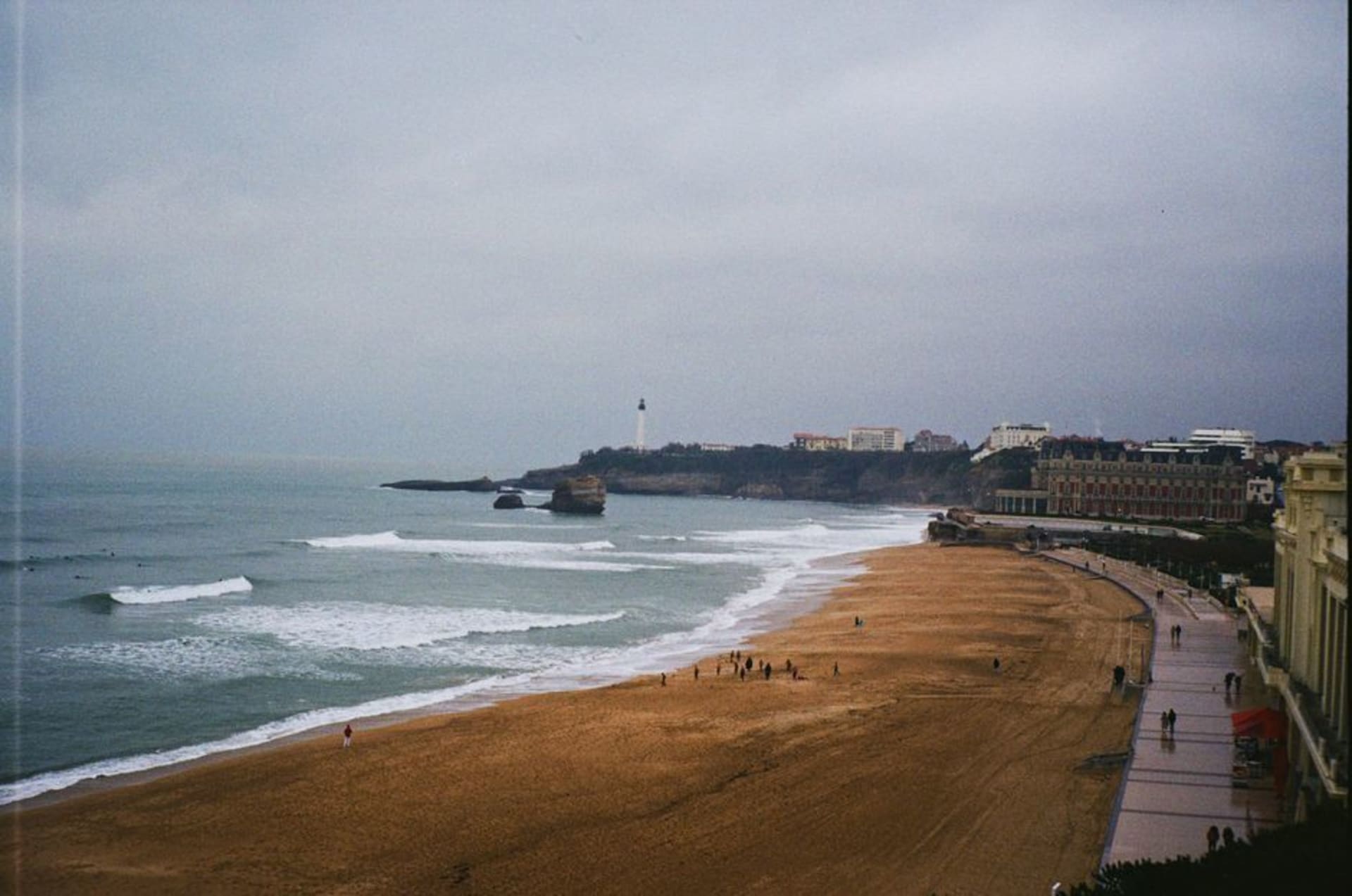
An empress's seaside whim turned into France's original surf town, where Belle Époque villas stare down at Atlantic swells that draw surfers from three continents.

Biarritz is one of those rare towns where two entirely different eras of glamour stacked directly on top of each other without either one erasing the other. There’s the nineteenth-century imperial resort, all striped bathing tents and grand hotels, and there’s the surf culture that arrived a century later and never left, and somehow the combination works better than it has any right to.
Empress Eugénie’s seaside whim
Biarritz was a modest whaling and fishing village until Empress Eugénie, wife of Napoleon III and herself from nearby Spain, had a villa built on the beach in 1854 — a building that today, much expanded, is the Hôtel du Palais, still the town’s grandest address. Her regular summer visits turned Biarritz almost overnight into the fashionable resort of European royalty; Queen Victoria came, as did assorted Russian grand dukes and Spanish nobility, all chasing the same sea air and mild winters that had drawn the English inland to Pau. Walking the clifftop path past the Hôtel du Palais at golden hour, its cream facade and red-tiled roof catching the last light over the Atlantic, it’s easy to see exactly what convinced an empress to build a palace on a fishing village’s beach.

The waves that made it France’s surf capital
The other Biarritz origin story is more recent and, to me, more fun: in 1956, the American screenwriter Peter Viertel arrived to work on a film and brought a surfboard with him, becoming the first person to surf the Côte des Basques break — and inadvertently founding continental Europe’s surf culture on the spot. Nearly seventy years later, Biarritz’s beaches, particularly the Côte des Basques and the Grande Plage, host a genuinely serious surf scene, with international competitions, a cluster of surf schools, and a town personality that swings between grand-hotel elegance and salt-crusted wetsuits without seeming to notice the contradiction. Lia took a lesson on a blustery October morning while I watched from the seawall with a coffee, and even from dry land the size of the swell rolling in off the open Atlantic made it obvious why the sport took hold here rather than somewhere calmer.

When to go: September and October give you the best surf conditions and warm water without the peak-summer crowds; if you’re chasing the Belle Époque atmosphere over the waves, a crisp, quiet winter weekend at the Hôtel du Palais has its own kind of appeal.
Keep exploring
More of Basque Country
Keep exploring
More from Basque Country
 france
 Bayonne
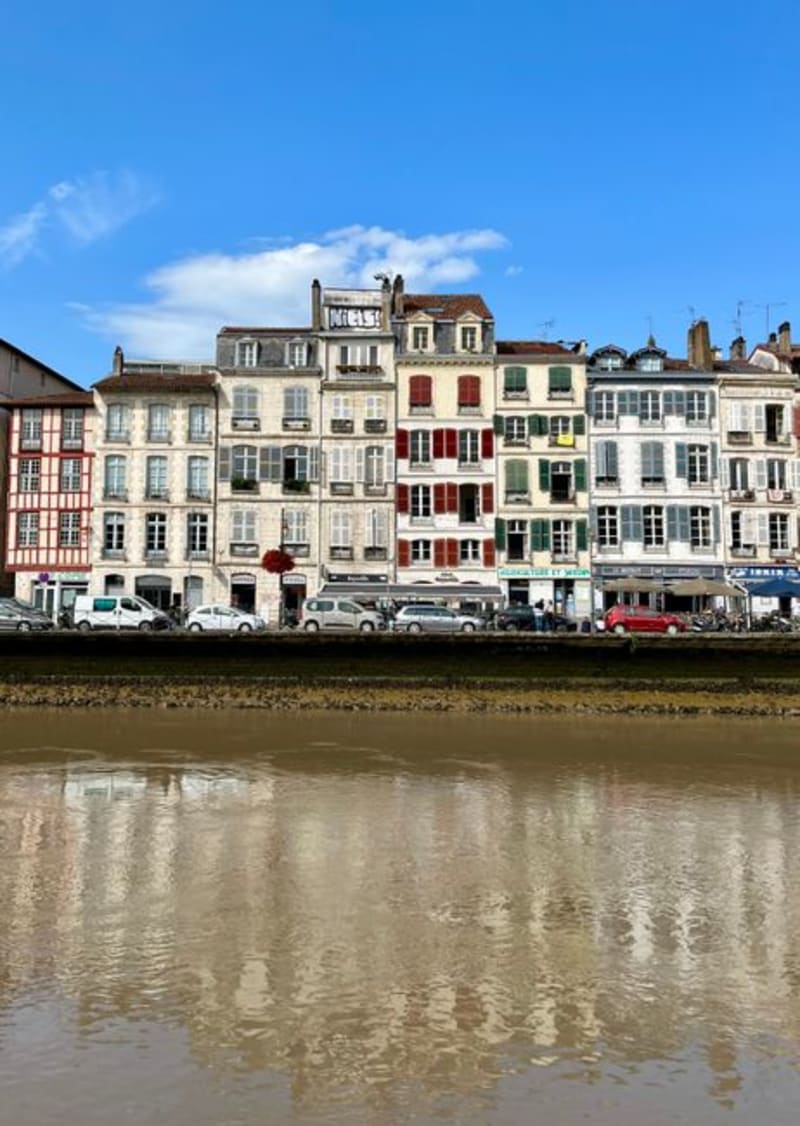
The real cultural capital of the French Basque Country, where two rivers meet under a cathedral and the ham hanging in every charcuterie window still gets weighed like it matters, because it does.
Explore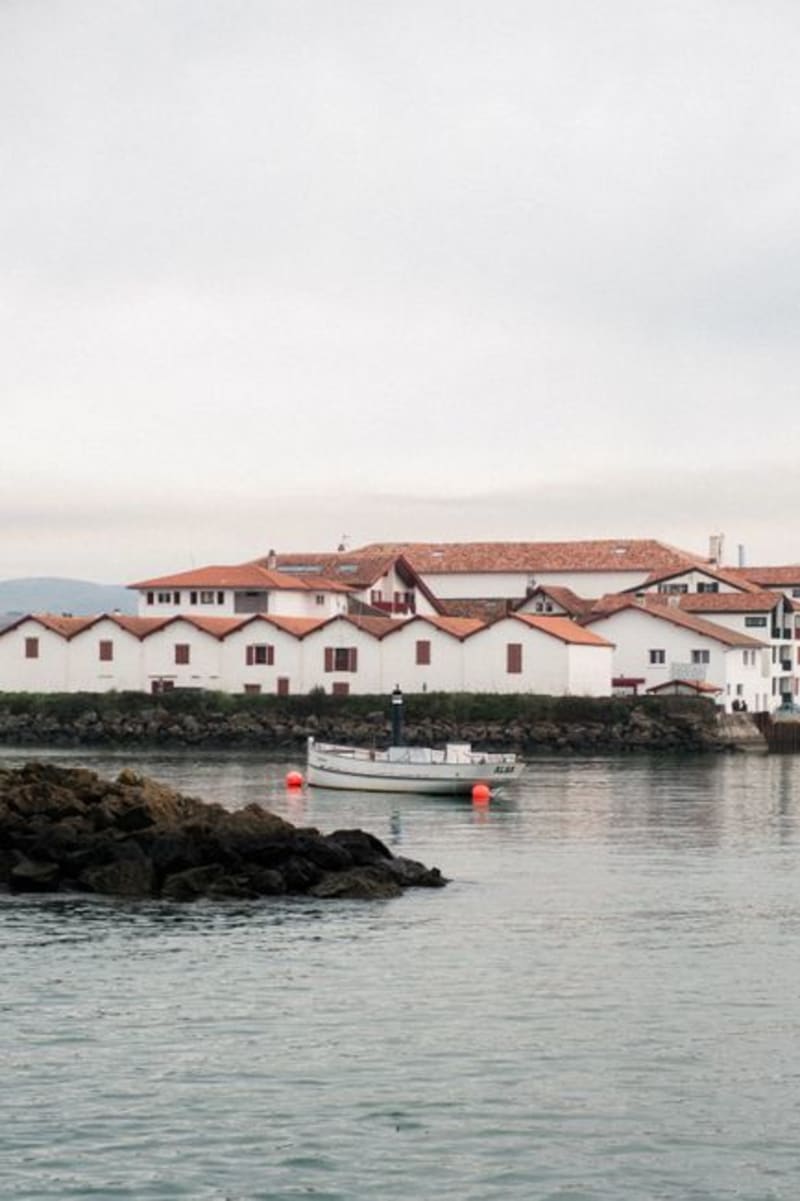 france
 Saint-Jean-de-Luz
A Basque fishing port on the Bay of Biscay where red-and-white timbered houses face a curved bay calm enough to swim in and a harbour still busy with tuna and anchovy boats.
Explore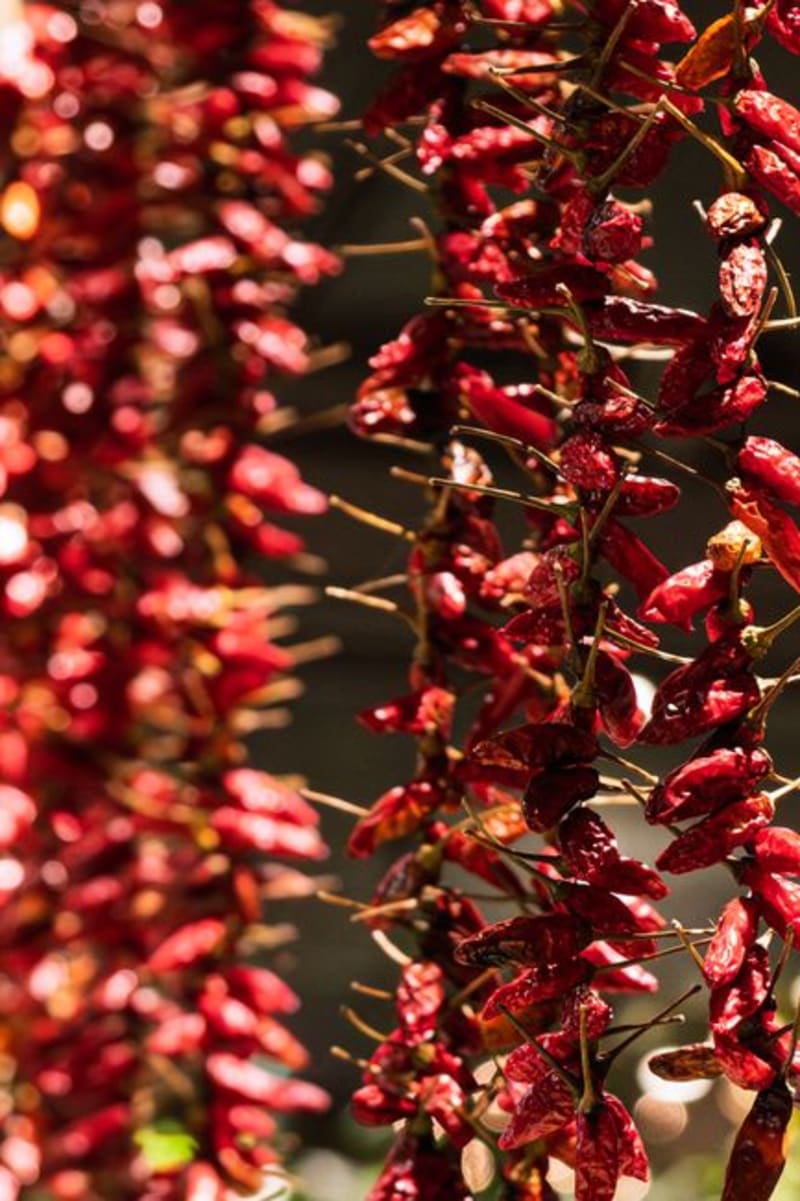 france
 Espelette
A small Basque village where every whitewashed facade is strung with ropes of drying red peppers, and the pepper itself has become the closest thing France has to a village mascot.
Explore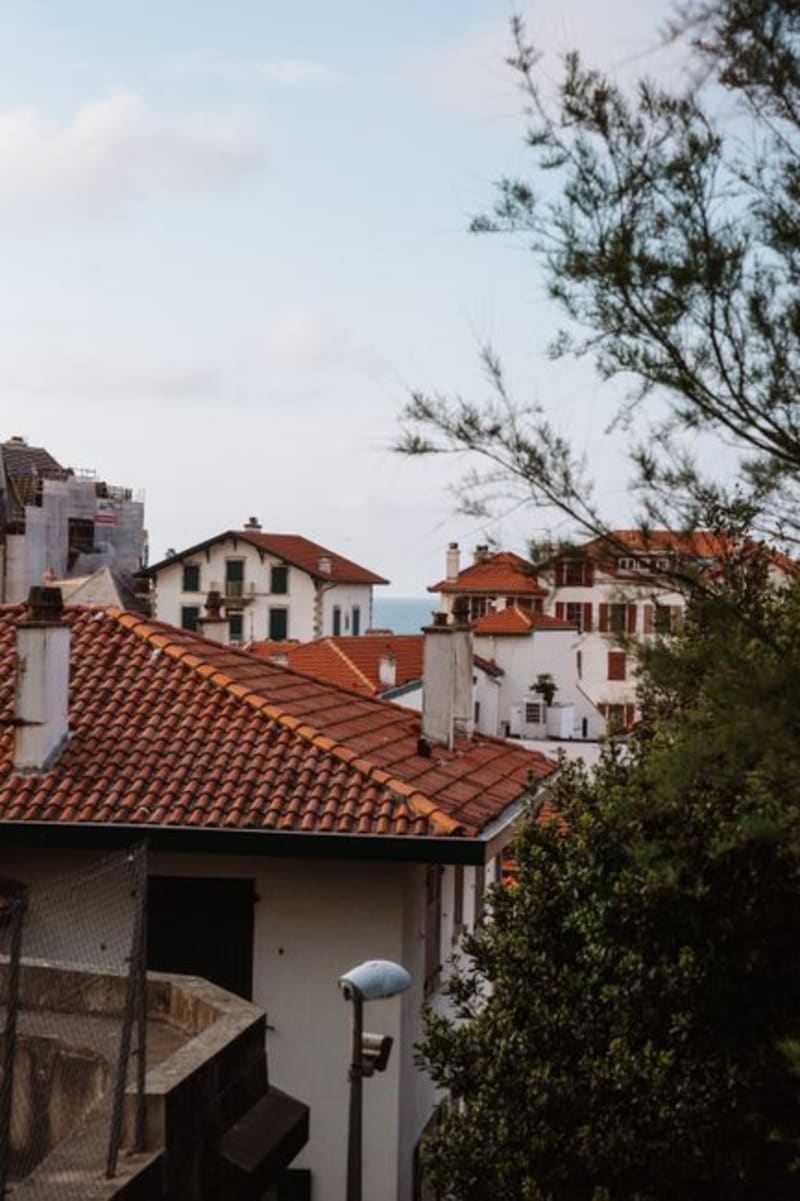 france
 Ainhoa
A single-street Basque village on the old pilgrim road to Santiago, its houses lined up like a stage set of red timber and white plaster with the Pyrenean foothills rising right behind them.
Explore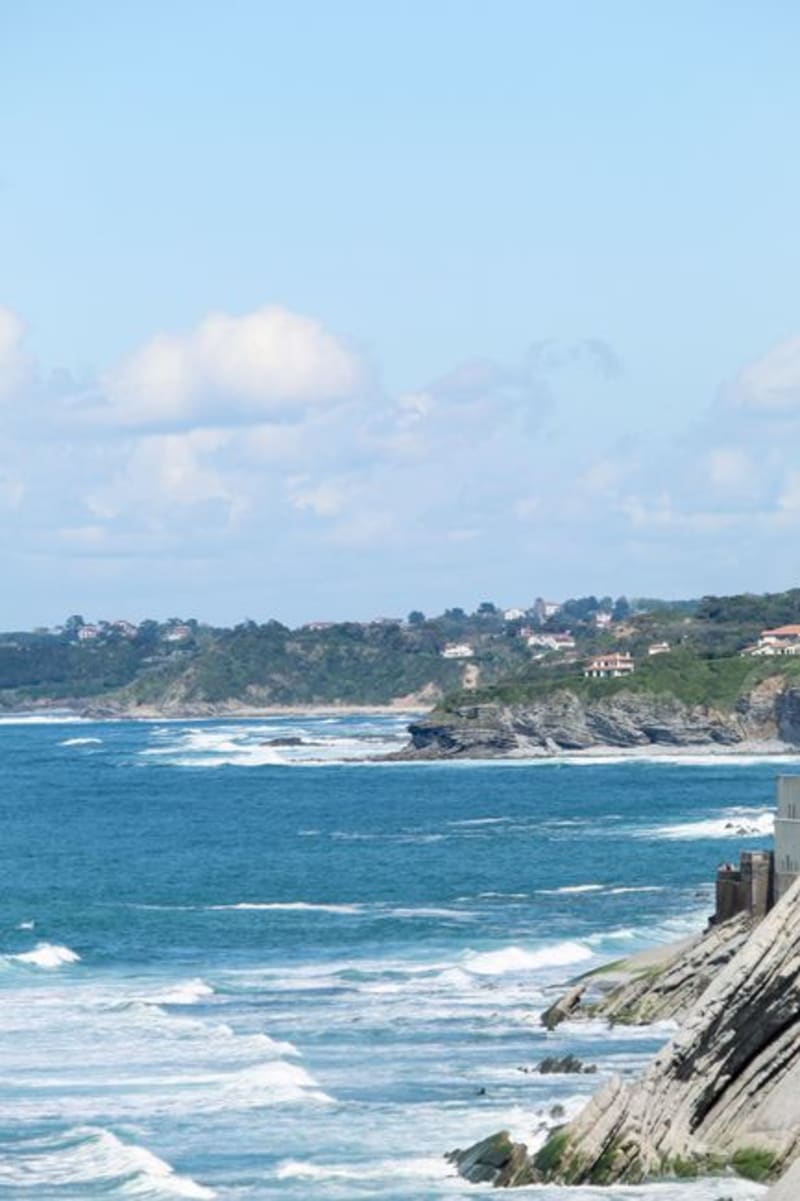 france
 Hendaye
The last French Basque beach town before the border, where a river with two names splits two countries and a tiny uninhabited island switches sovereignty every six months.
Explore france
 Saint-Jean-Pied-de-Port
A fortified Basque town at the foot of the Pyrenees where the Camino Francés officially begins, its steep cobbled street packed every morning with pilgrims collecting their first stamp.
Explore