Bayonne
"Biarritz gets the postcards, but Bayonne is where the Basque Country actually lives."
The real cultural capital of the French Basque Country, where two rivers meet under a cathedral and the ham hanging in every charcuterie window still gets weighed like it matters, because it does.

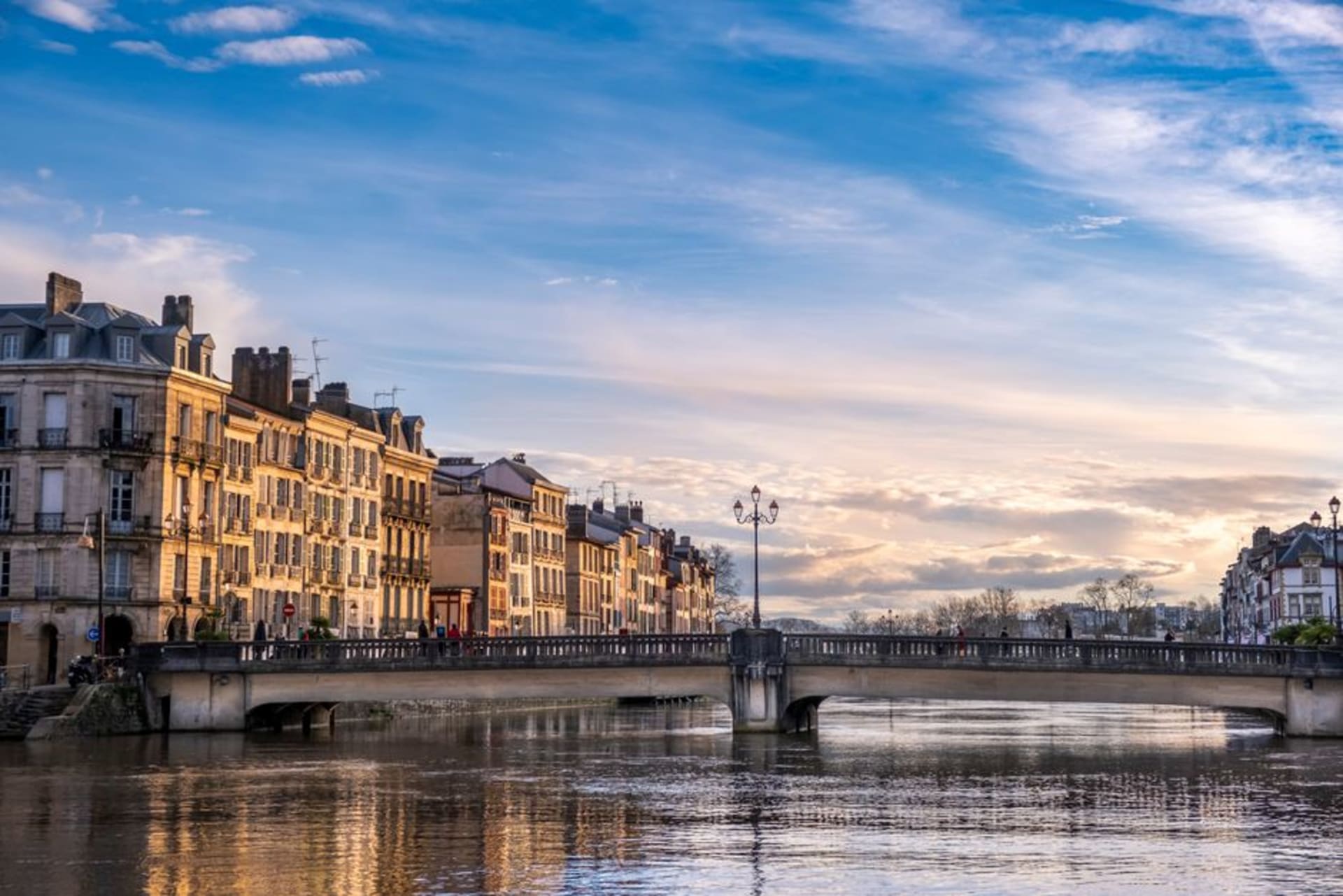
Everyone talks about Biarritz when they mean this stretch of coast, and I did too before I actually spent real time in Bayonne, the city just inland that has been the beating administrative and cultural heart of the French Basque Country for far longer than its beach-resort neighbor has existed in any recognizable form. Bayonne sits at the confluence of the Nive and Adour rivers, and that confluence — plus the port it created — is essentially the whole reason for the city’s existence.
Chocolate, ham, and a port that made both possible
Bayonne has been making chocolate since the late sixteenth century, when Sephardic Jews fleeing the Inquisition in Spain and Portugal brought the trade with them, making it one of the earliest chocolate-producing cities in Europe — several of the original chocolatiers, like Cazenave near the cathedral, are still operating out of the same storefronts generations later, and the hot chocolate there is thick enough to eat with a spoon. The other export the city’s name is permanently attached to is jambon de Bayonne, a dry-cured ham protected by a geographical designation and produced from pigs raised across the wider Adour basin, salted with salt that itself traveled up the river from the Atlantic. We wandered into the covered Halles market on a Saturday morning and watched a vendor explain, with real pride, the difference between a ham cured eight months and one cured twelve, a distinction he clearly considered nearly moral in weight.

Two rivers, two old towns, one cathedral
The city splits neatly along its rivers into Grand Bayonne, dominated by the Gothic Cathédrale Sainte-Marie with its twin spires visible from most of the old town, and Petit Bayonne across the Nive, a tighter grid of colorful half-timbered houses that has become the nightlife district, full of pintxo bars spilling onto the quays in the evening. We stayed in Petit Bayonne and fell into the local rhythm almost immediately — a glass of Irouléguy wine, a plate of pintxos, and the low hum of Basque conversation at the next table that neither of us could follow but liked listening to anyway. Bayonne is also where French bullfighting culture and Basque pelota both still have serious followings, and the city’s August festival, five days of white-and-red clothing and genuinely enormous crowds, is one of the biggest of its kind in France.

When to go: Late spring or September for the city at its most livable, or the very end of July into early August if the Fêtes de Bayonne’s five days of controlled chaos sound like your kind of trip — just book accommodation months ahead if it does.
Keep exploring
More of Basque Country
Keep exploring
More from Basque Country
 france
 Biarritz
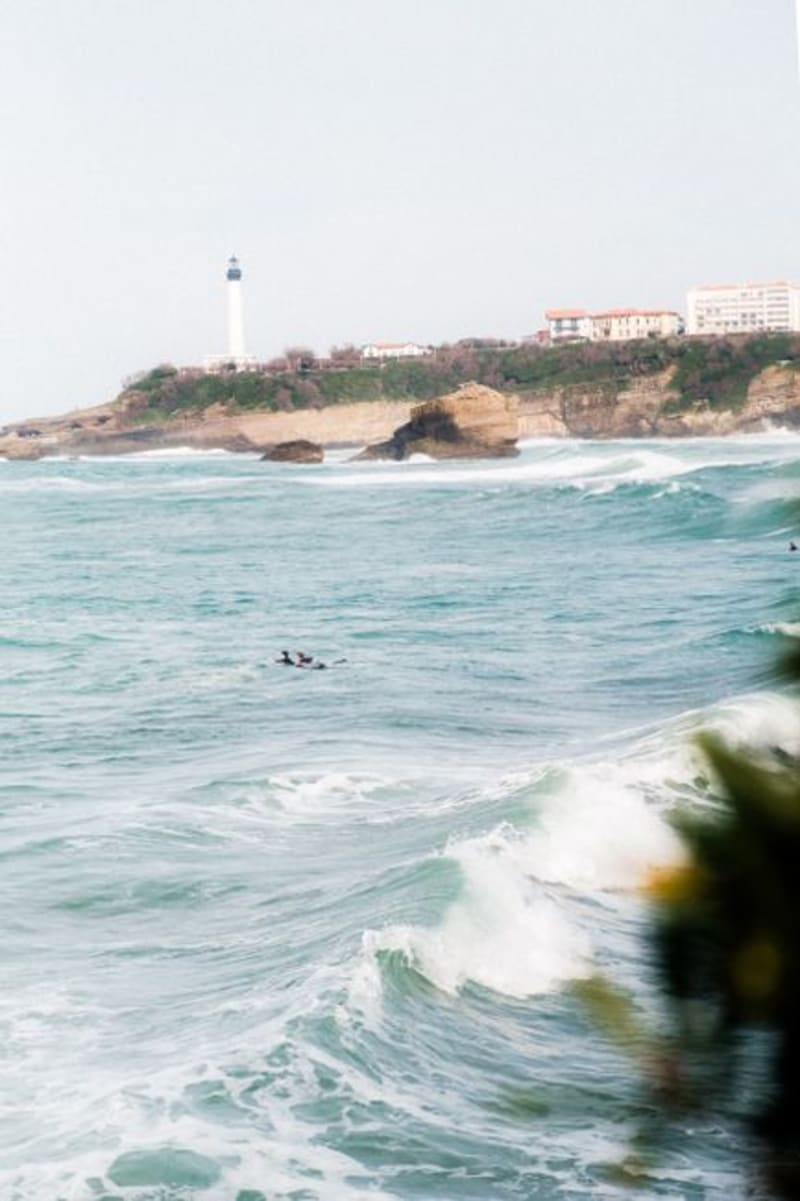
An empress's seaside whim turned into France's original surf town, where Belle Époque villas stare down at Atlantic swells that draw surfers from three continents.
Explore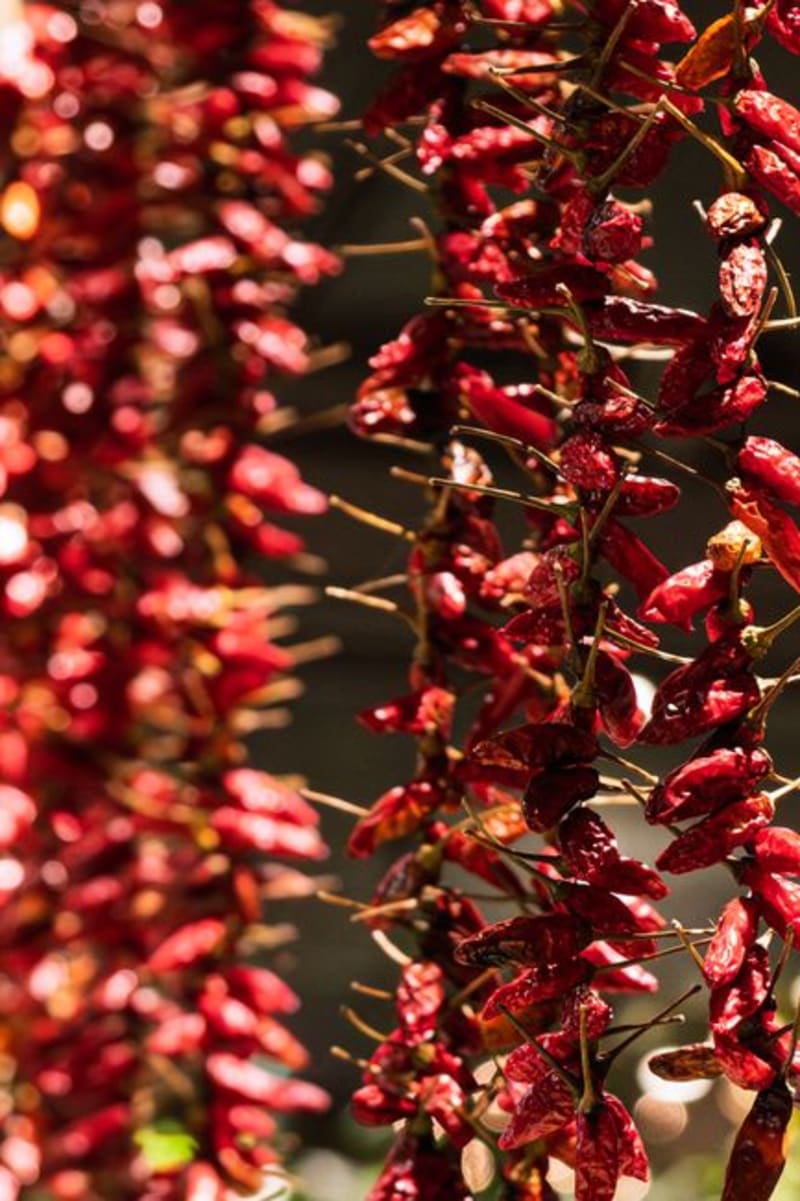 france
 Espelette
A small Basque village where every whitewashed facade is strung with ropes of drying red peppers, and the pepper itself has become the closest thing France has to a village mascot.
Explore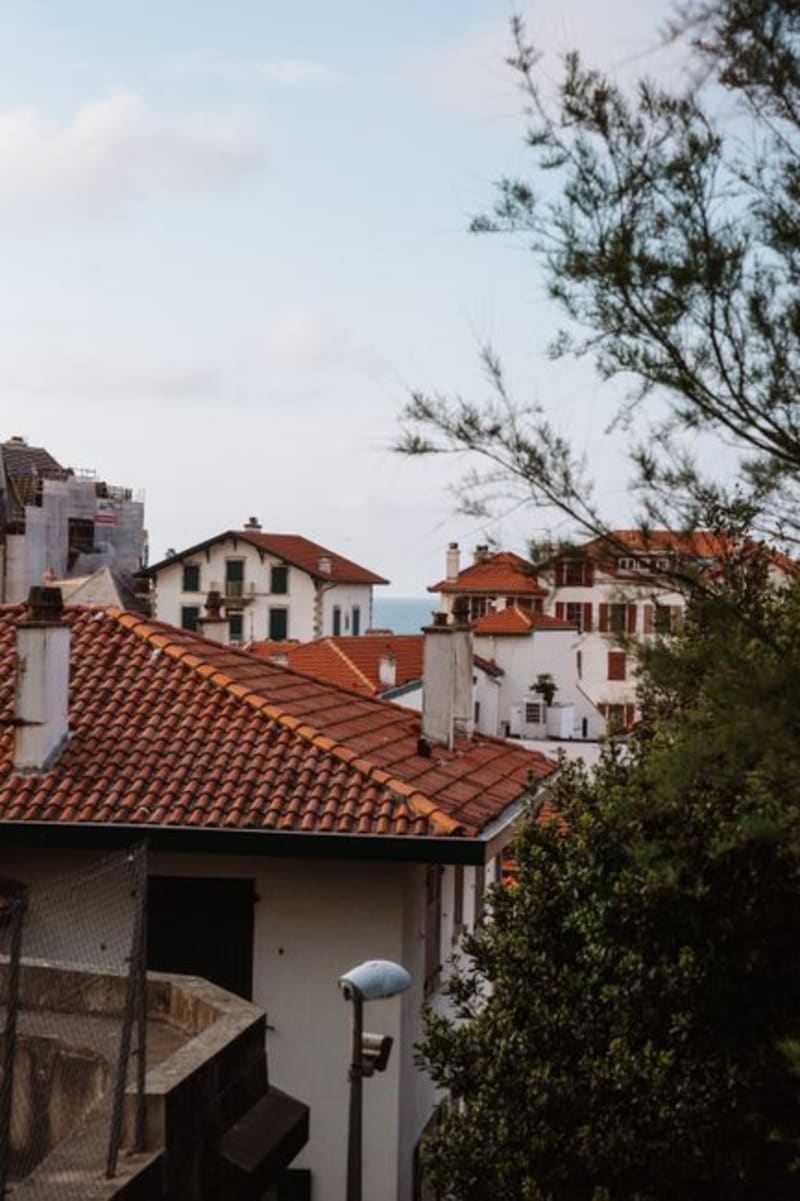 france
 Ainhoa
A single-street Basque village on the old pilgrim road to Santiago, its houses lined up like a stage set of red timber and white plaster with the Pyrenean foothills rising right behind them.
Explore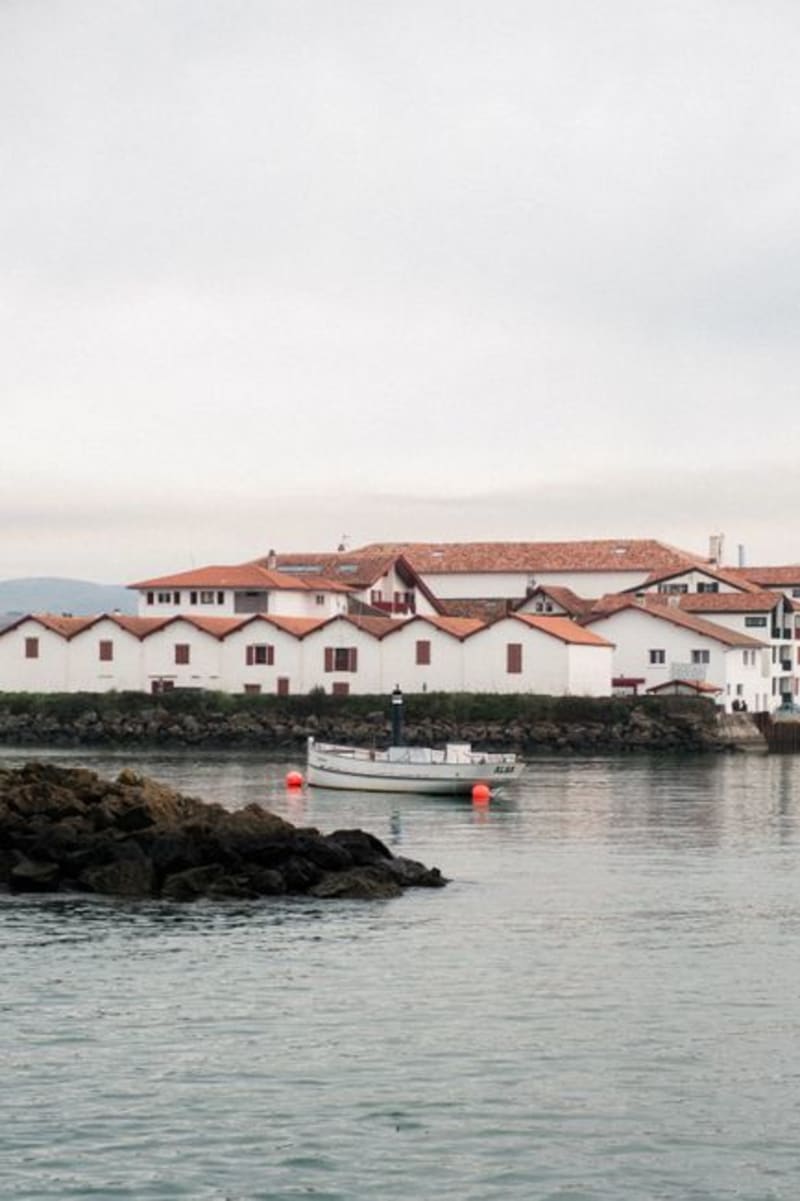 france
 Saint-Jean-de-Luz
A Basque fishing port on the Bay of Biscay where red-and-white timbered houses face a curved bay calm enough to swim in and a harbour still busy with tuna and anchovy boats.
Explore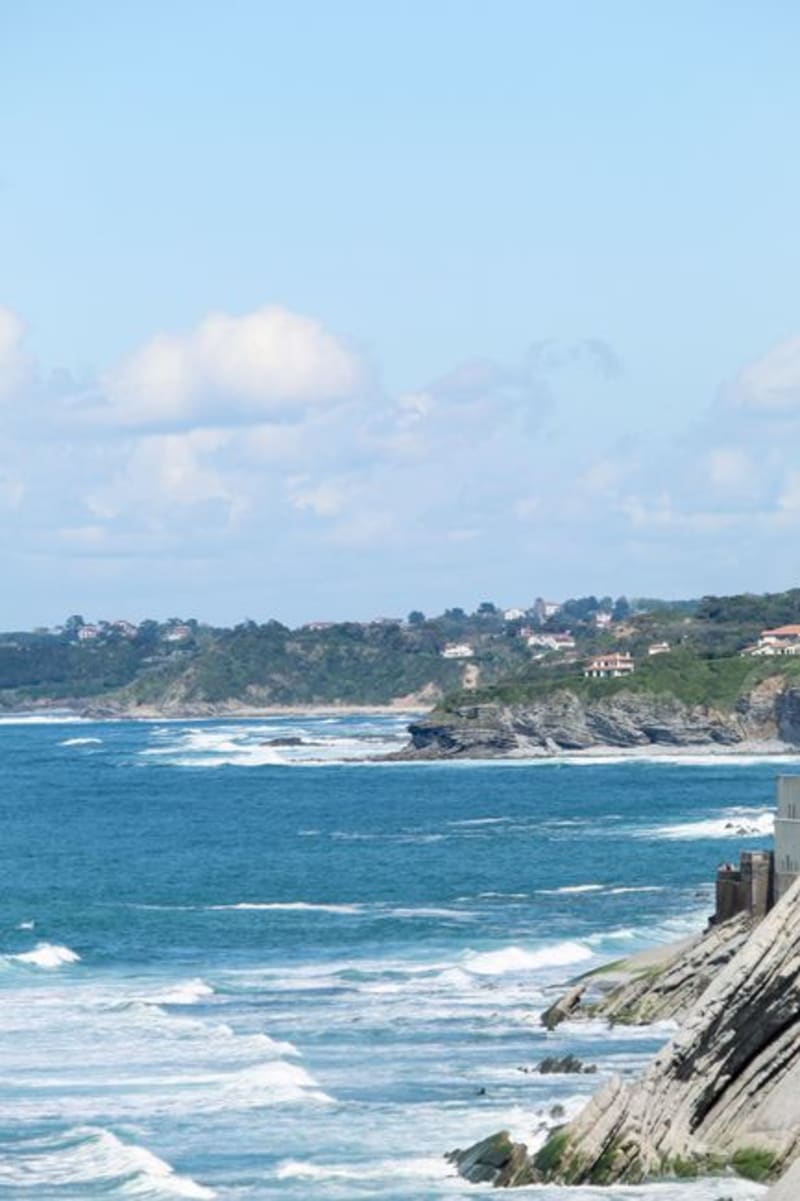 france
 Hendaye
The last French Basque beach town before the border, where a river with two names splits two countries and a tiny uninhabited island switches sovereignty every six months.
Explore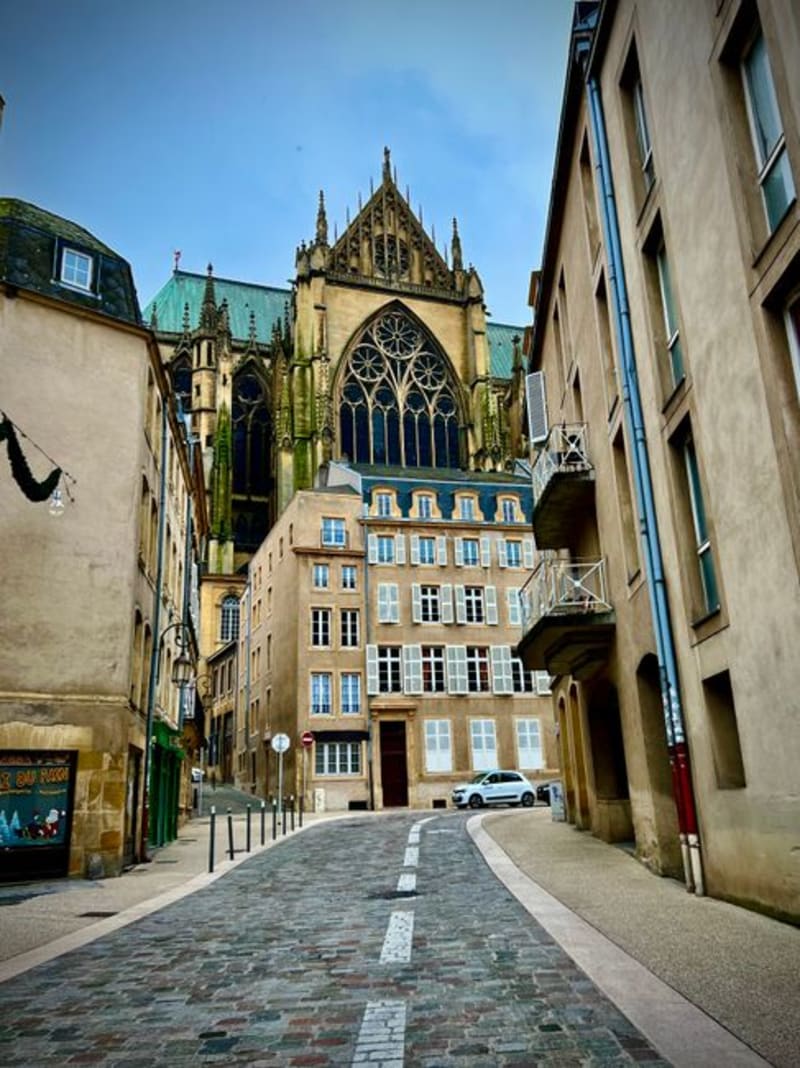 france
 Saint-Jean-Pied-de-Port
A fortified Basque town at the foot of the Pyrenees where the Camino Francés officially begins, its steep cobbled street packed every morning with pilgrims collecting their first stamp.
Explore